







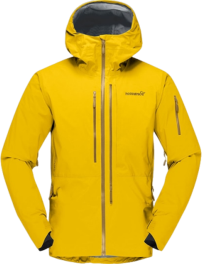

Finding high-quality yet affordable winter outerwear requires a deep understanding of textile engineering and functional design. For women's ski wear, the challenge lies in balancing technical specifications—such as hydrostatic head ratings and moisture vapor transmission—with a price point that remains accessible for retail brands and distributors. This article explores the critical components that determine the value of technical outerwear, ensuring that "affordability" does not come at the expense of safety or performance on the slopes.
In the competitive B2B outdoor apparel market, sourcing cheap ski wear women's often leads buyers toward a trade-off between material durability and cost. However, by leveraging advanced manufacturing processes like TPU membrane bonding and optimized quilted padding, it is possible to achieve professional-grade protection without the luxury markup. Understanding the intersection of fabric weight (gsm), seam sealing, and ergonomic tailoring is essential for procurement officers seeking to maximize the value proposition of their product lines.
Readers will gain insights into the technical differences between softshell and hardshell constructions, the impact of recycled polyester on marketability, and a framework for evaluating supplier capabilities. We will analyze how specific design elements, such as adjustable cuffs with velcro and detachable hoods, contribute to the overall utility of the garment, providing a comprehensive guide for those looking to source reliable, budget-friendly ski apparel for the global market.
Winter Performance Fabrics for Women
The efficacy of women's ski apparel is fundamentally rooted in the selection of the shell fabric and the integration of membranes. Most high-performance jackets utilize a combination of polyester and lycra to provide the necessary stretch for athletic movement while maintaining windproof properties. A critical technical standard is the use of a TPU (Thermoplastic Polyurethane) membrane, which is bonded to the fabric to create a waterproof barrier that remains breathable. This allows internal perspiration to escape as vapor while preventing external snow and rain from penetrating the garment. For autumn-to-winter transitions, softshell constructions—often featuring a knitted exterior bonded with velvet or fleece—offer a superior balance of warmth and flexibility compared to rigid hardshells. Furthermore, the weight of the fabric, ranging from 40gsm for lightweight layers to 450gsm for heavy insulation, determines the jacket's seasonal application and thermal efficiency. Proper material selection ensures that the wearer remains dry and warm, reducing the risk of hypothermia during prolonged exposure to alpine environments.
Guide to Selecting Affordable High-Performance Ski Gear
When evaluating technical outerwear for a commercial collection, buyers must move beyond price tags and analyze the specific engineering choices that drive cost and performance. The following sections break down the seven primary dimensions of value in ski wear manufacturing.
Waterproofing vs. Breathability
The primary conflict in ski wear is maintaining a waterproof seal without trapping sweat. The use of taped seams is the industry standard for preventing leakage at the stitching points. A high-value jacket utilizes a breathable TPU membrane that allows for air exchange while blocking water molecules. For those seeking cost-effective options, focusing on "water-resistant" softshells for moderate conditions can reduce costs compared to full "waterproof" hardshells.
| Fabric Type | Waterproof Level | Breathability | Best Use Case |
|---|---|---|---|
| Bonded Softshell | Medium (Water Resistant) | High | Trekking/Spring Skiing |
| Taped-Seams Hardshell | High (Waterproof) | Medium | Heavy Snow/Powder |
| Quilted Padding | Medium | Low | Extreme Cold/Static |
| Knitted Bonded | Low | Very High | Base/Mid-layer |
| Recycled Polyester | Variable | Medium | Eco-conscious Lines |
| Lycra Blend | Low | High | Athletic/Slim Fit |
Thermal Insulation Strategies
Insulation is typically achieved through quilted padding or bonded fleece. To keep costs low without sacrificing warmth, manufacturers optimize the distribution of filling materials, concentrating heat in the core while allowing more flexibility in the arms. The use of polyester filling provides a lightweight, hypoallergenic alternative to down, making it more suitable for a wider range of budget-conscious consumers and easier to maintain through machine washing.
The Role of Softshell Technology
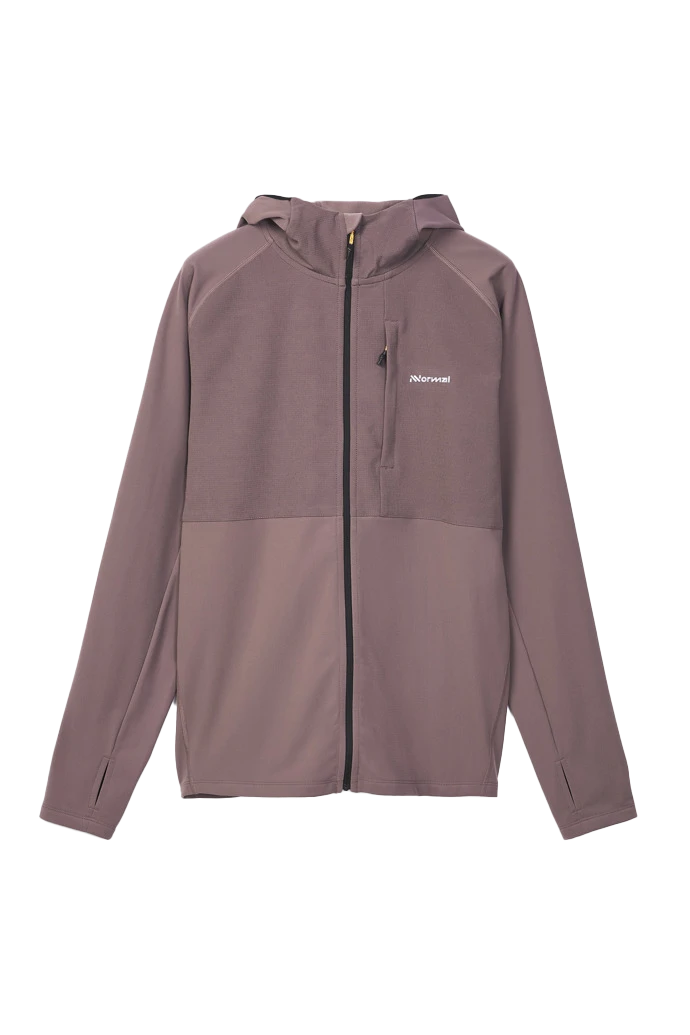
Softshell jackets, such as the Art no.2607 model, offer a strategic middle ground. By using a shell of 96% polyester and 4% lycra bonded with super soft velvet, these garments provide four-side elasticity. This is particularly valuable for women's ski wear where a tailored fit is required for aerodynamics and aesthetic appeal, while the integrated TPU membrane ensures that the wearer is protected from wind and light precipitation.
Ergonomic Fit and Mobility
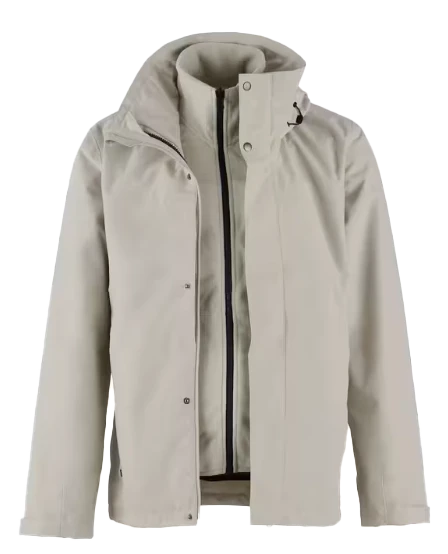
A common failure in low-cost apparel is the lack of ergonomic consideration. High-value designs incorporate features like inner elastic cuffs with thumb holes to prevent heat loss and adjustable cuffs with velcro to seal out snow. A round back bottom design prevents the jacket from riding up during movement, which is essential for maintaining the thermal seal around the waist area during active skiing or hiking.
Sustainable Material Options
Market trends in Europe and North America are shifting toward sustainability. The implementation of GRS (Global Recycled Standard) certified fabrics allows brands to offer 100% recycled jackets. This not only appeals to the eco-conscious consumer but also aligns with strict environmental regulations in key export markets like Germany and France, adding intangible value to a "cheap" price point by improving brand ethics.
Evaluating OEM Manufacturing Quality
For B2B procurement, the difference between a quality budget garment and a poor one lies in the OEM (Original Equipment Manufacturer) process. Key indicators of quality include the precision of the reverse zippers on side pockets and the stability of the color swatches across different batches. A supplier with over 30 years of experience in outdoor apparel typically has a more robust quality control system for inspection before shipment.
Cost-Efficiency in Bulk Procurement
Reducing the unit cost is primarily achieved through volume and material optimization. Standardizing size charts (S-XL) and limiting the number of custom colors per style can significantly lower production costs. By working with manufacturers who offer flexible MOQs for trial orders (e.g., starting from 5 pieces) and transitioning to bulk orders (600-1200 pieces), brands can test the market without incurring massive upfront risks.
FAQ
What is the difference between a softshell and a hardshell ski jacket?
Softshell jackets are designed for breathability and flexibility, usually featuring a bonded knitted fabric that is water-resistant and windproof. They are ideal for active movement and milder winter conditions. Hardshells are fully waterproof and windproof, typically using a non-stretch fabric with taped seams, making them essential for extreme snow, heavy rain, and severe alpine weather.
How can I ensure a low-cost ski jacket is actually waterproof?
Check for two specific technical features: a TPU membrane and taped seams. The membrane prevents water from passing through the fabric, while taped seams ensure that water doesn't leak through the needle holes created during sewing. Always ask for the hydrostatic head rating or GRS certifications if sustainability is also a requirement.
What are the typical MOQ requirements for custom OEM ski wear?
While bulk orders typically require 600 pieces per color and 1200 pieces per style, many experienced manufacturers offer flexibility for trial orders. Some may accept as few as 5 pieces to help new brands develop their prototypes and test market response before committing to large-scale production.
Which materials are best for women's ski wear that requires a slim fit?
A blend of polyester and lycra (e.g., 96% polyester, 4% lycra) is recommended. This combination provides the necessary stretch to accommodate a feminine silhouette without compromising the garment's ability to block wind and repel water, ensuring the wearer has a full range of motion during skiing.
Is it possible to get 100% recycled ski jackets for the European market?
Yes, many manufacturers can now supply jackets where both the shell fabric and the lining are 100% recycled. To verify this, ensure the supplier provides a GRS (Global Recycled Standard) certificate and can include the specific hang tags required for European customs and consumer transparency.
What features should I look for in a budget-friendly but professional ski jacket?
Prioritize functional hardware and ergonomic details: reverse zippers for pockets to prevent snow entry, adjustable cuffs with velcro, a detachable hood with toggles, and inner elastic cuffs with thumb holes. These features provide professional utility without significantly increasing the manufacturing cost.
References and further reading
- Global Recycled Standard (GRS) Certification Guidelines for Synthetic Textiles.
- Comparative Analysis of TPU vs. PTFE Membranes in Outdoor Sportswear.
- ISO Standards for Water Column and Breathability Testing in Apparel.