


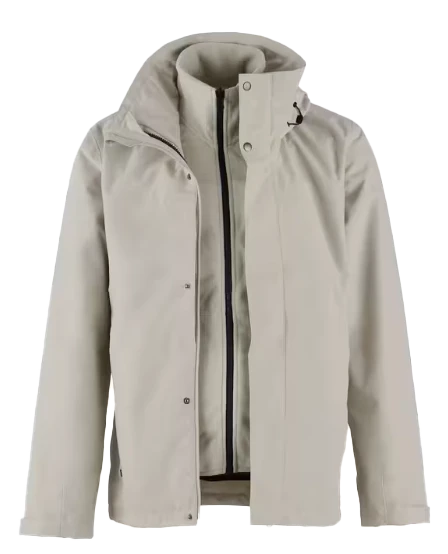





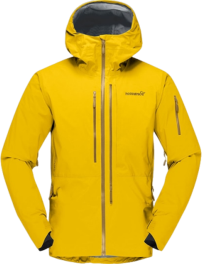

Selecting high-performance winter outerwear requires a balance between cost-efficiency and technical specifications. For businesses looking for cheap ski jackets womens, the objective is not merely to reduce price but to optimize the value proposition through strategic material selection and streamlined manufacturing. This guide examines the technical foundations of affordable yet durable ski apparel designed for the female demographic.
In the B2B apparel sector, the challenge lies in maintaining weather-resistant properties—such as windproofing and thermal insulation—while managing production costs. By analyzing fabric weights, filling materials, and construction techniques, procurement managers can identify where to save costs without compromising the safety and comfort of the end-user in alpine environments.
Readers will explore the critical components of ski jacket engineering, from taped-seam technology to the benefits of polyester-based shell fabrics. We will also provide a framework for evaluating OEM/ODM partners, ensuring that custom designs meet international standards for durability and functionality in autumn and winter seasons.
Analyzing Value in Women's Ski Outerwear
The economic value of women's ski apparel is determined by the intersection of fabric performance and manufacturing efficiency. To achieve a competitive price point, manufacturers often utilize 100% polyester shells, which offer a robust balance of abrasion resistance and water repellency. The "value" in these garments is derived from the ability to integrate essential features—such as detachable hoods and stand collars—into a standardized production flow. In the context of professional outdoor wear, affordability is achieved not by using inferior materials, but by optimizing the supply chain and selecting fabrics that provide the necessary protection for hiking, camping, and skiing without the premium cost of exotic high-end membranes. Effective procurement focuses on the "functional minimum"—ensuring the jacket is windproof and warm while eliminating unnecessary design redundancies that drive up the unit price.
Strategic Procurement for Performance Apparel
When sourcing outdoor gear, buyers must evaluate technical specifications against the intended use case. A jacket designed for casual leisure differs significantly from one intended for professional trekking. The following analysis breaks down the seven core dimensions of procurement for female-centric winter outerwear.
Material Engineering and Thermal Regulation
The choice of shell and lining materials directly impacts the garment's breathability and warmth. Using polyester or nylon allows for various weights, typically ranging from 40gsm to 450gsm depending on the required thickness. For affordable lines, 100% polyester is the industry standard due to its versatility and cost-effectiveness. The thermal efficiency is further enhanced by the padding material, where cotton or synthetic polyester fills are used to trap heat effectively.
| Fabric Type | Primary Property | Application | Cost Impact |
|---|---|---|---|
| 100% Polyester | Hydrophobic/Durable | Main Shell | Low to Medium |
| Nylon | High Tensile Strength | High-Stress Areas | Medium |
| Polyester Filling | Thermal Retention | Insulation Layer | Low |
| Bonded Fabric | Wind Resistance | Soft Shells | Medium |
| Taped Seams | Waterproof Barrier | Professional Gear | Medium |
| Rib Band Piping | Cold Air Prevention | Cuffs/Collar | Low |
Waterproofing and Seam Technology
True weather protection depends on how the fabric is treated and joined. Taped-seams series are essential for preventing moisture ingress at the stitching points. For budget-conscious projects, a combination of a DWR (Durable Water Repellent) coating and strategic seam sealing provides sufficient protection for most leisure activities. Ensuring the outer texture is wear-resistant and moisture-resistant is the primary goal for any winter parka.
Ergonomic Fit and Mobility Standards
Women's ski jackets must accommodate a wider range of motion. A critical procurement check is ensuring the jacket is not too tight, which would limit movement and compress the insulation, reducing warmth. Sleeves should be slightly longer than the wrist when the arm is extended upward, and elastic cuffs are necessary to prevent snow from entering the sleeves. An upright high-collar opening is required to block cold air from the neckline.
Insulation Density and Weight Trade-offs
The thickness of the jacket determines its temperature rating. Using various padding weights allows for the creation of different product lines, from lightweight spring wear to heavy-duty winter coats. Buyers should consider the "warmth-to-weight" ratio; while thicker padding increases heat retention, it can reduce mobility. Detachable linings provide an added value, allowing the garment to be converted into a single-layer shell for milder weather.
Customization and OEM Branding Logic
For B2B clients, OEM and ODM services are the primary vehicles for market differentiation. Customization options include fabric selection, specific color swatches, and tailored size charts (e.g., UK 12 to UK 18). Integrating custom logos and labels allows brands to maintain identity while leveraging the manufacturing expertise of a specialized factory. Technical packs (tech packs) should be used to communicate precise requirements for piping, zippers, and concealed hoods.
Quality Control in Mass Production
Consistency is the biggest risk in large-scale apparel production. A strict quality control system must encompass material selection, product development, and pre-shipment inspection. Key check-points include the integrity of the printed shell fabric, the functionality of the side zipper pockets, and the security of the concealed zipper around the collar. Ensuring every unit meets the customer's standard is vital for long-term business relationships.
Supply Chain and Lead Time Optimization
Procurement timelines must account for sample approval and mass production. A typical process begins with a sample order, followed by cost confirmation and tech pack review. To optimize costs, buyers should align their MOQ (Minimum Order Quantity) with the factory's capacity—often around 50-600 pieces per color. Efficient packaging (e.g., 20 pieces per outer carton) further reduces shipping costs and streamlines logistics for global distribution.
FAQ
What materials are most cost-effective for women's ski jackets?
100% Polyester is generally the most cost-effective material for shells and linings. It offers a strong balance of windproofing, water resistance, and durability. When combined with synthetic polyester padding, it provides necessary warmth for autumn and winter without the high cost associated with premium down or specialized membranes.
How should the fit be evaluated for ski outerwear?
Ski jackets should have a relaxed fit to ensure they do not limit movement. Key indicators include sleeves that extend slightly beyond the wrist when arms are stretched upward and the presence of elastic cuffs. The neckline should be a high, upright collar to prevent cold air ingress, and the overall sizing should follow a precise size chart to avoid being too tight.
What is the difference between OEM and ODM in apparel manufacturing?
OEM (Original Equipment Manufacture) involves producing garments based on the customer's specific designs and tech packs. ODM (Original Design Manufacture) is when the manufacturer provides the design and the customer chooses from existing styles or requests modifications. Both services allow for custom logos, colors, and sizing to meet brand requirements.
What are the essential technical features for a winter parka?
Essential features include a windproof and waterproof shell, a detachable hood for versatility, and thermal padding. From a construction standpoint, taped seams are critical for waterproof integrity, and concealed zippers protect the closure from snow and wind. High-quality lining materials ensure breathability and warmth.
How can I start a custom order for ski jackets?
The process typically starts in two ways: either by selecting an existing style from the manufacturer's catalog and adding your brand artwork, or by sending an original sample and tech pack. Once the design, materials, and size charts are confirmed, a sample is produced for approval before moving to mass production and final shipment.
What typical MOQs should B2B buyers expect?
Minimum Order Quantities vary by supplier, but for specialized outdoor wear, they often range from 50 pieces for some custom services to 600 pieces per color for large-scale production. These minimums ensure that the factory can source the required fabric quantities and optimize the production line for cost-efficiency.
References and further reading
- International Standards for Cold Weather Protective Clothing - Material Performance Guidelines.
- Textile Engineering Handbook: Properties of Synthetic Polyester and Nylon in Outdoor Apparel.
- Global Supply Chain Logistics for B2B Apparel Procurement and OEM Standards.