








Buy High Quality and Cheap Womens Puffer Jackets Online
Finding high-quality outerwear that balances cost-efficiency with thermal performance is a primary challenge for apparel distributors and retail buyers. While the market is flooded with options, the technical gap between entry-level garments and professional-grade winter wear often defines the long-term value for the end consumer. For those searching for cheap womens puffer jackets, the real objective is usually "value optimization"—securing a product that maintains heat retention and structural integrity without an exorbitant price tag.
From a manufacturing perspective, achieving this balance requires strategic material selection and streamlined production. Whether it is for corporate uniforms, promotional outdoor gear, or retail collections, the integration of durable polyester blends and precision quilting allows for competitive pricing without compromising on the essential windproof and insulating properties required for cold-climate utility. Understanding the interplay between fabric GSM, padding density, and OEM capabilities is key to successful procurement in the woven garment industry.

Analyzing Material Composition and Thermal Insulation Standards in Modern Outerwear
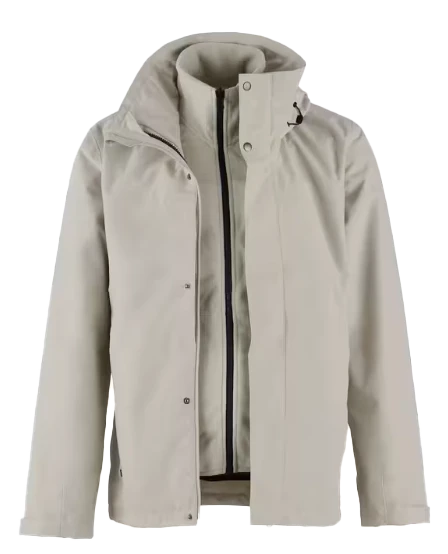
The efficacy of any insulated jacket depends heavily on the shell material and the internal padding. In professional garment manufacturing, the use of polyester blends is standard due to their inherent moisture resistance and durability. A typical high-performance shell often utilizes a weave that prevents wind penetration while allowing a degree of breathability to avoid internal condensation. This is critical for garments intended for trekking, hiking, or leisure activities where the wearer's activity level fluctuates.
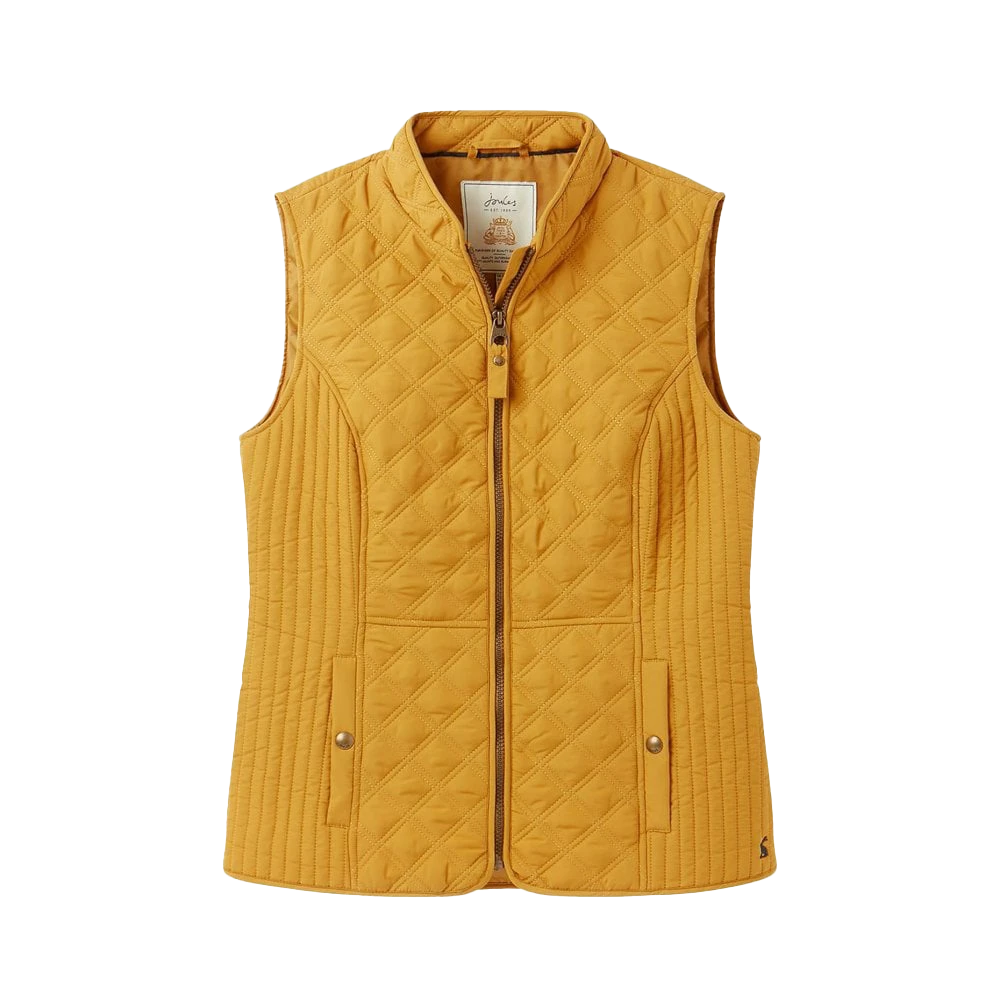
Insulation, the core of the "puffer" effect, relies on quilted padding. By stitching the outer shell to a lining with synthetic fill in between, manufacturers create pockets of trapped air that serve as thermal barriers. The weight of the fabric, ranging from 40gsm to 450gsm, determines the jacket's suitability for different seasons. Lightweight padding is ideal for transitional autumn wear, while high-density quilted series are designed for sub-zero temperatures, ensuring the wearer remains warm through stagnant air insulation.
- Shell Fabrics: High-denier polyester for abrasion resistance.
- Padding Logic: Synthetic fibers that mimic down for hypoallergenic warmth.
- Seam Integrity: Taped-seams technology for enhanced water resistance.
- Lining: Bonded or knitted layers for added internal comfort.

Strategic OEM and ODM Customization for Global Apparel Brands
For B2B buyers, the ability to customize a product to match a specific brand identity is as important as the product's technical specs. OEM (Original Equipment Manufacture) services allow clients to provide tech packs and samples, which the factory then replicates with precision. This ensures that sizing charts, color swatches, and material weights are exactly aligned with the client's market positioning. ODM (Original Design Manufacture) goes a step further, where the manufacturer's design team proposes new styles based on global fashion trends.
Customization extends beyond the fabric. Brand owners can specify everything from custom labels and logos to specialized packaging requirements. For instance, while standard packing might be 20 pieces per outer carton, custom requests for individual polybags with swing tickets can be implemented to facilitate immediate retail distribution. This end-to-end control from material selection to final shipment is what allows a brand to scale its product line efficiently across different international markets, including Europe and North America.
Operational Application: Matching Outerwear Specifications to User Environments
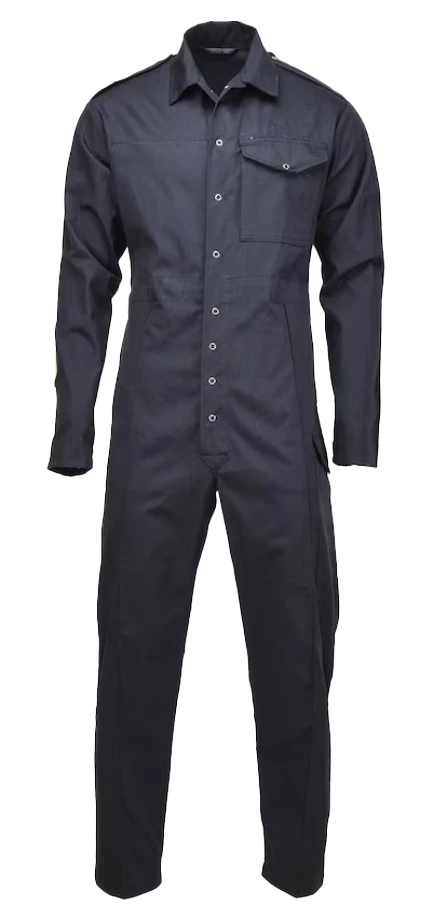
The application of insulated outerwear varies significantly depending on the intended use case. A leisure jacket focuses on aesthetic appeal and moderate warmth, whereas professional workwear or outdoor gear for skiing and trekking demands higher technical standards. For instance, garments used in industrial or medical settings—such as hospital uniforms—prioritize anti-shrinkage and high color fastness to withstand frequent high-temperature laundering, a different requirement than the windproof needs of a puffer jacket.
When procuring for a specific demographic, buyers must consider the "functional environment." A jacket designed for urban commuting requires a sleek profile and water-repellent finish, while a garment for high-altitude hiking requires reinforced stress points and advanced thermal padding. By aligning the product's technical characteristics—such as the use of soft shell series or quilted padding—with the actual operational challenges of the end-user, companies can reduce return rates and increase customer satisfaction.
Outerwear Specification and Procurement Evaluation Matrix
| Feature Category | Entry-Level/Budget | Mid-Range Performance | Professional/Technical | Procurement Impact |
|---|---|---|---|---|
| Shell Material | Standard Polyester | Water-Resistant Blend | Taped-Seams/Softshell | Durability & Weatherproofing |
| Padding Density | Low (Lightweight) | Medium (Seasonal) | High (Heavy Duty) | Thermal Retention Grade |
| Customization | Logo Only | Custom Color/Size | Full ODM Tech Pack | Brand Differentiation |
| Market Target | Mass Retail | Specialty Outdoor | Professional/Industrial | Price Point Alignment |
| Production Lead | Standard Cycle | Flexible/Adjustable | Strict QC Timeline | Supply Chain Stability |
Quality Control Systems in Large-Scale Woven Garment Manufacturing
Consistency is the most critical factor in large-scale textile exports. A rigorous quality control (QC) system ensures that the first piece off the line is identical to the ten-thousandth. This process begins with raw material inspection—verifying the GSM of the fabric and the purity of the synthetic fill. During production, in-line inspections check for stitching precision and alignment of the quilted baffles, which prevents the padding from shifting and creating "cold spots" in the garment.
Final inspections before shipment involve checking for color consistency across different batches and verifying that all custom labels and logos are correctly positioned. For exporters serving the UK, Germany, France, and Canada, meeting international standards for eco-friendly materials and non-toxic dyes is mandatory. A complete cost control system, integrated with quality checks, ensures that the final product remains competitive in price while adhering to the strict quality requirements of global brands.
Future Trends in Sustainable and Functional Winter Wear Procurement
The apparel industry is shifting toward a "functional sustainability" model. Buyers are increasingly seeking materials that are not only durable but also eco-friendly. This includes the adoption of recycled polyester and biodegradable padding materials. The trend is moving away from fast-fashion cycles toward long-lasting, multi-functional garments that can transition between different climate zones, reducing the overall environmental footprint of the consumer's wardrobe.
Furthermore, the integration of digital design tools in the ODM process is accelerating product development. The ability to visualize a garment in 3D before a physical sample is produced reduces waste and shortens the time-to-market. For procurement managers, the focus is shifting toward suppliers who can offer a diverse product line—from lightweight knitted layers to heavy taped-seams jackets—under a single quality management umbrella, simplifying the supply chain and ensuring cohesive product quality across a brand's entire winter collection.
Frequently Asked Questions Regarding Winter Outerwear Sourcing
What is the difference between OEM and ODM services for jackets?
OEM (Original Equipment Manufacture) is when a factory produces a jacket based on your specific designs, tech packs, and material requirements. ODM (Original Design Manufacture) is when the factory uses its own design expertise to create a product that you then brand as your own, which is ideal for buyers who want trend-driven styles without having an in-house design team.
How do I determine the right fabric GSM for a puffer jacket?
Fabric GSM (grams per square meter) determines the thickness and weight. For lightweight spring or autumn jackets, lower GSM fabrics are used. For heavy winter puffer jackets, higher GSM shells combined with dense quilted padding are required to ensure windproofing and heat retention.
Can we customize the sizing chart for different regional markets?
Yes, professional manufacturers can follow your specific size charts to ensure the fit is appropriate for your target market, whether it be for North American, European, or Asian sizing standards.
What quality checks should I expect before shipment?
Expect a strict QC process including material verification, seam strength testing, color fastness checks, and a final piece-by-piece inspection to ensure labels, logos, and packaging meet your specifications.
What are the most common materials used for windproof puffer jackets?
Most windproof puffer jackets utilize a high-density polyester or nylon shell, often treated with a water-repellent finish, paired with synthetic polyester padding for insulation and a soft polyester or knitted lining for comfort.
What is the typical MOQ for customized outerwear orders?
MOQ (Minimum Order Quantity) varies depending on the complexity of the customization and the fabric availability, but it typically starts from 50 to 100 sets for customized designs.
Industry Technical References
- ISO Standards for Textile Quality and Testing
- Global Textile Industry Trends and Material Innovations
- World Trade Organization - Textile and Clothing Regulations
- Apparel Sourcing and Manufacturing Best Practices
Selecting the right manufacturing partner is the most critical step in delivering a high-value winter collection. By focusing on material specifications, rigorous QC, and flexible OEM/ODM capabilities, brands can ensure their outerwear meets the demanding needs of the global market.
Related Industry Insights