

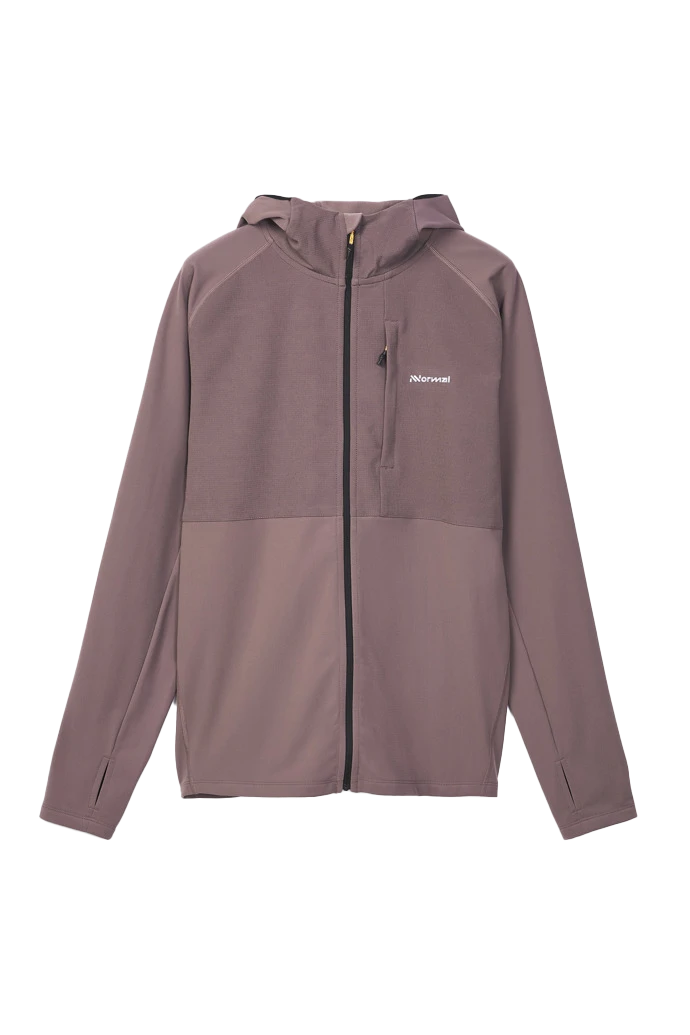

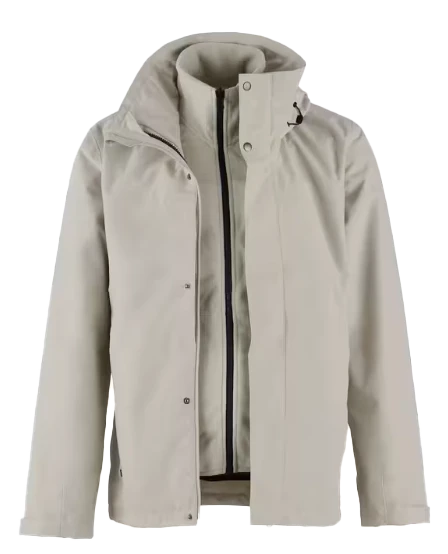
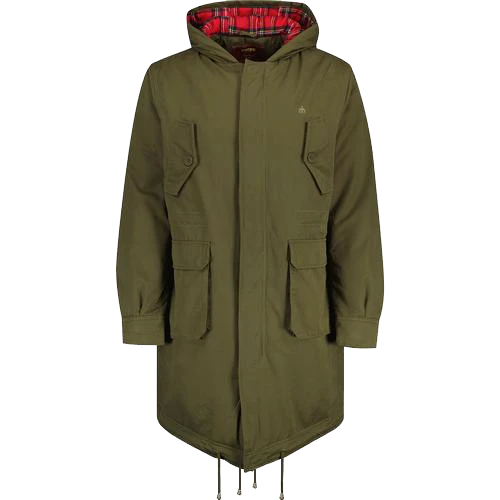
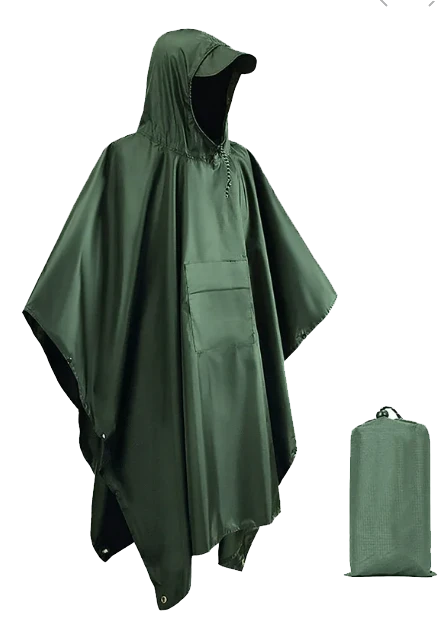
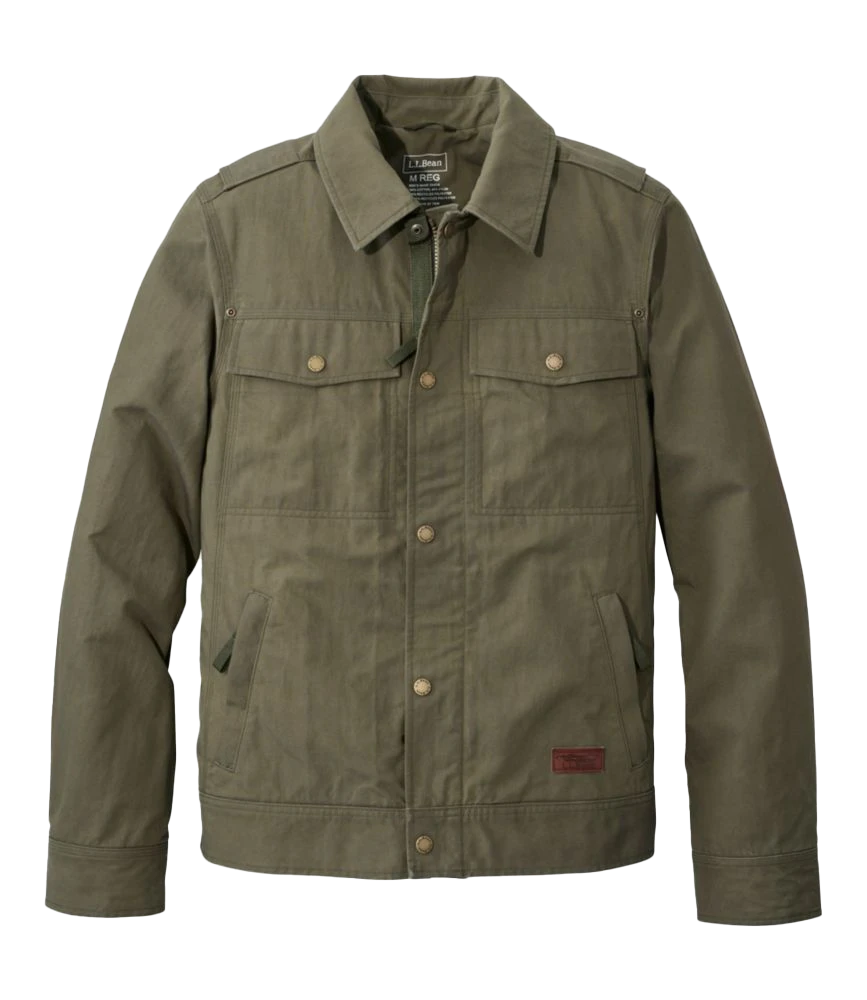


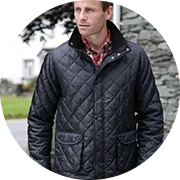


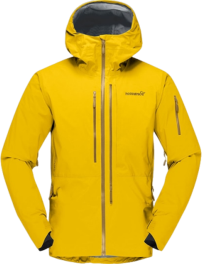

Selecting the right cold-weather gear requires a balance between thermal insulation, mobility, and brand identity. For B2B procurement in the outdoor apparel sector, the women's custom embroidered fleece lined outrigger jacket represents a specialized solution designed for extreme environments, combining a rugged exterior with high-efficiency interior heating. This article examines the technical specifications and procurement logic required to source high-performance winter outerwear.
In the current professional apparel market, the demand has shifted toward garments that offer both utility and aesthetic customization. Whether for corporate uniforms, sports teams, or outdoor workwear, the integration of durable shell fabrics and customized branding through embroidery ensures that the garment serves as both a protective layer and a marketing tool. Understanding the relationship between fabric GSM, lining materials, and stitching techniques is critical for buyers to ensure longevity and user comfort.
Readers will explore the essential criteria for evaluating winter jacket suppliers, from material composition (such as 100% polyester shells) to the nuances of OEM/ODM service models. We will provide a technical breakdown of how fleece linings and quilted padding work together to maintain core body temperature, along with a strategic framework for managing custom orders and size charts to minimize procurement risks.
Technical Foundations of Winter Outerwear
High-performance winter jackets are engineered as multi-layer systems designed to manage heat, moisture, and external elements. The primary objective is to create a microclimate around the body. This is achieved through a three-part architecture: the outer shell, the insulation layer, and the inner lining. The outer shell typically employs woven polyester with waterproof and breathable treatments to block wind and rain while allowing internal vapor to escape. The insulation layer, often consisting of quilted padding or down cotton, traps air pockets that act as thermal barriers.
For professional-grade apparel, the "outrigger" style emphasizes a specific cut that provides maximum protection for the torso and arms while allowing for a range of motion necessary for hiking, trekking, or industrial work. The efficacy of these garments is measured by their ability to resist water penetration without sacrificing breathability. When sourcing these items, procurement officers must analyze the fabric weight—ranging from lightweight 40gsm to heavy-duty 450gsm—to ensure the jacket is appropriate for the target climate, whether it be a mild autumn or a severe winter.
Customization Guide for Professional Outrigger Jackets
Moving from a standard garment to a customized corporate or team solution requires precise coordination between design requirements and manufacturing capabilities. A successful custom project focuses on the synergy between functional textiles and brand-specific detailing.
Fabric Engineering and Thermal Retention
The choice of shell material directly impacts the garment's durability and protective qualities. For winter sports and outdoor activities, 100% polyester woven fabrics are preferred for their strength-to-weight ratio. The quilted structure ensures that the filling material remains evenly distributed, preventing "cold spots" where insulation might migrate over time.
| Material Component | Technical Property | Practical Benefit | Buyer's Checkpoint |
|---|---|---|---|
| 100% Polyester Shell | Hydrophobic & Durable | Water resistance & longevity | Check GSM for thickness |
| Down Cotton Padding | High Loft / Low Weight | Superior heat trapping | Verify fill distribution |
| Fleece Lining | High Surface Area | Immediate warmth/softness | Check pilling resistance |
| Taped Seams | Air/Water Tight | Zero leakage at joints | Inspect seam consistency |
| Stand Collar | Wind Blockage | Protects neck area | Verify elastic fit |
| YKK/Heavy Duty Zipper | High Cycle Life | Reliable closure in cold | Test smooth operation |
Embroidery and Brand Integration
Custom embroidery provides a premium feel compared to screen printing, especially on textured fabrics like polyester. For a professional finish, embroidery must be executed with high stitch density to prevent puckering of the shell fabric. This process allows brands to integrate logos on the chest, sleeves, or back, transforming a functional jacket into a corporate identity piece. Using a tech pack ensures that color swatches match the corporate brand guidelines exactly.
Fleece Lining and Moisture Management
Fleece lining is essential for "outrigger" style jackets as it provides an immediate thermal sensation and wicks moisture away from the skin. Unlike standard polyester linings, fleece creates a soft buffer that increases the comfort level during active movements. When specifying the lining, buyers should consider the weight of the fleece to ensure it does not add excessive bulk, which could hinder the wearer's mobility.
Ergonomic Design for Women's Fit
Proper fitting is a critical success factor in B2B apparel. Women's professional outerwear must account for different anatomical proportions compared to unisex designs. This includes adjusted chest-to-waist ratios and specific sleeve lengths. Utilizing a detailed size chart (from XS to 5XL) and offering custom size adjustments ensures that the final product is inclusive and comfortable for a diverse workforce.
Waterproofing and Breathability Standards
The effectiveness of a winter jacket is often measured by its ability to handle moisture. A waterproof shell prevents external rain and snow from soaking the insulation, which would otherwise lead to rapid heat loss. Simultaneously, breathability ensures that perspiration vapor can exit the garment. This balance is achieved through specialized coatings or membranes that are essential for activities like hiking or trekking.
Customization Lead Times and MOQ
Procurement managers must align their order timelines with factory production cycles. For custom orders involving specific embroidery and fabric colors, Minimum Order Quantities (MOQ) often apply—for example, 50 to 600 pieces depending on the level of customization. Understanding the step-by-step process—from material selection and sample approval to final inspection and shipping—is vital for avoiding supply chain delays.
Supply Chain Quality Assurance
To ensure consistency across large batches, a strict quality control system is necessary. This includes inspecting fabric batches for color consistency (lab dips), verifying the strength of the embroidery, and testing the waterproof capabilities of the shell. Partnering with a manufacturer with extensive experience in the North American and European markets ensures that the products meet international quality and safety standards.
FAQ
What is the difference between OEM and ODM for custom jackets?
OEM (Original Equipment Manufacture) is when a company produces a jacket based on the buyer's specific designs and tech packs. ODM (Original Design Manufacture) is when the manufacturer provides existing designs and templates that the buyer then customizes with their own logos or colors. OEM offers total control over the product, while ODM is generally faster and more cost-effective for those without a dedicated design team.
How do I choose the right GSM for a winter jacket shell?
GSM (Grams per Square Meter) indicates fabric density. For lightweight spring or autumn wear, 40-150gsm is typical. For heavy winter jackets designed for extreme cold, 300-450gsm is recommended to provide better wind protection and durability. The choice depends on the intended environment: higher GSM offers more protection but increases the weight and stiffness of the garment.
Can the fleece lining be customized for different warmth levels?
Yes, warmth levels can be adjusted by changing the weight and type of fleece. Thicker, high-pile fleece provides maximum insulation for freezing temperatures, while a thinner, bonded fleece is better for transitional weather. Buyers can specify the lining material during the product development phase to match the specific climate needs of their end-users.
What are the most common mistakes in B2B apparel procurement?
Common mistakes include neglecting to request a physical sample before mass production, failing to provide a detailed size chart, and ignoring the lead time for custom embroidery. To avoid these, buyers should implement a strict approval process for samples and ensure that all technical specifications, including Pantone colors for logos, are documented in a tech pack.
Is 100% polyester the best choice for professional outdoor jackets?
For most B2B and industrial applications, 100% polyester is the ideal choice due to its inherent durability, resistance to shrinking, and ability to be treated for waterproofing and breathability. It is also more cost-effective and easier to maintain than natural fibers in harsh outdoor environments, making it the standard for high-volume professional outerwear.
How is the quality of custom embroidery verified?
Quality is verified by checking the stitch density (to ensure no gaps in the logo), the tension of the threads (to ensure the fabric isn't puckered), and the color accuracy against the provided swatches. A pre-production sample is the most reliable way to verify that the embroidery meets brand standards before the full order is processed.
References and further reading
- International Standards for Waterproof and Breathable Textiles (ISO/ASTM).
- Textile Engineering Handbook: Thermal Insulation and Moisture Management in Synthetic Fibers.
- B2B Apparel Sourcing Guide: Managing OEM/ODM Supply Chains in Asia.