

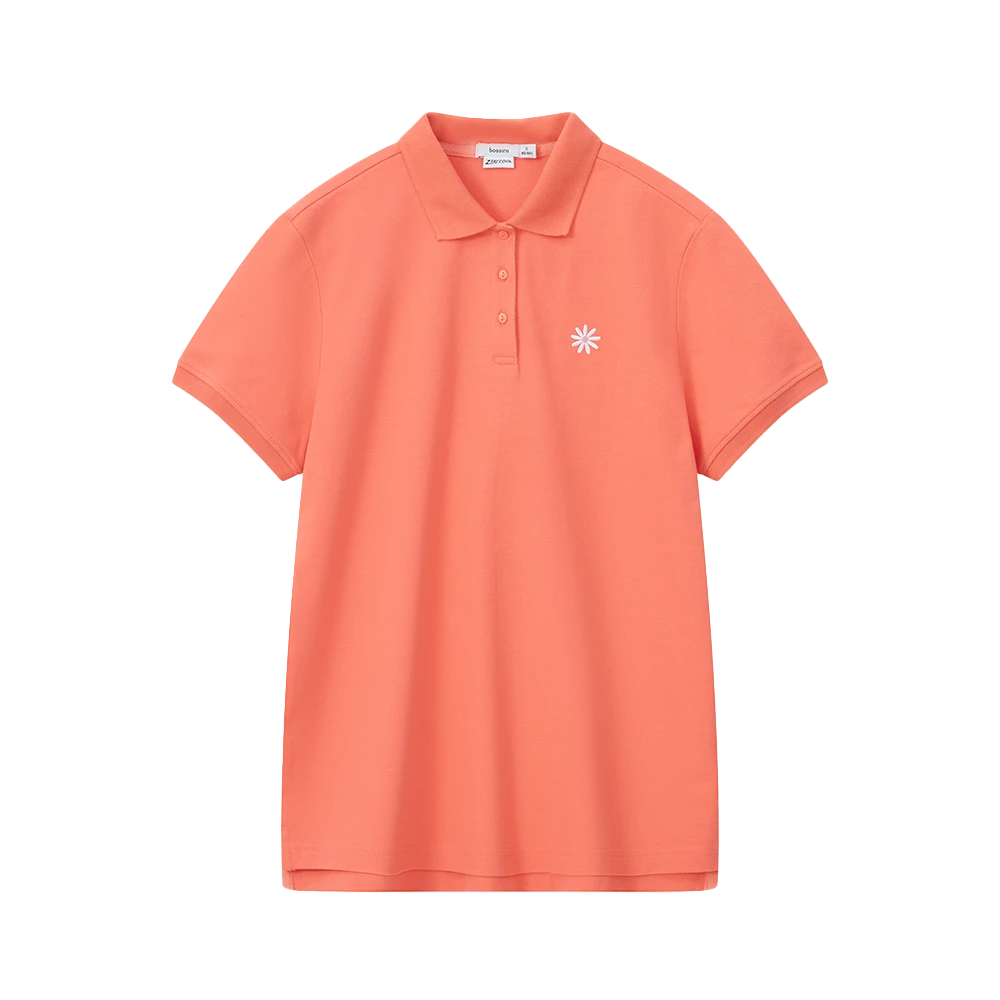

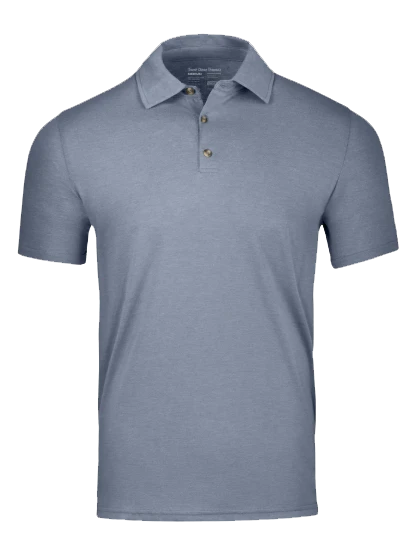







Selecting the right corporate attire requires a balance between professional aesthetics and functional comfort. When businesses look to buy womens polo shirts, they are typically seeking a versatile garment that bridges the gap between formal office wear and casual uniforms. These garments serve as a primary touchpoint for brand identity while ensuring employees remain comfortable during various operational tasks.
In the B2B apparel sector, the focus shifts from individual fashion to scalable quality and consistency. For procurement managers, the challenge lies in sourcing materials that resist shrinkage and fading while maintaining a feminine fit that does not compromise professionalism. The integration of OEM (Original Equipment Manufacture) and ODM (Original Design Manufacture) services allows companies to tailor every detail, from the fabric weight to the specific placement of corporate logos.
This guide explores the critical technical specifications and procurement strategies necessary for acquiring high-quality women's professional polos. Readers will gain insights into fabric selection, customization processes, and supplier evaluation criteria to ensure long-term value and brand alignment in their corporate wardrobe investments.
Commercial Guide for Women's Corporate Apparel
The transition toward "smart-casual" in corporate environments has increased the demand for high-performance knitted apparel. Unlike standard t-shirts, the professional polo is defined by its structured collar and placket, offering a polished look suitable for client-facing roles. For organizations operating in diverse climates—from the temperate regions of Europe to the humid environments of Southeast Asia—the choice of fabric is the most significant determinant of employee satisfaction and garment longevity. Modern B2B sourcing now prioritizes "technical knits," which incorporate moisture-wicking properties and anti-shrinkage treatments to ensure that the uniform maintains its shape after repeated industrial laundering. By understanding the relationship between fabric GSM (grams per square meter) and seasonal application, buyers can optimize their budget while providing attire that supports the operational needs of their staff.
Procurement Factors for Professional Polos
When evaluating suppliers for corporate uniforms, procurement officers must look beyond the unit price and analyze the total cost of ownership, including durability and brand consistency. The following dimensions are critical for ensuring that the final product meets professional standards.
Material Composition and Breathability
The choice between 100% cotton, polyester blends, or performance fabrics depends on the usage scenario. Polyester-cotton blends (such as 65% polyester and 35% cotton) are often preferred for corporate settings because they offer a superior balance of softness and wrinkle resistance. These blends reduce the need for frequent ironing and maintain a crisp appearance throughout the workday, making them ideal for staff in hospitality or medical administration.
| Fabric Type | Key Property | Best Application | Buyer Consideration |
|---|---|---|---|
| 65/35 Poly-Cotton | Wrinkle Resistant | Daily Office/Medical | Check for breathability |
| 100% Combed Cotton | High Comfort | Executive/Premium | Monitor shrinkage rates |
| Performance Polyester | Moisture Wicking | Outdoor/Active | Assess skin-feel/texture |
| Pique Knit | Structured Look | Traditional Corporate | Evaluate fabric weight (GSM) |
| Interlock Knit | Smooth Surface | Modern Minimalism | Check opacity in light colors |
| Eco-friendly Blend | Sustainable | Green-certified Firms | Verify certification sources |
Customization and Branding Integration
Effective branding requires precise execution of logos and labels. Companies often choose between embroidery for a high-end, durable feel and screen printing for more complex, multi-colored designs. Professional OEM services ensure that the logo placement is anatomically correct for women's sizing, avoiding distortion across different chest sizes. Furthermore, custom labels and color-matched buttons can elevate a standard polo into a bespoke brand asset.
Fit and Ergonomic Design for Women
A common failure in B2B apparel is the "unisex" approach, which often results in a poor fit for women. Professional women's polos should feature contoured side seams and adjusted shoulder widths to provide a tailored silhouette. This not only improves the professional appearance but also increases comfort during movement, which is essential for roles involving active physical tasks or long hours of standing.
Color Fastness and Maintenance
Corporate identities rely on specific Pantone colors. High color fastness is mandatory to prevent the "washed-out" look after a few cycles of cleaning. Utilizing reactive dyes and high-quality finishing processes ensures that deep purples, blues, or corporate greens remain vibrant. Buyers should request samples to test the anti-shrinkage capabilities of the fabric before committing to a large-scale order.
Supply Chain and Lead Time Management
For large enterprises, the ability of a supplier to scale production is vital. A stable supplier network, such as those experienced in the North American and European markets, can manage the complexities of tiered shipping and customs. Establishing a clear timeline from tech-pack submission to final inspection prevents delays in uniform rollout, especially during seasonal transitions.
Quality Control Standards in OEM
Quality assurance should be implemented at every stage: from material selection and design to final shipping inspection. A rigorous QC system checks for stitching consistency, seam strength, and size chart accuracy. In an OEM environment, the goal is 100% consistency across thousands of pieces, ensuring that the first shirt produced is identical to the last.
Sustainability in Apparel Sourcing
Modern procurement is increasingly driven by ESG (Environmental, Social, and Governance) goals. Selecting eco-friendly materials and partners who employ ethical labor practices reduces corporate risk. This includes sourcing fabrics that use less water during dyeing or incorporating recycled polyester, aligning the corporate wardrobe with the company's sustainability commitments.
FAQ
What is the best fabric blend for women's professional polos?
For most corporate environments, a 65% polyester and 35% cotton blend is ideal. This combination provides the breathability of cotton with the durability and wrinkle-resistance of polyester, ensuring that the garment remains professional throughout a full shift without requiring constant pressing.
How can I ensure a consistent fit across different sizes?
The key is to provide a detailed size chart and request a pre-production sample. Professional manufacturers use specific patterns for women's cuts rather than shrinking men's patterns. Always verify the chest, waist, and shoulder measurements against your staff's requirements before mass production.
What are the advantages of OEM services for corporate uniforms?
OEM services allow you to customize every aspect of the garment, including fabric weight, specific colors, logo placement, and custom labeling. This ensures that the apparel perfectly matches your brand guidelines and operational needs rather than relying on off-the-shelf options.
How do I prevent logos from peeling or fading?
To ensure longevity, embroidery is recommended for corporate logos as it is more durable than printing. If printing is required, specify high-color fastness inks and professional curing processes. Always test the sample through several wash cycles to verify the bond strength.
What is the typical MOQ for B2B apparel orders?
Minimum Order Quantities (MOQ) vary by supplier, but for customized professional wear, it often starts around 50 to 100 sets. This allows the factory to efficiently set up the production line, source the specific fabric dyes, and maintain quality control across the batch.
Where can I find reliable suppliers for high-quality professional shirts?
Look for manufacturers with extensive experience in export markets like Europe and North America. Suppliers who offer both OEM and ODM services and have a transparent quality control system are generally more reliable. You can learn more about the general history of these garments via buy womens polo shirts.
References and further reading
- International Standards for Textile Testing and Quality Control (ISO)
- Global Corporate Apparel Procurement Guidelines 2024
- Technical Specifications for Poly-Cotton Blends in Professional Wear
Related Articles