


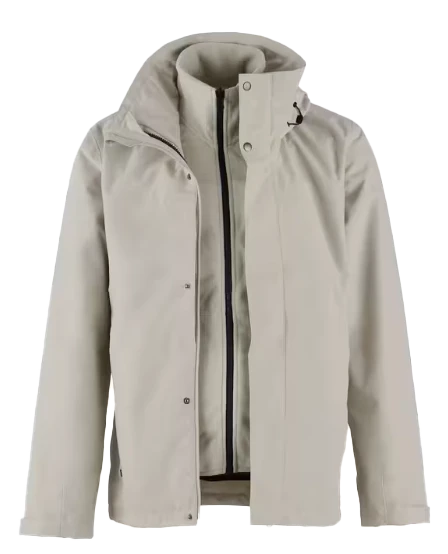
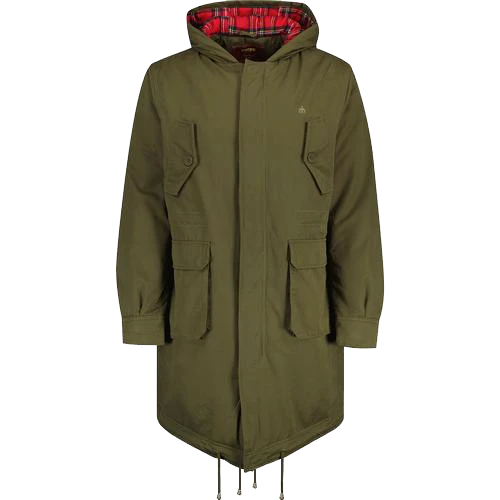
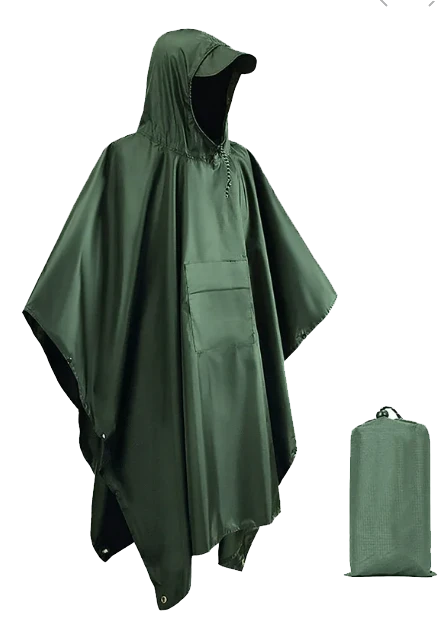
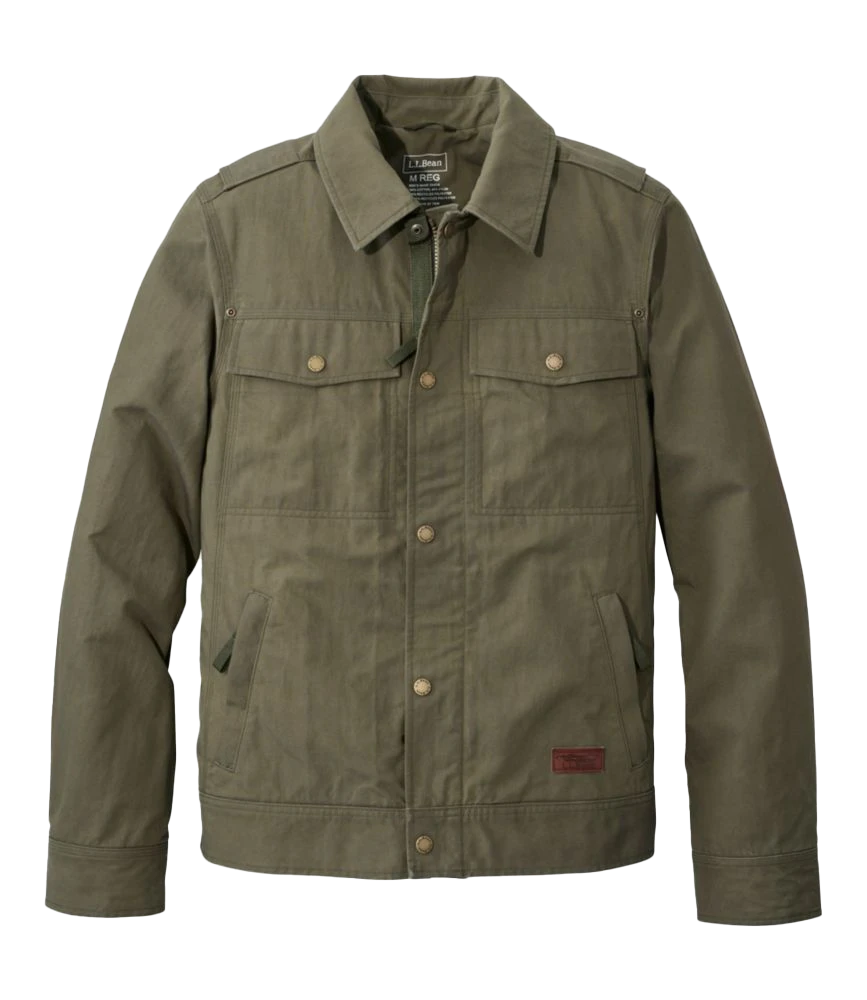


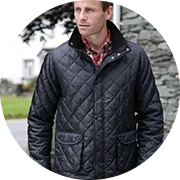


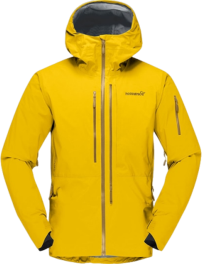

Windproof outerwear serves as a critical barrier between the wearer and unpredictable environmental elements, specifically designed to reduce convective heat loss by blocking air infiltration. For B2B buyers, understanding the technical nuances of wind-resistant fabrics is essential for creating products that meet specific athletic, industrial, or leisure requirements. This guide explores the engineering and procurement logic behind high-performance shells.
The global demand for specialized outerwear is shifting toward versatile, multi-functional garments that balance breathability with wind resistance. Whether sourcing for corporate uniforms, outdoor sports brands, or tactical gear, the selection of the right textile—ranging from lightweight polyesters to bonded softshells—determines the final product's efficacy in the field. A custom wind breaker must be engineered based on the target climate and user activity level to ensure optimal thermal regulation.
In this analysis, we provide a comprehensive framework for evaluating suppliers and specifications. Readers will learn how to differentiate between various shell materials, the importance of seam sealing, and how to structure OEM/ODM requirements to avoid common manufacturing errors. By focusing on technical evidence and procurement standards, businesses can optimize their supply chain for quality and consistency.
Foundations of Windproof Outerwear
The primary function of windproof clothing is to stop wind from penetrating the fabric, which prevents the "wind chill" effect from stripping body heat. Unlike waterproof gear, which focuses on hydrostatic head pressure, wind-resistant gear focuses on air permeability. High-performance shells typically utilize densely woven synthetic fibers, such as polyester or nylon, often treated with a Durable Water Repellent (DWR) finish to handle light precipitation. The engineering challenge lies in the "breathability paradox": the tighter the weave to block wind, the harder it is for internal moisture (sweat) to escape. Modern solutions involve using bonded membranes or specialized knitted fabrics that allow water vapor molecules to exit while keeping larger air currents out. In professional B2B manufacturing, this requires a precise balance of fabric weight (GSM) and weave density to ensure the garment is suitable for its intended season, such as autumn or spring transition wear.
B2B Procurement Guide for Windbreakers
Sourcing high-quality outerwear requires a shift from aesthetic evaluation to technical verification. When partnering with an OEM provider, buyers must define specifications that align with the end-user's operational environment. This involves a detailed review of material properties, construction methods, and customization capabilities to ensure the final shipment meets international quality standards.
Material Science & Shell Selection
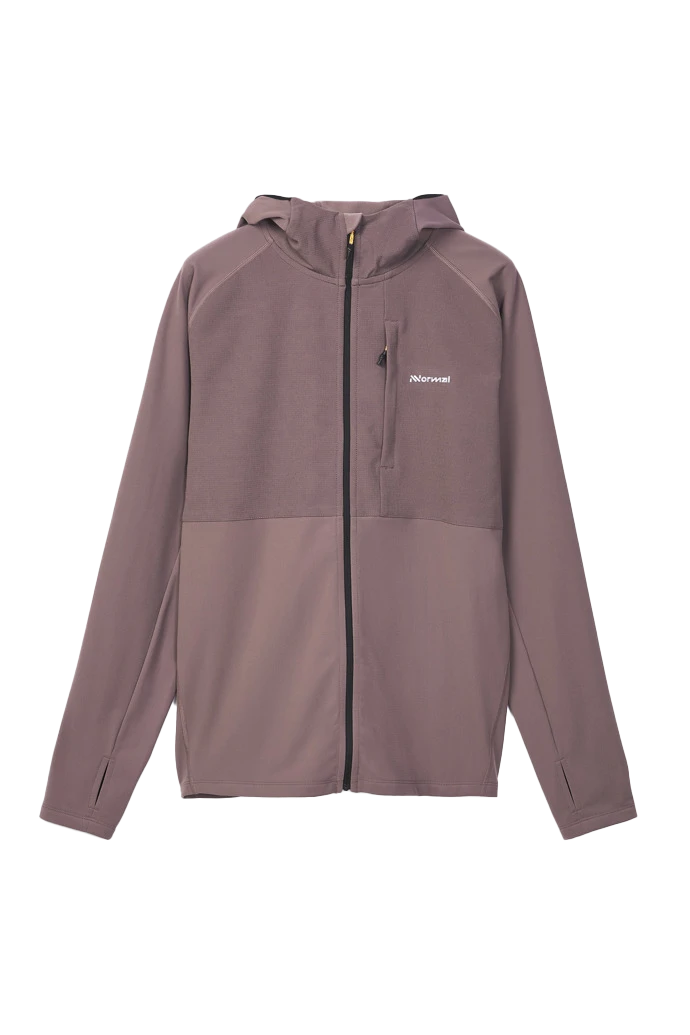
The choice of shell fabric dictates the garment's weight, durability, and protection level. Common options range from 100% polyester coarse needle knitted fabrics for casual warmth to 96% polyester and 4% lycra bonded fleece for active movements. Bonded fabrics offer a dual-layer advantage: an outer wind-blocking layer and an inner thermal or moisture-wicking layer.
| Fabric Type | Key Property | Ideal Application | Procurement Check |
|---|---|---|---|
| Polyester Taffeta | Lightweight/Windproof | Spring/Summer Shells | DWR Coating Quality |
| Bonded Softshell | Elasticity/Durability | Trekking & Hiking | Bonding Strength |
| Knitted Fleece | Thermal Insulation | Autumn Mid-layers | Anti-pilling Grade |
| Taped-Seams Nylon | Extreme Protection | Professional Mountaineering | Seam Pressure Test |
| Polyester Blend | Cost-Effective | Corporate Uniforms | Color Fastness |
| Lycra Bonded | Four-way Stretch | High-Activity Sports | Recovery Rate |
Performance Evaluation Criteria
Buyers should evaluate windproof garments based on a combination of air permeability and mechanical strength. Key metrics include the anti-pilling level, which ensures the fabric doesn't develop small balls of fiber after friction, and the breathability rating. For professional gear, the inclusion of a chin guard and reinforced elbow or shoulder guards—often using higher-denier softshell fabric—increases the product's lifecycle in abrasive environments.
Customization & Branding Options
Effective OEM services allow for deep customization beyond simple logo placement. This includes the ability to specify custom fabric weights (from 40gsm to 450gsm), bespoke size charts, and color swatches. Advanced branding options include custom labels, specialized zipper pulls, and tailor-made packaging (e.g., 20 pieces per outer carton) to streamline the client's distribution process.
Application Scenario Matching
A garment designed for leisure will fail in a professional trekking environment. For camping and hiking, the focus must be on moisture management and lightweight durability. For corporate or healthcare uniforms, the priority shifts toward ease of cleaning and a professional silhouette. Matching the fabric's technical specs to the specific use case prevents product returns and increases user satisfaction.
Quality Control Standards
Consistent quality is achieved through strict adherence to certifications such as ISO9001, CE, and GS. A robust QC process involves material inspection upon arrival, in-line stitching checks, and a final inspection before shipment. Special attention should be paid to zipper functionality and the consistency of bonded layers to prevent delamination over time.
Supply Chain & Lead Time
B2B procurement must account for sample development cycles, which typically range from 1 to 2 weeks. Understanding the Minimum Order Quantity (MOQ)—often around 600 pieces per color for custom runs—is vital for inventory planning. Efficient logistics, such as utilizing major ports like Tianjin, can significantly reduce transit times for North American and European markets.
Sustainability in Manufacturing
There is an increasing demand for eco-friendly materials in the outdoor industry. Sourcing sustainable polyesters or recycled fabrics reduces the environmental footprint without compromising wind-blocking capabilities. Suppliers who implement lean manufacturing and waste reduction in the cutting phase provide greater long-term value to brands targeting the conscious consumer.
FAQ
What is the difference between windproof and waterproof fabric?
Windproof fabric is designed specifically to stop air penetration, which prevents heat loss. Waterproof fabric goes a step further by blocking liquid water from entering the garment through a membrane or coating. While many windproof jackets have a DWR finish to repel light rain, they are not intended for heavy downpours unless they are specifically rated as waterproof.
How should I choose the right GSM for a wind-resistant jacket?
GSM (Grams per Square Meter) determines the weight and thickness of the fabric. For lightweight spring shells, a lower GSM is preferred for packability and breathability. For autumn or winter outerwear, a higher GSM or a bonded fabric (like softshell) is necessary to provide better wind blocking and thermal retention. The choice depends entirely on the target season and activity level.
What are the typical lead times for OEM outerwear samples?
Normally, it takes approximately 1 to 2 weeks to produce a physical sample. This period allows the manufacturer to source the specific fabric, adjust the size specifications according to the tech pack, and ensure the stitching matches the requested quality standards before bulk production begins.
Can I request custom colors for bulk orders?
Yes, customized colors are acceptable for bulk orders. Most professional suppliers can match specific Pantone colors or follow provided color swatches. However, custom dyeing may influence the MOQ and the overall production timeline compared to using standard available fabric colors.
What is a "bonded" fabric in the context of outdoor jackets?
Bonded fabric is created by fusing two or more layers of material together using heat or adhesive. For example, a polyester shell may be bonded to a fleece lining. This creates a single, cohesive material that combines the wind-blocking properties of the outer layer with the warmth and comfort of the inner layer, reducing the need for separate linings.
How is the price of a custom windbreaker determined?
Pricing is dependent on several technical factors: the type and weight of the fabric, the complexity of the styling (number of pockets, zipper types), size ranges, specific quality requirements (such as seam taping), and the total order volume. Suppliers generally provide quotes only after receiving a confirmed tech pack or detailed specifications.
References and further reading
- International Standards for Textile Testing: Air Permeability and Water Repellency.
- Guide to Synthetic Fiber Properties for Outdoor Performance Wear.
- OEM/ODM Manufacturing Process Standards for Technical Apparel.