









Selecting the right high-performance outerwear for winter sports requires a balance between thermal insulation, moisture management, and mobility. Whether for professional athletes or leisure enthusiasts, the technical specifications of a jacket determine its efficiency in extreme cold and wet environments. This guide explores the critical factors involved in sourcing and designing professional-grade winter apparel.
In the competitive B2B apparel market, procurement managers must look beyond aesthetics to evaluate the structural integrity of garments. From the choice of nylon density to the precision of taped seams, every detail impacts the end-user's experience. Understanding these technicalities is essential for those looking to buy womens ski jacket options that meet rigorous international standards for outdoor activity.
Readers will discover how to analyze fabric weights, evaluate waterproofing levels, and assess the value of OEM/ODM services in creating a distinct brand identity. By focusing on the intersection of material science and ergonomic design, this analysis provides a framework for making informed procurement decisions that ensure long-term product durability and user satisfaction.
Technical Requirements for Winter Sport Outerwear
Winter sport outerwear serves as a primary barrier between the human body and hostile environmental conditions. The fundamental requirement is the management of three distinct factors: external precipitation, internal perspiration, and wind penetration. A professional jacket must utilize a multi-layer system where the outer shell provides a durable, water-repellent shield, while the inner layers manage moisture transport to prevent hypothermia. In the manufacturing process, the use of high-grade nylon (often ranging from 40gsm to 450gsm) allows for a spectrum of protection, from lightweight spring layers to heavy-duty insulated coats. Furthermore, the integration of taped seams is critical; without this, water can penetrate through the stitching, compromising the jacket's thermal properties. Modern engineering now focuses on "breathability," ensuring that while liquid water is kept out, water vapor from sweat can escape, maintaining a dry microclimate against the skin.
Professional Selection Guide for Performance Jackets
Evaluating a supplier's capability requires a deep dive into their technical execution and material sourcing. The following analysis breaks down the seven core dimensions of quality and performance for professional winter outerwear.
Material Composition and Fabric Weight
The choice of fabric determines the jacket's lifespan and performance. High-density nylon is preferred for its abrasion resistance and lightweight nature. Depending on the target environment, fabric weights must be adjusted; for instance, a lightweight puffer may use thinner shells to prioritize packability, whereas a technical ski shell requires heavier, reinforced fabrics to withstand friction against snow and ice.
| Fabric Type | Weight Range | Primary Benefit | Recommended Use |
|---|---|---|---|
| Lightweight Nylon | 40-120gsm | Extreme Portability | Mid-layers / Spring |
| Medium Shell | 120-250gsm | Balanced Durability | Hiking / Trekking |
| Heavy-duty Nylon | 250-450gsm | High Abrasion Resistance | Professional Skiing |
| Bonded Fabric | Variable | Enhanced Structure | Soft-shell Outerwear |
| Quilted Padding | Variable | Maximum Heat Retention | Deep Winter/Alpine |
| Taped-Seam Fabric | Variable | Absolute Waterproofing | Heavy Snow/Rain |
Waterproofing and Wind-Resistance Mechanisms
True waterproofing is achieved through a combination of DWR (Durable Water Repellent) coatings and internal membranes. The critical failure point in many jackets is the seam; therefore, the application of waterproof tape over every stitch is a non-negotiable requirement for alpine gear. Wind-resistance is typically handled by the weave density of the nylon, which prevents cold air from stripping away the body's heat layer.
Thermal Regulation and Insulation Types
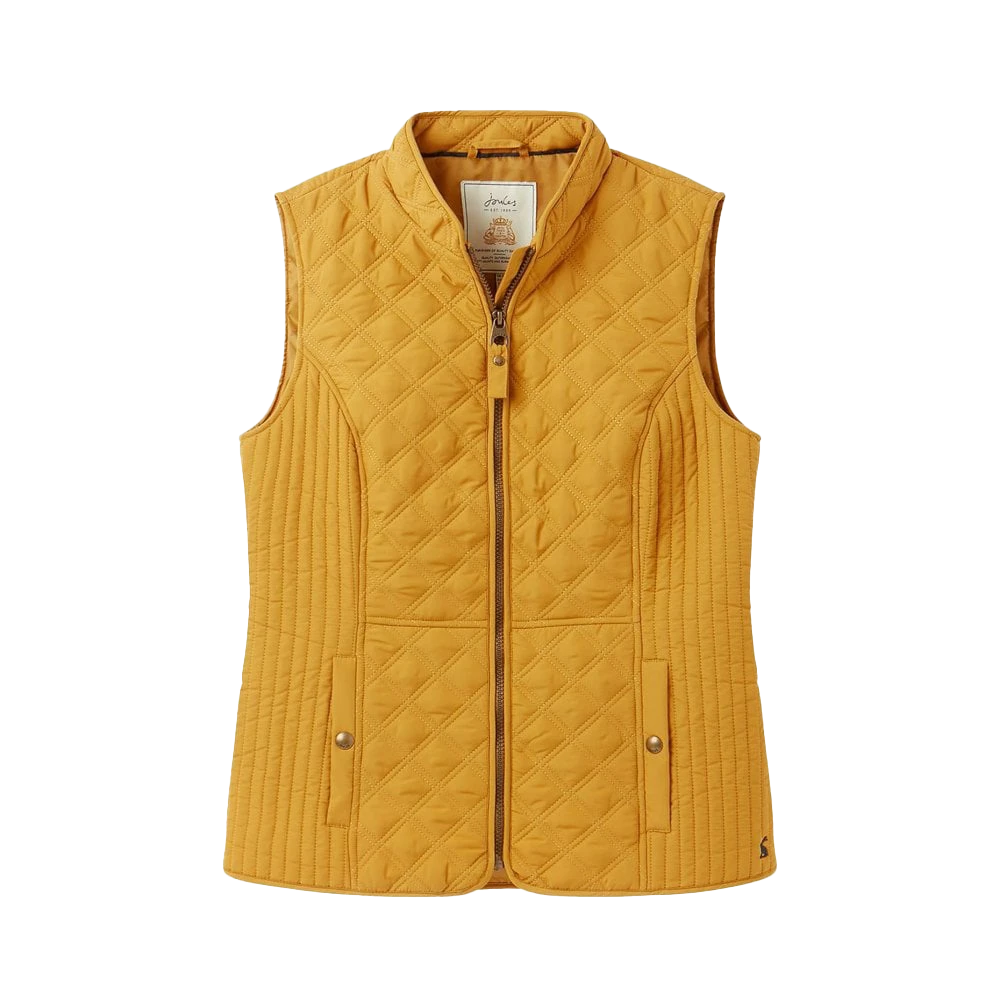
Insulation can be categorized into synthetic fills and quilted padding. Synthetic fills are often preferred for their ability to retain warmth even when damp, unlike natural down. The distribution of the filling—whether it is a continuous sheet or baffled compartments—affects how heat is trapped and prevents "cold spots" where insulation may shift during movement.
Ergonomic Design for High-Activity Movement
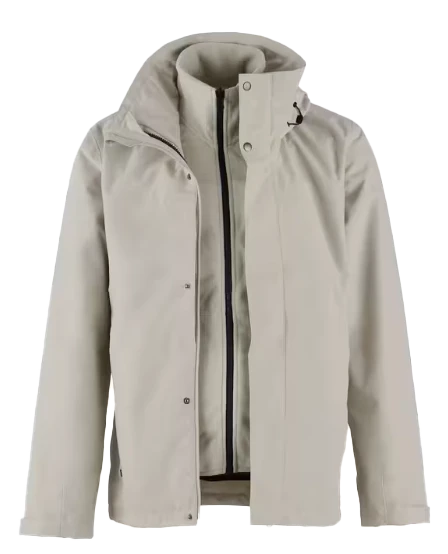
Athletic performance depends on the garment's fit. Key features include elasticized cuffs to seal out wind, stand-up collars for neck protection, and elastic drawcords on the hem for adjustable closure. The integration of zipper pockets with secure closures ensures that essential gear remains safe and dry during high-velocity movements like skiing or cycling.
Customization Capabilities for Brand Labels
For B2B buyers, the ability to customize logos, labels, and size charts is paramount. Professional manufacturers provide OEM and ODM services, allowing brands to submit a tech pack or a sample to be replicated. This extends to custom packaging and color swatches, ensuring the final product aligns perfectly with the brand's market positioning.
Sustainability and Eco-Friendly Fabric Trends
There is a significant shift toward eco-friendly materials in the outdoor industry. This includes the use of recycled nylon and PFC-free water repellents. Implementing these materials not only meets regulatory requirements in markets like Europe and North America but also appeals to the environmentally conscious modern consumer.
Quality Control in Mass Production
Consistency across thousands of units is the greatest challenge in apparel manufacturing. A strict quality control system must involve inspection at multiple stages: from raw material selection and product development to final pre-shipment auditing. Ensuring each unit meets the customer's specific standards prevents costly returns and protects brand reputation.
FAQ
What is the difference between OEM and ODM in jacket manufacturing?
OEM (Original Equipment Manufacture) means the factory produces a jacket based on the buyer's specific design and tech pack. ODM (Original Design Manufacture) means the factory provides its own existing designs which the buyer can then customize with their own branding, colors, or minor modifications. ODM is often faster for brands without an internal design team.
Why are taped seams important for winter jackets?
Even if the fabric is waterproof, the needle holes created during sewing are potential entry points for water. Taped seams involve applying a waterproof adhesive strip over these seams, ensuring the garment is fully sealed and remains waterproof under heavy snow or rain conditions.
How do I choose the right fabric weight for a puffer jacket?
Choice depends on the intended use. For lightweight, packable travel jackets, fabrics under 120gsm are ideal. For professional trekking or skiing in alpine environments, a heavier shell (200gsm+) combined with high-density padding is necessary to provide adequate wind-blocking and durability against abrasion.
Can I customize the size chart for different regional markets?
Yes, professional manufacturers typically follow the buyer's specific size charts to accommodate regional differences (e.g., European vs. North American sizing). Providing a detailed size specification for S, M, L, and XL is standard practice in OEM production to ensure a proper fit.
What factors influence the lead time for bulk outerwear orders?
Lead times are primarily influenced by the complexity of the design, the availability of custom fabrics, and the volume of the order. Custom-dyed fabrics or complex ODM designs typically require longer development phases than standard OEM orders using existing stock materials.
What is the most effective way to verify supplier quality?
Buyers should request samples based on their tech packs to verify sewing precision and material quality. Additionally, reviewing the supplier's quality control system—including their inspection process from material selection to pre-shipment—is critical for ensuring consistency in mass production.
References and further reading
- International Standards for Waterproof and Breathable Textiles (ISO/ASTM)
- Guidelines for Sustainable Apparel Sourcing in the EU and North American Markets
- Technical Analysis of Synthetic Insulation vs. Natural Down in Alpine Environments