




Apr 16, 2026
12.01 / 2025
Benefits and Innovations of Quilted and Puffer Jackets | Outdoor Jacket Insights
The Rising Warmth: Understanding the Quilt and Puffer Jacket Phenomenon
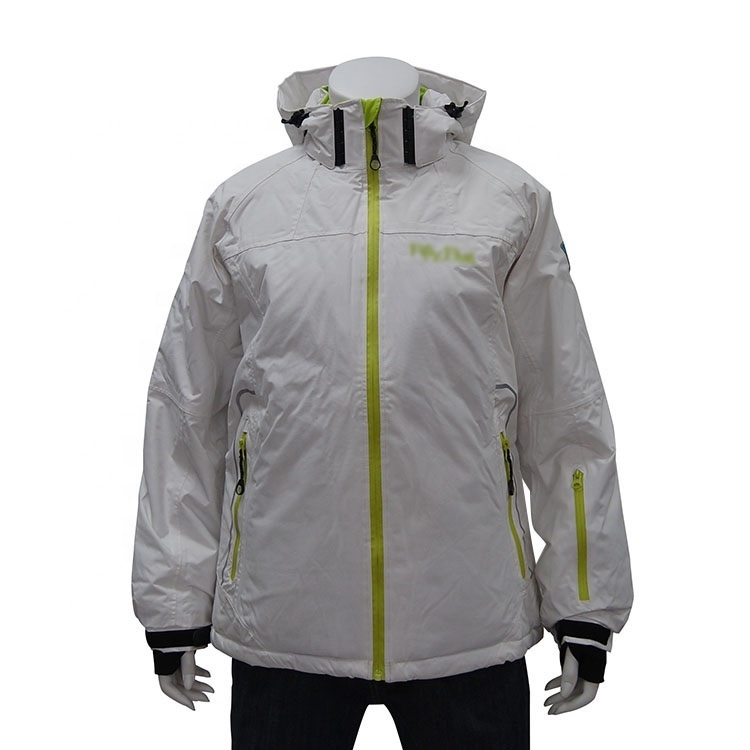
At first glance, a quilted and puffer jacket might seem like just another winter staple, but glance a little closer and you realize it’s a quiet marvel of design and utility with global resonance. These jackets aren’t just about fashion; they’re performance gear that addresses cold-climate survival, outdoor workwear, urban commuting, and increasingly, environmental impact. Understanding what sets these jackets apart can genuinely enhance how we choose our winter essentials — for comfort, sustainability, and yes, even diplomacy between humanity and extreme elements.
Globally speaking, winter outerwear sales — including quilted and puffer jackets — have soared thanks to changing climates and outdoor lifestyles. According to market data from Statista and supported by textile standards from the ISO (International Organization for Standardization), insulation technology in outerwear is evolving rapidly. The challenge? Creating gear that’s warm yet lightweight, durable yet breathable. And here’s where quilted and puffer jackets practically shine, providing solutions that balance innovation, eco-consciousness, and practicality amidst rising cold-related health needs worldwide.
What Exactly Is a Quilted and Puffer Jacket?
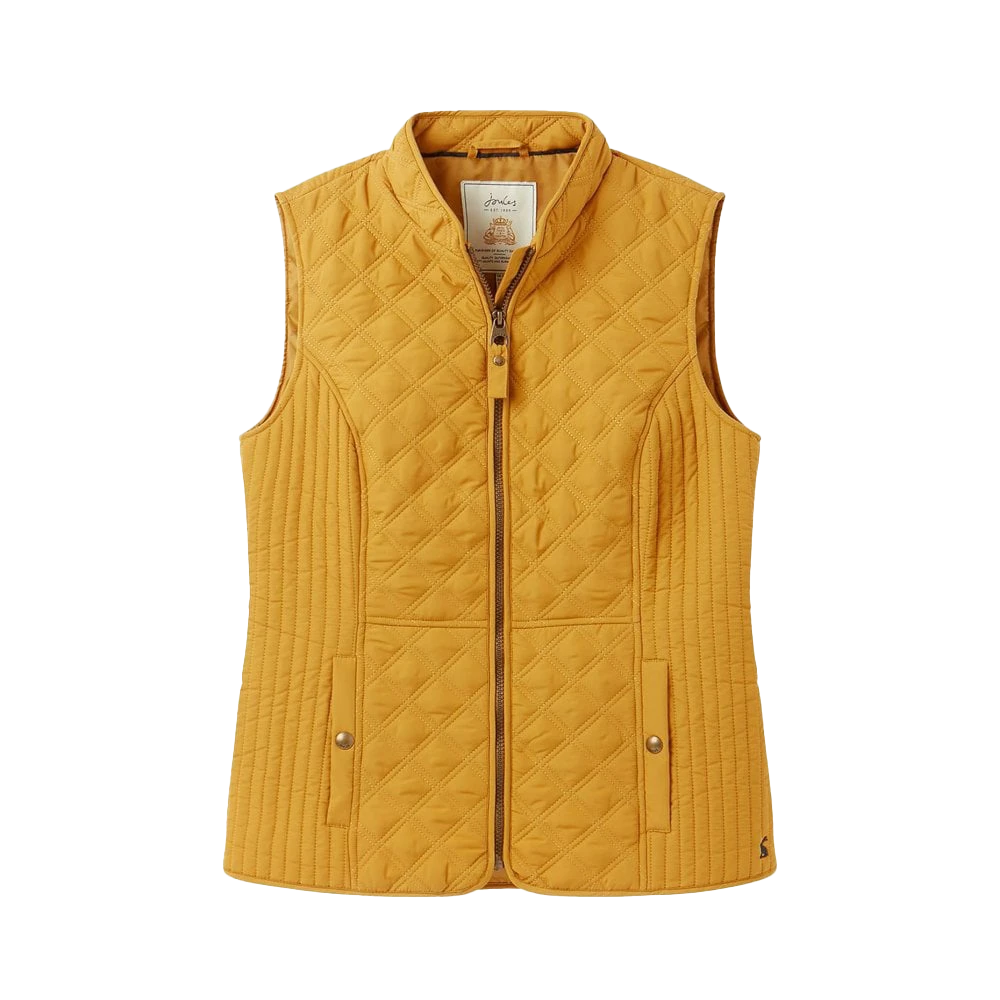
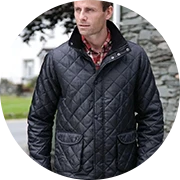
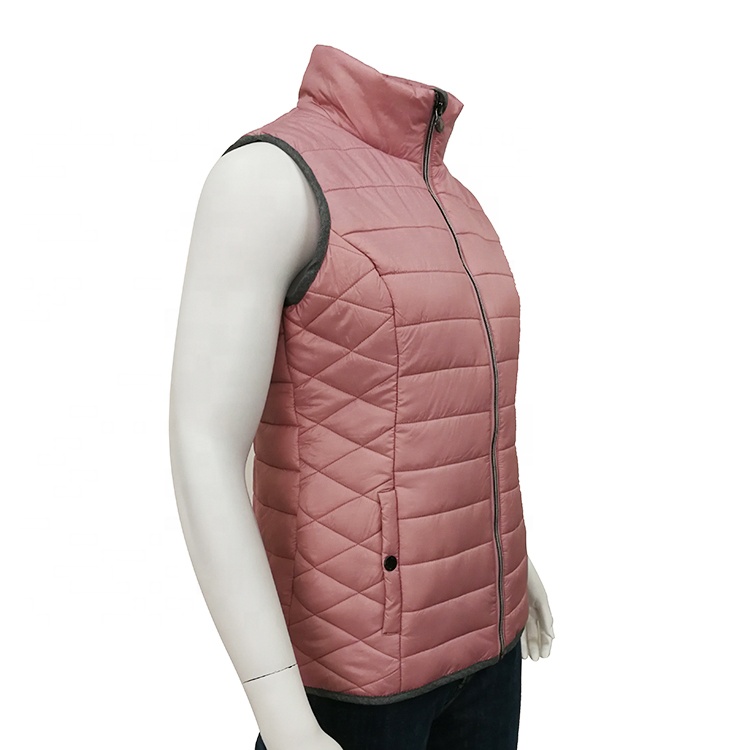
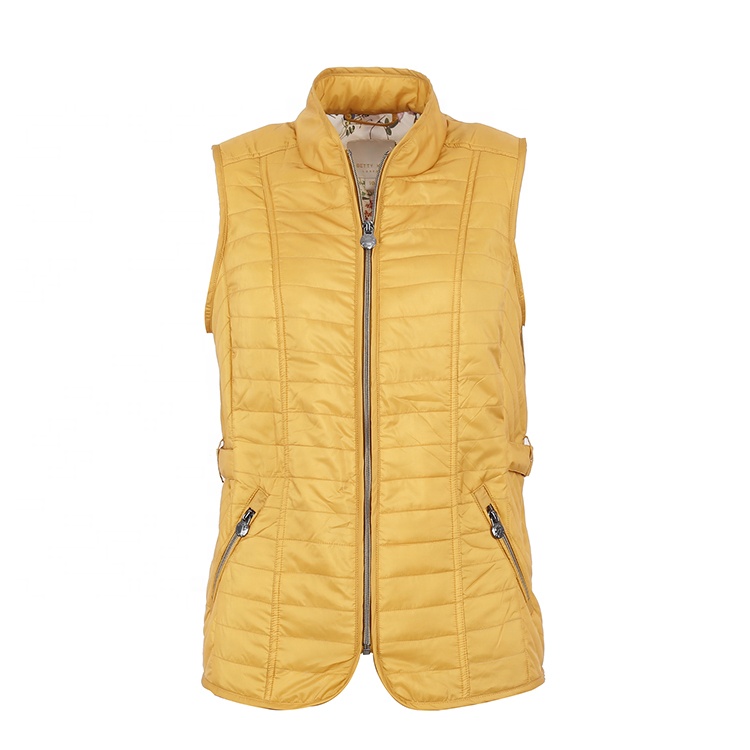
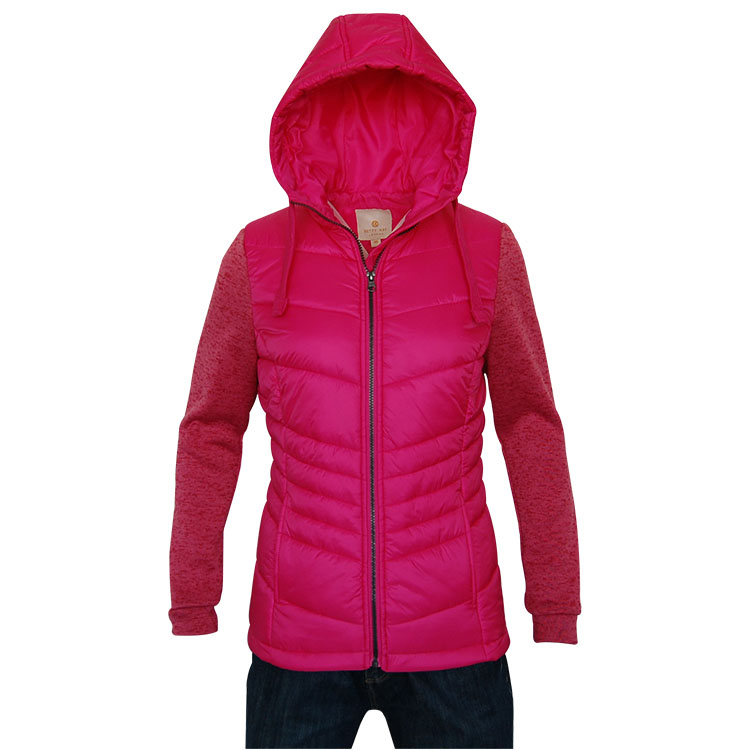
If you’re picturing that unmistakable puffiness or the regular stitched sections, you’re spot on. A quilted jacket typically has a pattern of stitched squares or diamonds holding insulating material in place. Puffer jackets, on the other hand, feature "baffles" - long vertical or horizontal chambers filled with down or synthetic insulation that trap warmth efficiently.
Modern quilted and puffer jackets reflect more than cold-weather fashion trends; they’re part of a bigger story encompassing technology, supply chains, and global relief efforts. For instance, the lightweight insulation properties make these jackets ideal for humanitarian missions in cold environments (think NGOs assisting in harsh winters) or rugged industrial zones where workers face freezing temperatures without sacrificing mobility.
Key Characteristics Driving Their Success
1. Durability and Weather Resistance
Quilted and puffer jackets often use tightly woven, water-resistant fabrics like nylon or polyester. This means wearers stay dry and warm, even when caught in drizzle or snow — a must-have for outdoorsy types.
2. Thermal Efficiency
The unique insulative layers trap body heat very effectively. Down fill is top-notch for warmth-to-weight ratio, but advanced synthetic fills (like PrimaLoft or ThermoBall) have caught up for moisture resistance and easier care.
3. Lightweight and Packability
One of the greatest perks is how these jackets compress down small for storage and transport. Backpackers and travelers swear by this, since sustainable warmth doesn’t have to mean bulk.
4. Sustainable Materials
Manufacturers increasingly prioritize recycled fabrics and ethical sourcing of down feathers, improving the environmental footprint. Many brands now promote fair-trade down certification aligned with the Responsible Down Standard (RDS).
5. Style and Versatility
From sleek urban styles to rugged mountain gear, quilted and puffer jackets have versatile aesthetics that blend performance with fashion — no longer just confined to hiking trails.
Mini Takeaway: Quilted and puffer jackets combine smart textiles with practical design, making them indispensable for many lifestyles and environments worldwide.
Product Specifications: Balancing Warmth and Function
| Feature | Typical Values | Remarks |
|---|---|---|
| Insulation Type | Down / Synthetic (e.g., PrimaLoft) | Down offers higher warmth-to-weight ratio, synthetic better for wet conditions |
| Fill Power | 550 to 900+ fill power | Higher fill power = better insulation efficiency |
| Outer Shell Material | Nylon, Polyester with DWR coating | Durable water repellent finish prevents soaking |
| Weight | 200–500 grams (varies by size and fill) | Light enough for layering and travel |
| Packability | Compresses to approx. 1.5 liters volume | Convenient for storage in backpacks or luggage |
How the World Uses Quilted and Puffer Jackets: Industry and Relief Applications
It’s fascinating to reflect on the diverse roles these jackets play. In North America and Europe, they’re a cold-weather fashion and outdoor activity staple. But in colder regions of Asia and mountainous zones worldwide, they also serve an essential protective function for workers on remote sites and farmers braving harsh winters.
In humanitarian contexts, organizations like the Red Cross harness the lightweight warmth of puffer jackets to outfit volunteers and displaced persons during cold snaps — crucial for preventing hypothermia in vulnerable populations. Similarly, outdoor sports industries rely heavily on these jackets to keep athletes insulated without restricting movement.
Oddly enough, fashion brands and technical gear makers collaborate more than we think, blurring lines and pushing innovation in insulation technology that trickles down from high-performance alpine gear to urban streetwear.
Mini Takeaway: The quilted and puffer jacket is a global workhorse — equally at home on a city street, a mountain trail, or in a disaster relief camp.
Advantages and Why They Matter for the Long Haul
- Cost-effectiveness: Durable and timeless, these jackets often last multiple seasons, minimizing waste.
- Sustainability: Many makers now use recycled fibers and ethical down, reducing environmental impact.
- Social impact: In humanitarian aid, warmth means safety, dignity, and hope for those exposed to cold hardship.
- Reliability: When layered correctly, these jackets serve as vital protection against severe weather extremes.
Many outdoor enthusiasts attest that once you find a quilted or puffer jacket that fits and performs, you never quite go back to simpler fleece layers. There’s an unquestionable emotional comfort in something that promises warmth without weight — it’s kind of like wearing a tiny, personal heater, but fashion-forward.
Innovation and Future Trends in Quilted and Puffer Jackets
The next few years will likely bring more bio-based and closed-loop recycled fibers, pushing further on environmental goals. Digital knitting techniques are allowing manufacturers to create seamless insulation zones, improving comfort and reducing material waste.
Technological strides such as graphene-enhanced fabrics and phase-change materials look promising for next-gen thermal regulation, adjusting heat retention based on body temperature and surroundings. Plus, with wearable tech integration becoming more common, we may soon see jackets that adapt actively to weather or activity levels.
Industry Leaders: How Top Vendors Stack Up
| Brand | Core Materials | Eco Initiatives | Price Range (USD) |
|---|---|---|---|
| North Face | 800-fill goose down, Recycled Nylon | Bluesign certified fabrics, RDS down | $200–$400 |
| Patagonia | Synthetic PrimaLoft, Recycled Polyester | 100% recycled materials, Fair Trade Certified | $250–$450 |
| Uniqlo | Lightweight down & polyester shell | Some recycled fabric lines | $60–$150 |
Common Challenges and How They're Tackled
Of course, no tech is perfect. Quilted and puffer jackets sometimes struggle with breathability, causing overheating during intense activity. Another sticking point has been ethical concerns over down sourcing, thankfully addressed by transparency standards like RDS.
Manufacturers and researchers are also working on hybrid insulation systems that mix synthetic and natural fills, improving moisture management while preserving warmth. Designs are getting smarter, too: adjustable vents, removable liners, and better seam-sealing techniques aim to balance airflow and protection.
FAQ: Your Quick Guide to Quilted and Puffer Jackets
- Q1: Are puffer jackets good for wet weather?
- A: While down insulation excels at warmth, it loses insulating power when wet. For wet conditions, synthetic fills or treated down with water-resistant coatings perform better. Always check for DWR treated fabrics for added water resistance.
- Q2: How should I care for a quilted jacket to keep it fluffy?
- A: Wash on a gentle cycle with mild detergent, use tennis balls in the dryer to maintain loft, and avoid fabric softeners which can reduce water repellency. Proper care can extend the jacket’s lifespan significantly.
- Q3: What’s the difference between fill power and fill weight?
- A: Fill power measures the quality and loft of down insulation (higher means warmer for less weight), while fill weight is how much insulation is used. Both combine to determine overall warmth.
- Q4: Can synthetic puffers be recycled?
- A: Yes, many synthetic insulations and fabrics are designed for recycling. Look for brands offering take-back programs or recycled content to support circular fashion.
Final Thoughts on Choosing the Right Jacket
It’s remarkable how something as “simple” as a quilted or puffer jacket encapsulates so many threads: comfort, environment, commerce, and technology all tightly stitched together. Their adaptability makes them essential, wherever cold weather strikes.
For anyone scouting dependable, stylish, and sustainable warmth, exploring the range of quilted and puffer jackets today feels like a smart choice. Curious to see the latest models or need expert advice? Visit our site — where warmth meets innovation.
References:
1. Wikipedia — Down (Feathers)
2. Responsible Down Standard (RDS)
3. ISO Textile Standards