






Apr 16, 2026
11.27 / 2025
Bomber Puffer Jacket – A Stylish, Warm, and Sustainable Outerwear Solution
The Bomber Puffer Jacket: More Than Just Winter Wear
Imagine the warmth of a classic bomber jacket fused with the lofty insulation of a puffer coat. That’s exactly what a bomber puffer jacket offers. But beyond mere style or seasonal fashion, this hybrid jacket is edging into global relevance thanks to its practicality, versatility, and impact — in cold urban streets or even humanitarian aid scenarios.
So why does understanding the bomber puffer jacket matter worldwide? Because as climate change intensifies winters, and outdoor lifestyles become more popular, insulated yet flexible outerwear is increasingly vital. Plus, its adoption in sectors like emergency relief and industrial protection highlights just how practical this staple can be.
Why the Bomber Puffer Jacket Matters Globally
Look at the numbers: the UN reports that over 1.5 billion people endure severe cold annually — more than twice the population of Europe. Warmer clothing solutions therefore aren't luxury items but necessities. Meanwhile, ISO standards reflect increasing requirements for clothing insulating values and durability, pushing innovation in outerwear design.
Yet, there’s a lingering challenge: how do you balance warmth, weight, and style — factors that often pull garments in opposite directions? Bomber puffer jackets answer this by marrying the classic style of bomber jackets with the advanced insulation tech of puffers. That’s why you see them popping up everywhere, from rugged mountain workers to winter commuters.
What Is a Bomber Puffer Jacket, Really?
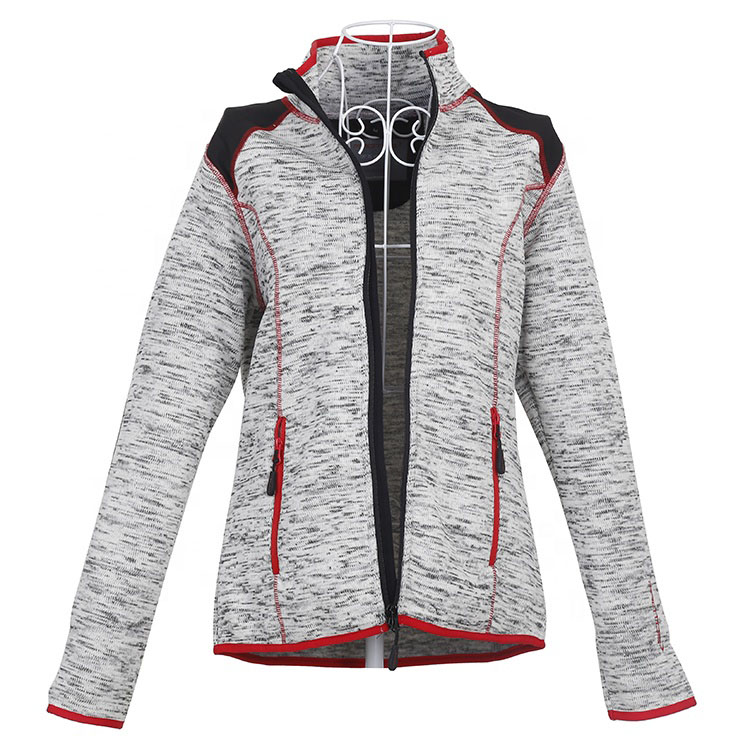
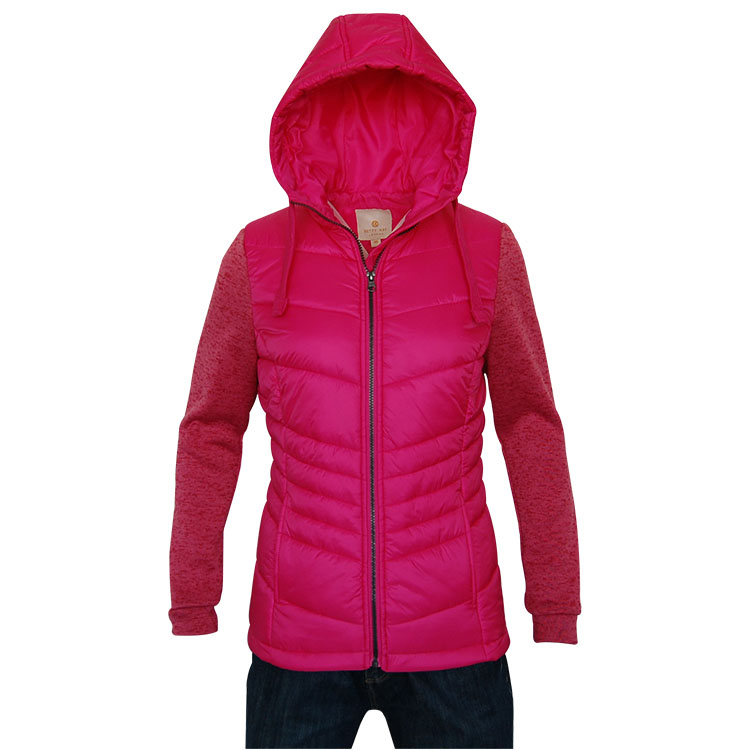
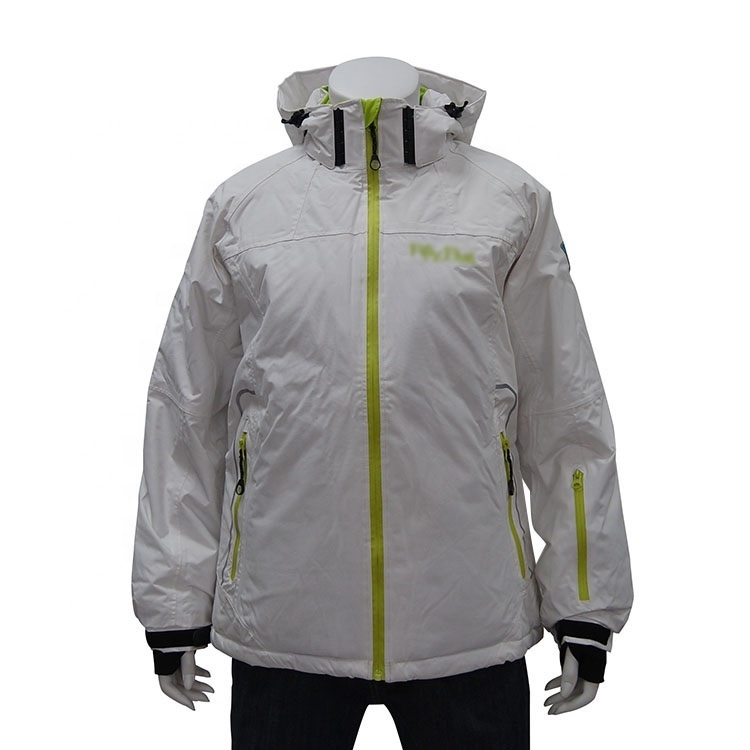
At its core, the bomber puffer jacket is a fusion piece: a jacket styled after the traditional bomber — snug waistbands, ribbed cuffs, and a short cut — but padded with quilted insulation commonly found in puffers. This blend makes it wind-resistant, water-repellent, and incredibly warm without heavy bulk.
This innovation isn't just fashion-forward — it connects to broader needs, like sustainable outerwear trends or protective clothing in humanitarian settings. For NGOs operating in cold climates, durable, lightweight jackets mean easier transport and better comfort for recipients — a small thing, but with huge effects on dignity and health.
Core Components of a Bomber Puffer Jacket
1. Insulation Technology
Most bomber puffers use down or synthetic insulation. Down offers excellent warmth-to-weight ratios but requires waterproof shells, while synthetic fibers perform better in wet conditions. The choice often determines the jacket’s lifespan and target use.
2. Durable Outer Shell
Modern jackets feature nylon or polyester shells with DWR (Durable Water Repellent) coatings. This protects against wind and moisture, allowing the jacket to function in varied environments.
3. Fit and Comfort
The bomber silhouette emphasizes snugness — ribbed hems and cuffs reduce cold air entry, and the lightweight fill lets users move freely, an important factor for outdoor professionals and city dwellers alike.
4. Sustainability
Increasingly, brands are focusing on recycled materials and ethical down sourcing, reflecting growing environmental concerns tied to outdoor apparel production.
Mini Takeaway
The bomber puffer jacket isn’t just a style statement; it’s a functional garment balancing warmth, durability, and comfort. Its design thoughtfully blends heritage and innovation, offering practical benefits to a broad audience.
Where and How Bomber Puffer Jackets Get Used Worldwide
Frankly, their appeal spans a curious range of real-world applications:
- Urban Winters: In cities like New York or Moscow, commuters rely on bomber puffers for their warmth and lightness — ideal for public transit and brisk walks.
- Industrial and Construction Sites: Workers in chilly environments benefit from their windproof and insulating layers without restrictive bulk.
- Humanitarian Relief: Organizations distributing winter gear in places like Eastern Europe or Central Asia often favor bomber puffers for their portability and warmth.
- Outdoor Enthusiasts: Hikers or casual adventurers appreciate the jacket’s blend of style and practicality during early mornings or fall trips.
One NGO, for instance, reported that supplying bomber puffer jackets to displaced families improved warmth retention by up to 35% compared to standard fleece jackets — making a tangible difference during freezing nights.
The Clear Perks of Investing in a Bomber Puffer Jacket
Sure, a jacket is just a jacket, but consider this:
- Cost-Effectiveness: The durability and versatile usage reduce the need for multiple coats.
- Sustainability: Options with recycled materials assist carbon footprint reduction.
- Improved Wellbeing: Proper insulation supports health and productivity outdoors.
- Emotional Comfort: There’s a subtle confidence boost knowing you’re well-protected, and looking sharp.
The long-term value lies in the jacket’s blend of innovation and tradition — proving good design isn’t just about looks, it’s about thoughtful engineering.
Trends and Innovations on the Bomber Puffer Jacket Horizon
Technology pushes the outerwear envelope continually:
- Eco-Materials: Biodegradable insulation and water-repellent treatments derived from plants are gaining traction.
- Smart Textiles: Embedded sensors that monitor body temperature or adjust insulation dynamically are no longer sci-fi.
- Modular Designs: Jackets with removable liners or shells adapt better to changing weather.
Such advances suggest bomber puffer jackets won’t stay stuck in old styles for long.
Challenges in the Bomber Puffer Jacket Market (And Ways Forward)
Despite all the promise, some issues persist:
- Water Resistance vs Breathability: Finding a jacket that’s both fully waterproof and breathable is tricky, often involving tradeoffs.
- Price Points: High-tech materials raise costs, limiting accessibility for some buyers.
- Ethical Concerns: Mislabeling or sourcing of down has occasionally raised NGO and consumer eyebrows.
But ongoing certification programs and tech innovation promise solutions here. For instance, some brands adopt the Responsible Down Standard (RDS), ensuring animal welfare compliance, which frankly helps everyone sleep better.
Bomber Puffer Jacket Product Specification Table
| Feature | Specifications |
|---|---|
| Insulation | 700 fill power goose down / 100% recycled polyester synthetic option |
| Shell Material | Nylon with DWR coating (Durable Water Repellent) |
| Weight | Approx. 550 grams (medium size) |
| Features | Ribbed cuffs & hem, zippered pockets, windproof collar |
| Certifications | RDS Certified Down, Bluesign approved fabrics |
Bomber Puffer Jacket Vendor Comparison Table
| Vendor | Price Range | Material Focus | Sustainability | Special Features |
|---|---|---|---|---|
| NorthCove | $150 - $220 | Synthetic insulation | Recycled polyester shell | Modular lining options |
| ArcticEdge | $200 - $350 | Premium goose down | RDS certified sourcing | Windproof and water-resistant shell |
| UrbanNomad | $130 - $190 | Synthetic insulation blends | Low water footprint materials | Reflective inner lining |
Frequently Asked Questions About Bomber Puffer Jackets
1. How do bomber puffer jackets compare to traditional puffers in warmth?
Bomber puffer jackets often provide comparable insulation but feature a tighter, more fitted cut with ribbed hems and cuffs that improve heat retention. They combine the puffer's loft with wind-resistant bomber jacket design elements, making them particularly effective in cold, windy conditions.
2. Are bomber puffer jackets suitable for heavy rain?
Most bomber puffers come with DWR-coated shells that repel light rain and snow. However, they are not typically fully waterproof like rain jackets. For prolonged wet conditions, it’s best to layer a waterproof shell over your bomber puffer.
3. Can bomber puffer jackets be machine washed?
Yes, but carefully. Use gentle cycles with mild detergent, avoid fabric softeners, and tumble dry low with tennis balls or dryer balls to restore loft. Always check specific care labels, as synthetic and down insulation require slightly different approaches.
4. What makes bomber puffer jackets popular with young urban professionals?
They offer a stylish silhouette combined with warmth and practicality, perfect for daily commutes and social events. The lightness, mobility, and trendy look fulfill both fashion and function — something that’s not easy to find in winter gear.
5. How do sustainable materials in bomber puffers impact their performance?
Recycled or plant-based insulation and shells can slightly alter breathability or weight but manufacturers mitigate this through advanced fabric treatments and blends. The environmental benefits often outweigh minor performance shifts for many consumers.
Conclusion: Why Investing in a Bomber Puffer Jacket Makes Sense
In the end, the bomber puffer jacket stands out as an intelligently designed piece of outerwear — blending style, insulation, and durability in a package that meets diverse global needs. Whether it’s powering through a harsh city winter or providing essential warmth to vulnerable populations abroad, its versatility is remarkable.
Curious to explore the latest bomber puffer jackets in detail? Visit our website: bomber puffer jacket for the newest models, expert advice, and sustainable options.
Final thoughts:
Well-designed outerwear isn’t just about warmth — it’s about comfort, confidence, and adapting smartly to the environment. The bomber puffer jacket hits all these marks. As the cold seasons approach, it might just become your wardrobe’s most trusted companion.