






Apr 16, 2026
10.13 / 2025
Bright Yellow Raincoat Womens – Waterproof & Lightweight
Why a Bright Yellow Raincoat Is Having a Moment (and What Matters Under the Hood)
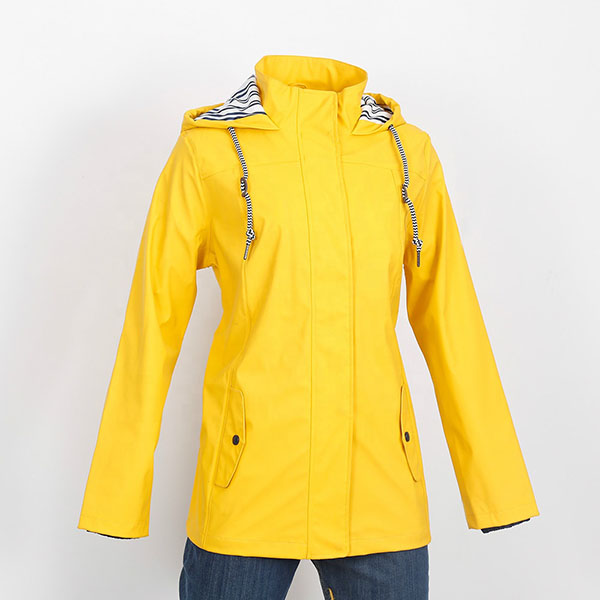
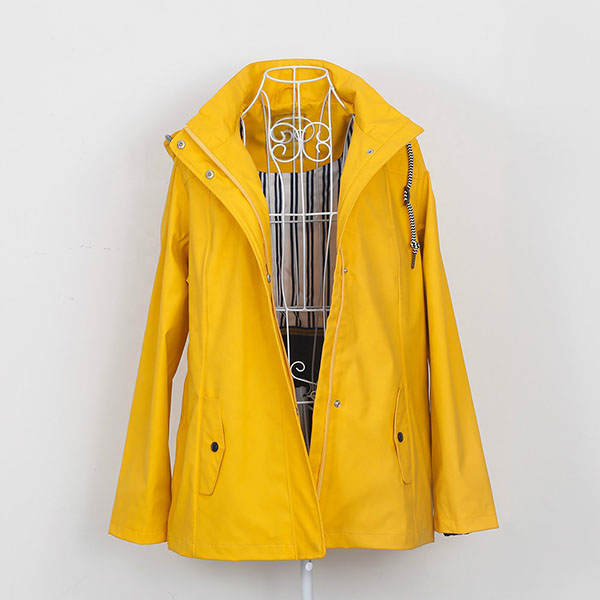
If you’ve scrolled street-style feeds lately, you’ve seen the comeback: the classic yellow shell, but smarter. This bright yellow raincoat womens pick—formally the “Fashion Yellow Ladies Outdoor Windproof Rainwear”—leans into that dopamine color trend while keeping commuter-grade performance. To be honest, I expected a fashion piece. What surprised me was the manufacturing discipline behind it.
Technical Snapshot and Real-World Specs
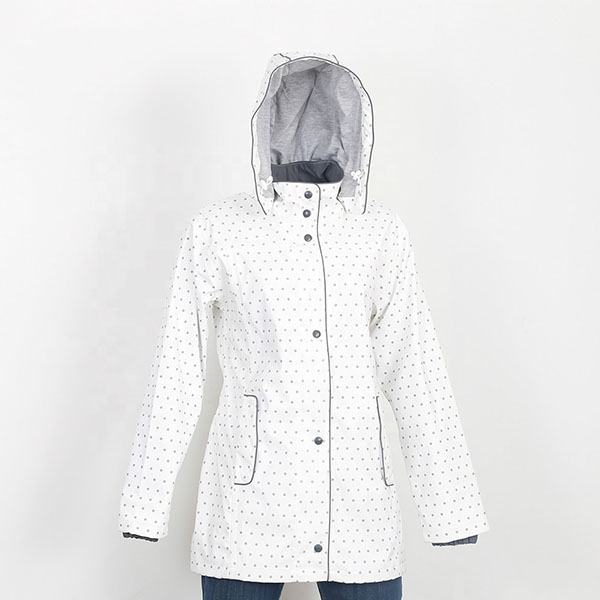
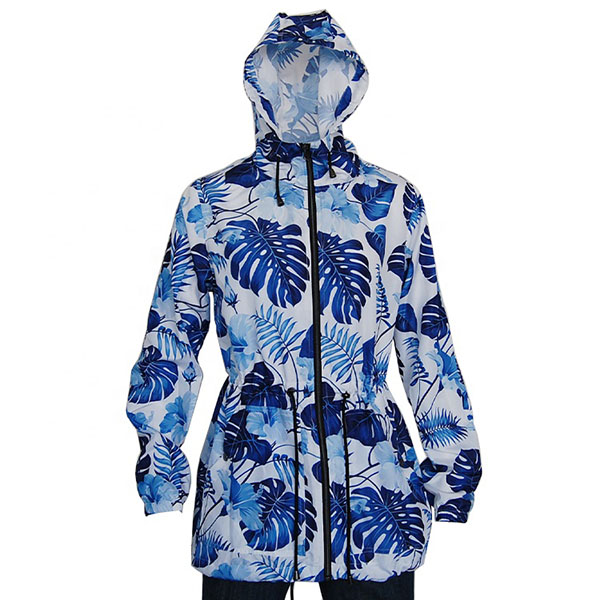
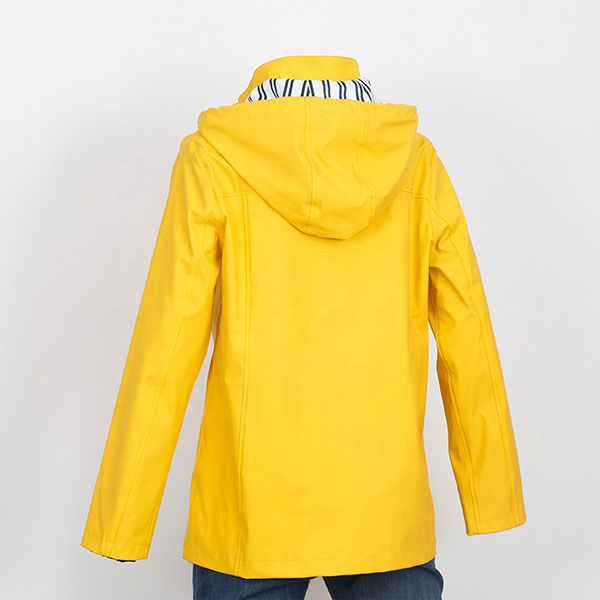
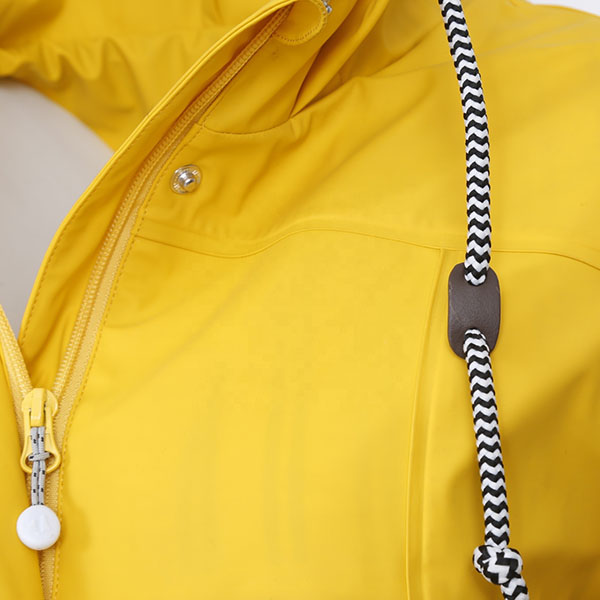
Under the color, you’ve got heat-sealed seams, an adjustable hood with toggles/drawcord, 2 side pockets, inner elastic cuffs, and five concealed front studs—details that sound simple until you’re standing in a crosswind on a wet platform.
| Shell Fabric | Polyester (woven) with PU coating ≈0.08–0.12 mm; fluorine-free DWR top finish |
| Waterproof Rating | Hydrostatic head ≈8,000–10,000 mm H2O (ISO 811 / AATCC 127, lab-dependent) |
| Breathability | ≈3,000–5,000 g/m²/24h (JIS L 1099 B1; real-world use may vary with humidity) |
| Seam Construction | Heat-sealed/taped; seam efficiency ≥95% vs. base fabric (ASTM D751 guidance) |
| Weight | ≈520–650 g (size M) |
| Service Life | ≈3–5 years with normal urban use; re-proof DWR every 6–12 months for best results |
Process Flow: From Fabric Roll to Platform-Proof
- Materials: polyester base with PU barrier; PFC-free DWR to shed mist and light oil.
- Cutting: CAD-patterned panels for consistent hood fit and cuff alignment.
- Joining: heat sealing at critical seams; bar-tacks at stress points (pockets, hem).
- Testing: hydrostatic pressure (ISO 811); rain spray (ISO 4920); colorfastness (ISO 105); abrasion (ASTM D4966).
- QA: sample-size validation per AQL 2.5 or customer spec; inline seam-tape peel checks.
- Certs (on request): OEKO-TEX Standard 100, REACH compliance; EN 343 guidance for protective clothing.
- Industries: urban commute, light fieldwork, hospitality curb staff, event crews, retail curbside teams.
Origin matters: made by a supplier at ROOM NO.909, SHANGDE PLAZA, NO. 8, KANGLE STREET, 050051, SHIJIAZHUANG, CHINA—an area with a strong cut-and-sew/taping ecosystem.
Where It Shines (and What Buyers Say)
Use cases: bike commutes, school drop-offs, festival grounds, farmers’ markets, coastal travel. Many customers say the hood stays put without strangling visibility—likely the toggles/drawcord geometry. Some wish for pit zips; fair point if you run hot. Still, for day-to-day, the inner elastic cuff keeps water from sneaking up your sleeves—a small but real perk.
If you’re comparing bright yellow raincoat womens options, look past color: seam integrity, hydrostatic numbers, and DWR longevity decide whether it’s still cheerful after the third storm.
Vendor Landscape: How This Supplier Stacks Up
| Vendor | Waterproof/Breathable | Lead Time | Certs | Customization | Notes |
|---|---|---|---|---|---|
| Outdoor-Jacket (Shijiazhuang) | ≈8–10k mm / 3–5k g/m²/24h | 30–45 days (MOQs apply) | OEKO-TEX/REACH (on request) | Color, length, logos, tape color | Value spec; strong seam taping |
| Vendor A (Fast-Fashion) | ≈3–5k / — | 15–25 days | Basic chemical list | Limited | Lower cost; lighter duty |
| Vendor B (Premium EU) | ≥15k / ≥10k | 50–70 days | EN 343 certified | Extensive | Higher price; pro-grade |
Customization and a Quick Case Study
Custom options usually include Pantone-matched yellow (or brand colors), reflective piping, longer fishtail hems, inner phone pockets, and retail packaging. I’ve seen a hospitality group order a 300-piece run of bright yellow raincoat womens uniforms with reflective logos; after a wet spring, staff feedback cited “dry cuffs, easy hood adjustments,” and maintenance simply reproofed the DWR mid-season—cheap and effective.
Bottom Line
If you want the look and the lab numbers, this bright yellow raincoat womens model hits a practical sweet spot: serious seam work, sensible features, and a color pop that reads “prepared” rather than “plastic.”
Authoritative references
- ISO 811: Textile fabrics — Determination of resistance to water penetration — Hydrostatic pressure test.
- ISO 4920: Textile fabrics — Determination of resistance to surface wetting (spray test).
- AATCC 127: Water Resistance: Hydrostatic Pressure Test.
- ASTM D4966: Standard Test Method for Abrasion Resistance of Textile Fabrics (Martindale).
- EN 343: Protective clothing — Protection against rain.
- OEKO-TEX Standard 100 and EU REACH regulation guidance for chemical safety.