








Apr 16, 2026
01.27 / 2026
Choosing the Perfect Women's Warm Ski Jacket for Ultimate Winter Performance
Choosing the Right Women's Warm Ski Jacket for Peak Performance
Hitting the slopes requires more than just skill – it demands the right gear. A women's warm ski jacket is paramount for staying comfortable, dry, and protected from the elements. This article will guide you through everything you need to know to select the perfect jacket, ensuring an enjoyable and safe skiing experience. From insulation types to essential features, we’ll cover it all, helping you find a jacket that meets your specific needs and budget. Investing in the right jacket isn’t just about comfort; it’s about enhancing your performance and maximizing your time on the mountain.
Understanding Ski Jacket Insulation: Down vs. Synthetic
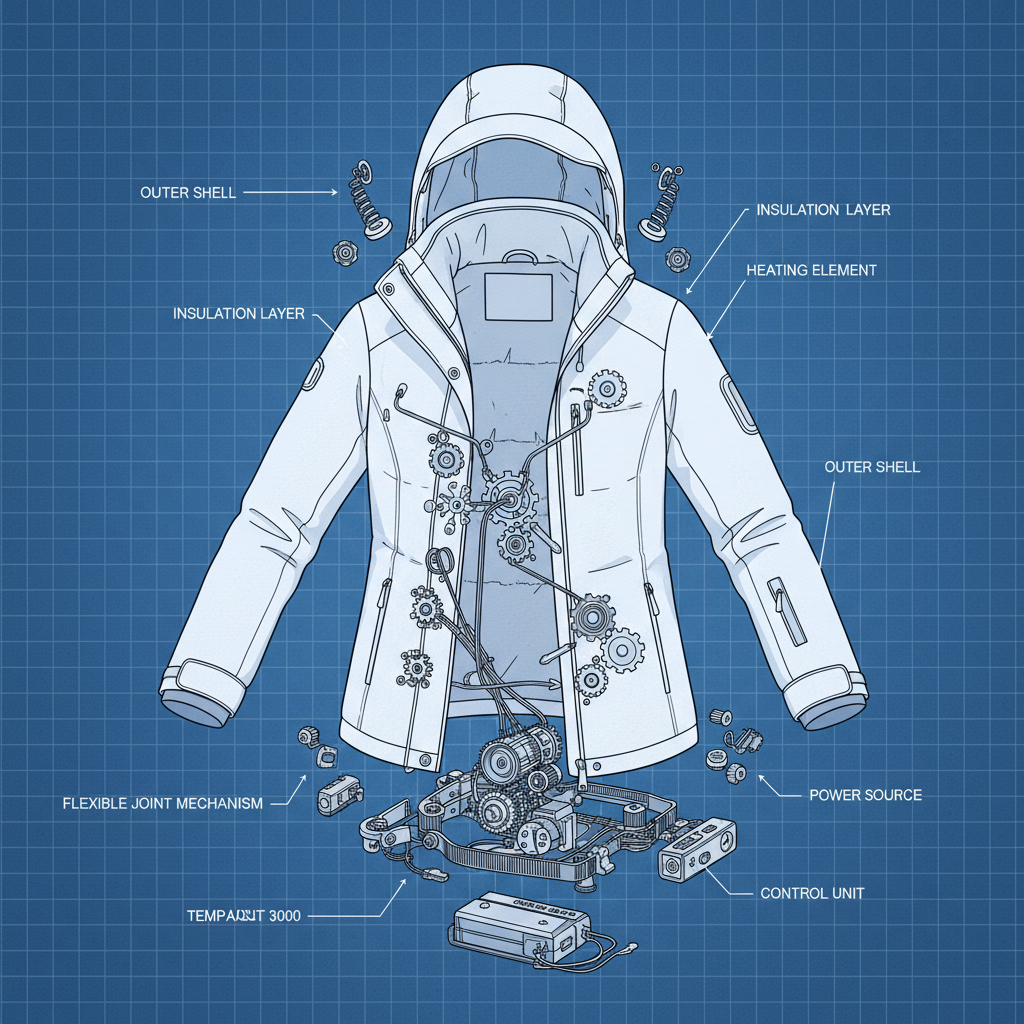
The insulation of your ski jacket is crucial for warmth. Two primary types dominate the market: down and synthetic. Down insulation, derived from duck or goose feathers, offers exceptional warmth-to-weight ratio and compressibility. However, it loses its insulating properties when wet. Synthetic insulation, on the other hand, retains warmth even when damp, making it a more reliable choice for wet snow conditions. Consider your typical skiing environment and activity level when deciding which type of insulation is best for you. Explore our collection of jackets featuring both options at Outdoor-Jacket.com.
Key Highlights: Choosing between down and synthetic insulation depends on your skiing conditions and priorities. Down offers superior warmth-to-weight, while synthetic retains warmth when wet.
Essential Features in a Women's Warm Ski Jacket
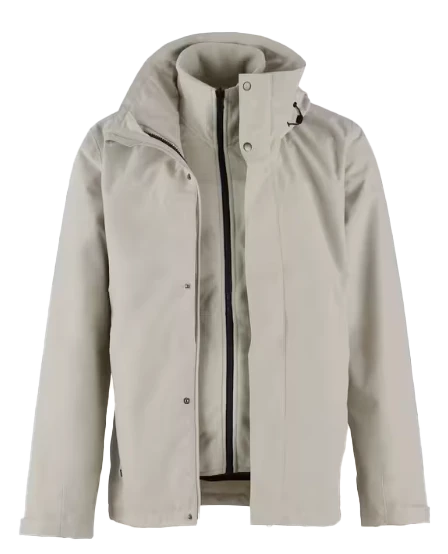
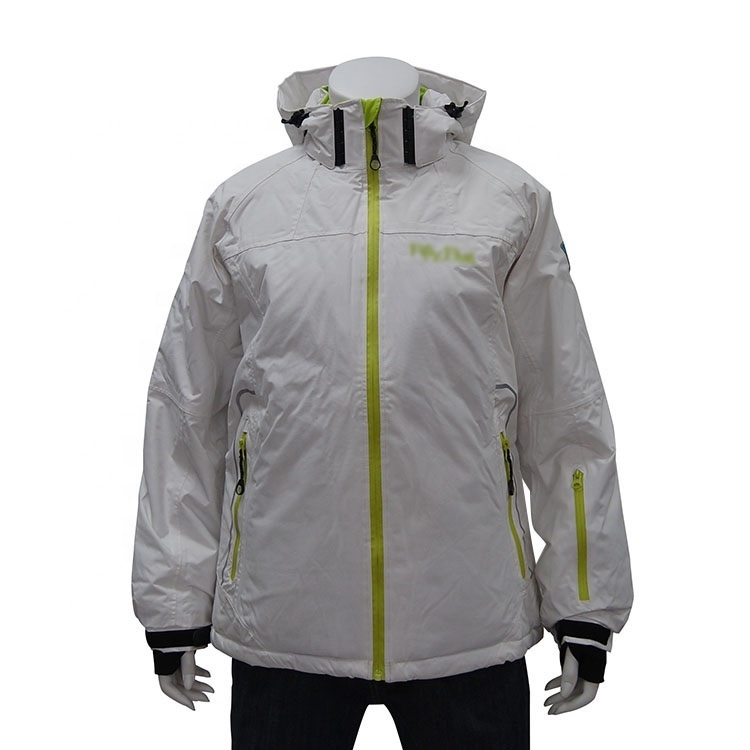
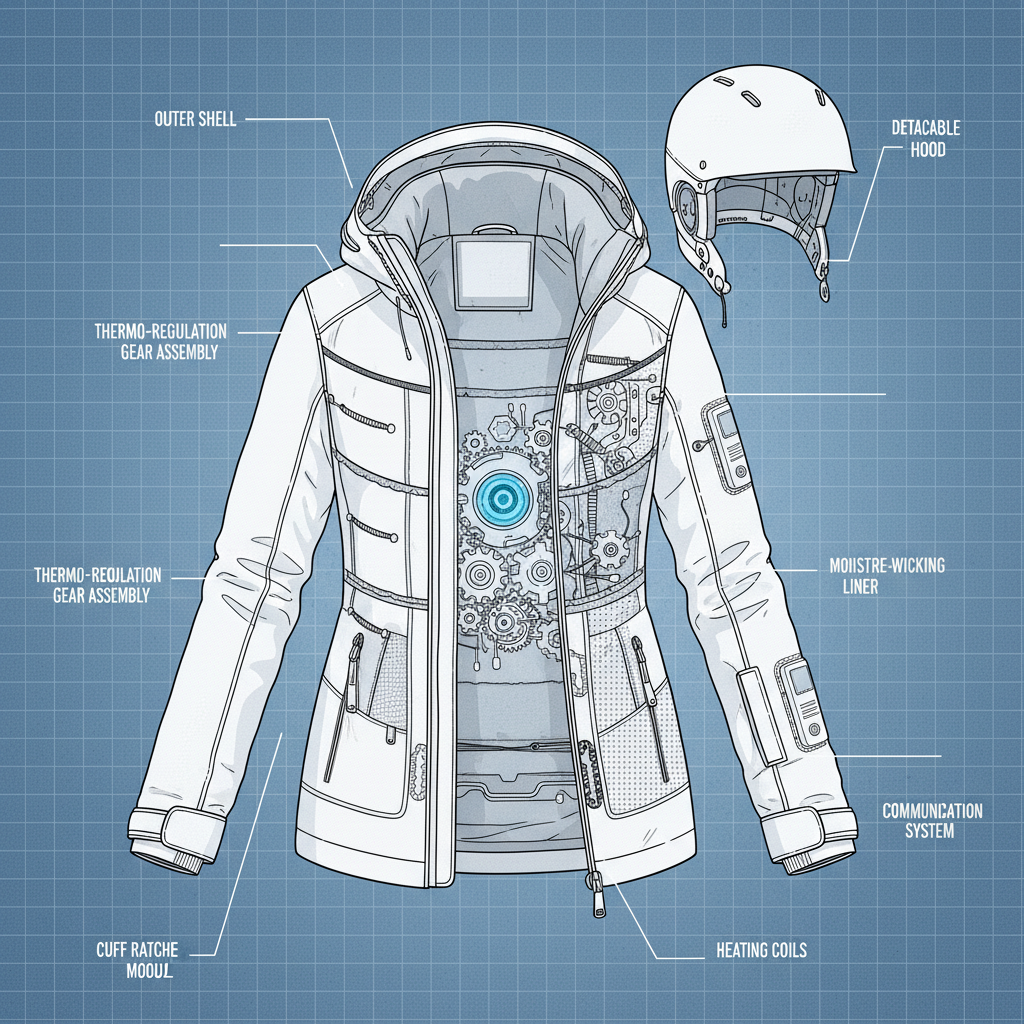
Beyond insulation, several features contribute to a jacket’s performance. A waterproof and breathable membrane, such as Gore-Tex or a similar proprietary fabric, is vital to keep you dry without overheating. Look for features like a powder skirt to prevent snow from entering, adjustable hoods compatible with helmets, wrist gaiters, and strategically placed pockets for essentials like your phone, goggles, and lift pass. Reinforced shoulders are also beneficial for carrying skis or a backpack. The fit should allow for layering without restricting movement.
Essential Features Checklist:
• Waterproof and breathable membrane
• Powder skirt
• Helmet-compatible hood
• Wrist gaiters
• Secure pockets
Comparing Popular Women's Warm Ski Jackets
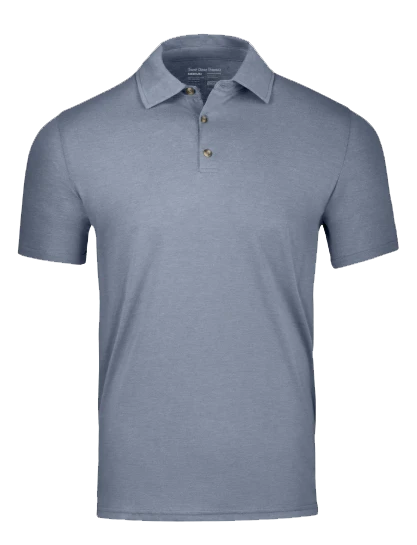
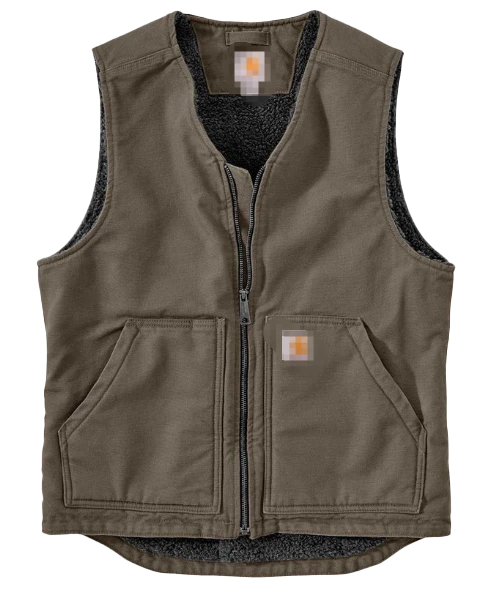
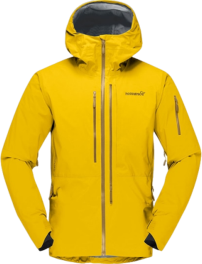
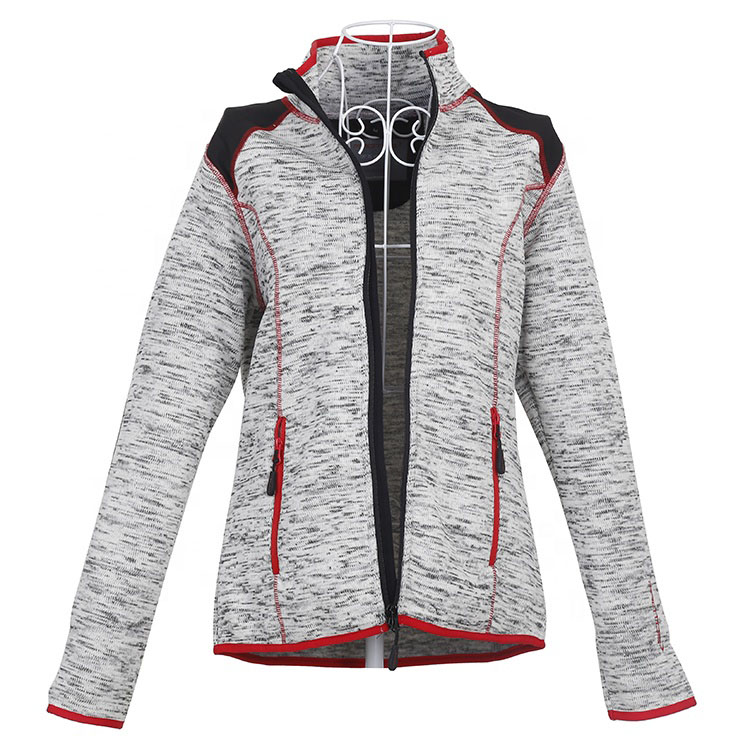
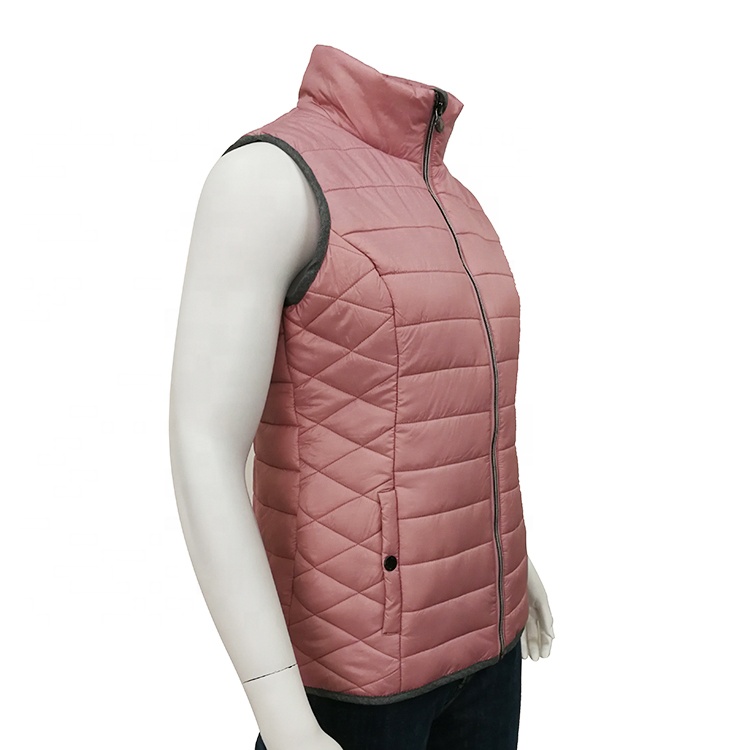
Choosing the best women's warm ski jacket can be overwhelming. Here’s a comparison of some popular models to help narrow your search:
Layering for Optimal Warmth
A warm ski jacket is only one component of a complete layering system. Start with a moisture-wicking base layer to keep sweat away from your skin. Add an insulating mid-layer, such as a fleece or down sweater, for additional warmth. Your ski jacket provides the outer shell, protecting you from wind and precipitation. Proper layering allows you to adjust your warmth based on changing conditions throughout the day. Don't underestimate the importance of warm socks, gloves, and a hat!
Finding the Right Fit and Size
Proper fit is essential for both comfort and performance. A jacket that’s too tight will restrict movement, while one that’s too loose won’t trap heat effectively. Measure your chest, waist, and hips, and consult the manufacturer’s size chart. Consider the layers you’ll be wearing underneath when trying on jackets. Ensure you can move your arms freely without feeling constricted. Browse our size guide for detailed instructions.
Conclusion: Stay Warm and Conquer the Slopes
Investing in a high-quality women's warm ski jacket is a crucial step towards a comfortable and enjoyable skiing experience. By considering the factors discussed – insulation, features, layering, and fit – you can find the perfect jacket to meet your needs. Don’t let the cold weather hold you back; gear up and hit the slopes with confidence!
Frequently Asked Questions (FAQs)
What waterproof rating should I look for in a ski jacket?
A waterproof rating measures a fabric's resistance to water penetration. For skiing, a rating of at least 10,000mm is recommended for moderate conditions. For wet and heavy snow, or frequent exposure to rain, opt for a rating of 15,000mm or higher. Higher ratings indicate greater waterproofness. It's also important to consider the jacket’s breathability, which allows moisture vapor from sweat to escape, preventing you from getting damp from the inside.
How do I care for my ski jacket to prolong its lifespan?
Proper care is essential for maintaining your jacket’s performance. Always follow the manufacturer’s instructions on the care label. Generally, it's best to machine wash your jacket on a gentle cycle with mild detergent. Avoid using fabric softeners or bleach. Tumble dry on low heat or hang to dry. Regularly reproofing your jacket with a waterproof spray will help maintain its water resistance. Store your jacket in a cool, dry place when not in use.
Are there ski jackets specifically designed for backcountry skiing?
Yes, backcountry ski jackets differ from resort jackets in several ways. They prioritize breathability to handle high exertion levels during uphill climbs, often using lighter and more breathable fabrics. They also tend to be more minimalist, focusing on essential features while minimizing weight. Features like beacon pockets and helmet-compatible hoods are common. Backcountry jackets also emphasize durability to withstand the challenges of off-piste terrain.
What is a powder skirt and why is it important?
A powder skirt is an elasticized band located at the bottom of the jacket that cinches around your waist or hips. Its primary function is to prevent snow from entering the jacket when skiing in deep powder. It creates a seal, keeping you dry and comfortable. A powder skirt is a valuable feature for anyone who frequently skis in powder conditions.