






Apr 16, 2026
11.28 / 2025
Discover the Latest in Puffer and Bomber Jackets – Styles, Tech & Sustainability
The Rising Appeal of Puffer and Bomber Jackets: More Than Just Fashion
When you hear "puffer and bomber jacket," what probably springs to mind is a cozy, stylish wardrobe staple — perfect for braving chilly city streets or weekend hikes. But these jackets have grown beyond mere aesthetics. They're actually a fascinating study in design, insulation technology, and even social impact around the globe. From urban millennials to remote relief workers, the demand for reliable, warm outerwear continues to snowball. Understanding the innovation behind these jackets reveals a surprising mix of heritage, high-tech materials, and sustainable ambitions that matter more than you might expect.
The Global Context: Why Puffer and Bomber Jackets Matter Everywhere
Fashion trends aside, outerwear like puffer and bomber jackets hold essential roles worldwide. The United Nations notes that climate variability and harsher winters in many regions make warm clothing critical for millions [1]. The global outerwear market, expected to reach over $35 billion by 2027 according to market studies, reflects not just style preferences but also a need for practical cold protection in industries like logistics, emergency response, and remote work.2 Yet the challenge is balancing insulation, breathability, and environmental footprint — a problem the puffer and bomber jacket designs have tackled head-on.
Mini Takeaway: Though a fashion mainstay, puffer and bomber jackets truly serve as critical gear for global comfort and safety amid shifting climate demands.What Exactly Are Puffer and Bomber Jackets?
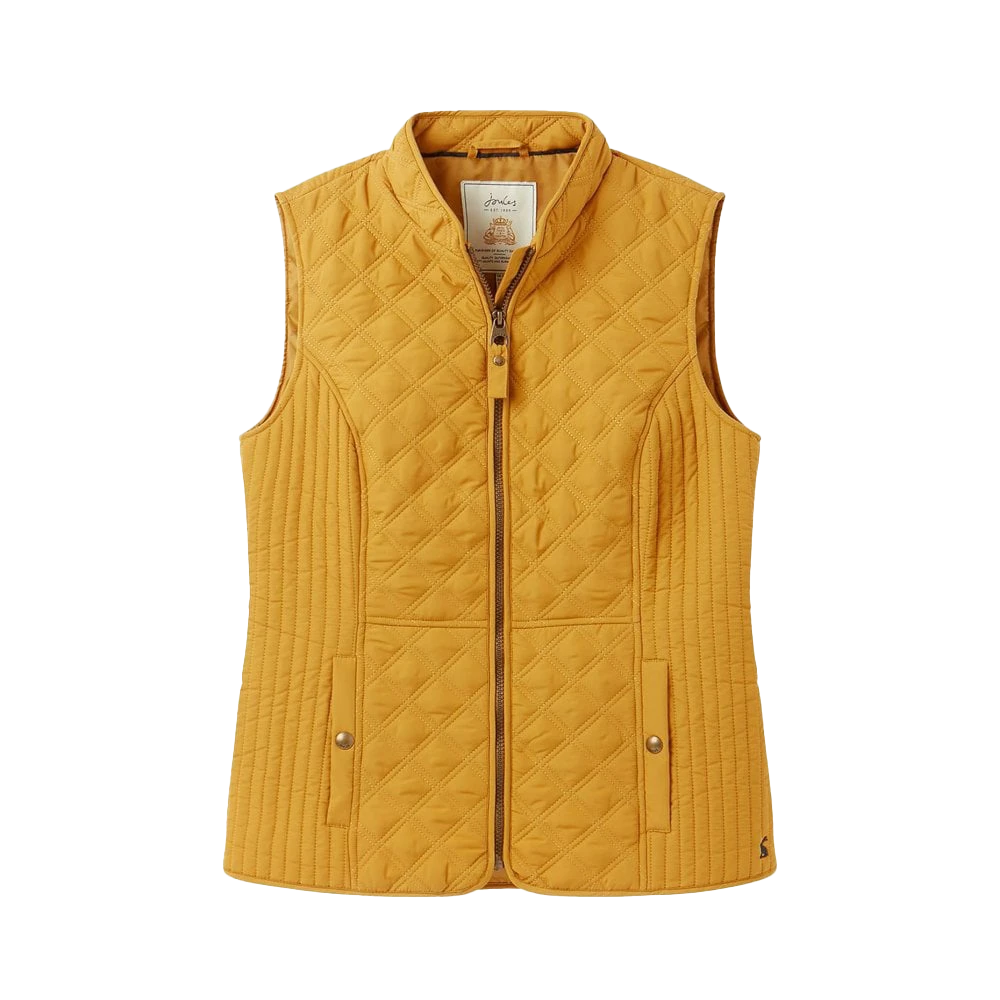
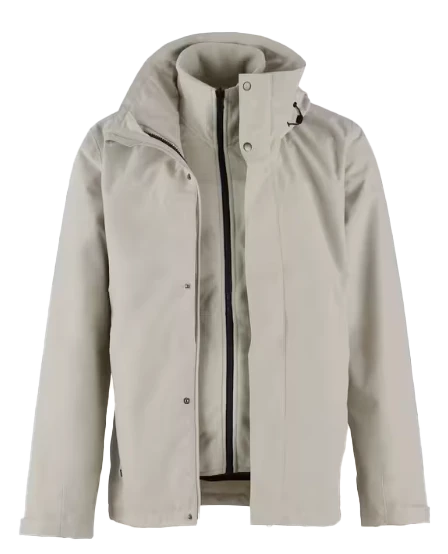
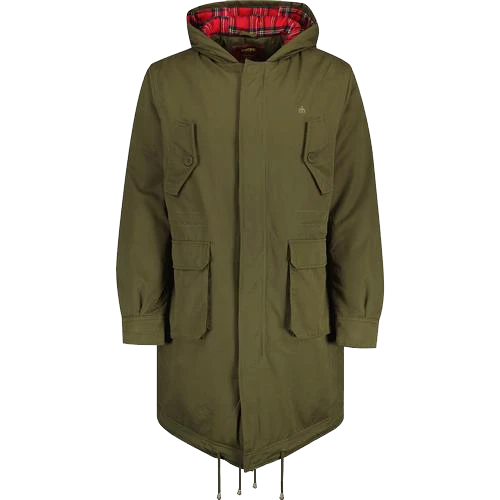
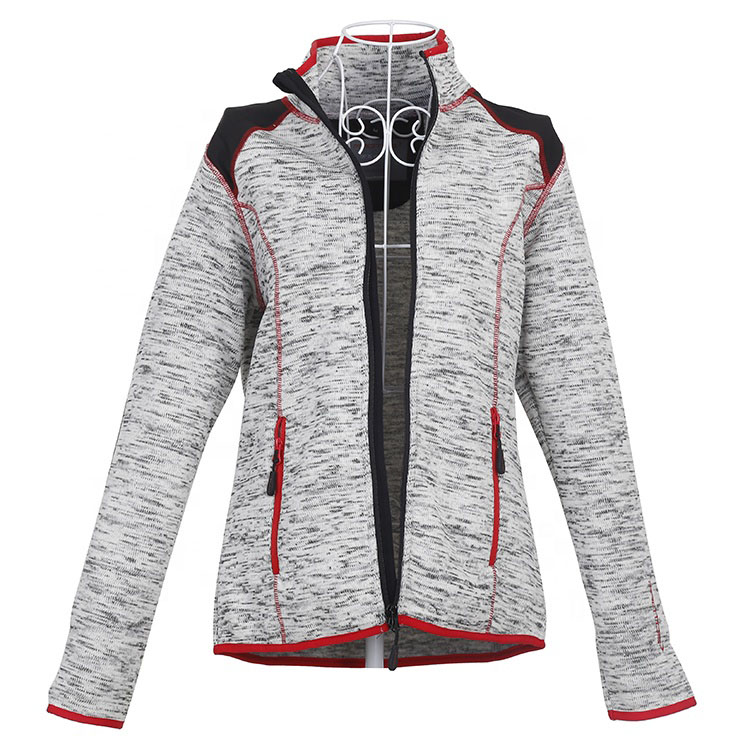
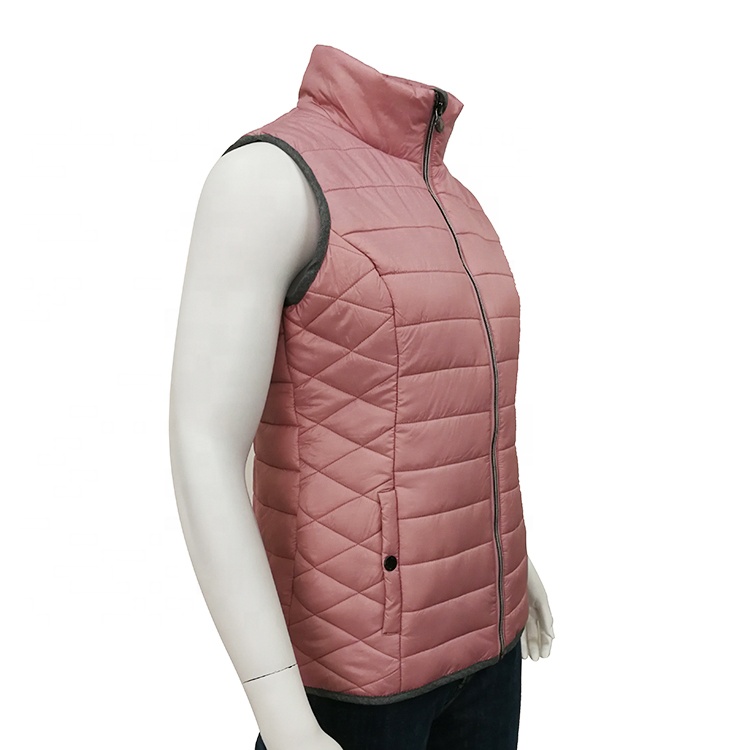
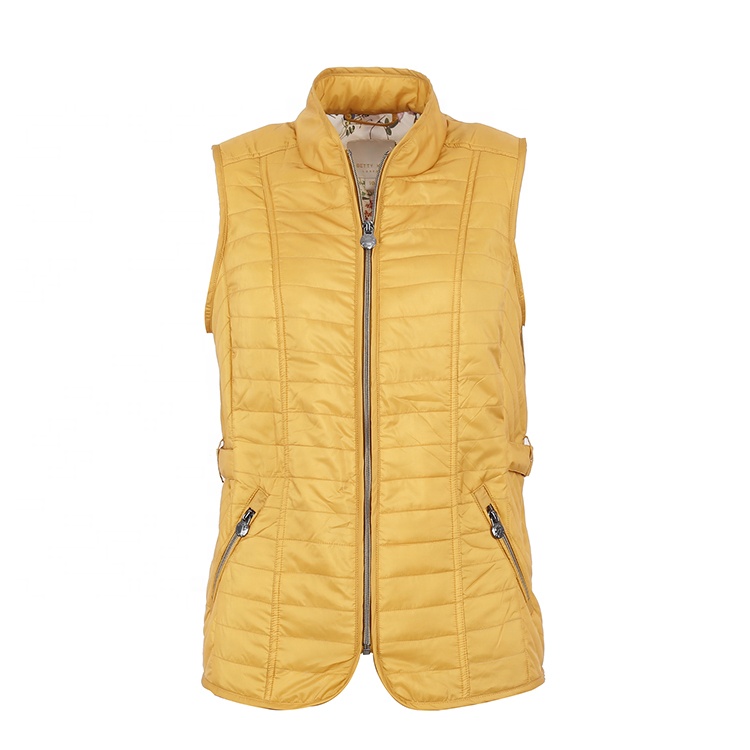
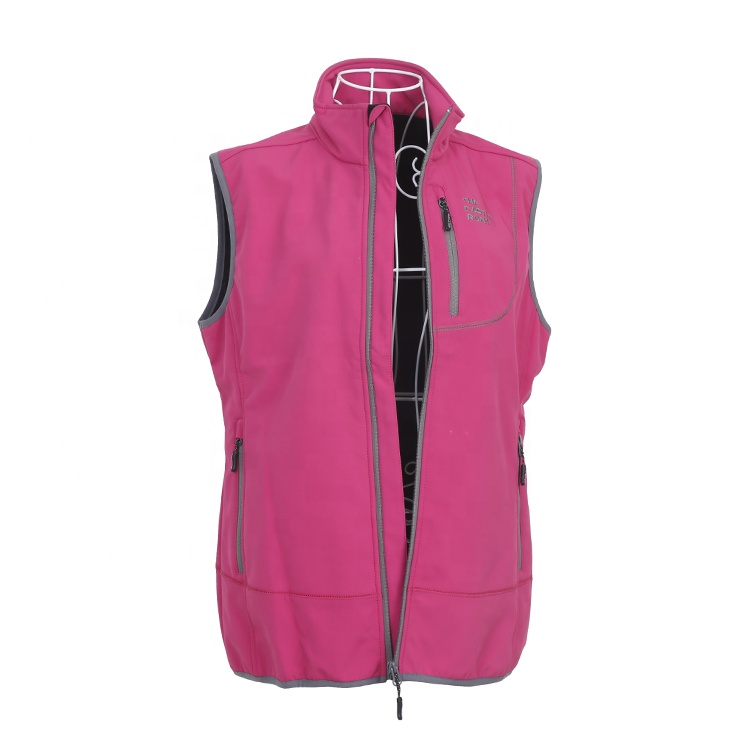
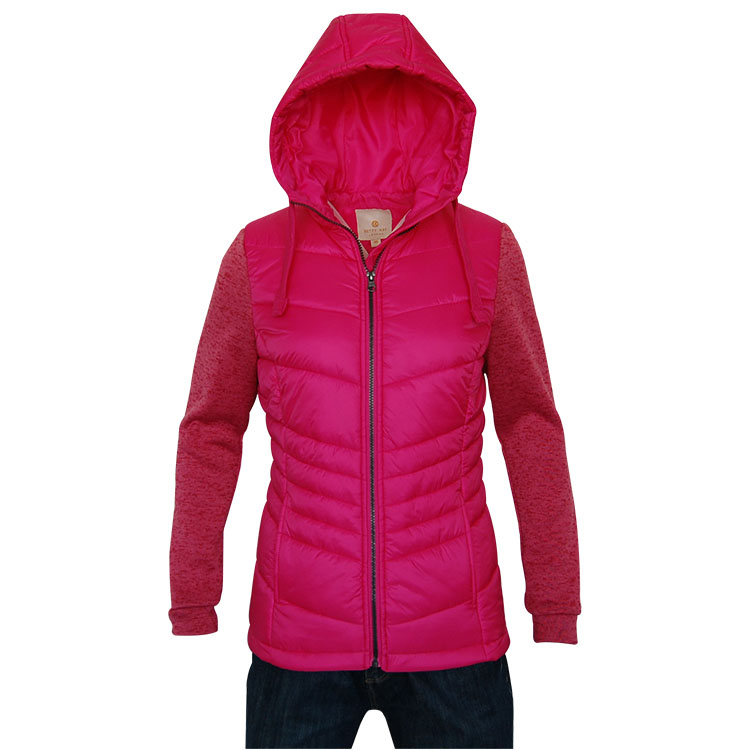
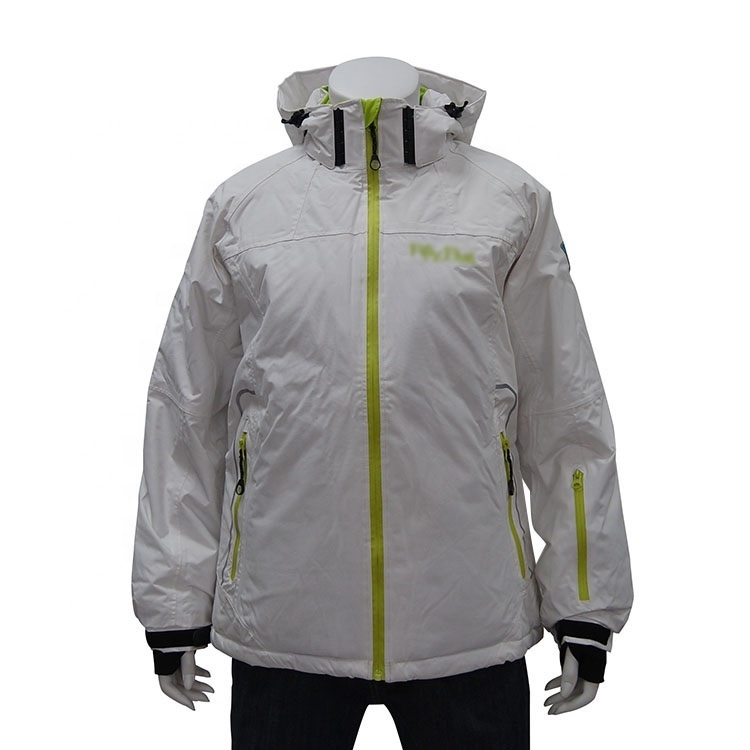
Simply put, a puffer jacket is a quilted coat filled with insulating material — typically down or synthetic fibers — designed to trap heat and block wind. They’re characterized by their distinctive “puffy” segments, once cutting-edge for campers and mountain climbers. Meanwhile, bomber jackets trace back to military pilot gear, usually waist-length with snug cuffs and collars, providing mobility plus mild insulation.
Together, this pair caters to different needs — puffers excel in cold, dry conditions with high insulation; bombers focus on style combined with moderate warmth and versatility. Industry-wise, both are celebrated for offering durability, light weight, and ease of layering — crucial for workers and outdoor enthusiasts alike.
Mini Takeaway: In essence, these jackets are practical expressions of insulation technology tailored to various climates and uses.Core Features to Know About Puffer and Bomber Jackets
1. Insulation Types: Down vs. Synthetic
Many engineers point out that down loft offers superior warmth-to-weight ratio but loses efficacy when wet. Synthetic fills, on the other hand, maintain insulating properties even damp — making them favorites in wet climates or emergency kits.
2. Durability and Material Quality
Tough outer shells often use ripstop nylon or polyester fabrics with water-resistant coatings. These factors are especially prized in industries like construction or disaster relief, where reliability directly impacts safety.
3. Weight and Packability
Thanks to modern textiles, many puffer jackets pack down small and weigh mere hundreds of grams. Bomber jackets generally prioritize sturdiness and style over compressibility but remain less bulky than heavy wool coats.
4. Breathability and Ventilation
Since overheating is a common complaint, venting features or breathable membranes allow moisture escape — an underrated advantage for anyone exerting themselves outdoors.
5. Cost vs. Longevity
The price spectrum is broad: premium puffer and bomber jackets involve ethically sourced down or innovative insulation, whereas budget models may trade durability for sticker appeal. Many consumers find that investing a bit more spares frequent replacements.
6. Sustainability Credentials
Oddly enough, environmental pressure has accelerated the use of recycled fabrics and natural dyes in these jackets — promising greener wardrobes without sacrificing performance.
| Feature | Specification |
|---|---|
| Insulation | 800-fill power goose down, RDS certified |
| Shell Material | 100% recycled nylon with DWR coating |
| Weight | 350 grams (women’s medium) |
| Water Resistance | Highly water-repellent |
| Breathability | Moisture-wicking lining |
Where Around the World Do These Jackets Shine?
In cold industrial zones like northern Canada or Scandinavia, heavy-duty puffer jackets are part of every worker’s inventory.3 Relief organizations in mountainous regions of Nepal or the Andes equip teams with lightweight puffers for rapid deployment during crises. Urban youth culture in America and Europe has widely embraced bomber jackets for their style and moderate warmth.
Notably, nonprofits distributing warm clothing in refugee camps appreciate how packable puffers can be shipped en masse efficiently. Oddly enough, this mix of high-tech materials and classic design translates into diverse practical use-cases — a testament to their adaptability.
Mini Takeaway: From factory floors to mountain peaks and refugee camps, these jackets provide warmth and confidence in challenging environments.| Brand | Price Range | Sustainability | Special Features |
|---|---|---|---|
| Arcadia Outerwear | $250-$400 | 100% recycled fills and shells | Packable, water-resistant, RDS-certified down |
| Heritage Outfitters | $180-$320 | Limited eco practices | Classic bomber styles with modern cuts |
| Summit Pro Gear | $300-$500 | Down with ethical sourcing, renewable packaging | Technical outerwear with ventilation zips |
Why Invest in Quality Puffer and Bomber Outerwear?
Beyond the obvious comfort, there’s an emotional layer here. Wearing a jacket that shields you from biting winds brings in a sense of security, even dignity — no small matter when you’re outdoors for long hours or in precarious environments. Logically, these products can reduce heating costs by keeping individuals warmer, lowering overall energy consumption in work camps or homes.
Moreover, jackets constructed with longevity and sustainability in mind appeal to those who reject fast fashion’s relentless cycle. People talk about the “feel” of an ethically made jacket — it’s subtle, yet powerful: you trust the product because you know a bigger thought went into it.
Mini Takeaway: A good puffer or bomber jacket pays dividends in warmth, sustainability, and personal confidence.Peeking Ahead: Future Trends in Outerwear Technology
The landscape is ticking with innovation: think biodegradable synthetic insulations, temperature-regulating materials, or even solar-powered warming fabrics. Green manufacturing processes are becoming table stakes for many brands, matching consumer demand for less environmental damage.4 On a digression — wearable tech integration is creeping in too, with jackets now featuring sensors or smartphone-controlled heating.
Digital transformation in logistics means quicker delivery and customization options for customers worldwide, meaning you might soon order a jacket that fits your exact climate needs, body type, and style wishes — all online.
But Not Without Hurdles: Challenges & Solutions
One common gripe revolves around the ecological impact of synthetic microfibers shedding in washes, which contribute to ocean pollution. Industry experts champion innovations in microfiber trapping tech combined with durable alternatives. Also, ethical sourcing of down remains complex despite certification efforts.
Cost barriers still block some consumers, but rental and resale markets for high-performance jackets are slowly gaining traction — a clever workaround if you ask me.
Frequently Asked Questions About Puffer and Bomber Jackets
- What makes puffer jackets better for extreme cold than bombers?
- Puffer jackets use thick insulation (down or synthetic) that traps body heat effectively, making them warmer for harsh winters. Bombers are lighter and more style-focused, suitable for moderate cold.
- How long can a high-quality puffer jacket last?
- With proper care, jackets with durable fabrics and well-maintained insulation can easily last 10+ years, especially when stored and cleaned according to manufacturer instructions.
- Are bomber jackets suitable for outdoor work environments?
- Some bombers provide sufficient warmth and mobility for light outdoor work, but they generally lack heavy insulation and weatherproof features needed for harsher conditions.
- Can I find eco-friendly puffer jackets easily?
- Yes, many brands now focus on recycled materials and responsible down sourcing. Look for certifications like RDS (Responsible Down Standard) and recycled content labels.
- Where can I buy quality puffer and bomber jackets online?
- Try specialized retailers and brand sites like puffer and bomber jacket — they offer curated selections with detailed specs and customer reviews.
In Conclusion: Why Puffer and Bomber Jackets Are a Sound Investment
These jackets might seem simple at first glance — just another seasonal apparel category. But peel back the layers, and you find decades of material science, ethical standards, and cultural influences sewn into their fabric. Whether you're gearing for an Arctic trek or just your daily city commute, choosing the right puffer and bomber jacket means tapping into comfort, reliability, and even a bit of style confidence that sticks around year after year.
Ready to upgrade your wardrobe or your team's gear? Visit our collection at puffer and bomber jacket and see what’s new this season.
References:
- United Nations Climate Change Reports, 2023
- Global Outerwear Market Analysis, MarketWatch, 2022
- Industrial Clothing Standards, ISO 13688:2013