





Apr 16, 2026
12.01 / 2025
Discover the Warmth and Innovation of Quilted Down Puffer Jackets | Ultimate Guide
What’s the Big Deal About Quilted Down Puffer Jackets?
Think about the last time you felt that satisfying pop of warmth from your favorite jacket stepping out on a chilly day. That’s where a quilted down puffer jacket makes its subtle but vital entrance. These jackets, beloved worldwide, aren't just fashion statements; they're technical marvels tailored to keep millions cozy against biting cold. From city commutes in New York’s brutal winters to mountaineers trekking lofty peaks in the Himalayas, understanding what makes these jackets tick matters globally — both for consumers and industries alike.
Why does this matter? Because how we keep warm links directly to energy use, sustainability, and even humanitarian efforts in cold zones. The better the insulation, the less we rely on energy-hogging indoor heating—an environmental plus. Plus, there's an urban rhythm to these jackets that's hard to ignore. So yes, beneath their puffiness lies an intricate story worth unraveling.
A Global Chill: The Rising Relevance of Quilted Down Puffer Jackets
According to UN climate data, average global temperatures might be rising, but let’s not fool ourselves—winter’s still coming, and cold snaps are unpredictable. Actually, in many parts of the world, extreme cold events have intensified, creaking power grids and risking lives. Around 40% of the global population experiences sub-zero temperatures each year—meaning reliable insulation gear is more important than ever.
Consider the outdoor apparel market booming beyond $22 billion globally (says Statista), propelled by rising leisure activities and urban demands. But here’s the rub: mass production sometimes focuses on cost over quality, leaving wearers vulnerable. Challenges such as ethical sourcing of down feathers, durability in wet conditions, and sustainable manufacturing all echo through the quilted down puffer jacket scene.
In real terms, figuring out how these jackets perform and evolve is more than just a style choice — it intersects with global supply chains, ethical manufacturing, and climate action.
Breaking it Down: What Exactly is a Quilted Down Puffer Jacket?
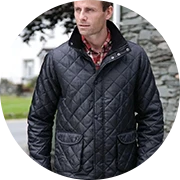
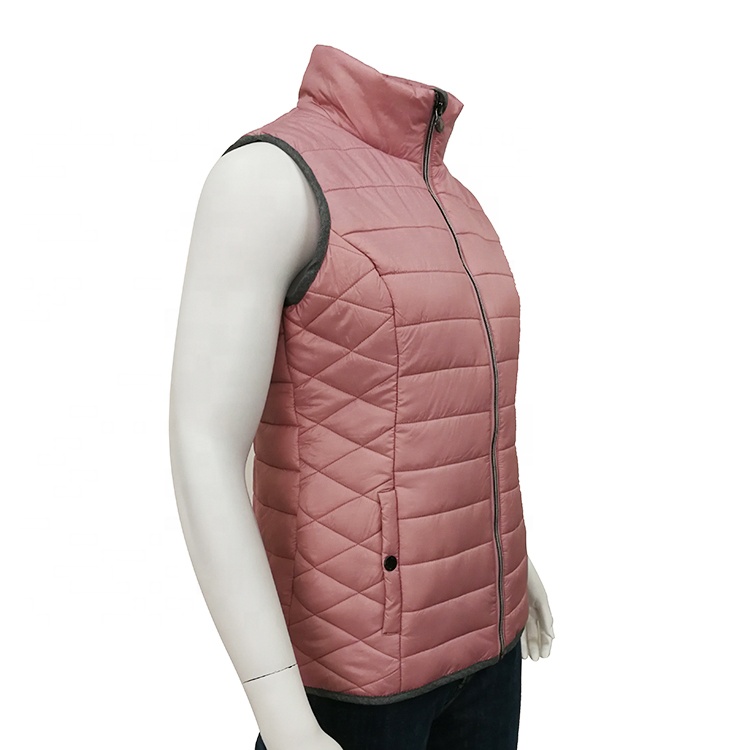
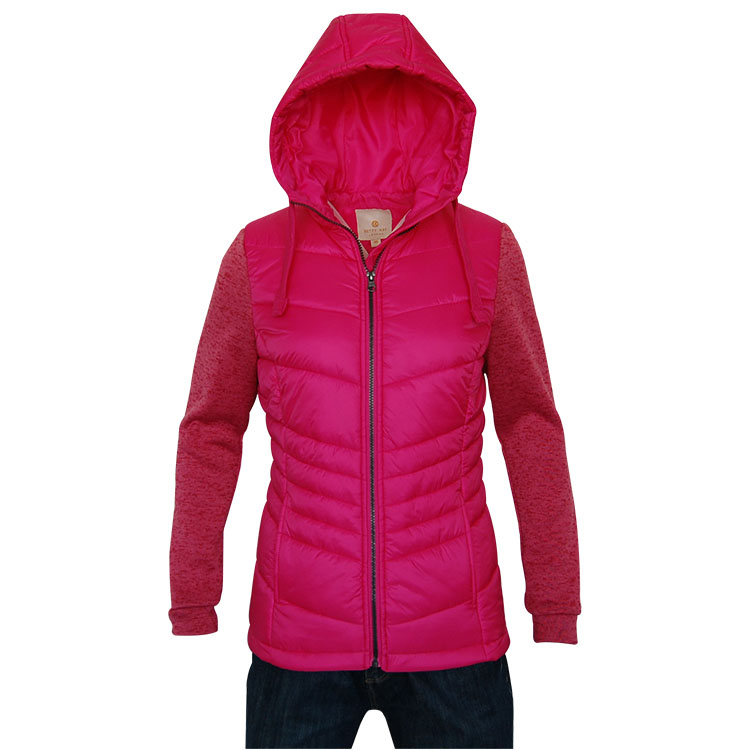
Simply put, a quilted down puffer jacket is an insulated outerwear garment filled with down feathers, typically from ducks or geese, which provides exceptional warmth. The “quilted” part means the jacket is sectioned into compartments—those familiar “puffs”—to keep the down evenly spread and prevent cold spots.
Unlike synthetic fillers, down is prized for its incredible ratio of warmth to weight. Modern industry blends craftsmanship, material science, and design — resulting in jackets that are lightweight, resilient, water-resistant to a degree, and highly compressible for travel. There's something oddly poetic about compressing a jacket something so versatile into a small pocket.
This has spillovers in humanitarian aid: organizations often distribute down jackets in disaster zones where winter survival is critical, or equip field workers operating in remote, frigid environments.
Key Components of a Quilted Down Puffer Jacket
1. Insulation: The Down Cluster
Down feathers are air-trapping champions. Their loft (fluffiness) creates pockets that trap warm air, thereby insulating your core. The quality varies — typically measured in fill power, from 400 (basic warmth) up to 900+ (near top-tier).
2. Shell Material and Durability
This outer layer protects the down from moisture, dirt, and abrasion. Common fabrics include ripstop nylon or polyester treated with Durable Water Repellent (DWR). Keep in mind, wet down loses loft and warmth fast — that’s why shells have gotten smarter.
3. Quilting Stitch Patterns
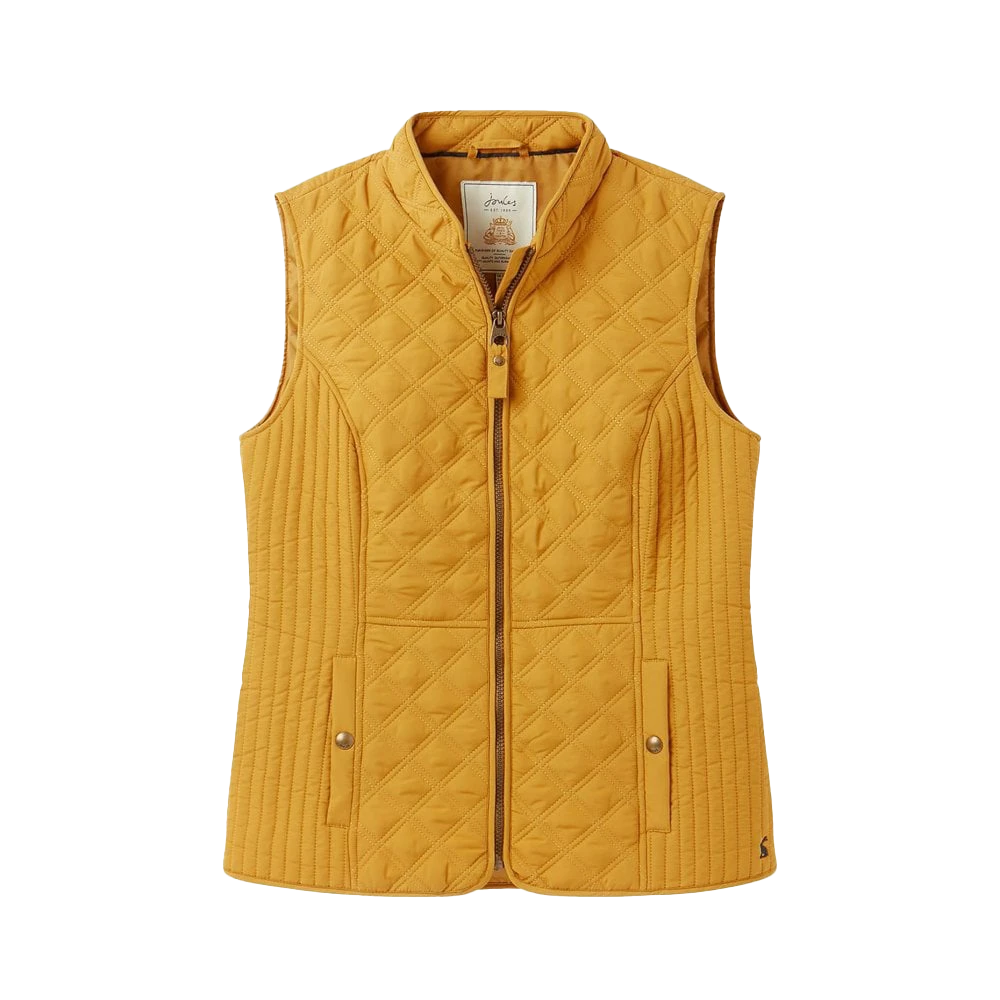
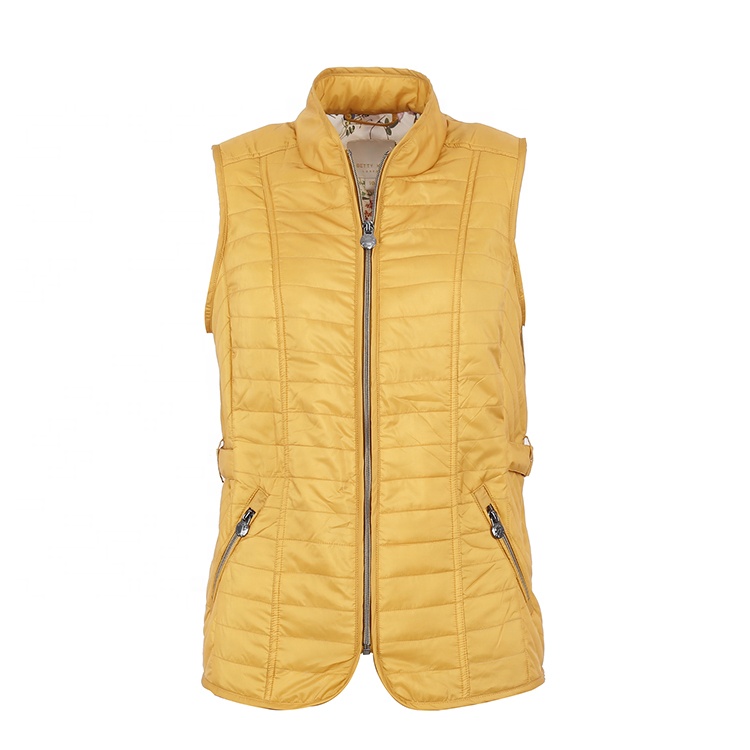
How the jacket is quilted matters: baffles, horizontal stitch lines, box construction — different patterns affect warmth retention and mobility. Some designs even incorporate innovative welded seams to reduce cold spots.
4. Weight and Packability
Many users prize a jacket that’s both warm and packable. Lightweight models compress nicely into a sack. This versatility serves hikers, travelers, daily commuters.
5. Ethical Sourcing & Sustainability
Standards like Responsible Down Standard (RDS) ensure feathers aren’t plucked from live animals. Plus, some brands recycle down from used garments—a growing trend in sustainable production.
Mini takeaways: Down quality, shell fabric, stitch patterns, and ethical sourcing are the linchpins in quilted down puffer jacket performance and reputation.
Global Uses: Where and Who Benefits?
Wherever winter bites, these jackets are in demand. For example:
- North America and Europe: Urban professionals and outdoor enthusiasts rely on puffers during cold seasons.
- High-altitude regions: Himalayan trekkers and Alaskan researchers prize high-fill-power down jackets for survival in extreme cold.
- Humanitarian aid: NGOs distribute quilted down puffer jackets in refugee camps or disaster relief areas in Central Asia and Eastern Europe.
- Industrial zones: Workers in remote Arctic oil fields often depend on durable, insulated puffers for protection.
One interesting case: after the 2019 polar vortex event in Texas, charities noticed a spike in demand for affordable yet warm outerwear — and quilted down puffer jackets filled the gap efficiently. That says something about their far-reaching social value.
Product Specification Table
| Specification | Typical Value | Notes |
|---|---|---|
| Fill Power | 650-850 | Higher = warmer & lighter |
| Fill Weight | 100-300 g | Determines overall warmth |
| Shell Fabric | Nylon, Polyester (DWR coated) | Water & abrasion resistance |
| Weight | 300-600 g | Lightweight to midweight range |
| Ethics | RDS Certified | Animal welfare compliance |
Why This Jacket Still Rules: Advantages & Long-Term Value
It’s not just warmth. These jackets carry this cool blend of practicality and emotional reassurance. For one, they’re reliable — many engineers say puffer jackets hold up well for years under proper care. And because down is so efficient, users save on bulk and weight, making it ideal for travelers or workers needing mobility without compromise.
They also embody sustainability efforts, especially those with recycled downs or cruelty-free certifications. Plus, there's an emotional angle to staying warm and comfortable—especially for vulnerable groups like seniors or displaced communities—that transcends stats. Imagine receiving a puffer jacket in a war zone or bitter winter; it’s more than warmth, it’s dignity.
Future Trends: Where is the Quilted Down Puffer Jacket Headed?
We’re seeing exciting moves toward hybrid materials — mixing down with sustainable synthetic fibers for wet-weather resilience, or integrating smart textiles that regulate temperature dynamically. Technology is creeping in too: from nano-treatment repellents to biodegradable composites.
Digitalization affects production lines, where automation and quality-control sensors are fine-tuning down jacket manufacturing to near-perfection. Companies are also aligning with ISO sustainability standards (ISO 14001, for example) to reduce carbon footprints.
Oddly enough, the future points toward even better warmth with less environmental cost. If that sounds promising, well, it should — because innovation never stops and neither does the need to stay warm in a warming world.
Challenges and How to Outsmart Them
Moisture is the perennial nemesis. Down’s weakness is wetness — once soggy, feathers clump, and warmth plummets. While DWR coatings help, they eventually wear off. Some newer waterproof/breathable laminates add protection but at a cost of breathability or increased weight.
Manufacturers and researchers are exploring solutions: fluorine-free repellents, durable membrane shells, and down-synthetic blends. Another challenge is price — quality down jackets often command premium costs, potentially excluding budget-conscious consumers.
Clever retailers balance cost and performance by thinking modularly — for example, detachable liners or layering systems that extend jacket versatility.
Vendor Showdown: Comparing Top Quilt Down Puffer Jacket Makers
| Brand | Fill Power Range | Sustainability Practices | Price Range |
|---|---|---|---|
| FeatherTech | 700-850 | RDS Certified, recycled down program | $180 - $320 |
| Arctic Shield | 650-800 | Fluorocarbon-free DWR, carbon-neutral factory | $200 - $380 |
| Snowhaven | 600-750 | Locally sourced down, biodegradable packaging | $150 - $270 |
| GlacierGear | 750-900 | RDS & OEKO-TEX Standard 100 | $230 - $410 |
FAQ: Your Quilted Down Puffer Jacket Questions Answered
1. How do I choose the right fill power for my needs?
Fill power indicates the down’s loft and warmth capacity. If you plan to use it for mild winter urban settings, 600-700 fill power should suffice. For harsh climates or mountaineering, aim for 800 or higher. Remember, higher fill power jackets tend to be lighter and more compressible but cost more.
2. Are quilted down puffer jackets sustainable?
Many brands now certify ethical harvesting via the Responsible Down Standard (RDS). Additionally, recycled down and eco-friendly manufacturing processes are becoming common. However, always check brand certifications, as sustainability varies widely.
3. Can I wear a quilted down jacket in wet weather?
Though down excels at insulating dry cold, it falters in heavy rain. Look for water-repellent coatings or hybrid jackets with synthetic shells for better wet-weather performance. Layering also helps keep moisture at bay.
4. How do I care for my quilted down puffer jacket?
Use gentle wash cycles with specialized detergents, and dry with tennis balls to restore loft. Avoid fabric softeners and excessive heat. Proper care can extend your jacket’s life significantly.
5. Are down puffer jackets worth the investment?
Given their exceptional warmth-to-weight ratio and long-term durability, most outdoor enthusiasts and cold-weather city dwellers find the investment worthwhile. Plus, the intangible comfort on a freezing morning can’t be overstated.
In Closing — Why This Jacket Still Deserves a Spot in Your Closet
Quilted down puffer jackets blend science, style, and sustainability into one versatile package—meeting both modern consumer demands and critical global needs. As winters grow uncertain and cold zones expand, the trusty down puffer remains a frontline guardian against the cold.
Curious to explore your next warm layer? Check out our curated collections at https://www.outdoor-jacket.com. Because warmth isn’t just comfort—it’s peace of mind.