






Apr 16, 2026
11.28 / 2025
Down Puffer Bomber Jacket – Ultimate Guide to Warmth and Style
The Lowdown on the Down Puffer Bomber Jacket: More Than Just a Trend
At first glance, the humble down puffer bomber jacket might seem like just another stylish winter essential, but its importance stretches far beyond fashion. Globally, this jacket represents a smart blend of insulation, durability, and practicality, making it a staple for outdoor enthusiasts, humanitarian workers, and urban commuters alike. Understanding the nuances of this jacket not only helps consumers make savvy choices but also reveals its role in larger themes like sustainability and innovation in textile manufacturing.
Why the Down Puffer Bomber Jacket Matters on a Global Scale
According to the World Meteorological Organization, extreme cold weather events have increased in frequency, impacting millions worldwide. This, paired with urban population growth and a rising interest in sustainable outerwear, means that effective cold protection gear is more important than ever. The down puffer bomber jacket is well-suited to meet these challenges — it provides superior warmth without bulk, thanks to down insulation’s high loft-to-weight ratio. Yet, there are challenges: material sourcing, ethical production, and balancing style with utility remain hot topics.
Plus, folks in colder regions like Canada, Scandinavia, and Russia rely heavily on these jackets not just for comfort but survival, which underlines their critical role beyond just looking cool.
What Exactly Is a Down Puffer Bomber Jacket?
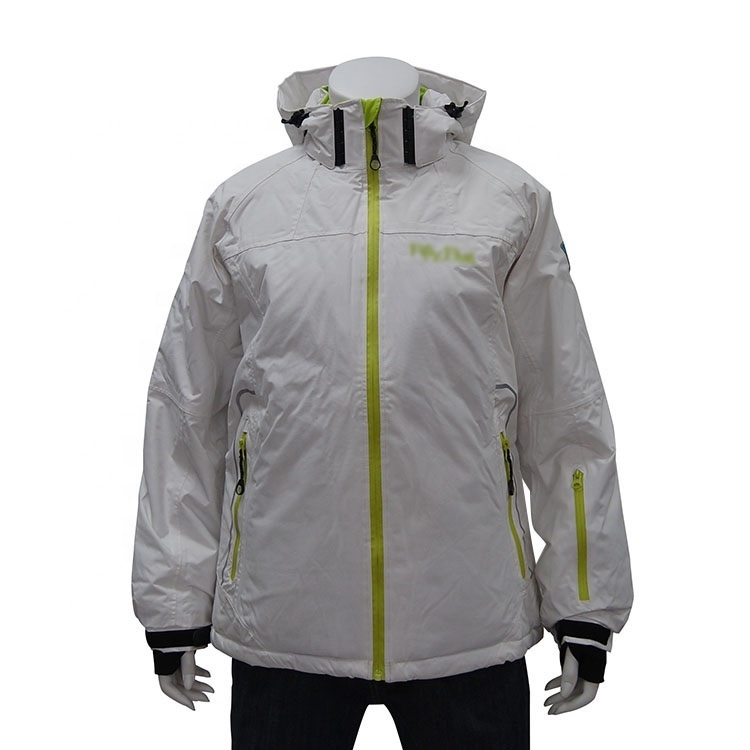
In essence, a down puffer bomber jacket blends a classic bomber silhouette—characterized by a fitted waist and cuffs, and a short, waist-length cut—with the puffy quilted design that traps warm air inside. The “down” part refers to the filling, usually the soft under-feathers from ducks or geese, prized for their insulating properties.
But it’s more than just a winter staple. The jacket’s construction answers practical needs in industries like outdoor recreation, emergency response, and even aid organizations. In cold climates and harsh environments, the jacket functions as lightweight armor—keeping body heat in without adding unnecessary weight or restricting movement.
Core Components: What Makes These Jackets Tick?
1. Insulation Quality
Down insulation ratings are measured in fill power—a scale from roughly 300 (basic insulation) to 900+ (premium loft). Higher fill power means better warmth-to-weight ratios. A high-quality down puffer bomber jacket typically uses 600-800 fill power, balancing warmth with compressibility for easy packing.
2. Shell Material
Durable nylon or polyester shells with a DWR (Durable Water Repellent) finish help the jacket resist light rain and snow, which is crucial because wet down loses insulating power fast. Some brands now add breathable membranes like Gore-Tex to improve weather resistance without sacrificing comfort.
3. Construction and Stitching
“Baffle” construction is the go-to: individual compartments sewn between inner and outer panels prevent down from shifting. This technique keeps warmth evenly distributed and reduces cold spots, a big deal when facing long exposure outdoors.
4. Fit and Flexibility
The bomber jacket’s signature trim fit, combined with functional elements like ribbed cuffs, sometimes adjustable hems, and elastic waists, ensures the jacket traps heat close to the body without restricting movement—vital for outdoor activities or urban hustle.
Summary:
- Good insulation ensures warmth without bulk.
- Water-resistant shells keep down dry and efficient.
- Quality stitching prevents heat loss.
- Fit enhances comfort and utility.
Where Does the Down Puffer Bomber Jacket Shine? Real-World Applications
Hospitals, NGOs, and government disaster relief teams have increasingly turned to down puffer bomber jackets for aid workers operating in chilly disaster zones. For example, after the 2022 earthquake response in the Himalayas, the snug fit and lightweight warmth of these jackets were critical for responders navigating steep terrain.
Also, industries like alpine skiing, mountaineering, and even city bike couriers find them indispensable. In Scandinavian countries, where winter temperatures plummet and daylight is brief, the blend of comfort and thermal efficiency keeps workers and daily commuters going, often paired with reflective detailing for safety.
Down Puffer Bomber Jacket Specification Table
| Specification | Details |
|---|---|
| Fill Power | 700 (Premium Goose Down) |
| Shell Material | Nylon with DWR Coating |
| Weight | Approx. 450 grams |
| Weather Resistance | Water Resistant & Breathable |
| Fit | Trim bomber silhouette with ribbed cuffs and waist |
| Packability | Compresses to a small size for easy travel |
Comparing Top Vendors: Who’s Making the Best Down Puffer Bomber Jackets?
| Brand | Fill Power | Price Range | Sustainability | Unique Feature |
|---|---|---|---|---|
| North Peak | 750 | $220–$300 | Responsible Down Standard certified | Integrated pack pouch |
| Urban Trek | 700 | $180–$250 | Recycled shell fabrics | Reflective trims for city safety |
| MountainWay | 800 | $280–$350 | Ethically sourced down | Waterproof membrane layer |
| EcoWear | 650 | $150–$220 | 100% biodegradable fabrics | Plant-based dyeing process |
The Lasting Benefits of Choosing a Quality Down Puffer Bomber Jacket
Cost-wise, these jackets might seem an investment upfront, but they pay off in long-term durability and reliable performance. They last several seasons with proper care and also hold their shape and warmth better than synthetic alternatives. Emotionally, there’s a sense of security wearing something that’s designed to protect, often in challenging environments. There’s also growing trust in brands prioritizing ethical sourcing, reflecting consumer values beyond functionality.
And frankly, it just feels good to have a jacket that looks sharp, fits well, and doesn’t weigh you down. Those little things add up, especially if you spend a lot of time wrapped up against the cold.
What’s Next? Innovations and Trends in Down Bomber Jackets
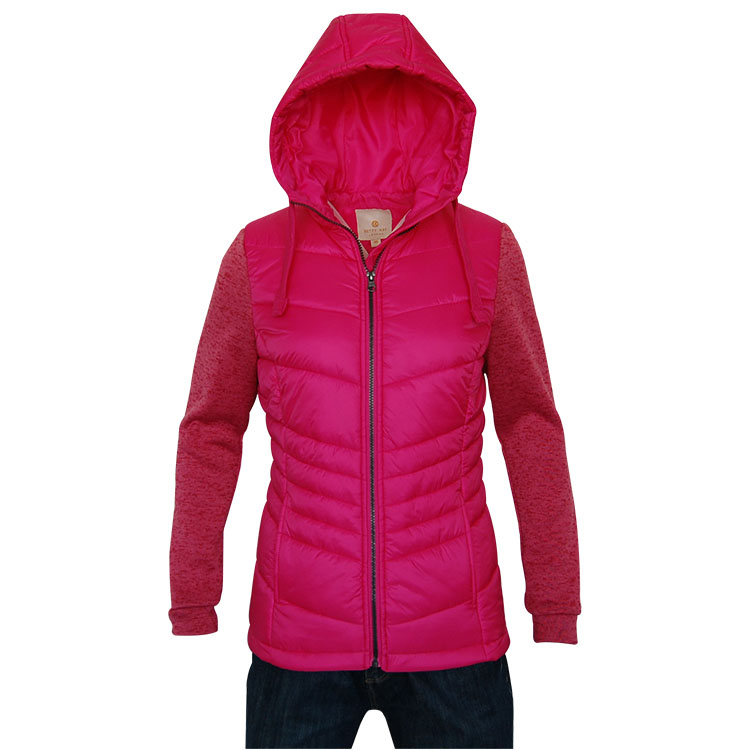
We’re seeing exciting tech like nano-coatings that repel moisture even more effectively and hybrid jackets that combine down panels with stretch fabrics for enhanced mobility. Sustainability remains a big driver: closed-loop recycling of down and outer fabrics is becoming more common, aiming to reduce landfill waste. Digital customization through apps allowing customers to tweak color, fill, and trims is something designers are exploring as well — a bit of personalization meets function.
Overcoming Challenges: From Wet Down to Ethical Sourcing
Even with all the perks, down jackets face hurdles. Wet down clumps and loses warmth quickly unless treated or paired with hydrophobic shells. Ethical sourcing demands transparency in supply chains, and unfortunately, not every brand measures up yet. But industry standards like the Responsible Down Standard are helping steer manufacturing toward better animal welfare and traceability.
Additionally, for extreme cold conditions, layering is advised since no single jacket grants total versatility. Manufacturers continue to innovate with removable liners and layering systems to meet these needs.
FAQ: What You’re Really Asking About Down Puffer Bomber Jackets
- Q: How do down puffer bomber jackets compare with synthetic insulation for cold weather?
A: Down generally offers superior warmth-to-weight ratio and compressibility, ideal for outdoor adventure. Synthetic insulation performs better if wet, but tends to be bulkier and heavier. Many choose down for dry cold, synthetics for damp climates. - Q: Can I machine wash a down puffer bomber jacket?
A: Yes, but carefully! Use a gentle cycle with down-specific detergent, avoid fabric softeners, and tumble dry with dryer balls to restore loft. Always check care labels to avoid damage. - Q: Are there vegan alternatives to down puffer bomber jackets?
A: Absolutely. Many brands now offer plant-based or recycled synthetic insulation with promising warmth and environmental benefits, though traditionalists may still prefer real down’s natural feel. - Q: Is responsible down certification really important?
A: It’s crucial if you care about ethical fashion. Certifications ensure birds aren’t live-plucked or force-fed. Many companies now use RDS-certified down to meet growing demand for humane sourcing. - Q: How do I choose the right fill power for my needs?
A: For everyday urban use, 600-700 fill power balances warmth and price. For colder, multi-day outdoor excursions, 750+ offers better insulation with less bulk.
Wrapping Up: Why the Down Puffer Bomber Jacket Is Worth Your Attention
The down puffer bomber jacket fades the line between fashion and function with such finesse that it’s no surprise it’s become a global favorite. Whether trekking through mountain ranges or battling chilly morning commutes, its blend of warmth, comfort, and style keeps pace. Plus, its role in supporting responsible sourcing and sustainable innovation signals a promising future for outerwear.
Ready to upgrade your cold-weather gear? Check out the latest designs and trusted brands today at down puffer bomber jacket.
Quick Recap
- Down puffer bomber jackets offer superior warmth with a sleek fit and lightweight feel.
- High fill power and quality materials are essential for long-term performance.
- Applications span from everyday city use to extreme outdoor and humanitarian needs.
- Sustainability and ethics are driving innovation alongside technical features.
References: