





Apr 16, 2026
11.25 / 2025
Durable, Waterproof and Windproof Padded Jackets for Extreme Weather | Outdoor-Jacket
Why a Waterproof and Windproof Padded Jacket Matters More Than You Think
When you picture a jacket, you might simply think warmth or fashion. But the waterproof and windproof padded jacket is a little different — it’s a piece of gear designed not just for comfort, but protection in some of the harshest outdoor conditions on Earth. Globally, with increasing climate unpredictability and more people working or surviving in challenging environments, this specialized outerwear plays a quiet but crucial role. Understanding its qualities isn’t just for outdoorsy folks; it’s key to industries and humanitarian efforts worldwide.
Think about this: the United Nations reports that climate-related disasters have tripled in frequency over the past 30 years, pushing the need for durable, protective gear that can withstand wind, rain, and cold. Enter the waterproof and windproof padded jacket — a shield against the elements that blends technology and craftsmanship. This jacket isn’t a luxury; it’s a vital tool for workers, rescuers, and adventurers alike.
What Exactly Is a Waterproof and Windproof Padded Jacket?
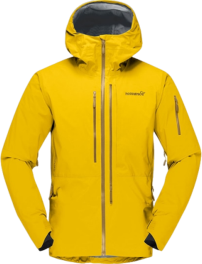
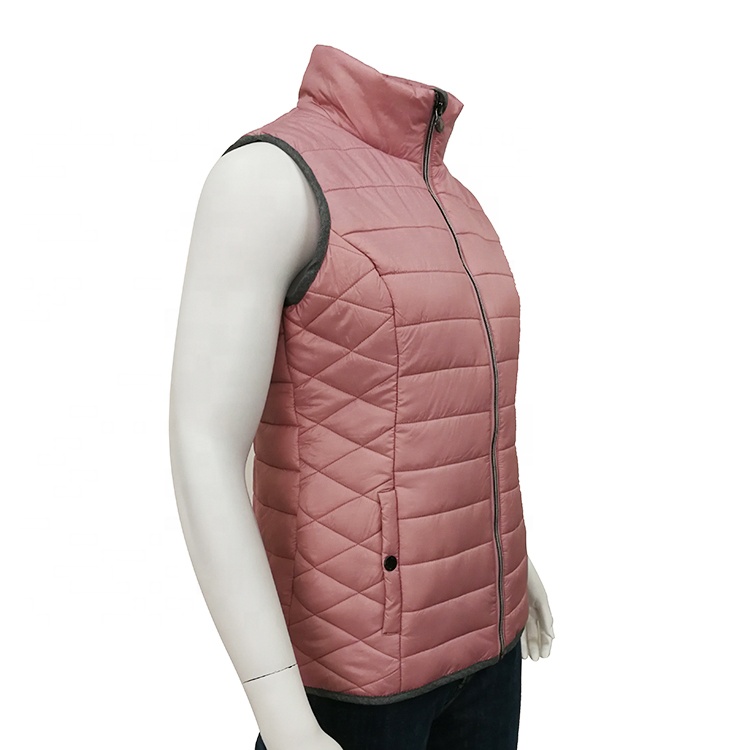
Simply put, a waterproof and windproof padded jacket is outerwear built with materials that block water and wind, layered around insulating padding. The goal is straightforward: keep the wearer dry, comfortable, and warm even when the weather screams otherwise.
But there’s more to it than just stuffing fabric and cotton together. The jacket connects deeply to modern industry needs — from construction workers battling coastal storms to humanitarian aid teams in post-disaster zones needing reliable gear that holds up under pressure. It’s the unsung hero of technical outerwear, combining weatherproofing membranes, strong fabrics like ripstop nylon, and synthetic or down insulation.
Core Components and What Makes Them Tick
1. Durability & Material Quality
At the heart, the jacket relies on fabrics tested for tens of thousands of abrasion cycles. Many employ proprietary waterproof membranes like Gore-Tex or eVent combined with tightly woven outer layers. The padding often uses synthetic fills (like PrimaLoft) for moisture resistance, or natural down for maximum warmth but with more care required. Oddly enough, longevity tends to hinge as much on stitch quality and seam taping as it does on fabric specs.
2. Breathability without Leaking
This might sound contradictory — waterproof yet breathable? That's the magic of modern tech. Good jackets allow sweat vapor to escape while keeping rain and wind outside. This balance prevents clammy discomfort, essential in active use.
3. Weight & Packability
For field workers or travelers, a jacket that packs small but performs big is invaluable. Advances in ultralight padding and compressible membranes mean walkers can duck into a pocket when the sun comes out, then pull it back on when the weather turns sour.
4. Fit and Ergonomics
A jacket that restricts movement defeats the point. Ergonomic tailoring coupled with adjustable hoods, cuffs, and hems means wearers stay protected without feeling boxed in. This is especially important for industrial users needing freedom to operate tools or machinery safely.
Real-World Impact: Applications Across the Globe
Waterproof and windproof padded jackets aren’t just for the weekend hiker. They serve critical roles in a range of demanding environments:
- Disaster Relief Operations: NGOs distribute these jackets to flood and storm victims across Southeast Asia and the Caribbean, providing essential warmth and dryness when infrastructure is down.
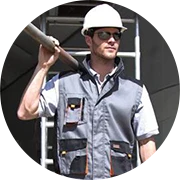
- Industrial Workers in Harsh Climates: Oil rigs, mining sites in Arctic regions, or windfarms rely on these jackets to protect workers from biting cold and wet winds.
- Military and Law Enforcement: Tactical units operating outdoors depend on reliable outerwear that won’t fail mid-mission.
- Outdoor Enthusiasts: Climbers, skiers, and trekkers worldwide swear by jackets that can withstand sudden weather shifts, preserving safety and comfort.
Each use case shares a common thread: the critical need for dependable protection against the elements in locations where failing gear means real risk.
Mini takeaway: These jackets create a barrier that literally changes how people face and survive severe weather, especially in vulnerable or critical outdoor conditions.
Comparing Waterproof and Windproof Padded Jackets: Key Specs
| Feature | Typical Range / Value | Why It Matters |
|---|---|---|
| Waterproof Rating (mm) | 10,000 – 20,000 mm | Higher ratings block heavier rain; critical for sustained wet conditions |
| Breathability (g/m²/24h) | 8,000 – 20,000 g/m² | Measures moisture vapor escape, keeping wearers dry inside |
| Insulation Type | Synthetic (PrimaLoft), Down, or Hybrid | Affects warmth, weight, moisture resistance |
| Weight | 400 – 900 grams | Light jackets improve mobility and convenience |
| Seam Sealing | Fully/Taped | Prevents water ingress through stitching, essential for true waterproofing |
Vendor Comparison: What to Look for When Buying
| Brand | Waterproof Membrane | Insulation Type | Price Range | Ideal Use Cases |
|---|---|---|---|---|
| ArcticPro Gear | Gore-Tex Pro | High-loft synthetic | $300 – $500 | Extreme cold climates & industrial use |
| Nimbus Outdoors | eVent Membrane | Down/Synthetic hybrid | $250 – $450 | Adventure sports & disaster relief |
| TerraSafe Works | Proprietary Waterproof Tech | Synthetic insulation | $200 – $400 | Industrial & field workers |
Advantages: Why Investing in Quality Jackets Pays Off
We live in a world where reliability can mean the difference between a mild afternoon hike and a serious health risk. A waterproof and windproof padded jacket provides that reliability — it safeguards warmth, prevents hypothermia, and extends time spent safely outdoors.
From a cost perspective, a well-made jacket lasts multiple seasons, reducing repetitive replacements. It also supports sustainability goals; many brands now focus on recycled materials or down certification according to responsible sourcing (see ISO guidelines). On a more human note, it’s about fostering trust and dignity — workers and aid recipients deserve gear that actually works, not just cheap hand-me-downs.
Mini takeaway: Beyond warmth, these jackets carry social weight — empowering people to face their environments without fear or compromise.
What’s Next? Emerging Trends and Innovations
The outdoor clothing industry is humming with innovation. Expect to see jackets increasingly built with bio-based waterproof coatings, cutting down on harmful chemicals. Digital weaving tech lets brands create ultra-lightweight but tough fabrics customized for specific climates or industries.
Another development is integrating smart tech — moisture sensors embedded in linings, or jackets that adjust warmth based on body temp measured by wearable devices. Oddly enough, as we get smarter about materials, we also return to nature-inspired designs: think layering patterns mimicking animal insulation or feathers.
Challenges and How Brands Are Solving Them
True waterproofness and breathability rarely come hand in hand; many jackets compromise. Plus, affordable options can skimp on seam sealing or use lower-grade insulation prone to clumping when wet.
Innovative companies now deploy rigorous in-field testing and use lamination technologies that better balance protection with airflow. They also offer modular designs where padding can be added or removed according to weather, making jackets more versatile and extending their lifespan.
Frequently Asked Questions About Waterproof and Windproof Padded Jackets
Q1: How do waterproof and windproof padded jackets differ from regular winter coats?
A: Unlike ordinary coats, these jackets use specialized membranes and sealed seams to prevent water and wind penetration while allowing moisture escape. The padding is often designed to maintain warmth even when damp, delivering superior protection in harsher environments.
Q2: Can these jackets be machine washed without losing their waterproof qualities?
A: Most modern jackets can be washed gently using recommended detergents, but it's crucial to follow care labels. Reapplying a durable water repellent (DWR) treatment periodically helps restore water-shedding performance.
Q3: Are synthetic insulation jackets warmer than down?
A: It depends. Down usually offers better warmth-to-weight ratios but loses insulating power when wet. Synthetic insulation retains warmth even when soaked, making it preferred in wet, variable climates.
Q4: What should I look for if I need a jacket for emergency or relief work?
A: Focus on durability, waterproof rating above 10,000 mm, fully taped seams, and versatile insulation. Also consider features like multiple pockets for storage and adjustable hoods for added protection.
Wrapping Up: Comfort Meets Safety
It’s clear that a waterproof and windproof padded jacket is not just a luxury item — it’s an essential piece of gear for a world facing ever more extreme weather and evolving outdoor challenges. Whether you’re an industrial worker, a first responder, or just someone chasing adventure, understanding the nuances can change your experience dramatically.
Explore options, consider your environment, and invest in quality. Your warmth—and safety—may depend on it.
Visit our website to discover our latest collection: https://www.outdoor-jacket.com