






Apr 16, 2026
12.03 / 2025
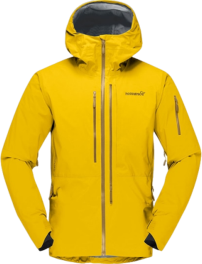
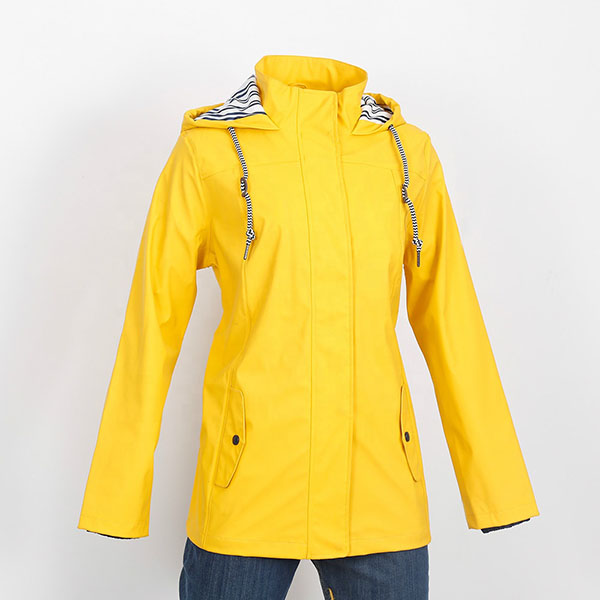
Durable Yellow Windbreaker: Industrial-Grade Visibility & Comfort
Why a yellow windbreaker still holds its ground in industrial gear
Having spent more than a decade in various industrial settings—from dusty manufacturing floors to blustery offshore platforms—I've come to notice how something as simple as outerwear can influence both comfort and safety. Oddly enough, the humble yellow windbreaker stands out more than you might expect. It’s not just about the bright color (though that helps with visibility); the design and materials they use have really evolved over the years.
Back when I first started, windbreakers were largely flimsy, kind of like lightweight nylon sacks. You wore them because you had to, not because they did much else. Now? They’ve become more of a hybrid, balancing protection against wind, light rain, and even some chemical splashes—depending on the treatment—while keeping you cool under active conditions. Frankly, it feels like the perfect compromise for many field jobs where bulky jackets just aren’t practical.
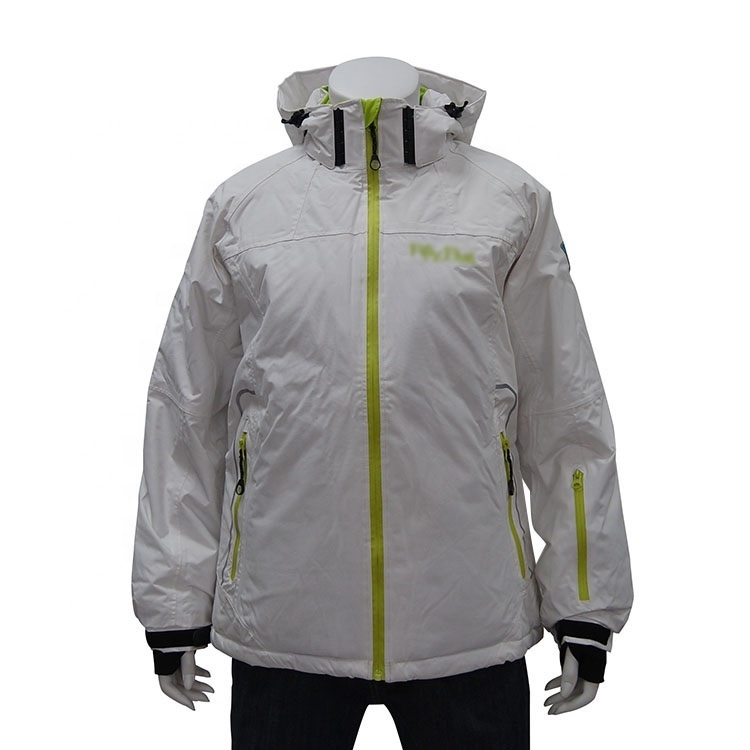
One particular thing I noticed about modern yellow windbreakers is how manufacturers pick vibrant, safety-first hues while combining them with durable fabrics like ripstop nylon or polyester blends. The reflective strips, usually placed on shoulders or sleeves, do wonders for making you visible during early morning shifts or night work. Many engineers I know will insist on these features, not just for the compliance checklist, but because they’ve seen the difference in real scenarios.
| Feature | Description |
|---|---|
| Material | Ripstop polyester with water-repellent coating |
| Weight | Approx. 300 grams (lightweight) |
| Visibility | High-visibility yellow with reflective stripes |
| Wind Resistance | Blocks over 95% of wind |
| Water Resistance | Water-repellent, not fully waterproof |
| Pockets | Two zippered hand pockets |
| Sizes | S to 3XL |
I remember one summer at an outdoor equipment site when a sudden gust nearly swept away an unsecured tool bag; the crew rushed to shelter, but their windbreakers—bright yellow and snug—helped them stay warm and visible as rain began to drizzle. That day underscored to me that the right jacket isn’t just a convenience—it’s often a small but vital part of site safety.
Now, thinking about customization, some suppliers offer reflective tape positioning based on the specific environment—a small detail but one that makes checking compliance easier for safety managers. Even sleeve length adjustments and accordion-pleated backs for flexibility make their way into certain tailored models.
| Feature | Brand A | Brand B | Brand C |
|---|---|---|---|
| Material | Ripstop polyester | Nylon blend | Polyester with PU coating |
| Water Resistance | Water-repellent | Waterproof membrane | Water-repellent |
| Visibility Features | Reflective stripes on sleeves & shoulders | Reflective panels front and back | Standard reflective piping |
| Weight | 300g | 450g | 320g |
| Price Range | $45 - $60 | $70 - $90 | $50 - $65 |
| Customization Options | Logo printing, tape placement | Custom sizing, reflective areas | Limited |
In real terms, if you're in a sector where you can't afford to sacrifice safety or comfort, a yellow windbreaker is more than just a vestige of fieldwork fashion. It’s a continuously refined tool, shaped by feedback and decades of trial on some of the most unforgiving job sites.
So, whether you’re outfitting a team or sorting your own gear, consider the little improvements you might not notice right away but will appreciate as conditions change. And if you want to check out some of the latest models with proven durability, waterproofing, and that unmistakable high-visibility color, I’d definitely recommend exploring options at yellow windbreaker listings there. You might be surprised how much performance you get in something so deceptively simple.
At the end of the day, a good yellow windbreaker is like that reliable coworker—quietly essential, steady, and there when you need it.
References:
- Industrial Safety Apparel Standards – OSHA
- Material Science in Outdoor Wear – Textile Journal, 2022
- Field Experience Reports, Various Industrial Sites (2010–2023)