






Apr 16, 2026
12.02 / 2025
Essential Guide to the Fitted Womens Puffer Jacket: Style, Sustainability & Warmth
What is a Fitted Womens Puffer Jacket and Why It Matters Today
If you've ever shivered through a cold winter morning or battled gusts of biting wind, you might have reached for a puffer jacket. But when it comes to a fitted womens puffer jacket, there’s something uniquely practical and stylish about it. These jackets, thoughtfully designed to contour a woman’s shape, balance warmth with mobility without adding bulk. Globally, the demand for such outerwear isn’t just a fashion statement—it’s an industry response to varying climates, sustainability concerns, and active lifestyles.
To put it bluntly, the fitted womens puffer jacket bridges the gap between comfort and performance across seasons and continents. With cold-weather apparel markets expanding worldwide (the global outdoor clothing market alone was valued at over $20 billion in 2023 according to Statista), understanding what makes a fitted puffer jacket stand out can be surprisingly valuable. It’s not just about looking good but about materials science, insulation technology, and ethical sourcing—topics worth a closer look.
Introduction: The Global Relevance of Fitted Womens Puffer Jackets
Climate change has brought unpredictable weather patterns. Cold snaps can strike places that didn’t expect them. At the same time, more women are embracing outdoor lifestyles, from urban exploration to mountain sports, pushing demand for comfortable but efficient cold-weather wear. According to the United Nations Environment Programme, the push for sustainable apparel is critical, prompting manufacturers to innovate with eco-friendly insulation and recycled materials. The fitted womens puffer jacket is a good case study at this intersection of function, fashion, and sustainability.
But there's a problem: Many older styles tend to be either too bulky or lacking in tailored fit, which can limit dexterity and comfort. That’s slowly changing, thankfully.
Defining the Fitted Womens Puffer Jacket
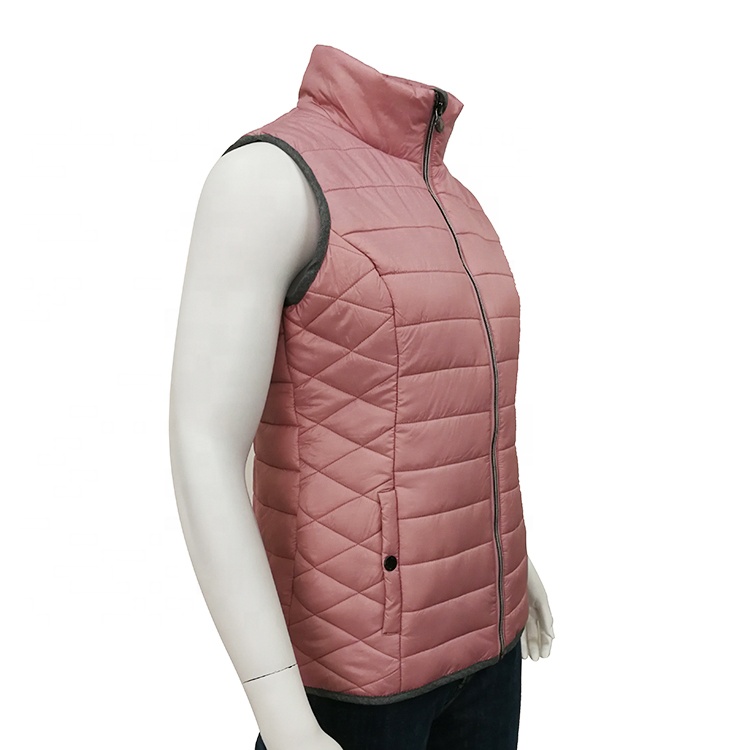
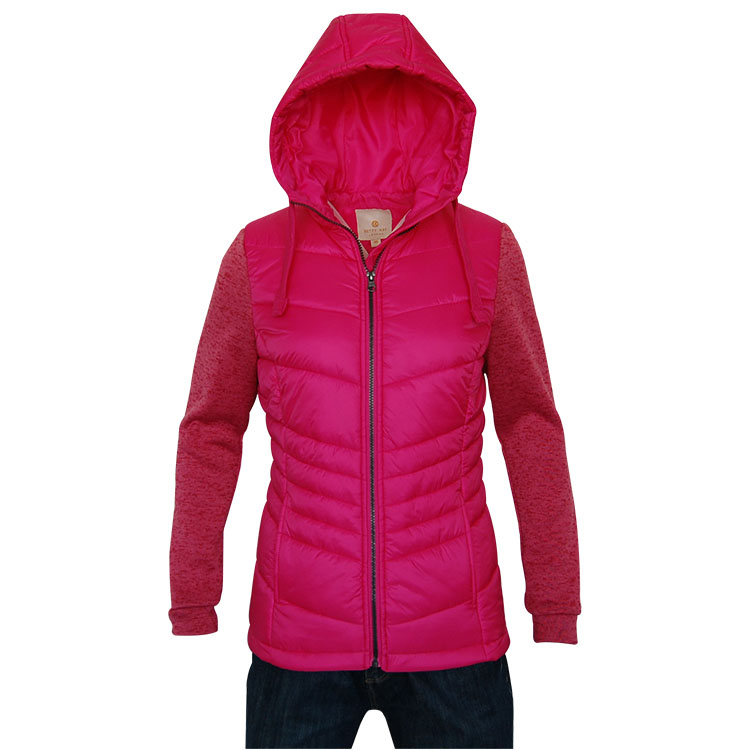
At its core, a fitted womens puffer jacket is a lightweight, quilted coat insulated with down or synthetic fibers, designed to hug the body’s contours subtly without restricting movement. Unlike unisex or men's puffers which can be boxy or oversized, these jackets offer a more tailored silhouette. The "puff" comes from the quilted pockets filled with insulation material, trapping warm air and keeping cold out.
It’s not just a fashion piece: The jacket mirrors broader industry trends. For example, the use of sustainable insulation materials aligns with ISO standards on environmental management (ISO 14001), which many manufacturers now follow.
Key Factors That Define a Great Fitted Womens Puffer Jacket
1. Insulation Material
The choice between goose down, duck down, or synthetic fibers like PrimaLoft greatly impacts warmth, weight, and sustainability. Down offers natural warmth and breathability but can lose insulation when wet, whereas synthetics perform better in damp conditions.
2. Fit and Design
A fitted style means the jacket tapers at the waist and darts around the bust and hips, enhancing movement while looking flattering. It's often combined with adjustable hems and cuffs to retain heat.
3. Durability and Fabric
Typically crafted from ripstop nylon or polyester treated with Durable Water Repellent (DWR) coatings, the outer layer must resist wind and moisture yet remain breathable.
4. Weight & Packability
Essential for travelers or outdoor enthusiasts, the capacity to compress into small packs without damaging insulation is a big practical plus.
5. Ethical and Sustainable Production
Brands increasingly emphasize certifications like Responsible Down Standard (RDS) or the Global Recycled Standard (GRS), reflecting consumer demand for ethical fashion.
| Feature | Details |
|---|---|
| Insulation | 700 Fill Power Goose Down or PrimaLoft Synthetic |
| Outer Shell Material | Ripstop Nylon with DWR Coating |
| Weight | 300-450 grams (varies by size) |
| Packability | Compressible into included stuff sack |
| Sustainability Certifications | RDS, GRS, bluesign® Approved Materials |
Global Applications & Use Cases
Fitted womens puffer jackets aren’t just urban fashion statements in New York or Paris. They perform critical roles across diverse regions:
- In mountainous areas like the Alps or Rockies, climbers depend on lightweight, fitted puffers to stay warm without bulk that can hinder movement.
- In urban cold climates — think Siberia or Toronto — daily commuters prefer stylish, fitted puffers that layer easily over sweaters and look sleek for office environments.
- Humanitarian sectors also use these jackets for female relief workers in cold zones, where warmth and mobility are key. Organizations like the Red Cross have sourced fitted designs to enhance field comfort.
- Outdoor enthusiasts in Asia and Scandinavia rely on these jackets for hiking or cycling in cold weather, valuing breathability combined with thermal insulation.
Vendor Comparison: Leading Fitted Womens Puffer Jackets
| Brand | Insulation Type | Sustainability | Price Range | Best Use Case |
|---|---|---|---|---|
| Arc’teryx Atom LT | Synthetic PrimaLoft | Partial recycled content | $200–$250 | Active Outdoor Use |
| Patagonia Down Sweater | 700 Fill Power Goose Down | RDS Certified | $250–$300 | Casual & Commuting |
| The North Face ThermoBall | Synthetic ThermoBall | Recycled polyester | $180–$220 | Wet Weather |
Advantages & Long-Term Value
Why do so many women swear by fitted puffer jackets? Beyond the obvious warmth, these jackets deliver:
- Comfort & Freedom of Movement: Because the cut follows the body, you don’t feel like you’re wrapped in a sleeping bag.
- Durability: High-quality fabrics and insulations mean these jackets last years without losing loft.
- Sustainability: Brands are adopting greener production methods, making your investment more eco-conscious.
- Style Meets Function: You can wear them from trail to town without feeling out of place.
- Safety & Confidence: Staying warm reduces health risks like hypothermia, supporting well-being in harsh conditions.
Frankly, it feels like the fitted womens puffer jacket has become a kind of wardrobe MVP for colder months.
Future Trends & Innovations
The future is bright—and quite warm—for these sleek jackets. Innovators are exploring next-generation insulation such as aerogels and bio-based synthetic fibers, which promise lighter weight and better thermal regulation. Expect to see:
- Smart Textiles: Jackets embedded with sensors to monitor body temperature and adapt insulation.
- Increased Use of Recycled Materials: Circular economy principles driving design.
- Enhanced Water Resistance: Nanotechnology-based coatings that maintain breathability.
Challenges & How They’re Being Tackled
Of course, not everything is rosy. Some hurdles remain, including:
- Balancing Warmth vs. Bulk: More insulation usually means more weight, so designers constantly juggle these trade-offs.
- Cost of Sustainable Materials: Ethical fabrics and certified down add costs that can price some buyers out.
- Environmental Concerns: Microplastic pollution from synthetic fabrics is a growing issue.
Solutions? Embracing hybrid insulation, supporting transparent supply chains, and investment in recycling technologies are key steps. Many companies are also boosting transparency with detailed environmental impact reports.
FAQ: Frequently Asked Questions About Fitted Womens Puffer Jackets
- Q1: How do fitted womens puffer jackets differ from regular puffer jackets?
- A fitted womens puffer jacket is tailored to complement the shape of a woman's body, offering a more contoured and flattering silhouette while maintaining warmth. Unlike traditional puffers, they typically have narrower waists and room-appropriate arms for enhanced mobility.
- Q2: Can fitted puffers be worn in wet conditions?
- Many fitted puffers are treated with water-repellent coatings or use synthetic insulation that dries quickly, making them suitable for light rain or snow. However, they aren’t substitutes for waterproof rain jackets in heavy downpours.
- Q3: Are fitted womens puffer jackets sustainable?
- Increasingly yes. Leading brands certify their down with the Responsible Down Standard (RDS) and use recycled fabrics. Still, sustainability varies, so checking certifications and company transparency reports is advised.
- Q4: How do I care for my fitted puffer jacket to maintain its loft?
- Gentle washing with special down detergent and occasional fluffing (tumble drying on low with tennis balls) can help maintain loft. Avoid harsh chemicals and always follow care instructions from the manufacturer.
Conclusion: Why a Fitted Womens Puffer Jacket Is a Worthwhile Investment
All things considered, the fitted womens puffer jacket occupies a unique space at the intersection of style, functionality, and sustainability. It’s the kind of jacket that keeps you warm during early morning commutes, supports your outdoor adventures in unpredictable weather, and—oddly enough—empowers women with confidence through well-considered design.
If you’re looking to invest in a durable, ethical, and stylish winter essential, exploring the options available is a great first step. For a range of thoughtful, fitted womens puffers, you might want to visit our curated collection.
Here’s to cozy winters and sustainable choices!
References:
1. Wikipedia - Down Jacket
2. ISO 14001 Environmental management
3. United Nations Environment Programme (UNEP)