







Apr 16, 2026
02.11 / 2026
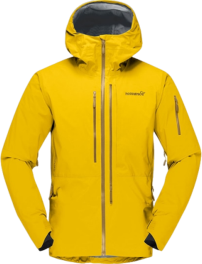
Find the Perfect XC Ski Jacket Womens for Optimal Winter Performance
Choosing the Right XC Ski Jacket Womens for Peak Performance
Finding the perfect XC ski jacket womens is essential for a comfortable and effective cross-country skiing experience. With the right jacket, you can stay warm, dry, and focused on your performance. This guide will explore the key features to look for, materials used, and how to choose a jacket that suits your skiing style. We will also showcase some excellent options available at Outdoor-Jacket.com. Proper layering and a well-fitted jacket will make all the difference on the trails.
Key Features of an XC Ski Jacket for Women
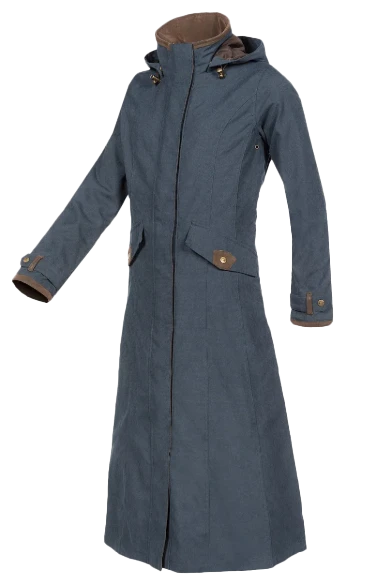
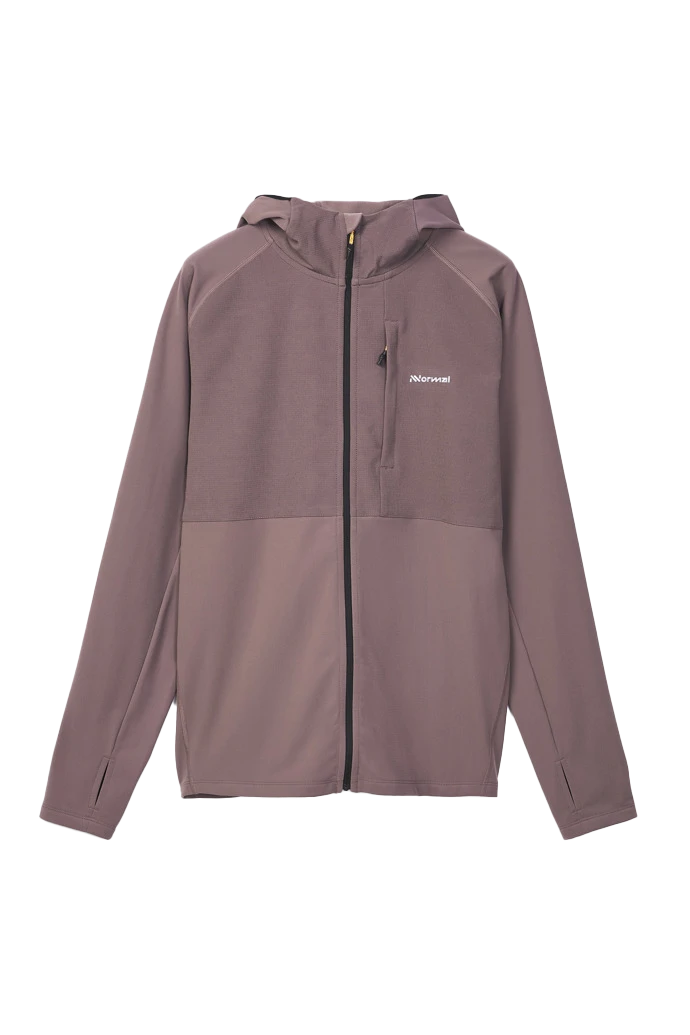
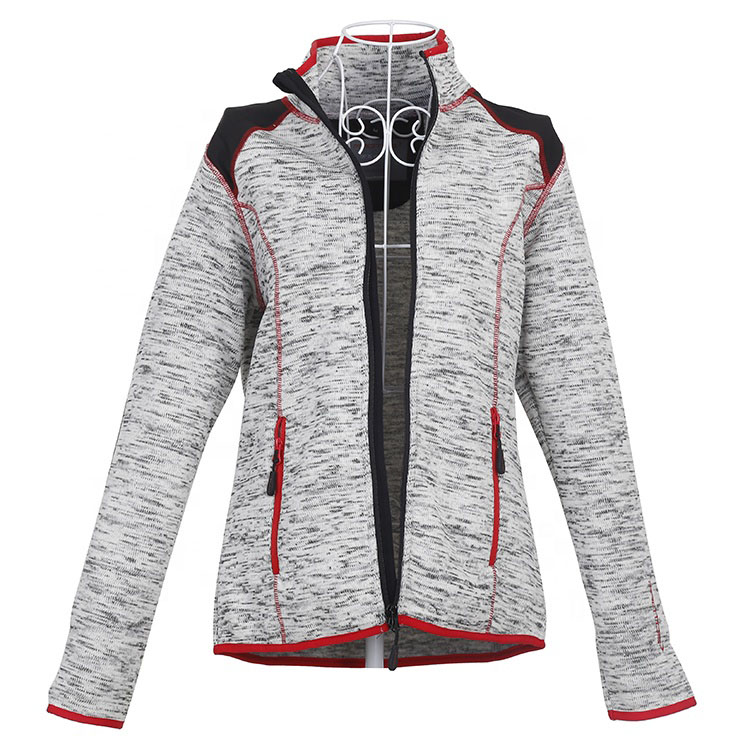
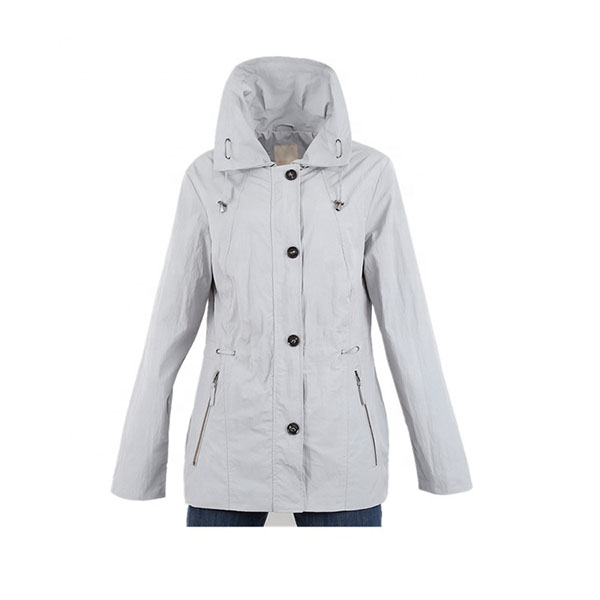
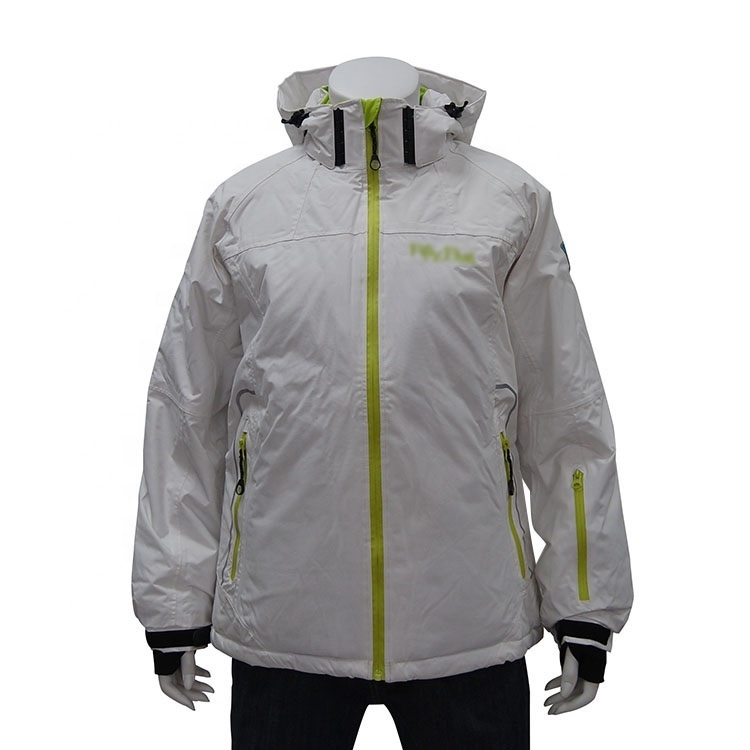
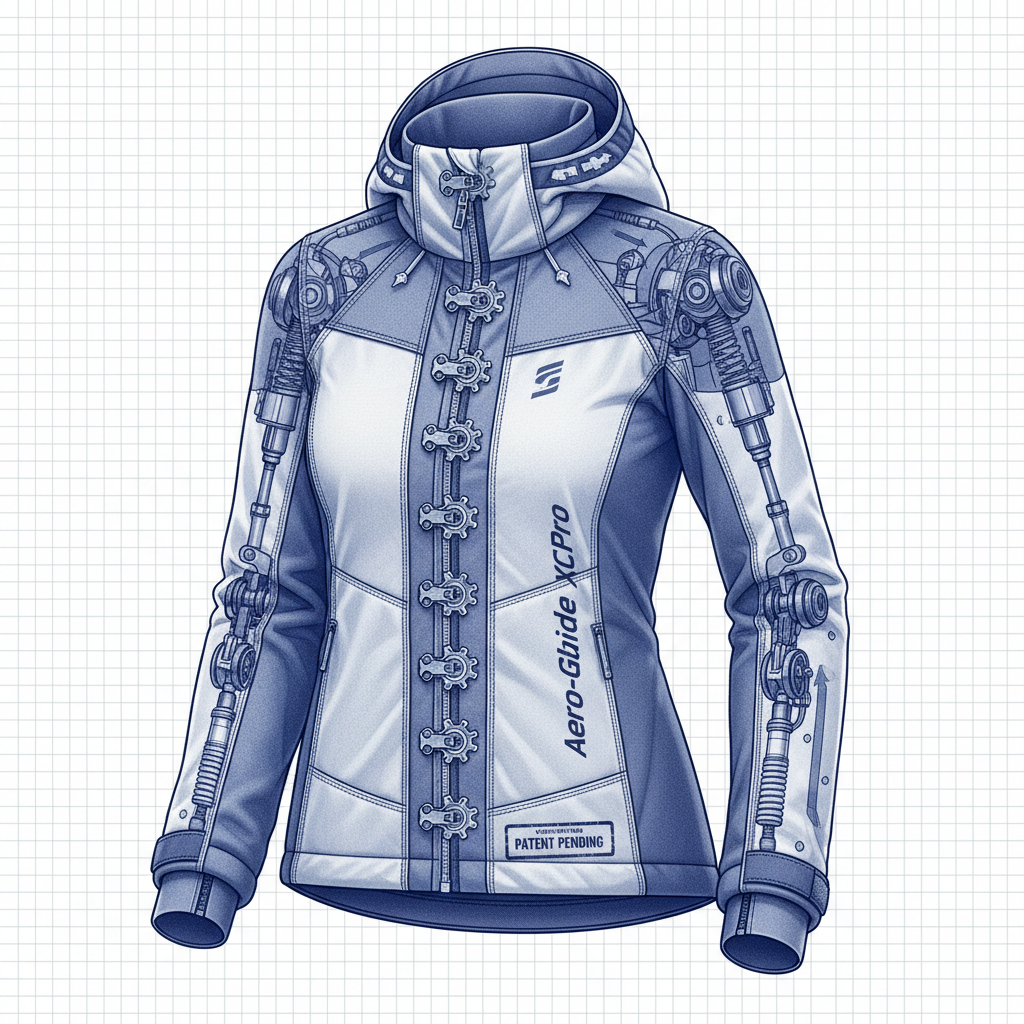
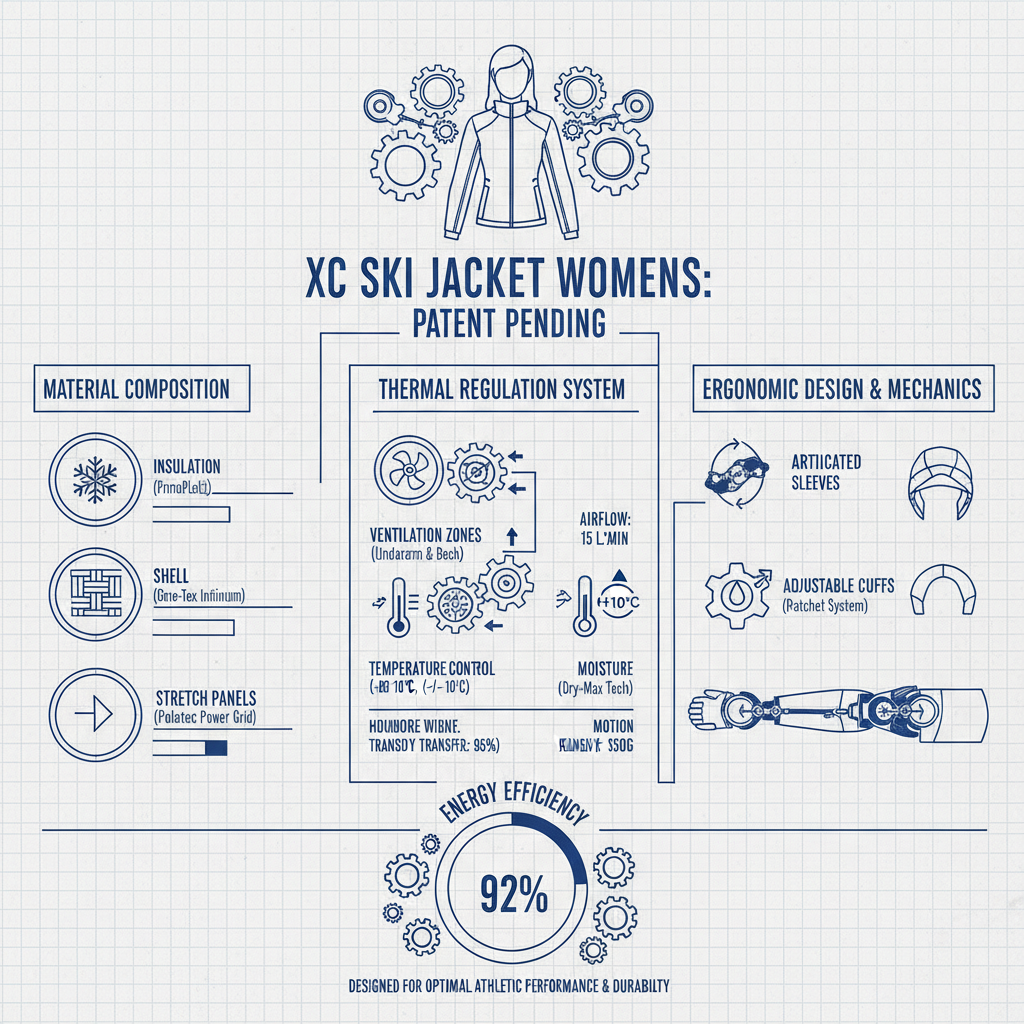
When selecting an XC ski jacket womens, several key features contribute to optimal performance. Breathability is crucial, as cross-country skiing is a high-intensity activity. Look for jackets with ventilation zippers or breathable fabrics that allow moisture vapor to escape. Water resistance is also important to protect against snow and light rain. A comfortable fit, allowing for layering, is essential, along with features like a high collar, adjustable hood, and pockets for storage. The right jacket will enhance your comfort and allow you to focus on your technique.
Essential Features: Breathability, water resistance, comfortable fit for layering, high collar, adjustable hood, and convenient pockets.
Understanding XC Ski Jacket Materials
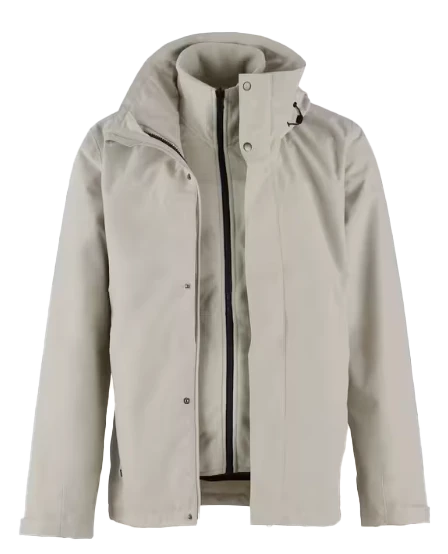
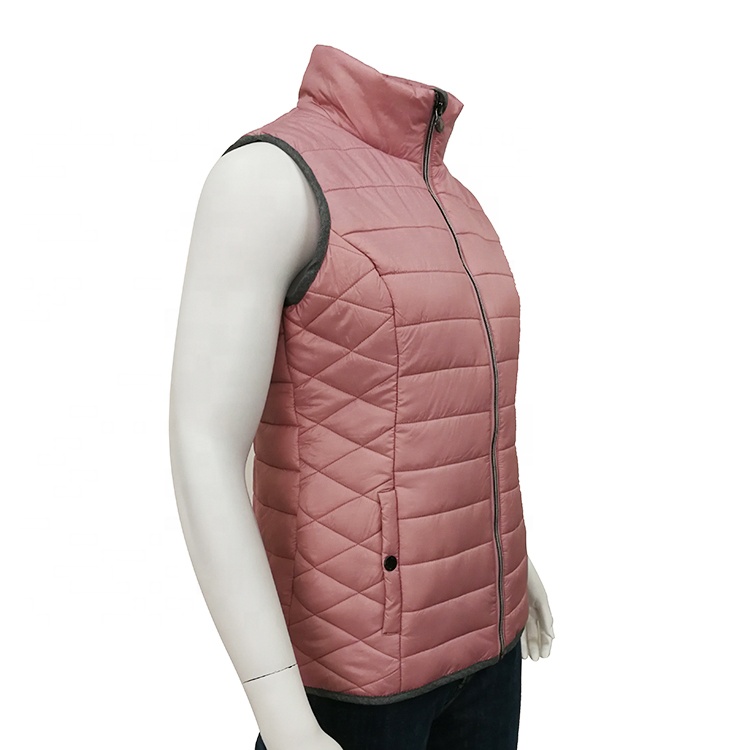
The materials used in an XC ski jacket womens significantly impact its performance. Softshell fabrics offer excellent breathability and flexibility, making them ideal for warmer conditions. Hardshell fabrics provide superior water resistance and wind protection, suitable for colder and wetter climates. Many jackets combine these materials strategically, offering a balance of both. Insulation, such as synthetic or down, can add warmth for very cold conditions. Consider the climate and intensity of your skiing when choosing the appropriate materials.
Material Benefits:
• Softshell: Excellent breathability and flexibility.
• Hardshell: Superior water and wind protection.
• Synthetic Insulation: Warmth even when wet.
• Down Insulation: Lightweight and exceptionally warm.
XC Ski Jacket Womens: Comparing Key Options
Choosing between different XC ski jacket womens options can be overwhelming. Consider your typical skiing conditions and intensity level. For high-intensity skiing in mild weather, a softshell jacket with minimal insulation may be ideal. For colder conditions or slower-paced skiing, a hardshell jacket with insulation is a better choice. Below is a comparison of different jacket types:
Layering with Your XC Ski Jacket
Effective layering is critical for staying comfortable during cross-country skiing. Start with a moisture-wicking base layer to keep sweat away from your skin. Add an insulating mid-layer, such as fleece or a lightweight down jacket, for warmth. Your XC ski jacket womens forms the outer shell, providing protection from wind and precipitation. Adjust your layers based on the temperature and intensity of your activity.
Finding the Perfect Fit and Size
A properly fitted XC ski jacket womens is crucial for comfort and performance. The jacket should allow for a full range of motion without being too loose. Ensure there's enough room for layering underneath without feeling restricted. Check the manufacturer's size chart and consider your body type when choosing a size. Don't hesitate to try on different sizes and styles to find the best fit. Outdoor-Jacket.com offers detailed sizing information and a wide selection of jackets to help you find the perfect match.
Conclusion: Stay Warm, Dry, and Comfortable on the Trails
Choosing the right XC ski jacket womens is an investment in your enjoyment and performance. By considering your skiing style, climate, and the key features discussed in this guide, you can find a jacket that keeps you warm, dry, and comfortable on the trails. Explore the excellent selection at Outdoor-Jacket.com to find the perfect fit for your needs.
Frequently Asked Questions (FAQs)
What’s the difference between a softshell and hardshell XC ski jacket?
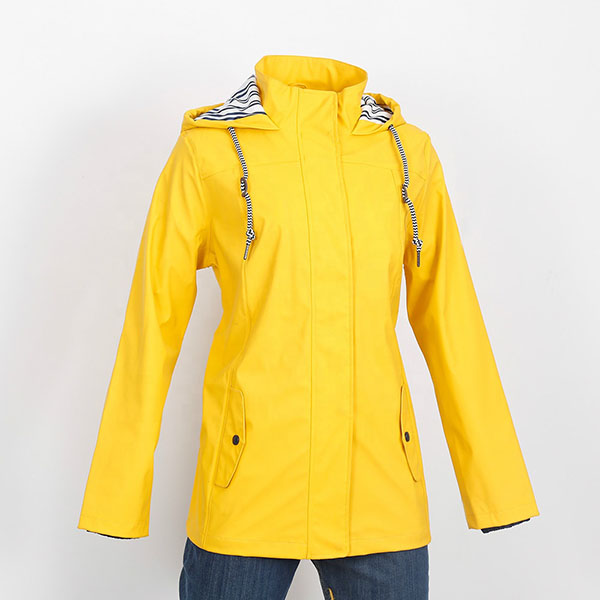
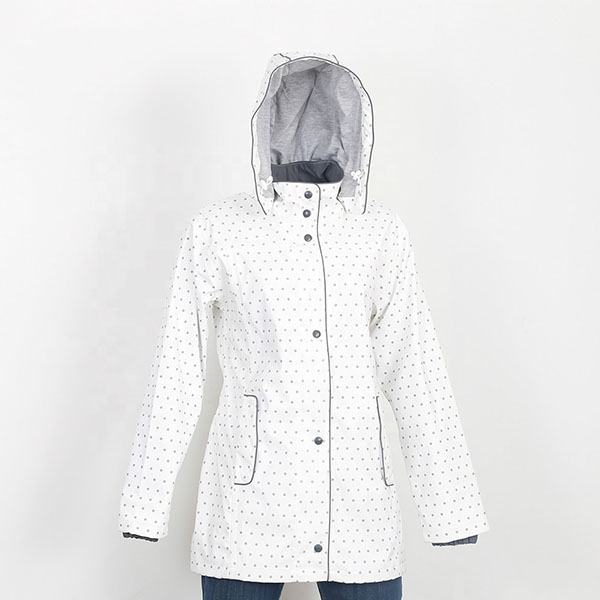
Softshell jackets offer greater breathability and flexibility, making them ideal for moderate conditions and high-intensity skiing. They’re generally water-resistant but not fully waterproof. Hardshell jackets, on the other hand, provide superior waterproof and windproof protection, making them suitable for harsher weather. They're less breathable, so layering is crucial to manage moisture. The best choice depends on the typical weather conditions you’ll be skiing in and your activity level.
How important is breathability in an XC ski jacket?
Breathability is extremely important in an XC ski jacket. Cross-country skiing is a physically demanding activity that generates a lot of sweat. A breathable jacket allows moisture vapor to escape, preventing you from becoming chilled and uncomfortable. Look for jackets with ventilation zippers or those made from breathable fabrics. A jacket that doesn’t breathe well can quickly lead to overheating and discomfort.
What features should I look for in a jacket for colder conditions?
For colder conditions, prioritize a jacket with insulation – either synthetic or down. A hardshell outer layer will provide windproof and waterproof protection. Look for features like a high collar to protect your neck, adjustable hood, and wrist gaiters to seal out the cold. A jacket with a longer cut can also provide extra coverage. Ensure the jacket is large enough to comfortably accommodate layering.
How do I properly care for my XC ski jacket?
Follow the manufacturer’s care instructions. Generally, wash your jacket in cold water with a mild detergent. Avoid using fabric softener, as it can reduce the water repellency of the fabric. Tumble dry on low heat or hang to dry. Periodically re-apply a durable water repellent (DWR) treatment to maintain its water resistance.