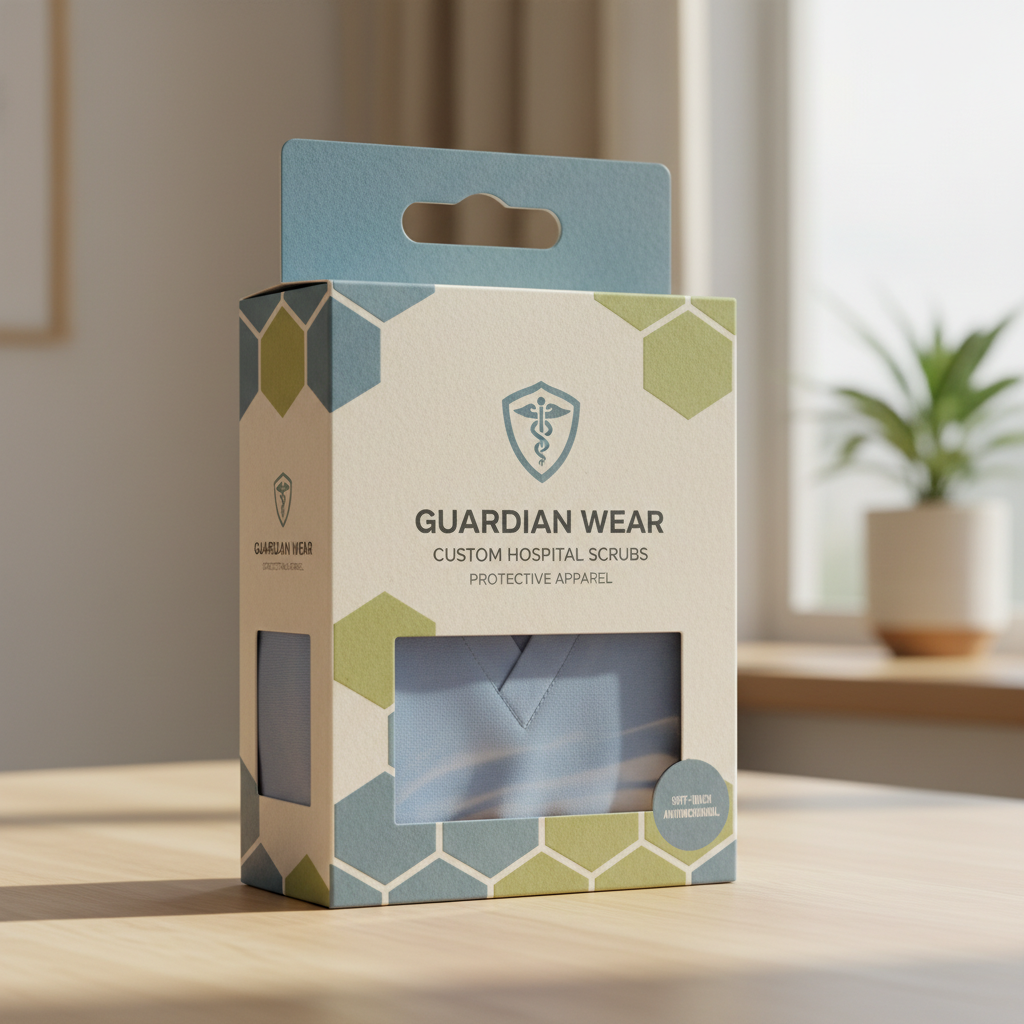
In the high-stakes environment of modern healthcare, the apparel worn by medical professionals serves as more than just a uniform; it is a critical tool for hygiene, identification, and psychological comfort. custom hospital scrubs have evolved from generic oversized garments into precision-engineered workwear designed to meet the rigorous demands of 24/7 clinical rotations. By integrating advanced textile science with tailored fits, these garments enhance the professional image of a facility while ensuring that staff can move freely and safely.
The global shift toward personalized medical apparel is driven by a need for better functionality and the desire for healthcare institutions to foster a sense of unity and brand identity. When medical teams wear standardized, high-quality custom hospital scrubs, it not only streamlines patient recognition but also boosts staff morale by providing clothing that actually fits their body type and professional needs. This transition represents a move toward "human-centric" design in the manufacturing of medical textiles.
However, achieving the perfect balance between aesthetic appeal, microbial resistance, and long-term durability remains a challenge for many procurement managers. Understanding the nuances of fabric blends, antimicrobial coatings, and ergonomic tailoring is essential for any healthcare provider looking to invest in apparel that lasts. This guide explores the comprehensive landscape of customized medical wear, providing the technical and commercial insights necessary to make an informed procurement decision.
Global Relevance of Custom Hospital Scrubs
The global demand for specialized medical uniforms has surged as healthcare systems worldwide strive for higher standards of infection control and staff professionalism. According to international health safety guidelines and ISO standards for medical textiles, the choice of fabric and fit can directly impact the efficacy of sterilization processes and the comfort of the wearer during extended shifts. custom hospital scrubs address the critical gap between "off-the-shelf" clothing and the specific physiological needs of healthcare workers who face extreme physical exertion.
In an era of global health crises, the ability to rapidly deploy standardized, antimicrobial gear has become a strategic necessity. Institutions are no longer viewing scrubs as a mere expense but as a component of their operational infrastructure. By customizing these garments, hospitals can implement color-coded systems that allow patients to instantly distinguish between surgeons, nurses, and technicians, thereby reducing confusion and improving the overall patient experience in high-stress environments.
Defining Custom Medical Apparel
At its core, custom hospital scrubs refer to medical uniforms that are tailored to the specific branding, functional requirements, and anatomical needs of a particular healthcare organization or professional. Unlike standard scrubs, which follow a "one size fits most" philosophy, customized options allow for the selection of specific fabric weights, pocket configurations, and precision sizing. This ensures that the garment supports the wearer's movements rather than hindering them.
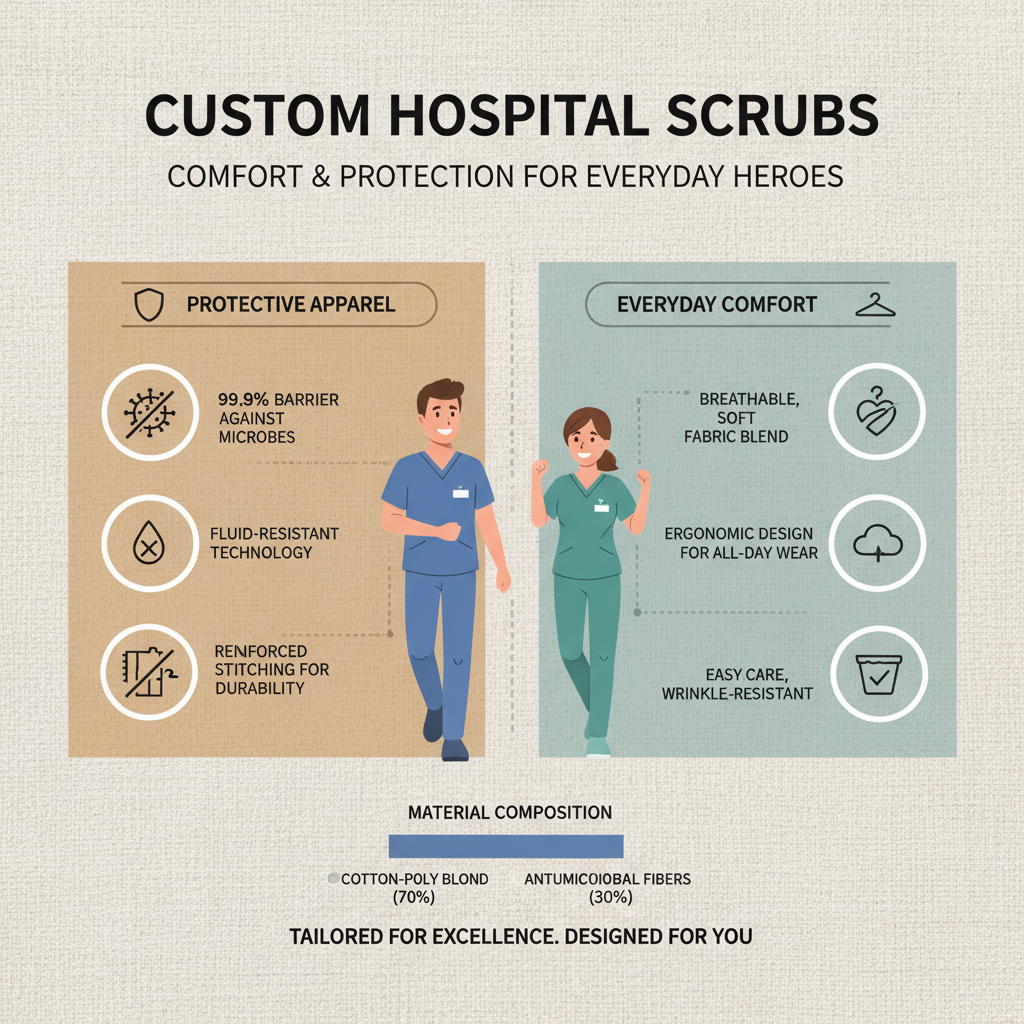
Beyond the physical fit, customization extends to the integration of specialized textile treatments. This includes the application of hydrophobic coatings to repel fluids or the weaving of silver-ion threads to provide permanent antimicrobial properties. These enhancements transform a simple set of clothes into a protective barrier, aligning the apparel with the humanitarian need for maximum safety and hygiene in sterile environments.
In the context of modern industry, this shift represents the convergence of fashion design and medical engineering. By prioritizing ergonomics and material science, custom hospital scrubs help mitigate the fatigue associated with long hours of standing and bending, effectively treating the uniform as a piece of professional equipment rather than just a dress code.
Core Components of High-Performance Scrubs
The durability of custom hospital scrubs depends heavily on the fabric blend. Most high-end options utilize a sophisticated mix of polyester, rayon, and spandex. This combination provides the strength needed to withstand industrial laundering, the breathability required for temperature regulation, and the four-way stretch necessary for agility during emergency procedures.
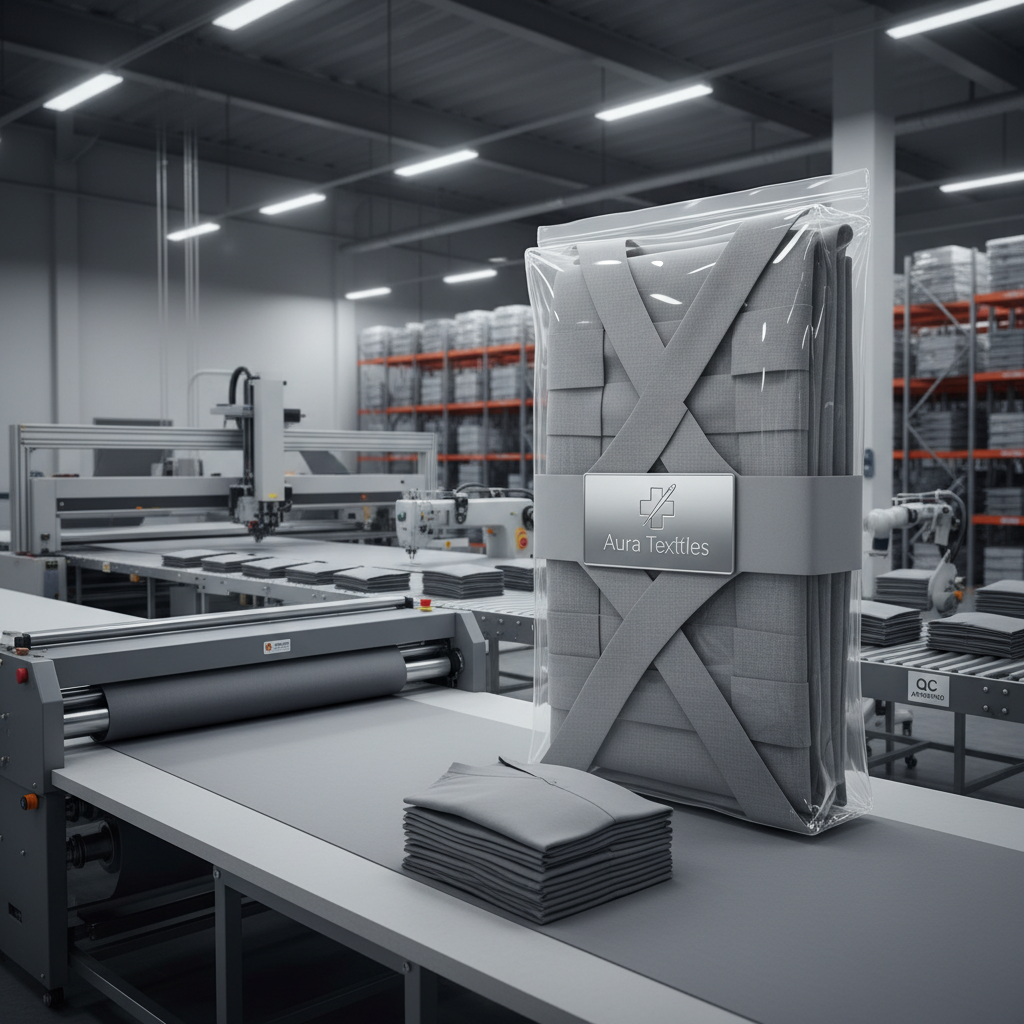
Scalability and consistency are paramount when outfitting a large medical staff. Advanced manufacturing processes ensure that whether a facility orders fifty or five thousand sets of custom hospital scrubs, the color consistency (colorfastness) and seam strength remain identical across all batches, preventing the "faded look" that often occurs with cheaper, non-custom options.
Cost efficiency in the long run is achieved through "life-cycle value." While the initial investment in premium customized apparel may be higher, the reduction in replacement frequency—due to reinforced stitching and pill-resistant fabrics—results in a lower total cost of ownership. Furthermore, the psychological impact of a cohesive, professional appearance enhances the perceived trust and reliability of the healthcare provider.
Practical Applications in Modern Healthcare
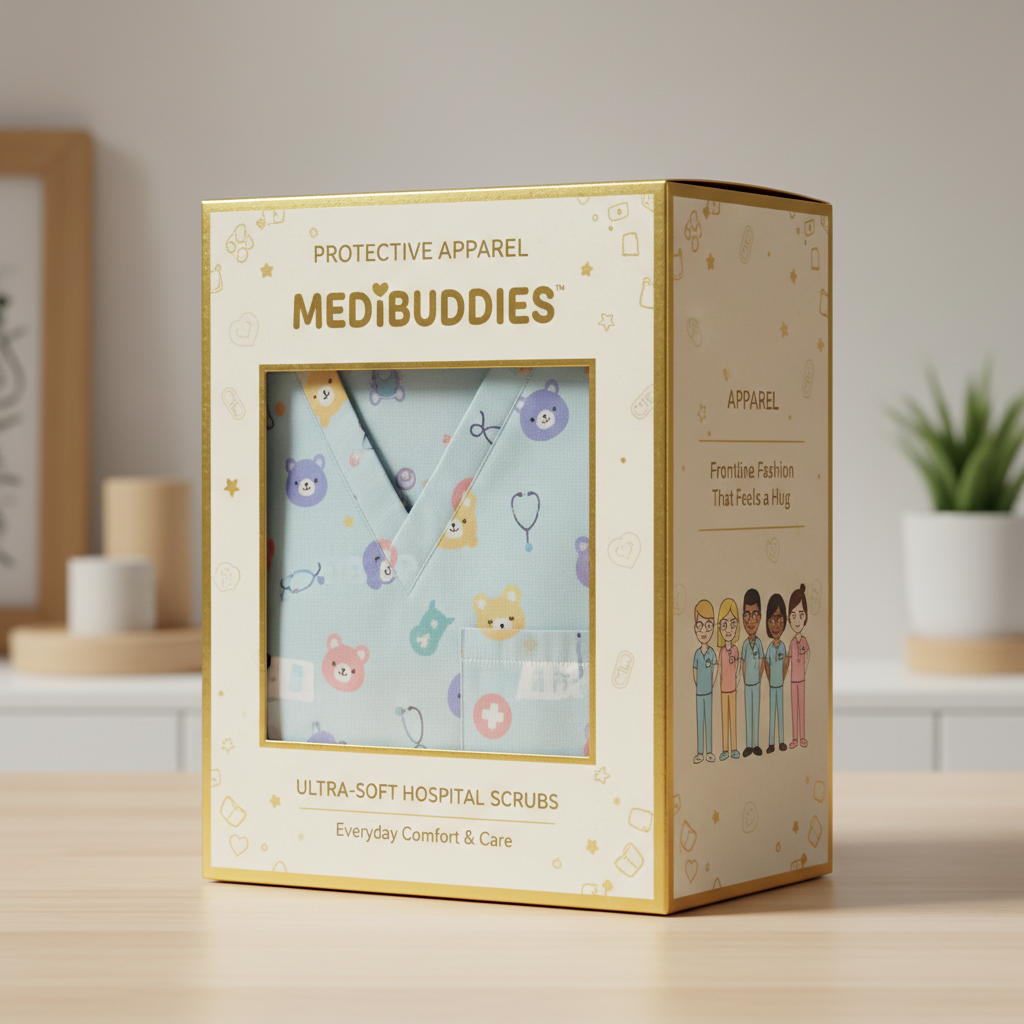
The application of custom hospital scrubs varies significantly across different medical specializations. For instance, in pediatric wards, customization often involves the use of bright colors and friendly patterns to reduce "white coat syndrome" and ease the anxiety of young patients. Conversely, in surgical suites, the focus shifts toward high-density weaves and moisture-wicking properties to maintain a sterile field while managing the heat generated under surgical lights.
In remote clinical zones or post-disaster relief operations, customized gear is often engineered for extreme versatility. These scrubs may include additional secure pockets for portable diagnostic tools and reinforced knees for practitioners who must work in non-traditional settings. By tailoring the garment to the specific environment, organizations can ensure that their staff remains focused on patient care rather than battling their equipment.
Performance Metrics of Custom Hospital Scrubs Variants
Long-Term Value and Professional Benefits
Investing in custom hospital scrubs yields significant emotional and logical dividends. Logically, the reduction in fabric degradation and the alignment with health safety protocols lower the risk of contamination. Emotionally, providing staff with apparel that makes them feel confident and comfortable directly impacts their job satisfaction. When a nurse no longer has to worry about a restrictive waistband or a leaking pocket, their cognitive load is reduced, allowing more focus on the patient.
Furthermore, from a branding perspective, customized scrubs act as a silent ambassador for the institution. A unified, crisp appearance signals a high level of organization and attention to detail, which translates in the patient's mind to a high standard of medical care. This trust-building mechanism is invaluable in competitive healthcare markets where patient perception can influence the choice of facility.
Innovations in Medical Textile Technology
The future of custom hospital scrubs is being shaped by the integration of "smart" textiles. We are seeing the emergence of fabrics embedded with biosensors that can monitor the wearer's vitals during long shifts or materials that change color when exposed to specific chemical contaminants. This digital transformation of clothing turns the uniform into a protective piece of wearable technology.
Sustainability is also becoming a core pillar of innovation. The industry is shifting toward recycled polyester derived from ocean plastics and organic cotton blends that maintain medical-grade performance without the environmental toll of traditional petrochemical fabrics. These "green" scrubs allow hospitals to meet their corporate social responsibility (CSR) goals while providing top-tier protection.
Automation in manufacturing, such as 3D body scanning, is revolutionizing the "custom" aspect of the apparel. Instead of relying on standard size charts, manufacturers can now create garments based on the exact digital twin of the employee. This eliminates the need for alterations and ensures an absolute perfect fit, further enhancing the mobility and dignity of the healthcare professional.
Overcoming Procurement Challenges
One of the primary limitations in current medical apparel procurement is the trade-off between cost and quality. Many institutions opt for cheap, mass-produced scrubs that lose their shape and color after few washes, leading to a fragmented and unprofessional appearance. The solution lies in a strategic partnership with a manufacturer who understands the technical requirements of the textile—prioritizing high-twist yarns and reinforced seams over lower upfront prices.
Another challenge is the complexity of managing diverse sizing across a large workforce. Implementing a "fit-kit" system or utilizing digital sizing tools can mitigate this issue, ensuring that custom hospital scrubs are ordered accurately the first time. This reduces the logistical burden of returns and replacements.
Finally, maintaining a consistent supply chain for customized items can be difficult. By establishing long-term contracts with manufacturers who maintain fabric archives, hospitals can ensure that new hires receive uniforms that match the existing team perfectly, regardless of when the original order was placed.
Analysis of Custom Hospital Scrubs Material and Utility
| Fabric Composition |
Primary Benefit |
Durability Score (1-10) |
Recommended Use Case |
| Poly-Rayon-Spandex |
Extreme Comfort & Stretch |
8 |
General Nursing & ER |
| 100% Heavy-Duty Cotton |
Breathability & Hypoallergenic |
7 |
Dermatology & Pediatrics |
| Antimicrobial Polyester |
Pathogen Resistance |
9 |
Surgical & ICU Units |
| Fluid-Repellent Blend |
Liquid Barrier Protection |
8 |
Laboratory & Phlebotomy |
| Recycled Eco-Poly |
Environmental Sustainability |
7 |
Outpatient Clinics |
| Reinforced Ripstop Blend |
High Abrasion Resistance |
10 |
Emergency Response/Field Med |
FAQS
Custom scrubs offer superior fit, specialized fabric choices (like antimicrobial or fluid-resistant blends), and tailored pocket placements that reflect the actual tools a professional uses. While standard scrubs are generic, customized versions enhance professional branding and significantly improve the wearer's comfort and mobility during long shifts.
Many custom hospital scrubs incorporate silver-ion technology or specialized chemical coatings that actively inhibit the growth of bacteria and fungi. Additionally, by choosing high-density weaves that are resistant to fluid penetration, hospitals can create a more effective first line of defense for their staff against bloodborne pathogens.
Actually, the opposite is often true. While the initial procurement cost is higher, high-quality custom scrubs are designed for industrial laundering and high-frequency wear. They resist pilling, fading, and tearing much better than budget options, meaning they need to be replaced less frequently, lowering the total cost of ownership over several years.
Yes, color-coding is one of the most effective uses of customization. Many facilities use a specific palette to distinguish between Registered Nurses, Physicians, and Support Staff. This improves patient safety by allowing patients and visitors to immediately identify the role of the professional they are interacting with.
For high-activity areas, a blend of polyester, rayon, and spandex is ideal. The polyester provides durability, the rayon ensures softness and breathability, and the spandex allows for four-way stretch, ensuring the garment moves with the professional during critical, fast-paced maneuvers without restricting movement.
The best approach is to utilize a combination of detailed size charts and "fit-kits"—physical samples of each size that staff can try on. For larger organizations, 3D body scanning technology is an emerging solution that guarantees an exact anatomical fit for every single employee, eliminating the guesswork.
Conclusion
In summary, custom hospital scrubs represent a critical intersection of medical necessity, staff well-being, and institutional branding. By prioritizing advanced materials—such as antimicrobial and moisture-wicking fabrics—and focusing on ergonomic customization, healthcare providers can significantly enhance the operational efficiency and psychological comfort of their teams. The move away from generic uniforms toward precision-engineered apparel is not merely an aesthetic choice, but a strategic investment in the quality of care and the longevity of the medical workforce.
Looking forward, the integration of smart textiles and sustainable manufacturing will further redefine the role of medical apparel. As the industry evolves, those who embrace high-performance, customized solutions will find themselves better equipped to handle the physical and emotional demands of modern healthcare. We encourage medical procurement officers to view their uniforms as essential equipment, ensuring that every stitch serves the ultimate goal of patient safety and practitioner health. Visit our website: www.outdoor-jacket.com