
Selecting the right outerwear for bulk distribution requires a balance between technical performance and market versatility. For businesses focusing on outdoor and leisure segments, the ability to source garments that withstand varying wind conditions without sacrificing breathability is a critical competitive advantage.
The shift toward sustainable textiles and multi-functional designs has changed how procurement managers view technical shells. Modern buyers are no longer looking for simple wind-blocking layers; they require garments that integrate seamlessly into an active lifestyle, from hiking and trekking to urban commuting.
Understanding the nuances of fabric construction and OEM capabilities is essential for anyone looking to invest in wholesale windbreakers that deliver long-term value and brand consistency.


Wind resistance in technical apparel is achieved through the manipulation of fabric density and weave patterns. In the context of professional manufacturing, the goal is to create a barrier that prevents air penetration while allowing water vapor to escape, preventing the "greenhouse effect" during physical activity.
For example, using 100% polyester coarse needle knitted fabrics or bonded fleece combinations allows for a garment that is both windproof and breathable. These materials are particularly effective for autumn transitions where temperature regulation is as important as weather protection.
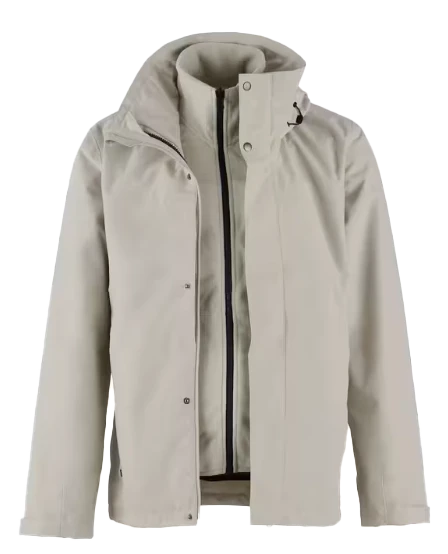
The construction of a professional windbreaker often relies on the synergy between different textile layers. A common high-performance approach involves bonding a polyester shell with a fleece interior or integrating Lycra for four-way stretch. This ensures that the jacket moves with the wearer during activities like hiking or trekking without compromising the wind-blocking integrity.
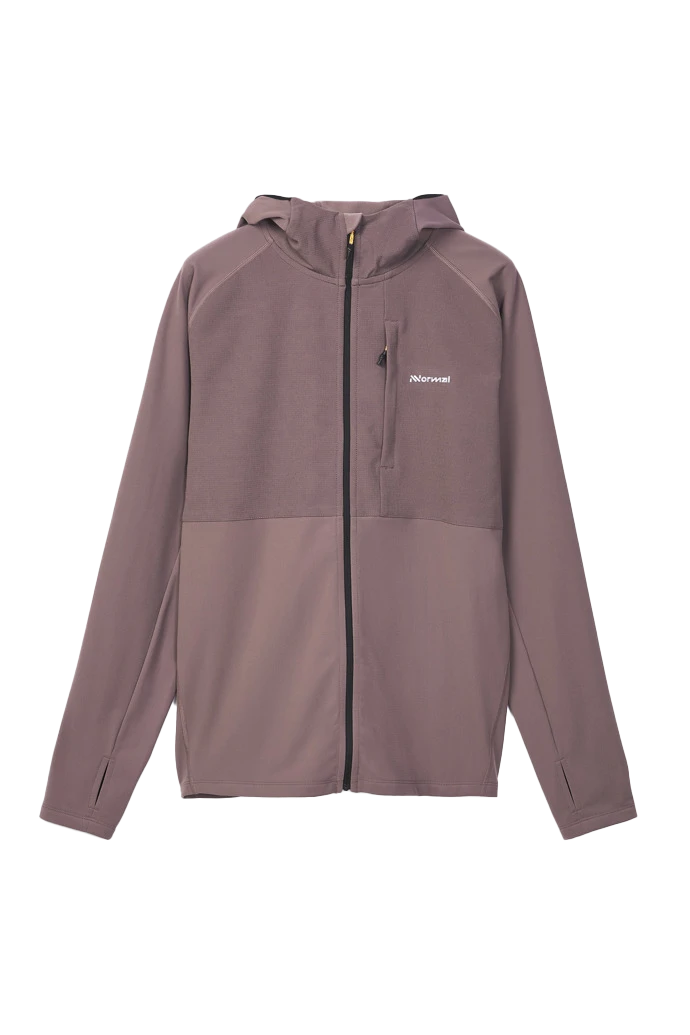
Beyond the shell, critical details define the garment's utility. Features such as chin guards, elbow guards, and elastic bindings with thumb holes are not merely aesthetic additions; they are functional requirements that seal the garment against the elements. Reinforcing sleeve seams with softshell fabric further increases durability in high-wear areas.
From a manufacturing perspective, the choice between knitted and woven constructions depends on the intended end-use. Knitted fleece jackets provide superior warmth-to-weight ratios, whereas traditional woven shells offer higher absolute wind protection. The most successful wholesale lines often offer a hybrid of both to cover various customer needs.
The central challenge in designing outerwear is the tension between windproofing and breathability. A fabric that is completely airtight often leads to overheating and moisture buildup inside the jacket, which can be dangerous in cold-weather outdoor activities.
True technical excellence in wind-resistant apparel is measured by the "breathability-to-protection ratio," where the fabric prevents wind chill while facilitating the rapid transport of perspiration away from the body.
To achieve this balance, manufacturers implement various processing types, such as specific knitting techniques or the application of eco-friendly sustainable coatings. This allows the garment to remain lightweight while providing the necessary thermal barrier for autumn and spring conditions.
When evaluating different fabric options for wholesale windbreakers, it is helpful to look at relative performance indices. These indices compare the suitability of various materials across key metrics such as windproofing, breathability, durability, and weight.
By analyzing these factors, procurement officers can determine which fabric blend—whether it be 100% polyester or a polyester-Lycra blend—best aligns with the target market's expectations for comfort and protection.
The utility of wholesale windbreakers varies significantly depending on the end-user scenario. In a typical corporate outdoor event or team-building retreat, the focus is often on brand visibility and basic wind protection, making customized logo embroidery and standard polyester shells the most efficient choice.
Conversely, for specialized outdoor gear brands catering to hikers and campers, the requirements shift toward high-performance features like anti-pilling treatments, water-resistant zippers, and specialized fits (XS-5XL) that allow for layering. In these cases, the OEM process must be more rigorous, focusing on the precision of the technical pack and material sampling.
Sustainability is no longer an optional feature but a core requirement in the textile industry. The transition toward eco-friendly materials, such as recycled polyester, is significantly reducing the environmental footprint of mass-produced outerwear.
This evolution is driven by both consumer demand and stricter regulations in the European and North American markets. Manufacturers are now implementing sustainable processing types that reduce water usage and chemical runoff during the dyeing and bonding phases.
Future trends point toward the integration of circular economy principles, where garments are designed for easier disassembly and recycling at the end of their lifecycle. This requires a shift in how we select shell materials and lining options during the design phase.
Navigating the OEM/ODM process for technical apparel requires a clear evaluation framework. Buyers must weigh the trade-offs between cost, lead time, and technical specification. For instance, a custom-developed fabric will offer a unique market position but will increase the initial sampling time and minimum order quantity (MOQ).
Established manufacturers, such as those with over 30 years of experience in the outdoor apparel industry, provide the stability needed for large-scale distribution. Their ability to handle everything from material selection and design to strict quality inspection ensures that the final product meets global standards.
The following framework provides a relative assessment of different sourcing strategies based on common business goals.
| Strategy | Customization Level | Lead Time | Best For |
|---|---|---|---|
| Standard OEM | Low to Medium | Short | Quick Market Entry |
| Custom ODM | High | Medium to Long | Brand Differentiation |
| Fabric Innovation | Very High | Long | Technical Leadership |
| Hybrid Sourcing | Medium | Medium | Balanced Portfolios |
| White Labeling | Very Low | Very Short | Low-Risk Testing |
| Sustainable Line | High | Medium | Eco-Conscious Markets |
Knitted windbreakers, such as those using coarse needle knitted fabric, generally offer more flexibility, better breathability, and a softer feel, making them ideal for casual wear and active layering in autumn. Woven windbreakers are typically constructed with tighter interlaced threads, providing superior wind-blocking capabilities and higher water resistance, which is essential for extreme weather or high-altitude trekking.
Breathability should be evaluated through fabric sampling and technical data sheets. Look for materials that allow moisture vapor to escape while preventing wind penetration. A common method is to test the fabric's air permeability index. For high-activity use, prioritize bonded fleece or specific knitted polyester blends that maintain airflow without letting in cold gusts.
For professional use, look for functional enhancements: a chin guard to prevent irritation, elbow guards for durability, and cuffs with elastic binding and thumb holes to seal out the wind. Additionally, ensuring the garment is anti-pilling and features a secure zipper closure is vital for maintaining the jacket's performance and appearance over long-term use.
Minimum Order Quantities (MOQ) vary by manufacturer, but for specialized OEM services with custom colors and fabrics, a typical MOQ is around 600 pieces per color. This volume allows the factory to optimize fabric runs and dyeing processes, ensuring color consistency and cost-effectiveness across the entire production lot.
While sustainable materials like recycled polyester may initially have a slightly higher cost per yard than virgin polyester, they often provide a higher market value. Many consumers are willing to pay a premium for eco-friendly outerwear. Furthermore, integrating sustainable practices can reduce long-term regulatory risks and improve brand equity in the European and North American markets.
Yes, professional manufacturers offer both OEM and ODM services. If you have a technical pack or a sample, the factory will follow your design accordingly. If you only have a concept, ODM services allow the manufacturer's design team to develop a prototype based on your requirements, providing samples for reference before full-scale production begins.
The success of a bulk outerwear line depends on the precision of the technical specifications and the reliability of the manufacturing partner. By focusing on the synergy between fabric choice, functional design, and sustainable practices, businesses can offer products that genuinely meet the needs of the modern outdoor enthusiast.
Whether sourcing for urban leisure or high-intensity activity, the goal remains the same: delivering a garment that balances protection, comfort, and durability. Investing in quality OEM partnerships ensures that your brand stands out in an increasingly competitive global market.