






Apr 16, 2026
10.05 / 2025
Mens Puffer Shirt Jacket—Light, Warm, Water-Repellent?
What the mens puffer shirt jacket Trend Gets Right (and Where the Tech Matters)
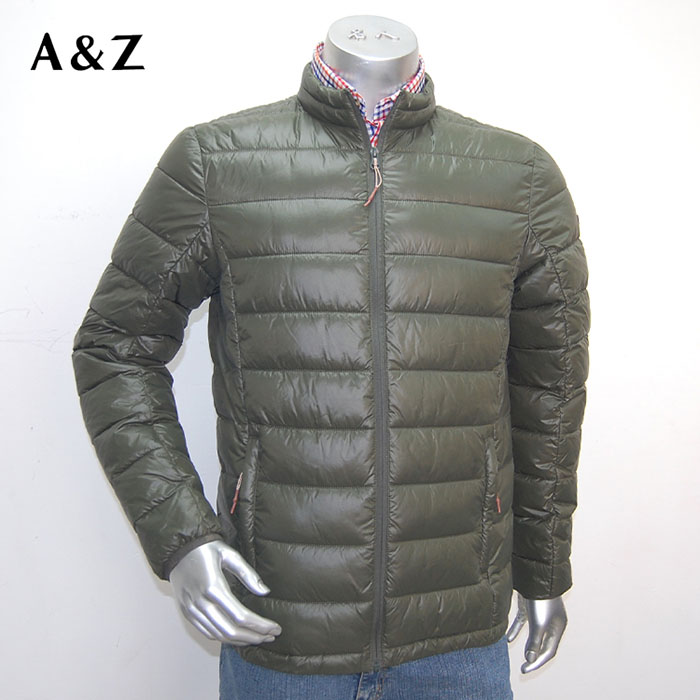
If you’ve watched outerwear over the last three winters, the “shacket” evolution has been the quiet story. The first time I handled a true mens puffer shirt jacket, I remember thinking: this is travel gear disguised as streetwear. Lightweight, packable, a little shiny in the right light—yes please.
Industry snapshot
Puffer shirt jackets are riding a utility-meets-fashion wave: commuter-ready insulation, shirt-like lines, and fabrics that shrug off drizzle. Many customers say they reach for it more than a heavy coat—less bulk, more “grab and go.” To be honest, that’s the whole point.
Product at a glance
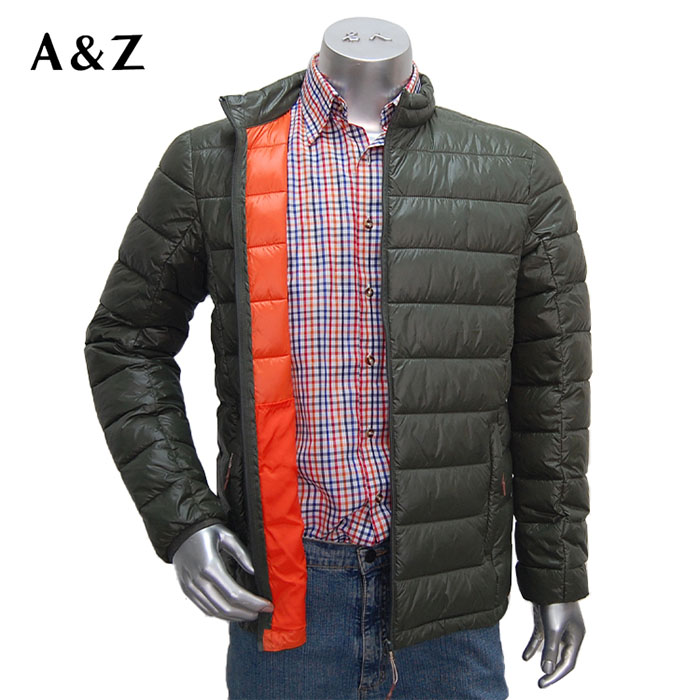
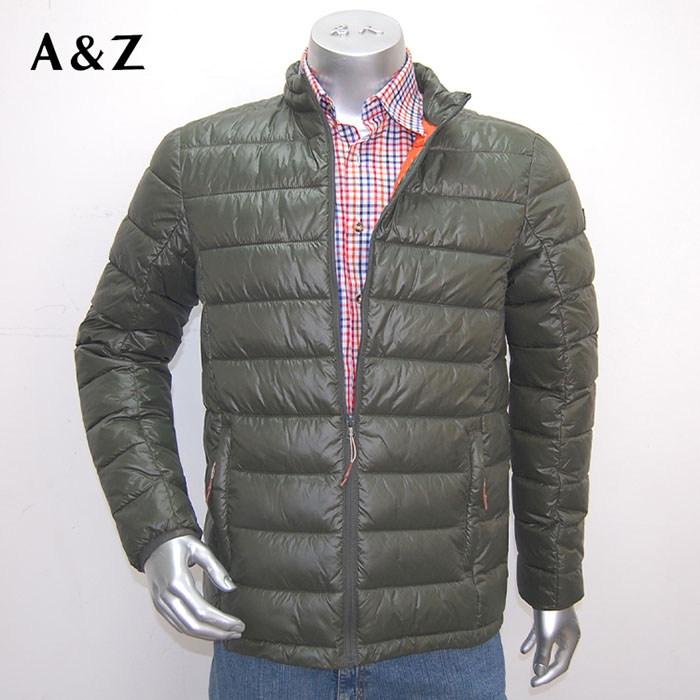
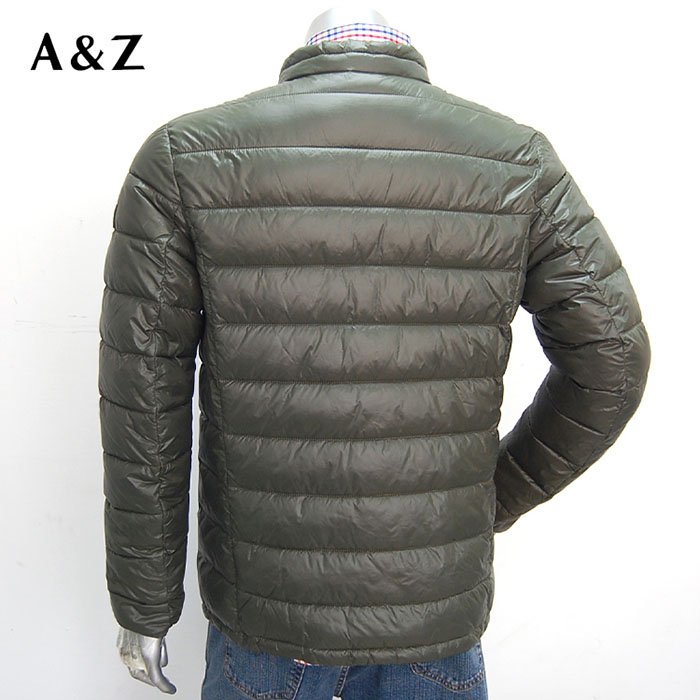
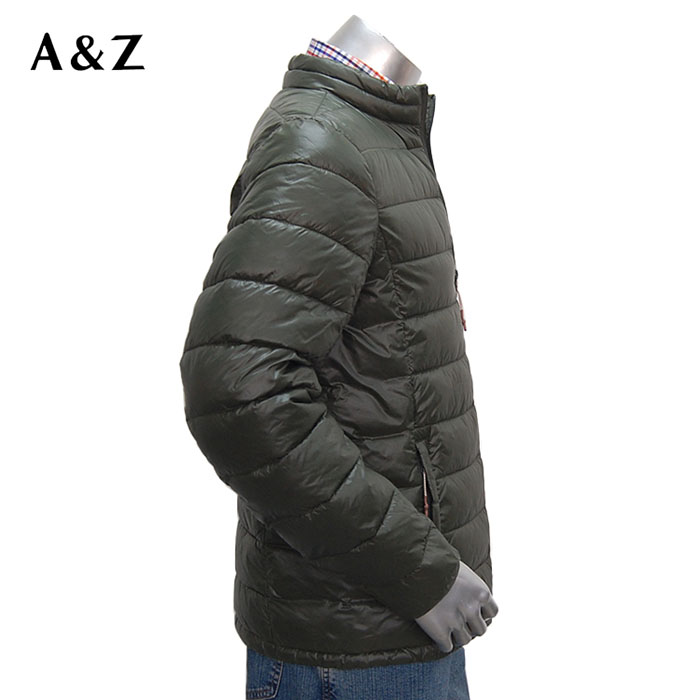
The Men’s Lightweight Nylon Puffer Jacket from Shijiazhuang (origin: ROOM NO.909, SHANGDE PLAZA, NO. 8, KANGLE STREET, 050051, CHINA) leans into this formula: windproof, water-repellent shell, elastic cuffs, hem drawcord, and two secure zip pockets with contrast lining. It wears like a shirt, performs like a jacket.
| Shell fabric | 20D–30D nylon taffeta, DWR finish (≈ 55–70 g/m²) |
| Insulation | Synthetic padding (≈ 80–120 g total fill; real-world warmth ≈ 0.7–0.9 CLO) |
| Cuffs & hem | Elastic cuff; elastic drawcord hem for fit adjustment |
| Pockets | Two bottom zipper pockets |
| Finish | Shiny face for fashion appeal; contrast lining |
| Sizes | S–XXL (custom grading on request) |
| Care & life | Machine wash cold; service life ≈ 3–5 seasons with normal use |
Process flow and testing
Materials: OEKO-TEX Standard 100-certified dyes and nylon where available; low-migration PU coating for DWR. Methods: automated marker/cutting, box-quilt channels to stabilize fill, clean-stitch seam construction, elasticized trims, 3-point QC.
Testing: AATCC 22 spray rating target 80–90 after 5 washes [1]; ASTM D1424 tear strength typical ≥ 800–1200 gf for 20D nylon [2]; ISO 12945-2 pilling grade 3–4 after 5k rubs [3]. Factory systems commonly align to ISO 9001 for quality management [4]. Actual numbers vary by color and lot, but those are the ballparks I’ve seen.
Use cases and advantages
- Urban commute: slips under a trench or over a tee—layering flexibility is the real win.
- Travel: packs small; windproof shell helps on surprise layovers.
- Light hiking and shoulder seasons: water-repellent finish for mist and brief showers.
- Brand teams: easy to co-brand; shiny shell photographs well (e-commerce loves it).
Vendor comparison (quick take)
| Vendor | Fill type | MOQ | Customization | Certs (typ.) | Lead time |
|---|---|---|---|---|---|
| Outdoor-Jacket Factory (Shijiazhuang) | Synthetic | ≈ 300–500 pcs | Colors, trims, logos, grading | ISO 9001, OEKO-TEX (on materials) | 30–45 days after PP |
| Regional Importer A | Synthetic/down mix | ≥ 1,000 pcs | Limited colors, logo only | Varies by batch | 45–60 days |
| Premium Brand B | 800-fill down | Small, but higher price | Full PLM customization | ISO 9001, RDS (for down) | 60–90 days |
Customization and QC
Options typically include matte vs shiny shell, contrast zips, heat-transfer or embroidered logos, recycled nylon (where available), and retail packaging. Pre-production sample (PP) approval is non-negotiable; then TOP (top-of-production) check confirms color/fit match. Service life is usually 3–5 seasons with routine cold washes and low-heat drying—don’t over-bake the DWR, please.
Mini case studies
- European commuter brand launched 3,200 units of a mens puffer shirt jacket variant; return rate fell below 2.5% after fit tweaks on sleeve length.
- APAC outdoor retailer ran a rainy-season promo; AATCC 22 post-wash ratings averaged 85, good for drizzle and short showers—customers mentioned “dries fast” a lot.
Final thought: a mens puffer shirt jacket is basically permission to leave the heavy coat at home. Layer it, commute in it, pack it—no drama, just warmth and clean lines.