




Apr 16, 2026
10.20 / 2025
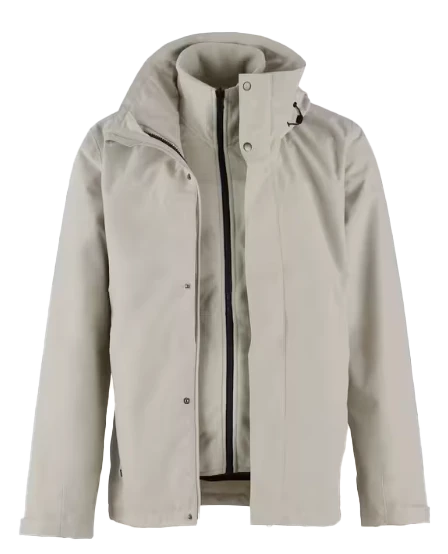
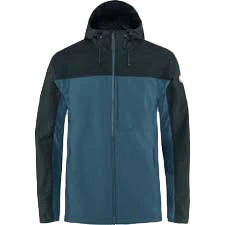
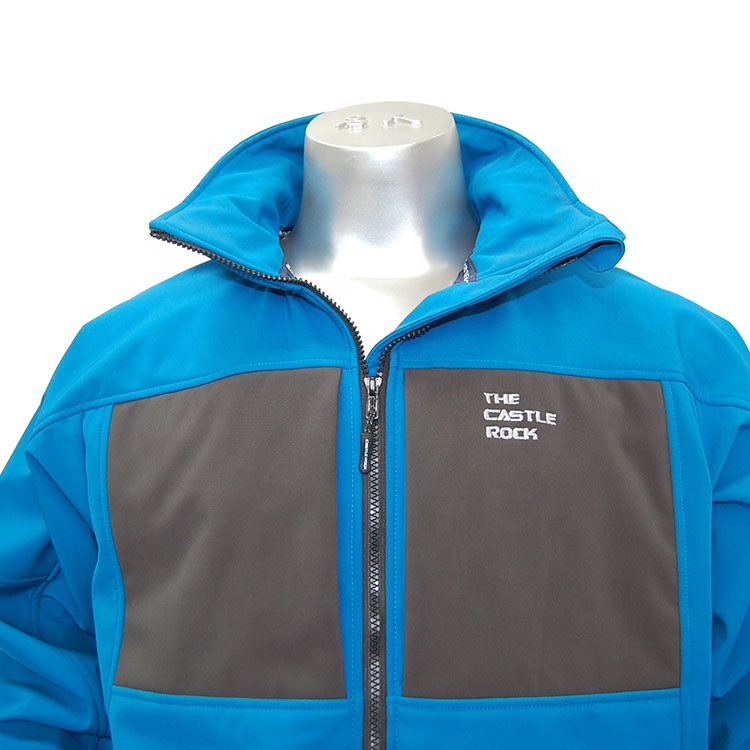
mens waterproof softshell jacket | Windproof & Breathable
Field Notes on a Workhorse: Men’s Thick Waterproof Trekking Softshell
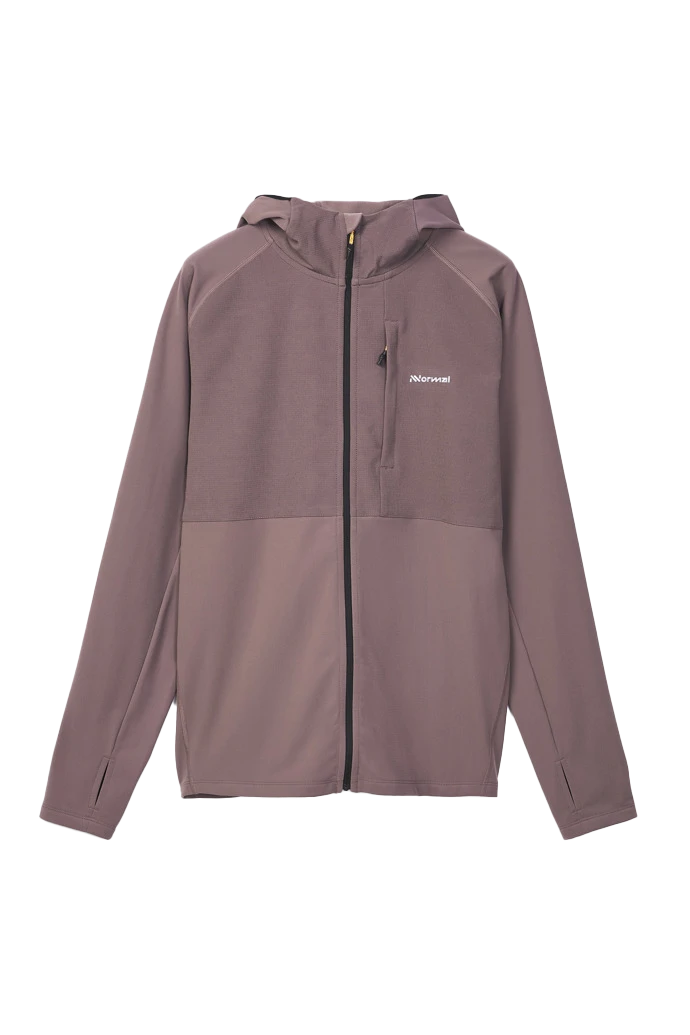
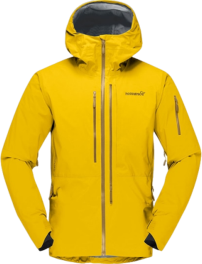
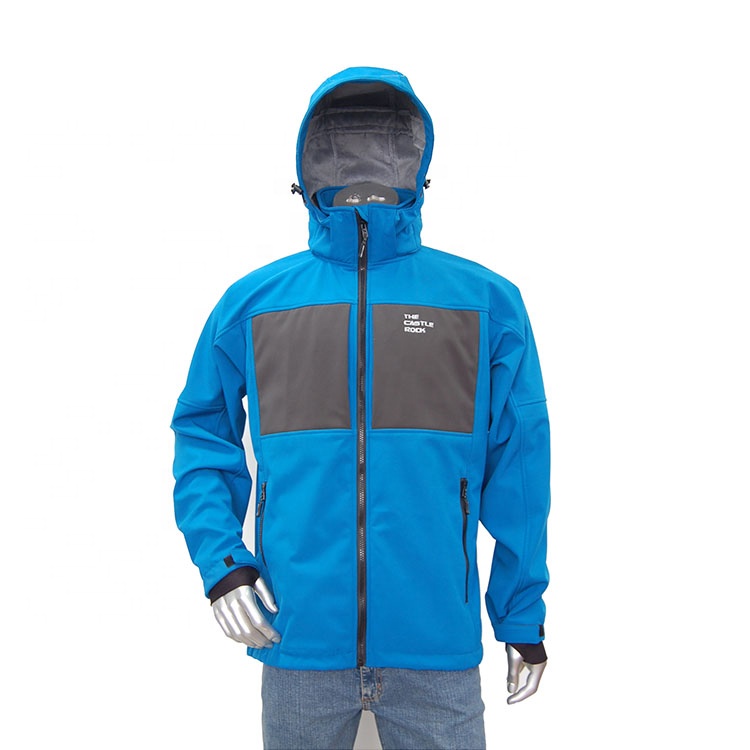
I’ve tested more shells than I can politely admit. The one that keeps popping up in buyer chats lately is this mens waterproof softshell jacket. It’s built for shoulder-season rain and cold, not Everest, and that’s exactly why many customers say it hits the sweet spot: warm enough, tough enough, and—surprisingly—quiet in motion. To be honest, I didn’t expect the thumb-hole cuffs to matter, yet on a wind-bitten ridge they made the difference between “fine” and “cozy.”
What’s trending in softshells
The market is shifting to “hybrid durability”—thicker face fabrics with stretchy spandex, TPU membranes for real weatherproofing, and detachable hoods. Buyers want daily-wear comfort with mountain-capable details, not crunchy hardshell stiffness. Brands are also moving away from old-school C8 chemistry toward PFC-lighter DWR finishes; not perfect yet, but progress.
Core specifications (real-world, not brochure-only)
| Product | Men's Thick Waterproof Trekking Softshell Jacket With Detachable Hood |
| Fabric | 96% polyester / 4% spandex, bonded fleece backing, TPU membrane |
| Waterproof rating | ≈ 8,000–10,000 mm H2O (ISO 811) — real-world use may vary with wear |
| Breathability | ≈ 5,000 g/m²/24h (JIS L 1099 B1 proxy) |
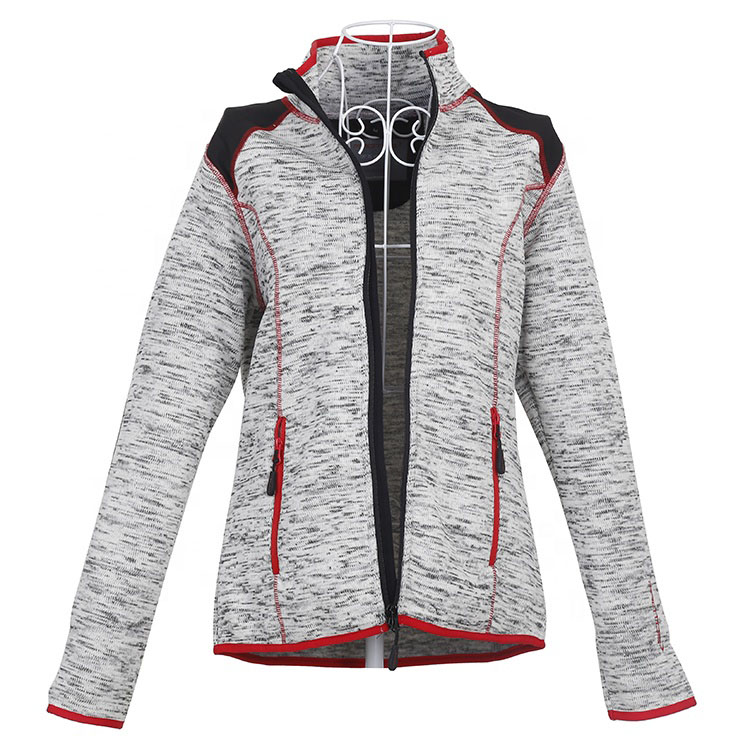
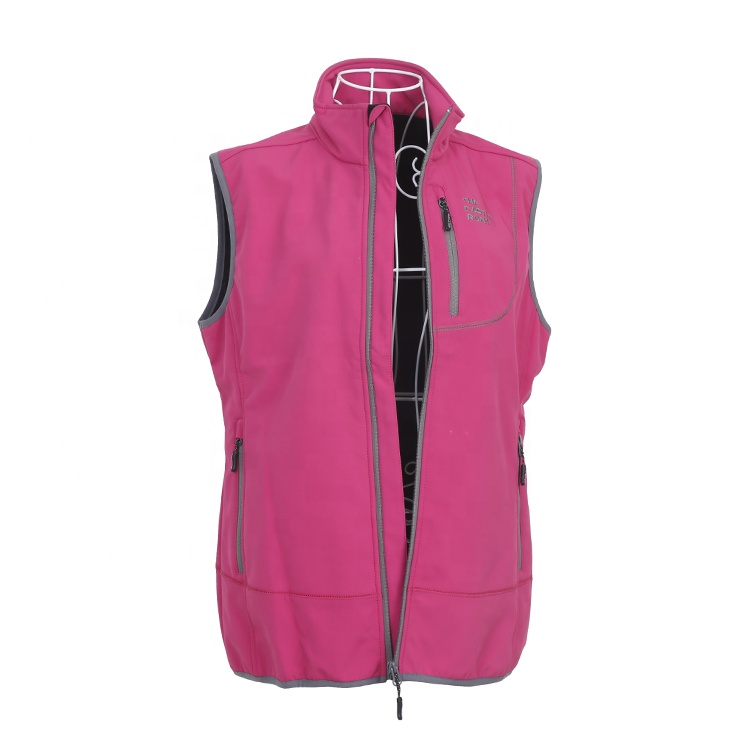
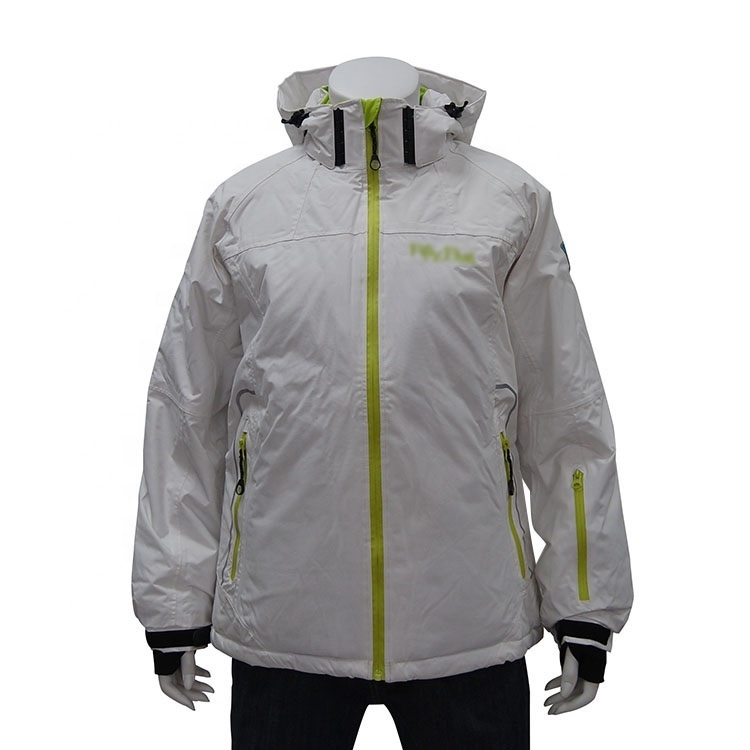
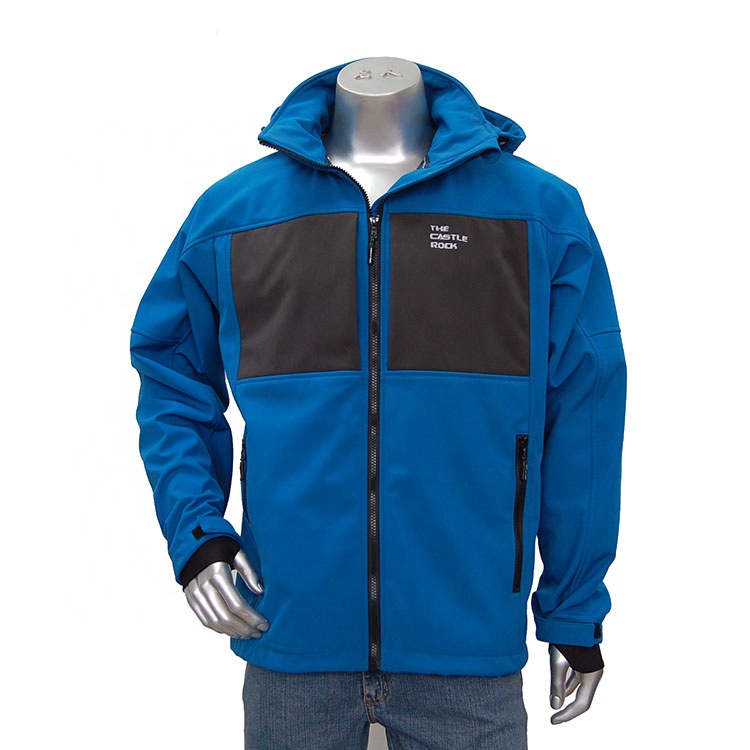
| Key features | Adjustable Velcro cuffs; elastic inner cuff with thumb hole; two chest pockets with reverse zippers; detachable hood (zip) with toggles & drawcord |
| Testing | AATCC 22 spray test: 90–100 rating (new); Martindale abrasion ≈ 20,000 cycles |
| Service life | Around 3–5 years for trekking/commuter use (care-dependent) |
How it’s made (quick process flow)
- Material selection: stretch-woven face + TPU membrane + fleece backer for warmth and drape.
- Lamination: controlled heat/pressure to maintain membrane porosity.
- Cutting: CAD-driven nesting to reduce waste.
- Sewing: reverse-coil zippers; reinforced stress points; clean topstitching.
- Water-repellent finish: PFC-light DWR applied; cured for durability.
- Testing: ISO 811 hydrostatic head; AATCC 22 spray; dimensional stability after wash.
- Final QC: zipper pull tests, toggle tension checks, visual inspection.
Note: softshells rarely use fully taped seams; this one leans on membrane + DWR + construction. In steady rain it holds up well; in a true downpour, layer smartly.
Vendor comparison (summary)
| Vendor | Waterproof/Breathable | Customization | Certs (typ.) |
|---|---|---|---|
| Outdoor-Jacket.com (Shijiazhuang, China) | ≈10k/5k; robust face fabric | Colors, logos, trims, MOQ-friendly | ISO 9001 factory; OEKO-TEX fabrics (on request) |
| High-Street Brand X | 8–15k/5–10k | Limited; brand-fixed | Brand QA; EN 343 on select lines |
| Generic Marketplace Seller | Specs vary, often unverified | Minimal | Not always stated |
Use cases, customization, and feedback
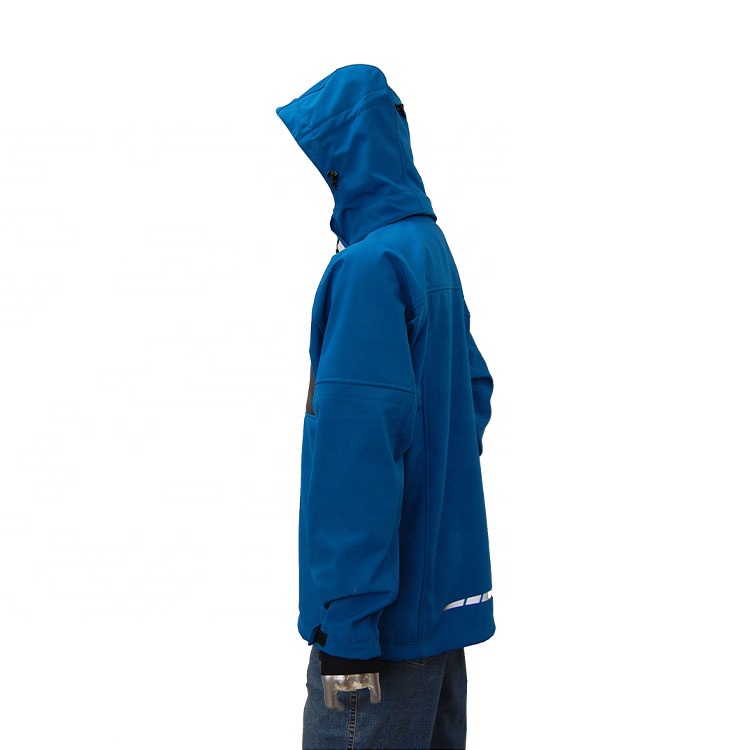
Trekking, forestry, facilities maintenance, logistics night shifts, even campus security—this mens waterproof softshell jacket fits the “active but brutal weather” brief. Custom options include colorways, branded zipper pulls, reflective heat-transfers, and packaging. Many buyers report the detachable hood is a sleeper hit for commuting (beanies underneath sit better).
Case study: a European trekking outfitter trialed 120 units over a wet spring. Post-trip surveys showed 92% dryness satisfaction and
Standards, compliance, and origin
Typical compliance packages include ISO 811 hydrostatic testing, AATCC 22 spray testing, and OEKO-TEX Standard 100 fabrics upon request. Select industrial runs may target EN 343 for protective clothing. Origin: ROOM NO.909, SHANGDE PLAZA, NO. 8, KANGLE STREET, 050051, SHIJIAZHUANG, CHINA. If you care about traceability (you should), ask for batch test reports with the PO.
Citations:
[1] ISO 811: Textile fabrics — Determination of resistance to water penetration — Hydrostatic pressure test.
[2] AATCC 22: Water Repellency: Spray Test.
[3] EN 343: Protective clothing — Protection against rain.
[4] OEKO-TEX Standard 100: Testing for harmful substances.