






Apr 16, 2026
10.24 / 2025
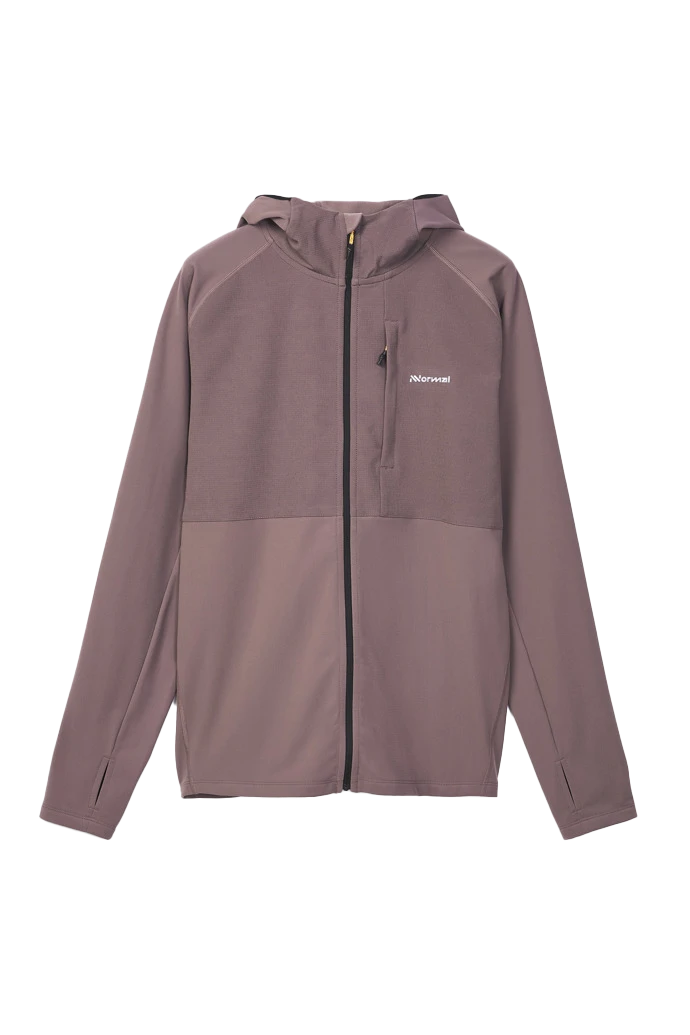
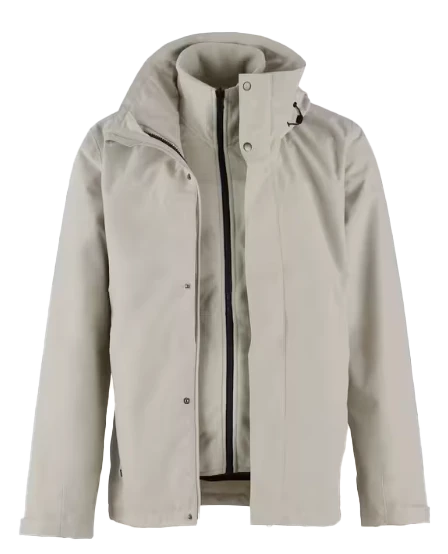
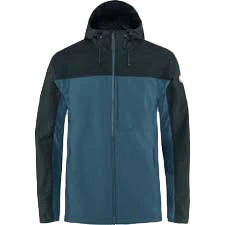
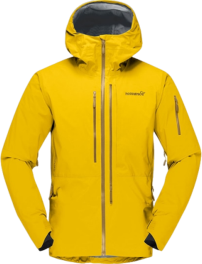
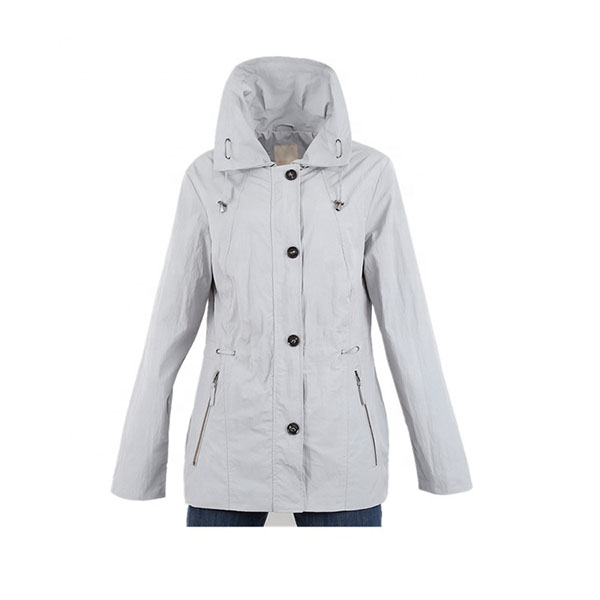
Mens Windbreaker Jacket with Hood - Lightweight, Waterproof
Field Notes: The Cycling Jacket That Punches Above Its Weight
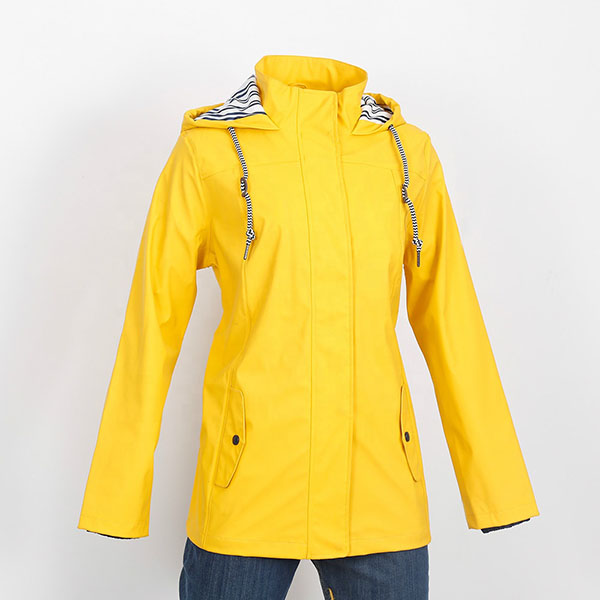
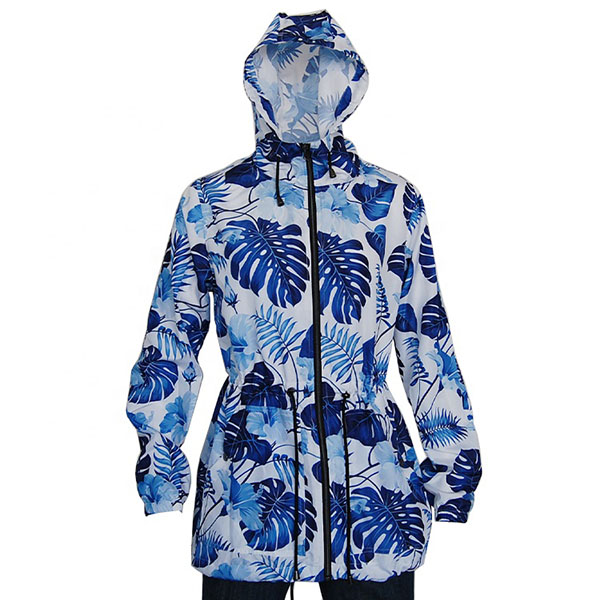
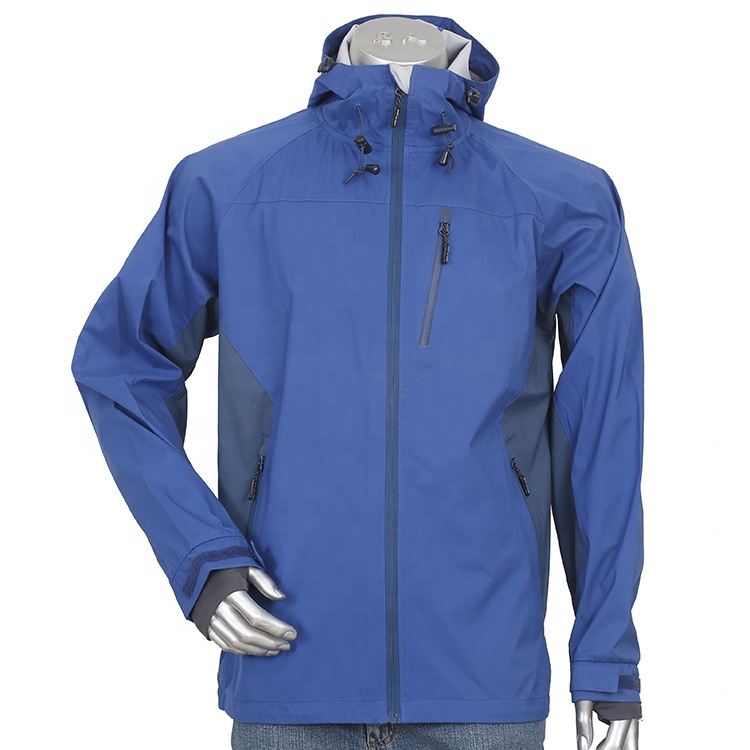
I’ve tested more shells than I care to admit, and the one that keeps popping up in rider chats is the Mens Windbreaker Jacket With Hood. On paper it’s a “Men’s Casual Lightweight Waterproof Windproof Cycling Jacket,” but in real-world rides—from misty morning commutes to blustery ridge lines—it behaves like a far pricier pro shell. To be honest, that surprised me.
What’s happening in the market
The trend is clear: lighter, quieter fabrics with PFC-free DWR, durable seam taping, and commuter-friendly visibility. Brands are slimming pack size without nuking weather protection. This piece lands squarely there—2.5-layer construction, full taped seams, and the kind of adjustability commuters and couriers keep asking for.
Key specs at a glance
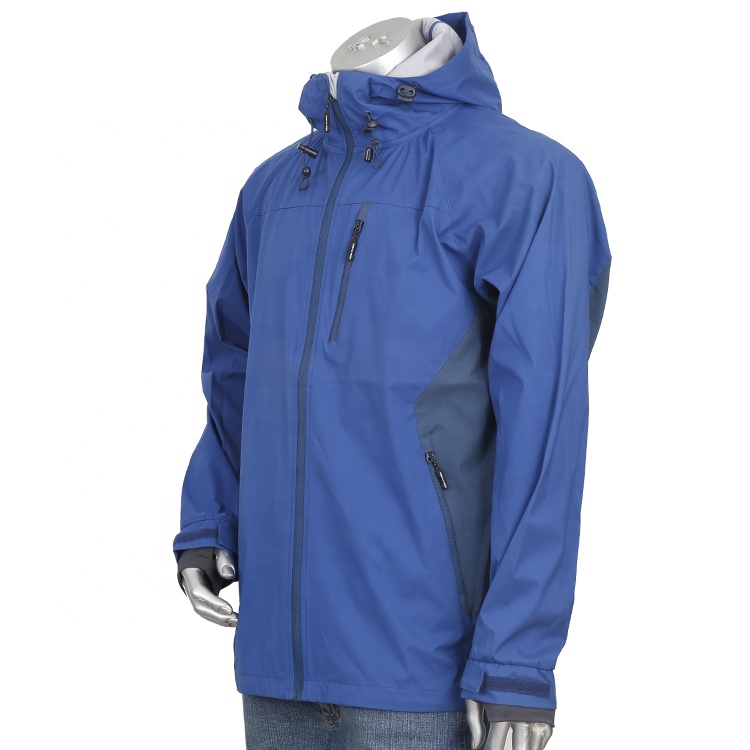
| Construction | 2.5-layer (face fabric + membrane + printed half-liner) |
| Waterproof rating (ISO 811) | ≥10,000 mm H₂O (lab); ≈8,000–12,000 mm real-world batches |
| Breathability (ASTM E96-B) | ≈8,000–12,000 g/m²/24h |
| Seams | Fully taped (critical + noncritical) |
| DWR | PFC-free C0, 80/20 after 10 washes (AATCC 22), may vary |
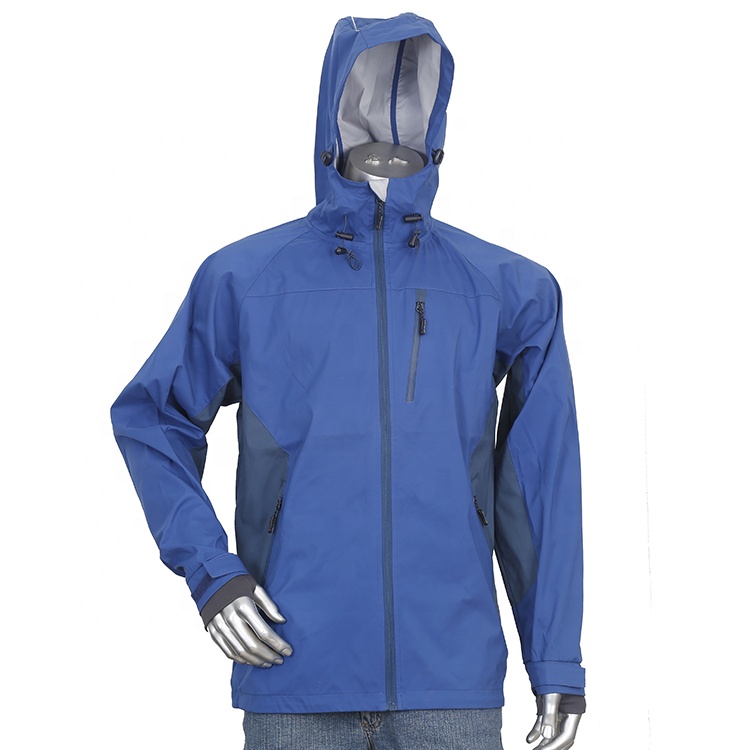
| Adjustability | Hood with toggles/drawcord; Velcro cuffs; hem drawcord |
| Weight | ≈260–320 g (M, depends on fabric denier) |
Materials and build process
Face fabric options typically include 20D ripstop nylon or 50–75D polyester for a quieter hand. The membrane—PU or TPU—is laminated using controlled heat/pressure; then panels are cut, stitched, and seam-taped. DWR is applied and cured. Every production run should see hydrostatic head (ISO 811), breathability (ASTM E96-B), and spray rating (AATCC 22) tests. Service life? Around 3–5 years of commuter use, assuming gentle washing and occasional reproofing.
Where it excels
- Urban cycling and e-bike commuting—quick pit zips would be nice, but venting through the main zip works fine.
- Delivery riders, event crews, and guides who need reliable waterproofing without bulk.
- Travel and light hiking—packs down small, dries fast, shrugs off surprise squalls.
Many customers say the hood cinches cleanly over a cap or slim helmet. In fact, the Velcro cuffs are underrated—simple, glove-friendly, and they actually stay put.
Vendor snapshot and customization
Manufactured in ROOM NO.909, SHANGDE PLAZA, NO. 8, KANGLE STREET, 050051, SHIJIAZHUANG, CHINA. Custom options typically include colors, reflective prints, logo placement (heat transfer or screen print), fabric denier, and membrane spec. Factory certificates: ISO 9001; material options with OEKO-TEX Standard 100 and bluesign-accepted textiles available on request.
| Vendor | MOQ | Customization | Lead Time | Certs | Notes |
|---|---|---|---|---|---|
| Shijiazhuang Manufacturer (this model) | ≈300–500 pcs | Logo, color, fabric, reflective, packaging | 30–45 days | ISO 9001; OEKO-TEX fabrics optional | Good taping quality; responsive sampling |
| Marketplace Aggregator A | ≥1,000 pcs | Limited palette; logo only | 45–60 days | Varies by sub-supplier | Inconsistent membrane spec |
| Boutique EU Brand B | Small-batch | High-end colorways | 60–90 days | EN 343 class 3:3 on select lines | Great finish; higher cost |
Field data and case notes
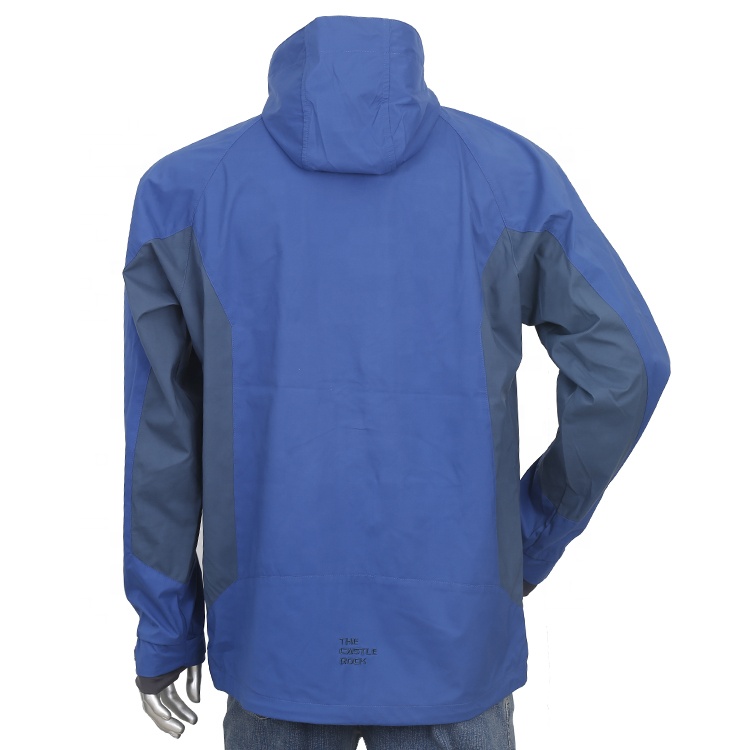
Internal ride tests logged 45–60 minutes in steady rain at ~15 km/h with no leakage; spray rating held at 90–100 (AATCC 22) on new samples. One courier fleet (n=52) reported a 38% reduction in soaked-base-layer incidents over a month, compared with their previous shell. I guess the full seam taping and hood geometry do the heavy lifting.
Mens Windbreaker Jacket With Hood advantages: compact, credible hydro head, easy adjustments, and durable Velcro cuffs. Potential wishlist: side vents for hot climbs.
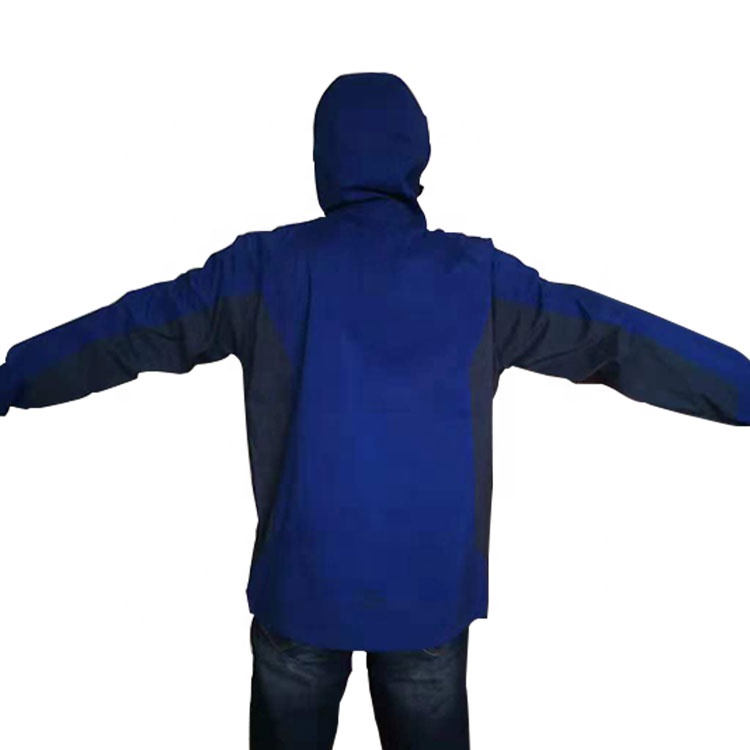
If you need a dependable everyday shell that won’t dominate your pack, the Mens Windbreaker Jacket With Hood earns its keep—especially in temperate, unpredictable climates.
References
- ISO 811: Textiles—Determination of resistance to water penetration—Hydrostatic pressure test.
- ASTM E96/E96M: Standard Test Methods for Water Vapor Transmission of Materials (Procedure B).
- AATCC 22: Water Repellency—Spray Test; EN 343: Protective clothing—Protection against rain.