






Apr 16, 2026
12.03 / 2025
Puffy Windbreaker: Top Benefits, Features & Global Uses Explained
Understanding the Puffy Windbreaker: Style Meets Function in Outdoor Wear
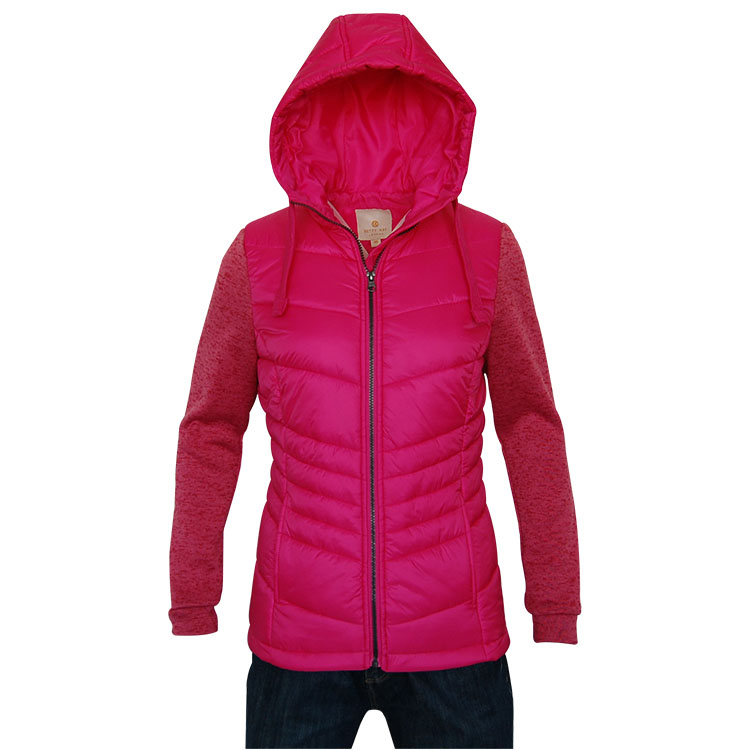
The puffy windbreaker has grown from a niche outdoor jacket to a globally recognized staple for weather protection. Why does this matter? Well, across vastly different industries—from outdoor recreation to disaster relief—the puffy windbreaker strikes a rare balance between warmth, lightness, and wind resistance, making it a versatile solution for diverse climates and needs. Grasping what makes this jacket popular isn’t just for fashion enthusiasts; it’s a window into materials technology, sustainable design, and even humanitarian work.
Why the Puffy Windbreaker is a Global Game-Changer
Outdoor industries are booming worldwide, propelled by a growing global interest in hiking, adventure tourism, and urban outdoor lifestyles. According to the World Bank, leisure tourism has steadily increased by 4-5% annually over the past decade, with cold-weather wear demand closely following suit. Yet, the challenge remains: how to keep warm without overheating, stay aerodynamic against winds, and stay environmentally mindful? Enter the puffy windbreaker, a product designed to address these exact demands.
Oddly enough, even humanitarian agencies use them in cold, windy post-disaster areas where heavy coats are impractical to ship and wear. This little jacket offers insight into a world where advanced materials blend with real-world application.
What Exactly Is a Puffy Windbreaker?
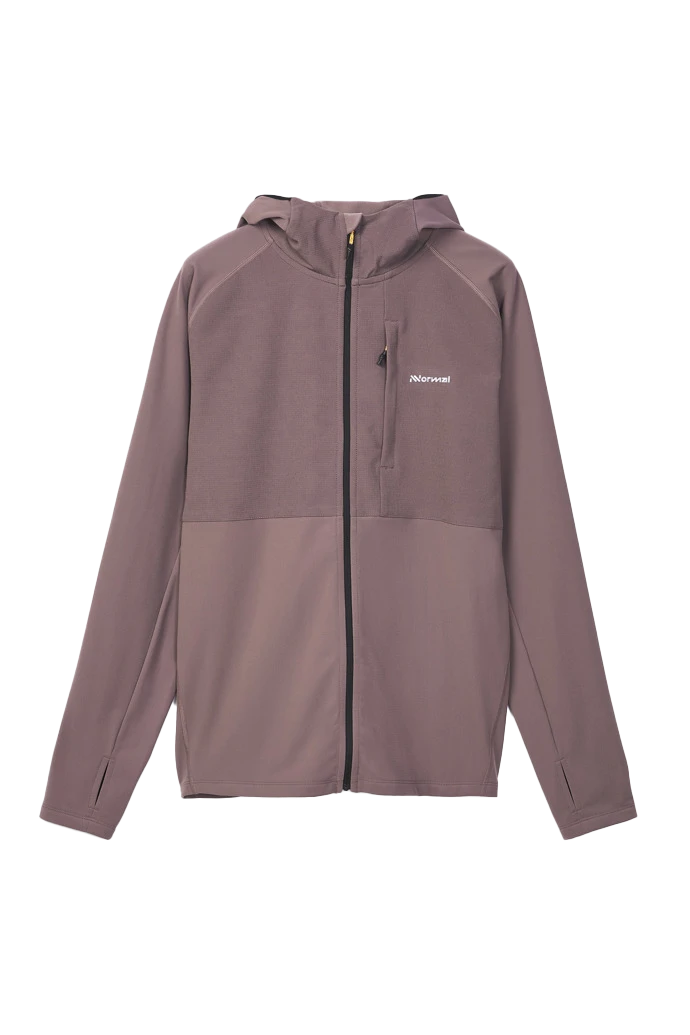
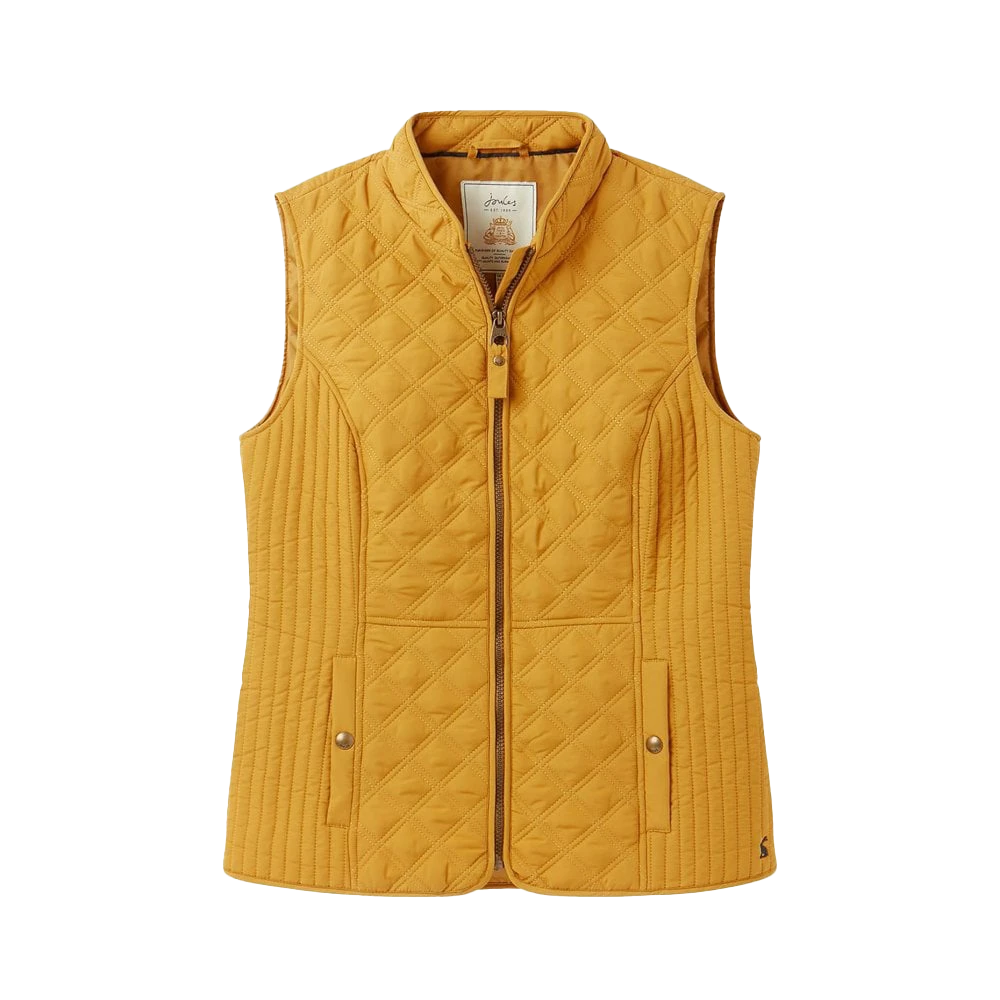
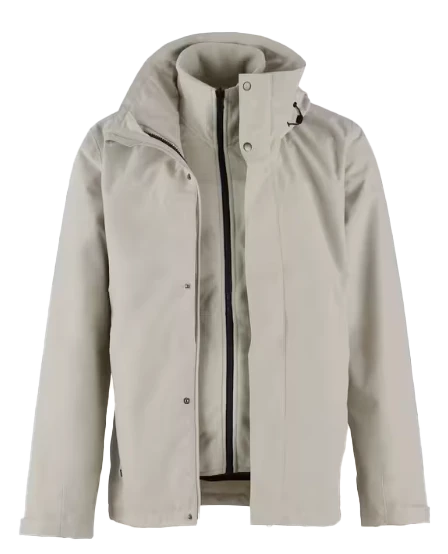
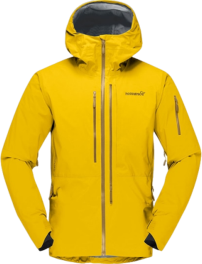
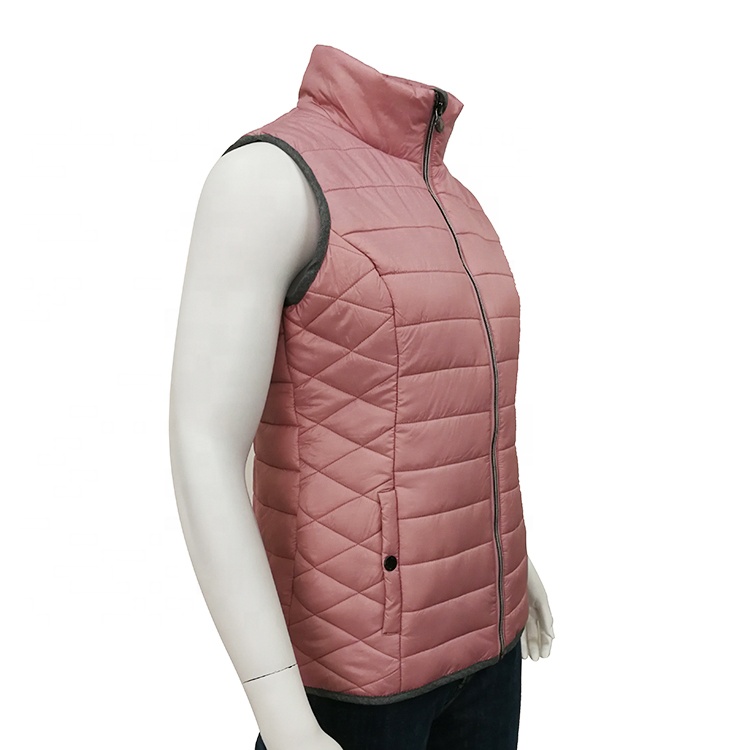
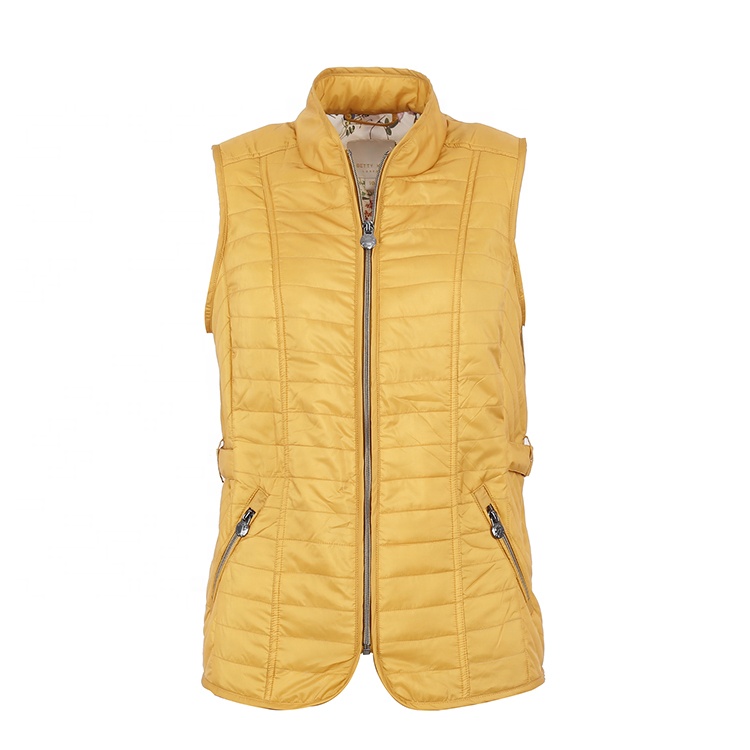
Simply put, a puffy windbreaker is a lightweight jacket filled with insulation—usually down or a synthetic alternative—and layered with a fabric that blocks wind effectively. It’s sometimes called a “down windbreaker” or “insulated shell.” Unlike heavy parkas, it prioritizes packability and breathability while still shielding you from chilling gusts. Common in the outdoor apparel industry, such jackets have become pivotal in urban and industrial use too—imagine a delivery worker cycling through the windy streets in brisk temperatures.
Key Components That Make the Puffy Windbreaker Tick
1. Insulation Type
Down feathers offer excellent warmth-to-weight ratio but falter when wet. Synthetic fills, like PrimaLoft®, perform better in damp conditions but can be slightly heavier. Each choice dictates performance and cost.
2. Wind Resistance
The outer shell fabric is crucial. Materials such as ripstop nylon with durable water repellent (DWR) coatings prevent chilling wind penetration without sacrificing mobility.
3. Weight and Packability
For backpackers and urban commuters alike, being able to stuff a jacket into a small pouch makes a huge difference. Puffy windbreakers excel here.
4. Breathability
Keeping moisture inside clothing is uncomfortable and can chill you. Good puffy windbreakers include ventilation features or use fabrics that allow sweat vapor release.
| Feature | Typical Specs | Benefit |
|---|---|---|
| Insulation | 600-800 Fill Power Down / PrimaLoft Synthetic | Light, warm, compressible |
| Outer Fabric | Ripstop Nylon with DWR | Windproof, water-resistant |
| Weight | 250-400 grams | Easy packability |
| Breathability | 10,000+ g/m²/24hr | Moisture vapor release |
Mini takeaway: The core of any puffy windbreaker is a smart pairing of insulation and shell fabric, designed to maximize warmth without bulk.
Where in the World Do Puffy Windbreakers Make the Biggest Impact?
At first glance, you might guess alpine hikers or urban dwellers in chilly cities—but the utility spreads much further. For example:
- Mountain regions of Canada and Scandinavia: Outdoor trekking and hunting communities rely heavily on these jackets for sustained warmth.
- Industrial sectors: Logistics and construction workers in windy coastal environments use them for safer, more comfortable shifts.
- Humanitarian efforts: NGOs distributing durable warm outerwear during cold weather crises in parts of Eastern Europe and Central Asia emphasize lightweight gifting for transportability.
Oddly enough, some high-altitude aviation mechanics in South America prefer synthetic-fill windbreakers for their resistance to damp conditions during early morning shifts.
Advantages & Lasting Value
Why choose a puffy windbreaker over classic coats or cheap alternatives? The benefits range from practical to emotional:
- Cost-effectiveness: Long-lasting, requiring less replacement over seasons.
- Sustainability: Many brands now use recycled nylon and responsible down standards certified by the Responsible Down Standard (RDS).
- Social well-being: Feeling warm and protected contributes heavily to personal safety and dignity—especially in precarious jobs or environments.
- Innovation: Continual material science improvements lead to thinner, warmer, and more wind-resistant layers.
Looking Forward: Trends and Innovations
Upgrades in insulation technology (like graphene-enhanced fibers), incorporation of biodegradable shells, and smart fabrics that adapt to temperature are exciting frontiers. Digital manufacturing and automated stitching promise better quality control. Environmental policies are steering manufacturers toward zero-waste approaches and carbon-neutral production—which frankly, is overdue.
Industry Contenders: Puffy Windbreaker Vendor Snapshot
| Brand | Insulation Type | Eco Credentials | Price Range (USD) | Target Market |
|---|---|---|---|---|
| Arc'Teryx | 800 Fill Down (RDS) | High (Recycled fabrics) | $300-$600 | High-performance outdoor |
| Patagonia | Synthetic PrimaLoft | Very High (Fair Trade Certified) | $250-$500 | Eco-conscious consumers |
| Uniqlo | 600 Fill Down | Moderate | $50-$100 | Budget-conscious urban |
Challenges & Strategies to Overcome Them
Despite their popularity, puffy windbreakers have challenges. Down insulation struggles in damp climates unless treated for water resistance. Synthetic alternatives, while more durable in moisture, often lack the same warmth-to-weight magic. Plus, environmental concerns about down farming practices sometimes cause consumer unease.
Innovative solutions like hydrophobic down treatments, hybrid insulation layering, and strict sourcing certifications help address these issues. Brands are also improving garment repairability to extend longevity, reducing textile waste.
FAQ: Your Puffy Windbreaker Questions Answered
Q1: How do puffy windbreakers compare to heavy coats in windy weather?
A: Puffy windbreakers are specifically designed with windproof outer layers and insulated fill to trap warmth without excessive bulk, making them more versatile and easier to wear in changing conditions compared to heavy coats.
Q2: Are synthetic insulation puffy windbreakers good for wet climates?
A: Yes, synthetics like PrimaLoft maintain insulating properties when damp, unlike traditional down which loses loft and warmth when wet. This makes synthetics preferable for unpredictable weather.
Q3: Can puffy windbreakers be packed into small spaces for travel?
A: Absolutely. One key benefit is packability. Most compress down to very small sizes, ideal for backpackers and travelers who need warmth on the go.
Q4: Are these jackets environmentally friendly?
A: Increasingly so. Many manufacturers now use RDS-certified down and recycled fabrics. However, environmental impact varies between brands and should be considered during purchase.
Wrapping It Up: Why a Puffy Windbreaker Is a Smart Choice
For anyone dealing with wind, cold, and active lifestyles, the puffy windbreaker is a rare blend of practical warmth, comfort, sustainability, and style. Whether you're navigating a blustery commute or volunteering in chilly relief operations, these jackets deliver consistent performance. Curious to see the latest on the market? Take a look at puffy windbreaker collections — you might find the perfect layer for your adventures.
One final thought: The humble puffy windbreaker shows how innovation in materials and design can meet a simple human need — to stay warm and move freely. And frankly, that’s a pretty cool thing.