






Apr 16, 2026
12.02 / 2025
Short Quilted Puffer Jacket: Stylish, Warm & Sustainable Outerwear Explained
Understanding the Short Quilted Puffer Jacket: A Blend of Style and Functionality
In today’s fast-moving world, choosing the right outerwear isn’t simply about style or comfort—it’s about adaptability, protection, and even sustainability in some cases. The short quilted puffer jacket perfectly embodies these qualities, making it a global favorite for those who face variable climates or just want versatile warmth without bulk. Whether navigating chilly urban streets or braving brisk mountain air, this compact jacket design offers a practical balance between insulation and mobility.
But beyond just being a trendy staple, the short quilted puffer jacket intersects with broader themes: innovation in manufacturing, environmental responsibility, and the evolving demands of modern consumers worldwide. You might wonder why it matters so much beyond your wardrobe. Well, its development and adoption reflect how industries adapt to climate realities and consumer preferences—both pivotal issues as we look at global sustainability and health.
Introduction: Global Importance of the Short Quilted Puffer Jacket
Outerwear sales have been steadily rising worldwide, with the insulated jacket category growing by roughly 7% annually, according to industry reports from the International Apparel Federation (IAF) and corroborated by ISO data on textile innovations. This growth isn’t just seasonal hype; it’s a response to increasing global demand for versatile garments that support both active lifestyles and changing climate conditions.
Countries with fluctuating temperatures, like those in Europe, North America, and parts of Asia, see a marked preference for jackets that balance warmth with portability. It’s a problem many face: how to stay warm without feeling weighed down. The short quilted puffer jacket solves this with insulated panels that trap heat efficiently while keeping the design sleek and comfortable—crucial for everyday wear.
Defining the Short Quilted Puffer Jacket
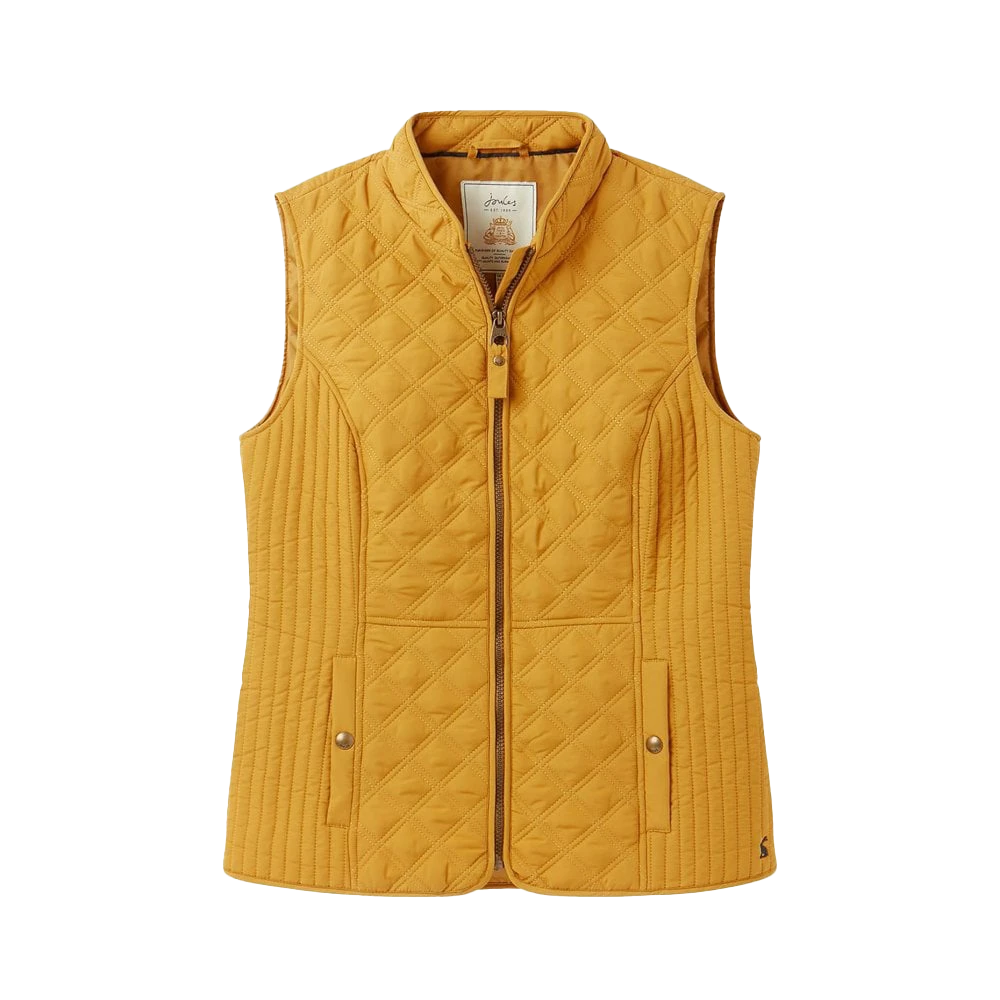
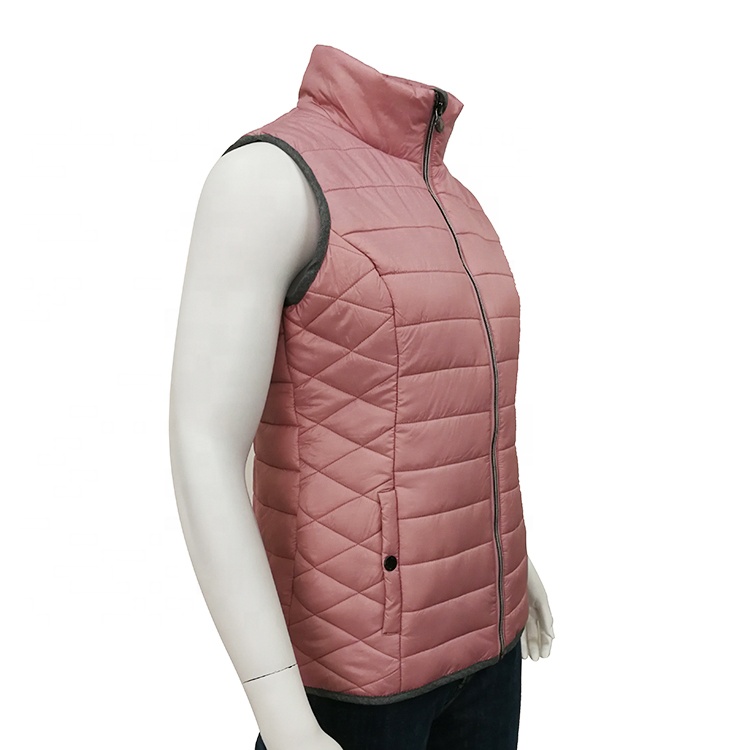
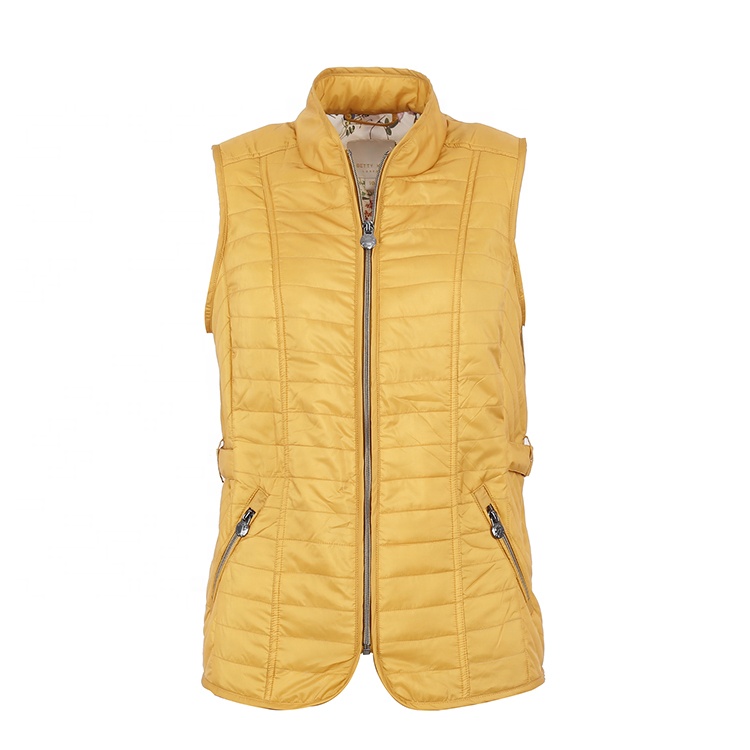
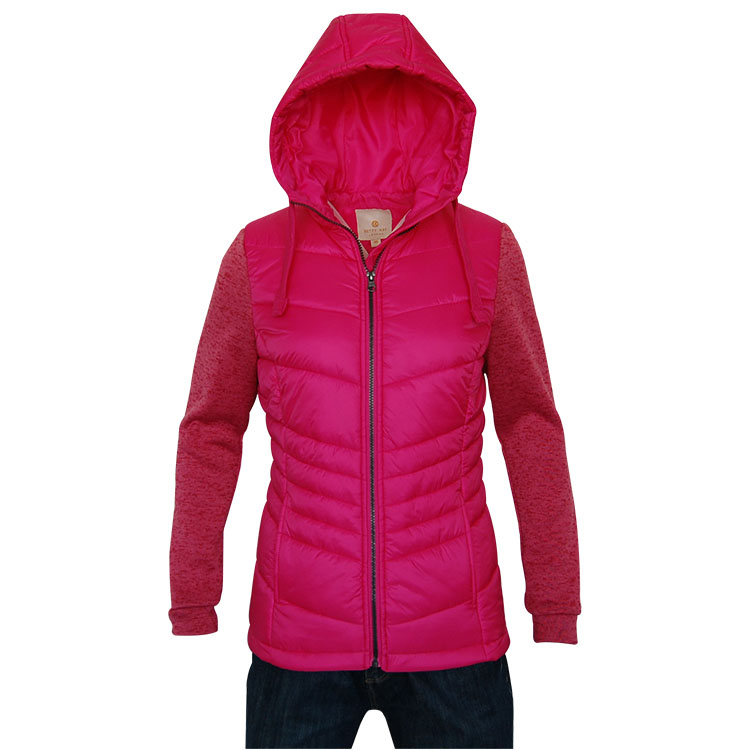
Simply put, a short quilted puffer jacket is a waist-length coat filled with down or synthetic insulation sewn in discrete pockets or “quilts.” This quilting prevents the filling from shifting, improving thermal efficiency. Unlike longer coats, the short length enhances freedom of movement and is especially popular among people who want warmth without the bulk of a full parka.
Its use goes beyond fashion trends—in humanitarian logistics, for instance, these jackets are sometimes distributed to vulnerable populations in cold regions to provide immediate warmth while being easy to store and transport. The versatility makes them suitable across industries, from outdoor recreation manufacturing to emergency relief.
Core Features of Short Quilted Puffer Jackets
1. Insulation Efficiency
Whether filled with natural down or synthetic fibers, these jackets emphasize high heat retention with minimal weight. Synthetic fills also shine in wet conditions, retaining warmth even when damp.
2. Durability and Material Quality
The outer fabrics often use ripstop nylon or polyester with durable water repellent (DWR) coatings, ensuring resistance to light rain and wind—ideal for unpredictable climates.
3. Compactness and Portability
One often overlooked aspect: many short puffers compress down significantly, making them excellent for travel or layering without taking up space.
4. Style and Fit Versatility
The jacket’s shorter cut appeals to users seeking casual, versatile outerwear that pairs well with everything from jeans to business casual attire; it’s less cumbersome than longer coats but still protective.
5. Environmental Considerations
Increasingly, brands emphasize recycled materials and ethically sourced down, aligning with consumer demand for sustainability.
Mini Takeaway:
- The short quilted puffer jacket is a smart, functional piece combining efficient insulation with a compact design suited for modern, active lifestyles.
- Its material innovations and sustainable trends reflect broader shifts in apparel manufacturing.
Global Usage and Applications
This jacket transcends seasons and continents. In Europe’s chilly autumns, many wear it as a daily commuter’s staple. In North America, it’s both a casual option and a base layer under heavier coats during winter hikes. Meanwhile, in East Asia, its urban popularity is booming, with smart-casual styles dominating markets.
Humanitarian organizations sometimes distribute short quilted puffer jackets in cold-weather disaster areas because they provide immediate, effective warmth but remain easy to pack and transport. Industrial workers in remote cold zones—like oil fields in Siberia or construction sites in Scandinavia—favor these jackets for their balance of protection and flexibility.
Product Specification Table
| Feature | Specification | Benefit |
|---|---|---|
| Fill Type | 700+ Loft Goose Down / Synthetic Alternatives | Superior warmth-to-weight ratio |
| Shell Material | Ripstop Nylon with DWR Coating | Water & wind resistance, durability |
| Length | Waist-length | Mobility and layering ease |
| Weight | Approx. 300-400 grams | Easy packing and travel-friendly |
| Sustainability | Recycled fabrics / RDS Certification | Reduced ecological footprint |
Vendor Comparison Table
| Brand | Fill Material | Price Range | Sustainability Focus | Water Resistance |
|---|---|---|---|---|
| AlpineGear | 700 Loft Goose Down | $$$ (High) | RDS-certified down | DWR-treated shell |
| EcoNest | Recycled Synthetic | $$ (Mid-range) | 100% recycled fabrics | Water-resistant membrane |
| UrbanLayer | Mixed Down/Synthetic | $ (Budget) | Limited sustainability claims | Basic DWR treatment |
Advantages and Long-Term Value
The appeal of the short quilted puffer jacket goes beyond mere warmth. Its lightweight nature means less energy is used to create, transport, and even wash the garment, nudging it toward sustainability. Emotionally, it provides peace of mind — a cozy layer that you can toss on on a chilly morning or after a sudden weather dip.
From a social perspective, brands embracing ethical sourcing help foster a more transparent and responsible fashion industry. Plus, durability means fewer replacements, which saves resources and money long-term. It’s a surprisingly innovative garment when you consider how it combines tradition (quilting techniques) with cutting-edge textiles.
Future Trends and Innovations
Looking ahead, expect increasing integration of biodegradable insulation alternatives and advanced recycled materials. Nano-coatings that repel stains and water without synthetic chemicals are on the horizon, making treatments more eco-friendly. Some brands are experimenting with digital customization, where consumers can tweak fill density or shell color online before ordering — a nifty step toward reducing waste and unsold inventory.
Automation will also streamline manufacturing, boosting scalability without sacrificing quality or sustainability. Oddly enough, this seemingly small product reflects broader shifts in green technology, digital retail, and consumer engagement.
Challenges & Expert Solutions
Despite all the positives, short quilted puffer jackets face challenges. Synthetic fills sometimes lack the loft and feel of natural down, though ongoing R&D is narrowing that gap. Water resistance also varies, which can be problematic in heavy rain. To tackle this, some vendors provide hybrid jackets combining water-resistant shells with hydrophobic down treatments.
Demand for sustainability can lead to higher prices, deterring some consumers. Educating customers on the long-term benefits and durability often helps bridge this.
FAQ: Short Quilted Puffer Jacket Essentials
- Q: What makes a short quilted puffer jacket better than traditional winter coats?
- A: Its combination of lightweight warmth and mobility makes it versatile. Unlike longer coats, it doesn’t restrict movement, perfect for layering or active wear in variable temperatures.
- Q: How durable are these jackets for everyday use?
- A: Quality versions last several seasons with proper care—think resistant shells and fill that maintains loft. Ripstop fabrics and DWR coatings add to durability against wear and weather.
- Q: Are synthetic fillings as warm as natural down?
- A: Modern synthetics provide comparable warmth and retain insulation when wet, unlike natural down which can clump. However, natural down tends to be lighter and more compressible.
- Q: How can I make sure my jacket is sustainably made?
- A: Look for certifications like Responsible Down Standard (RDS), recycled fabric labels, and transparent supply chain information. Many brands highlight these details on their websites or tags.
Conclusion & Call to Action
In real terms, the short quilted puffer jacket is more than just outerwear—it’s a reflection of evolving fashion technology meeting global needs for warmth, versatility, and sustainability. It’s an adaptable garment that fits diverse lifestyles and climates, offering both comfort and style.
Curious to explore styles and brands with the latest innovations? Check out our selection at short quilted puffer jacket for options that blend performance with responsibility.
Stay warm, stay smart!
Reflecting on the ubiquitous puffer jacket, it’s clear that something seemingly simple carries a wealth of design, environmental, and cultural significance. Not bad for a bit of stitched insulation, right?