







Apr 16, 2026
12.03 / 2025
Ultralight Windbreaker for Industrial Use | Lightweight & Protective
Why the Ultralight Windbreaker Still Rules in Industrial Gear
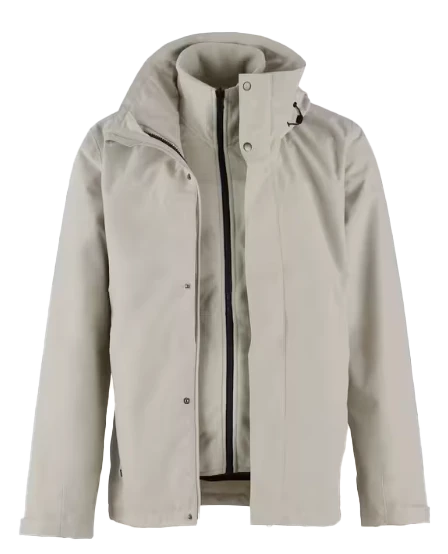
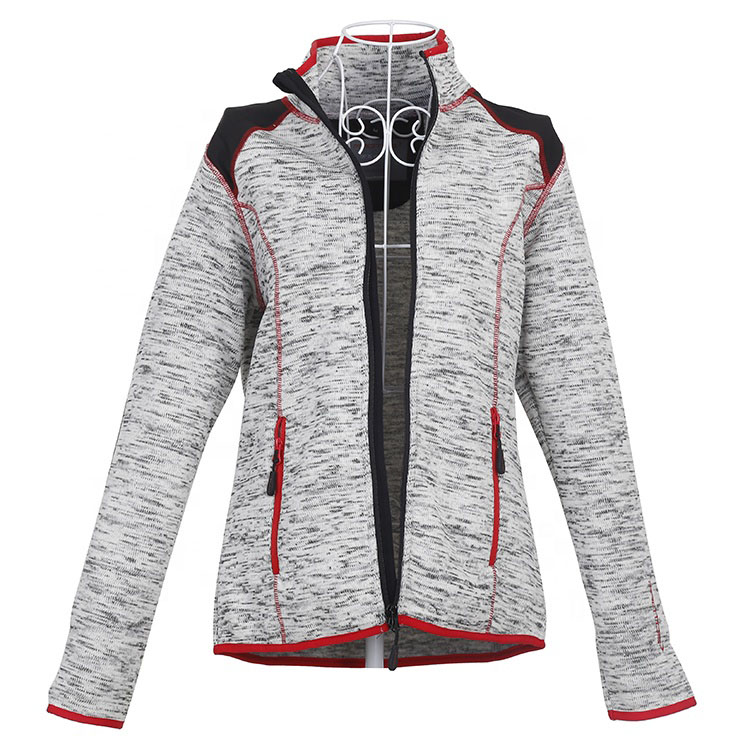
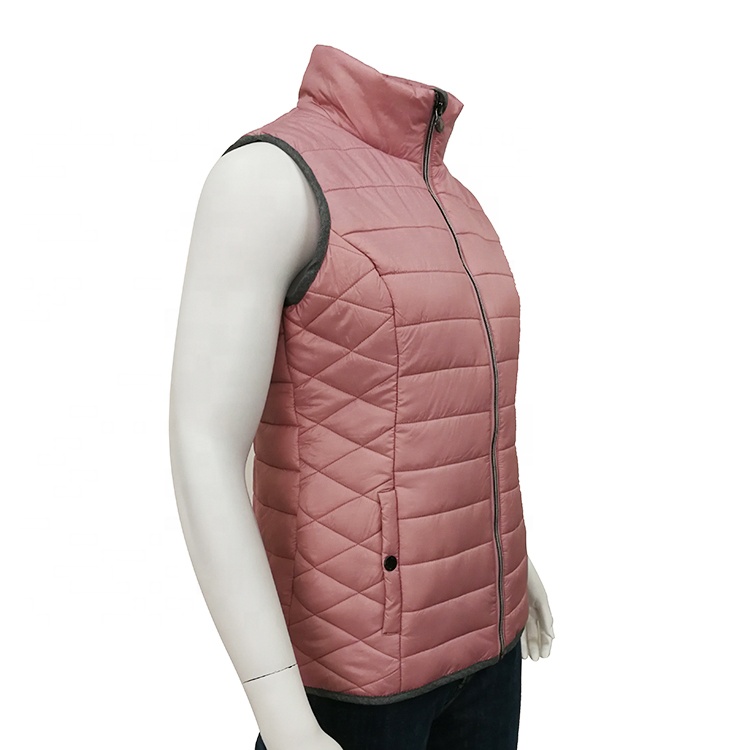
Having spent years knee-deep in the industrial equipment world, I gotta say: the ultralight windbreaker continues to surprise me with how much it matters on the worksite. Frankly, it’s one of those deceptively simple pieces of gear that often gets overshadowed by heavy-duty jackets or high-tech wearables. But its value — especially in those unpredictable weather conditions — can’t be overstated.
Industries like construction, utilities, or even logistics all have this shared challenge: you’re moving between indoors and outdoors, things change fast, and you need something light, packable, and reliable. I remember one chilly morning at an offshore plant where the wind was biting hard. Most folks were bundled up in bulky coats, but the few wearing ultralight windbreakers managed to stay agile and comfortable. It’s funny how something weighing just a few ounces can make or break your day.
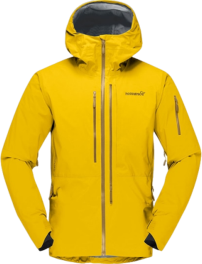
Now, why are these jackets so popular in industrial settings? First up, materials. Manufacturers typically choose ultra-thin ripstop nylon or polyester — stuff that feels almost like a second skin but offers a strong defense against wind and light rain. The breathability is key here; if you’re exerting effort on site, you don’t want to end up soaked in sweat. Ventilation is often built in with mesh liners or pit zips, which many engineers particularly appreciate.
Environmental testing on these jackets is rigorous, even if it doesn’t get as much spotlight as some heavy-duty gear. Most ultralight windbreakers go through ISO 811 water resistance tests, wind tunnel exposure trials, and repeated abrasion cycles. I’ve personally seen prototypes tested in simulated offshore conditions where gusts reach near hurricane force. You’d be surprised how a well-designed ultralight jacket holds up when the sheets of rain start pouring.
One thing worth mentioning is customization. You’d think, “It’s just a lightweight jacket, how much wiggle room is there?” But manufacturers often add reflective trims, reinforced seams, or modular pockets tailored for tools or personal protective equipment. A frequent request I’ve encountered is making jackets with high-visibility color panels without adding weight or bulk — a tricky balance but doable with modern laminates.
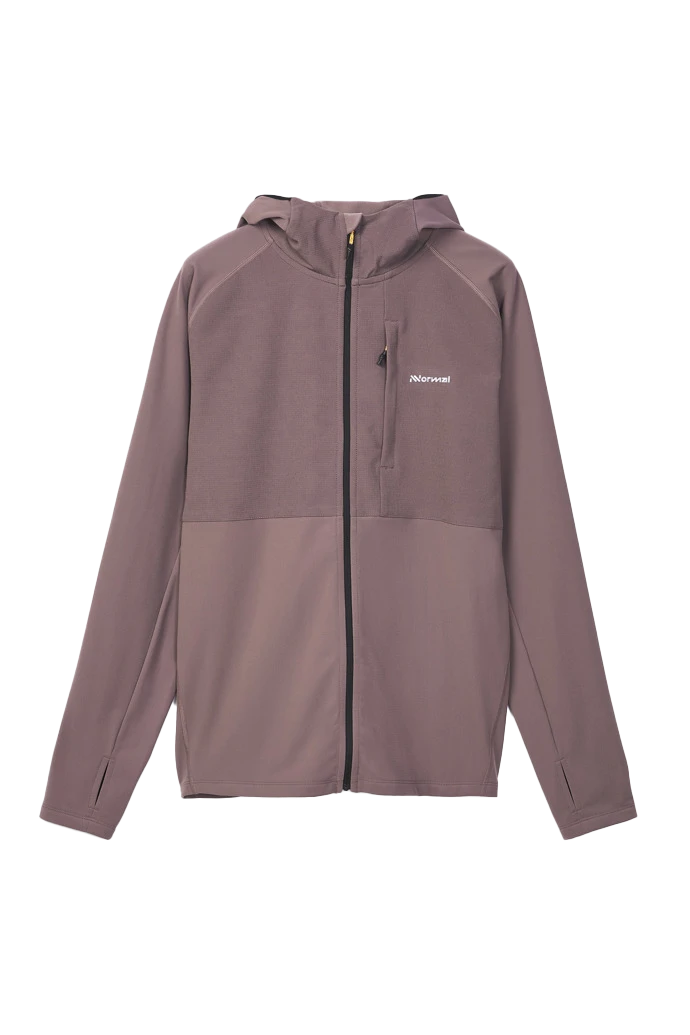
Alright, let’s get a bit more technical. Here’s a snapshot spec table of a typical ultralight windbreaker that’s often favored in industrial circles:
| Feature | Specification |
|---|---|
| Material | 100% Ripstop Nylon, 40gsm |
| Water Resistance | 2000 mm H2O hydrostatic head |
| Windproof Level | True windbreaker standard (ISO Certified) |
| Weight | Approx. 180 grams (size M) |
| Packability | Compresses to fit in a small pouch (15x10 cm) |
| Additional Features | Adjustable cuffs, reflective piping, zippered vents |
Comparing vendors in the industrial supply space, the differences often come down to material durability, price, and added industry-specific features. Here’s a straightforward comparison chart based on my experience and recent market insights:
| Brand | Material Quality | Industrial Features | Price Range (USD) |
|---|---|---|---|
| WindTech Pro | High-grade Nylon Ripstop | Reflective trim, reinforced seams | $75–$95 |
| SafeWear | Mid-level Polyester Blend | Hi-vis colors, tool pockets | $60–$80 |
| UltraLite Equip | Premium ultralight nylon | Packable, pit zips, adjustable hood | $90–$110 |
Oddly enough, despite the surge in wearable tech, the ultralight windbreaker remains a staple because it just works — no batteries, no fuss, and ready when the wind kicks up or the drizzle starts. It’s sort of like your invisible but dependable coworker on the job.
At the end of the day, whether you’re on a scaffold 30 floors up or inspecting a remote pipeline access point, having a reliable, lightweight layer that packs down easily but doesn’t sacrifice protection is key. And if you haven’t given a second thought to the humble ultralight windbreaker, I suggest you do—and soon.
So yeah, next time you’re gearing up, don’t overlook these featherweight wonders. They might just save you a lot of uncomfortable minutes and keep you moving.
References:
1. Industrial Textile Standards, ISO 811 Waterproof Testing
2. Field observations from offshore industrial sites, 2022
3. Vendor product data sheets and user reviews, 2023