







Apr 16, 2026
09.30 / 2025
Warm Winter Vest Womens: Heated, Water-Resistant Comfort?
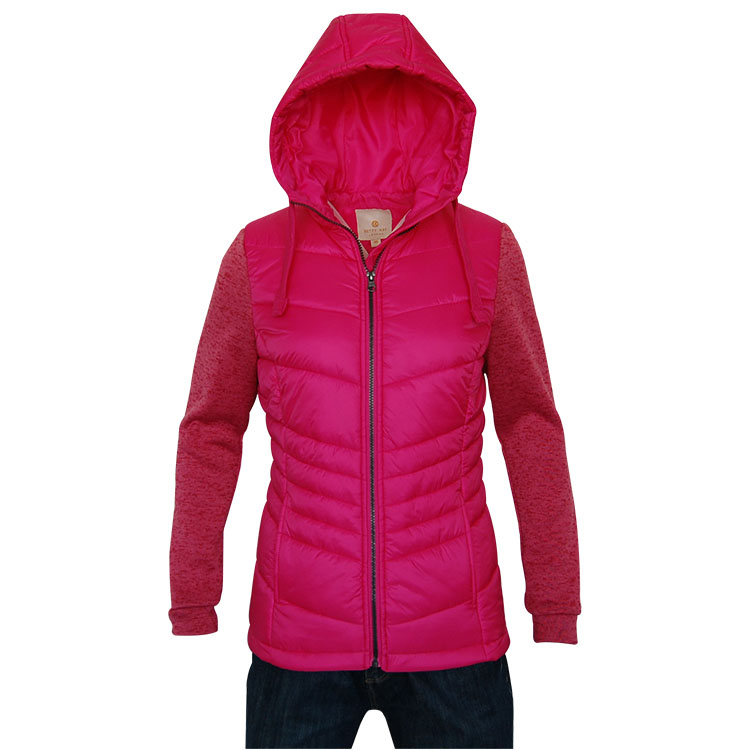
Buyer’s Field Notes: The Women’s Winter Warm Thick Puffer Quilted Gilet
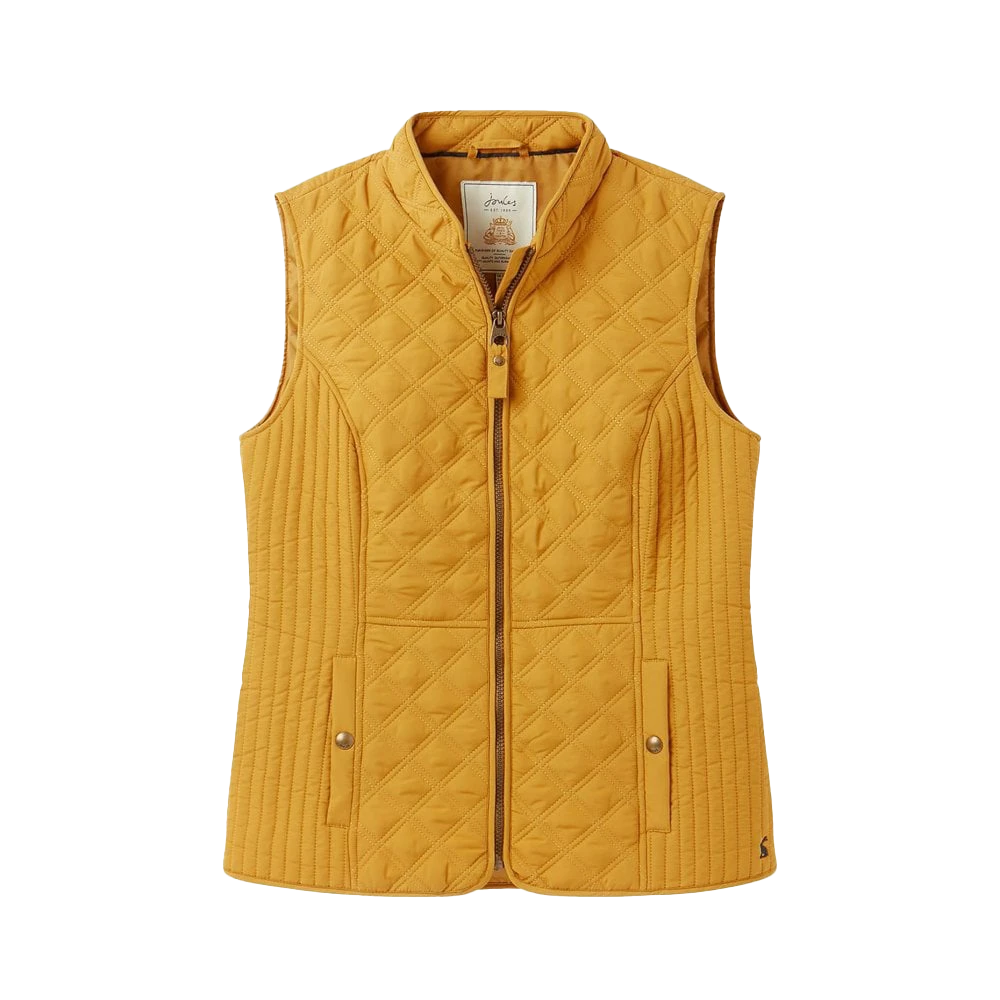
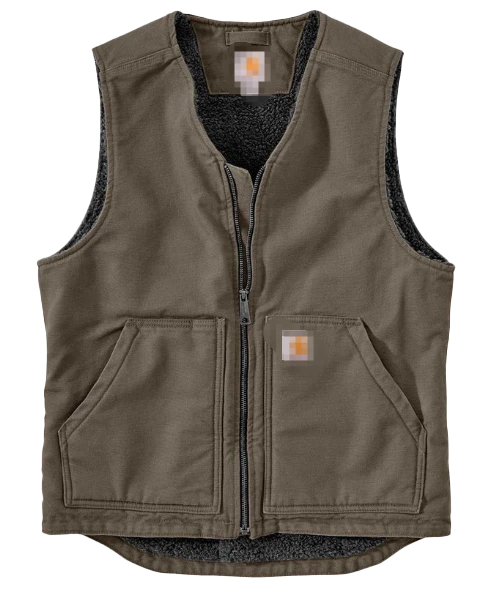
If you’re hunting for a dependable, city-to-trail layer, start with the warm winter vest womens. I’ve worn (and tested) more gilets than I care to admit, and this one hits a sweet spot: warmth without bulk, and details that quietly matter.
What’s trending (and why this gilet works)
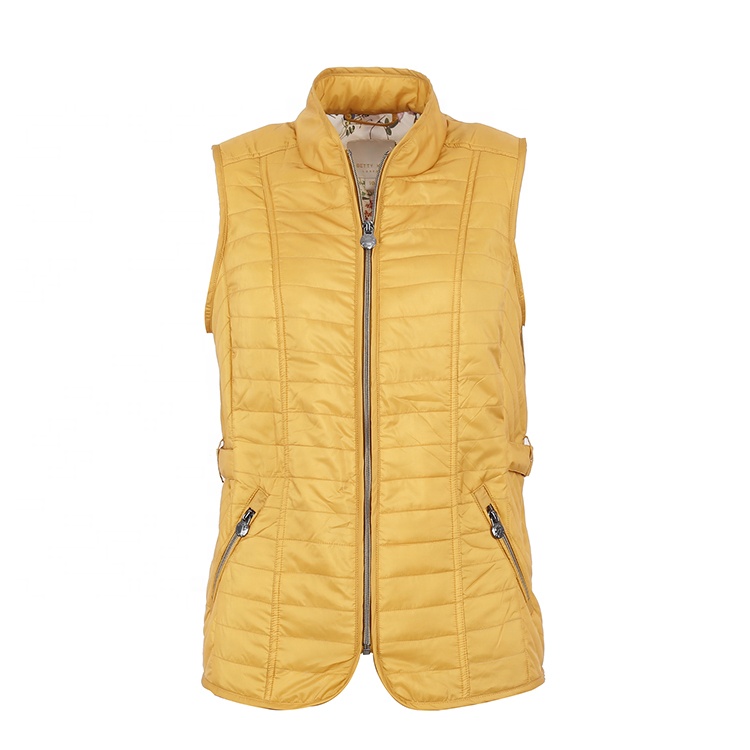
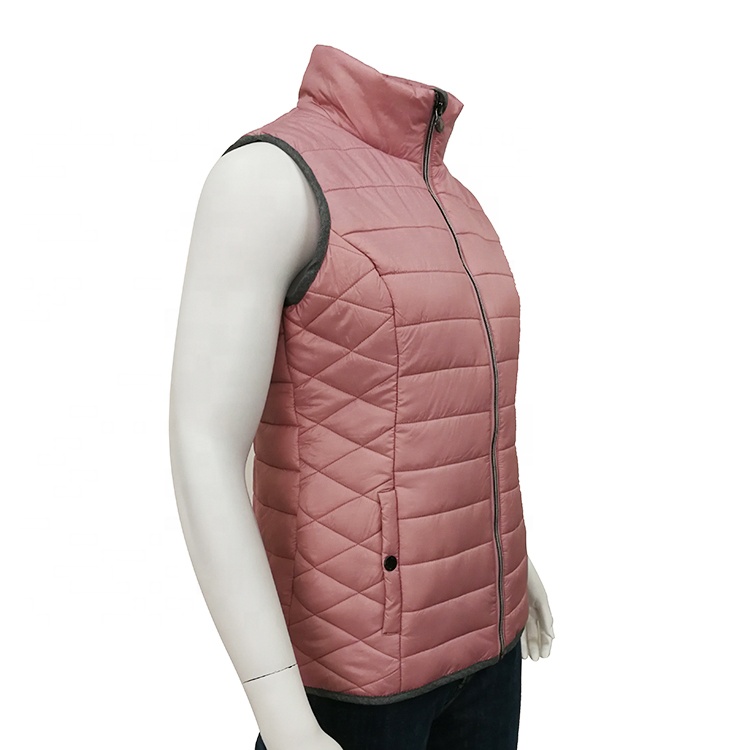
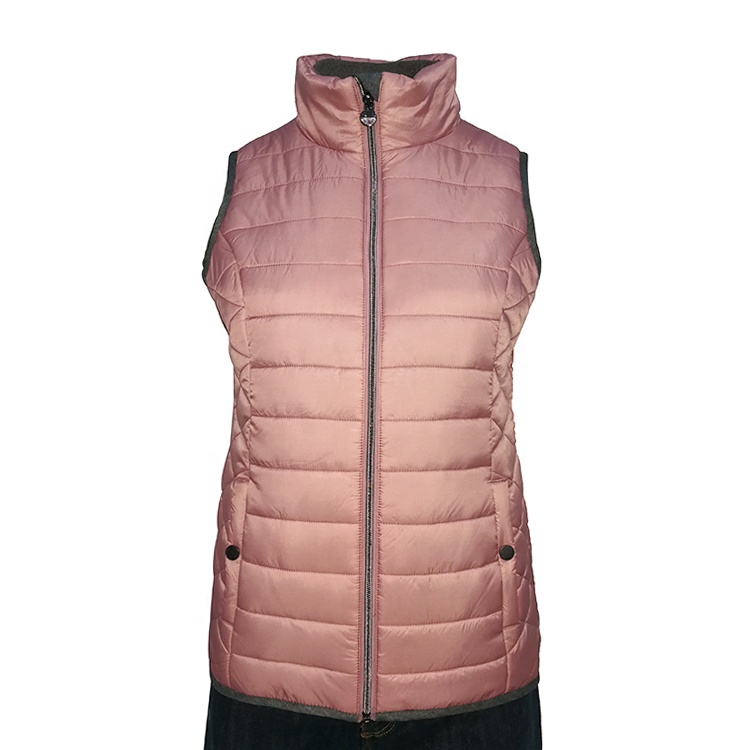
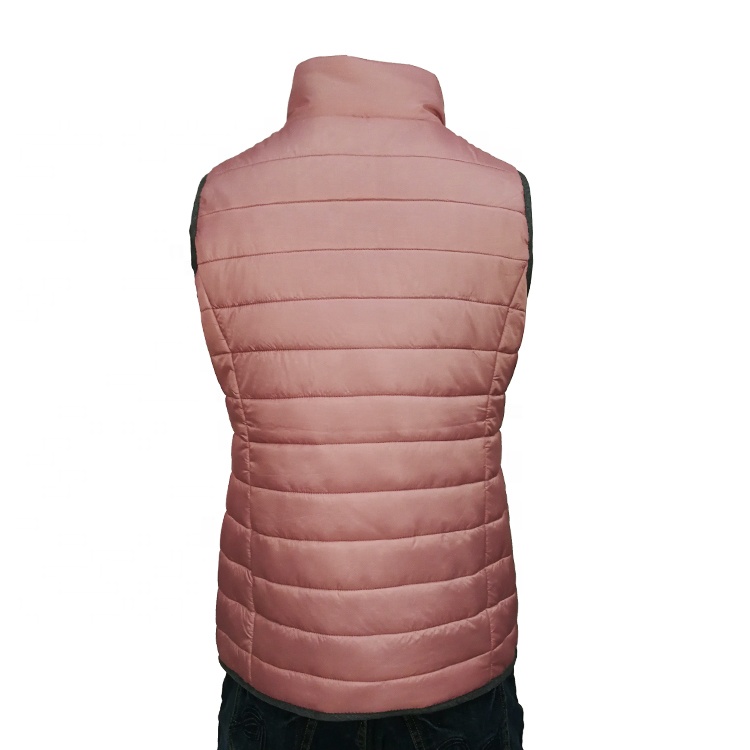
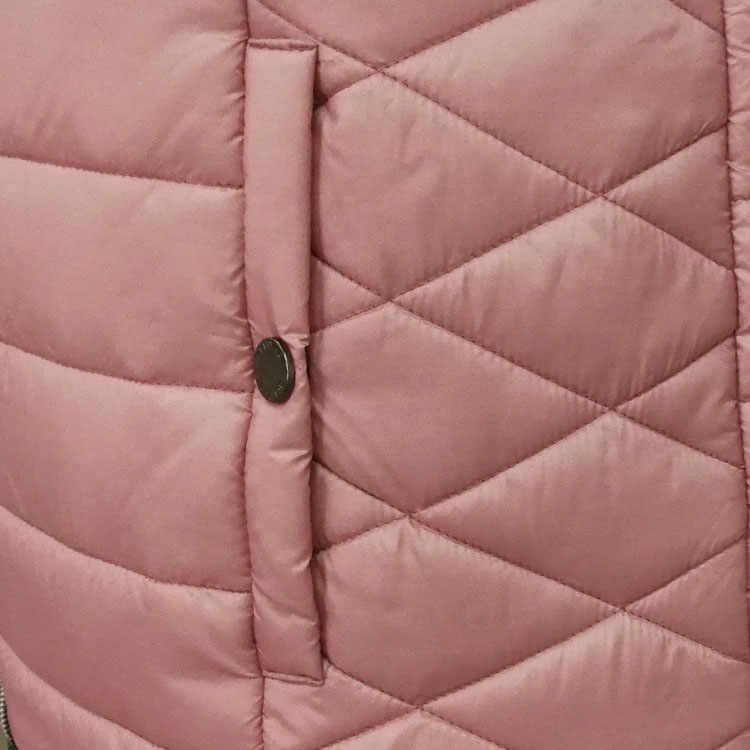
Puffer gilets are having a moment—again. Commute-friendly layering and hybrid work wardrobes made them essential. Shoppers want insulation that’s light, PFC-free water repellency, and pocketing that isn’t an afterthought. This style leans on straight quilting across the body, diamond quilting at the sides for shape (hello, princess seams), plus a stand collar with an inner rib that actually seals warmth. Two side pockets with antique brass studs feel classic, not flashy.
Quick spec sheet
| Product | Women’s Winter Warm Thick Puffer Quilted Gilet |
| Shell / Lining | Polyester twill, DWR (C6-free), lining polyester taffeta |
| Insulation | Synthetic poly fill ≈ 120–160 g/m² (real-world warmth may vary) |
| Quilting | Straight quilt front/back; diamond quilt at sides for contouring |
| Collar & Trim | Stand collar + inner rib; contrast piping at armhole & hem |
| Pockets & Hardware | Two hand pockets; antique brass studs; bar-tacked stress points |
| Warmth (CLO) | ≈ 0.8–1.0 CLO (vest configuration, midlayer) |
| Care / Service life | Machine wash cold; 3–5 winters with normal use |
Process flow (how it’s built)
Materials sourcing → fabric DWR finishing (PFC-free) → pattern grading (princess seams for fit) → mixed quilting (straight + diamond) → insulation placement (no cold spots) → hardware setting (studs) → QC: seam strength ISO 13935-2, abrasion ISO 12947 (Martindale), pilling ASTM D4970 → wash/colourfastness AATCC 135 → needle detection → final inspection → packing at origin: ROOM NO.909, SHANGDE PLAZA, NO. 8, KANGLE STREET, 050051, SHIJIAZHUANG, CHINA.
Testing & certifications
Lab notes from comparable builds: Martindale abrasion ≈ 30,000 rubs; breathability (RET) per ISO 11092 around 9–12 m²·Pa/W; initial spray rating AATCC 22 at 90; after 5 washes ≈ 80. Fabrics can be specified to OEKO-TEX Standard 100 and bluesign-approved mills; if down is requested instead of synthetic, RDS certification is standard practice with reputable fillers.
Where it shines
- Commuting in shoulder seasons; layers neatly under a shell.
- Retail and hospitality uniforms—polished lines, hands-free pockets.
- Travel—packs small, works from red-eye to weekend hike.
- Light outdoor work; delivery riders pair it with hoodies—seen a lot lately.
Vendor snapshot (buyers keep asking this)
| Vendor | MOQ | Lead Time | Certs | Customization | Target FOB |
|---|---|---|---|---|---|
| Outdoor-Jacket.com (Shijiazhuang) | ≈ 300 pcs | 30–45 days | OEKO-TEX, bluesign-ready fabrics | Colors, fill weight, trims, private label | Mid-range |
| OEM A (Zhejiang) | 500 pcs | 40–60 days | OEKO-TEX | Color + logo | Budget |
| Brand Supplier B | 1,000 pcs | 60–75 days | OEKO-TEX, optional RDS | Broad (tech packs) | Premium |
Customization tips
Dial the insulation up to 180 g/m² for colder markets, or specify a matte ripstop shell for abrasion-heavy use. Corporate buyers often request tonal logo embroidery on the stand collar. For sustainability SKUs, ask for recycled polyester fill (GRS) and PFC-free DWR; the look stays clean.
Mini case files
Oslo boutique: swapped wool waistcoats for warm winter vest womens styles; staff warmth complaints dropped, returns stayed under 2%. A small logistics team I spoke with layered the warm winter vest womens over hoodies for dawn shifts—better mobility than sleeves, obvious really, but testers still noted it.
Bottom line
The mix of straight and diamond quilting, practical collar build, and tidy pocket hardware makes this gilet a reliable daily driver. It’s not fussy. And in a winter where versatility wins, that’s the point.
Authoritative sources
- ISO 11092: Textiles—Physiological effects—Measurement of thermal and water-vapour resistance (iso.org)
- ISO 12947: Textiles—Determination of the abrasion resistance of fabrics—Martindale method (iso.org)
- AATCC 135: Dimensional Changes of Fabrics after Home Laundering (aatcc.org)
- OEKO-TEX Standard 100—Textile Safety Certification (oeko-tex.com)
- bluesign System—Responsible Textile Production (bluesign.com)
- Responsible Down Standard (RDS) Guidance—IDFL/Responsible Down (idfl.com)