





Apr 16, 2026
11.21 / 2025
Waterproof Padded Jacket – Stay Warm, Dry & Ready for Any Weather
Why Waterproof Padded Jackets Matter More Than Ever
Let’s start with the obvious — why do we even need a waterproof padded jacket? Well, it’s more than just fashion or a chilly-weather convenience these days. Across the globe, changing climates, unpredictable weather patterns, and the push for better outdoor wear have made these jackets essential. Whether you’re a hiker trekking through soggy forests, a worker on a rainy construction site, or part of a humanitarian team supplying gear after floods, this jacket is often the unsung hero. It’s a small tech miracle: keeping you dry, warm, and comfortable.
Understanding the benefits isn’t just for consumers. Industries from outdoor sports to disaster relief depend heavily on reliable waterproof padded jackets. Grasping their value means not only appreciating clever engineering but also recognizing environmental and social impacts worldwide.
The Global Stage: How Waterproof Padded Jackets Tie into Big Picture Challenges
Globally, there’s a growing need for durable, weatherproof clothing. The World Bank estimates that extreme weather events have doubled since the 1980s, increasing the demand for protective outdoor gear. And it’s not just about convenience. Roughly 1.6 billion people work outdoors worldwide, many in unpredictable or harsh conditions. For these workers and for communities facing climate hardships, a waterproof padded jacket isn't a luxury — it’s a critical layer of safety.
Yet we often underestimate how such gear can be a frontline defense against cold-related illnesses and dampness-induced fatigue. Think about rescue teams responding to floods or mountainous climbers facing sleet. That jacket can be the difference between mission success and disaster.
What Exactly Is a Waterproof Padded Jacket?
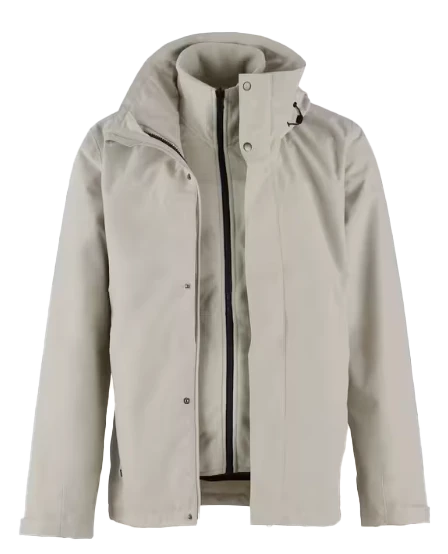
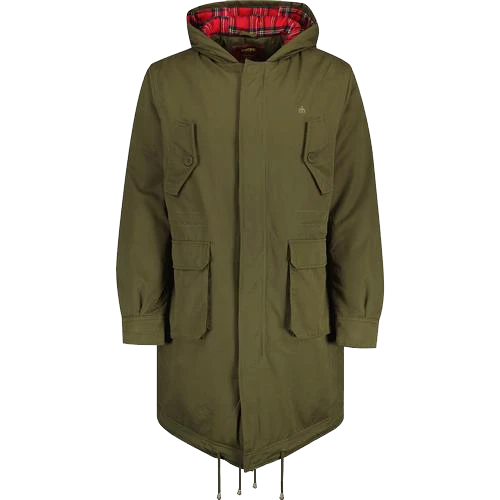
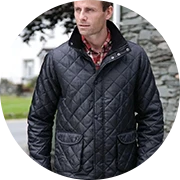
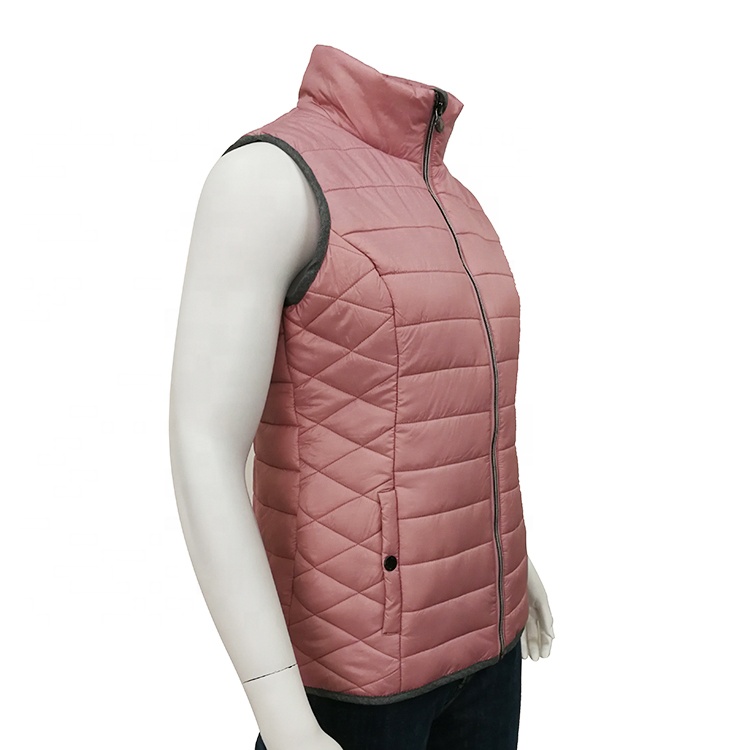
Put simply, a waterproof padded jacket combines water-resistant materials with insulated padding for warmth. Think of it as your personal weather armor. The outer shell repels rain and snow, while the padding provides a thermal barrier to keep heat in. Modern designs go beyond cotton or wool, featuring synthetic membranes like Gore-Tex or polyurethane coatings. These materials block water but remain breathable — that balance is crucial.
Today, waterproof padded jackets aren’t just for casual wear or fashion. In the humanitarian sector, they’re a staple in relief kits; in industry, standard safety gear; and in everyday life, they help millions stay comfortable during unpredictable weather.
Key Components of a Reliable Waterproof Padded Jacket
1. Waterproof Fabric Technology
The shell fabric usually has a waterproof membrane or coating. Technologies like Gore-Tex or proprietary solutions create an impermeable barrier, yet they “breathe” — allowing moisture vapor from sweat to escape. A jacket without this kind of membrane might feel clammy or soak through eventually.
2. Quality Insulation
Padding can be synthetic (polyester fibers) or natural (down feathers). Synthetic padding tends to do better in wet conditions because it retains insulating properties even when damp. This is critical for keeping the body warm when it’s cold and wet — which is often when you need warmth most.
3. Durable Construction & Seams
Seams are potential weak points for water leakage. Manufacturers often use seam taping or welding to seal stitches. This attention to detail makes a huge difference in real-world durability.
4. Functional Design Elements
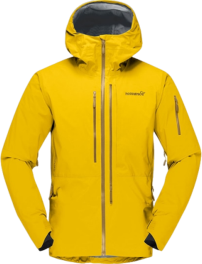
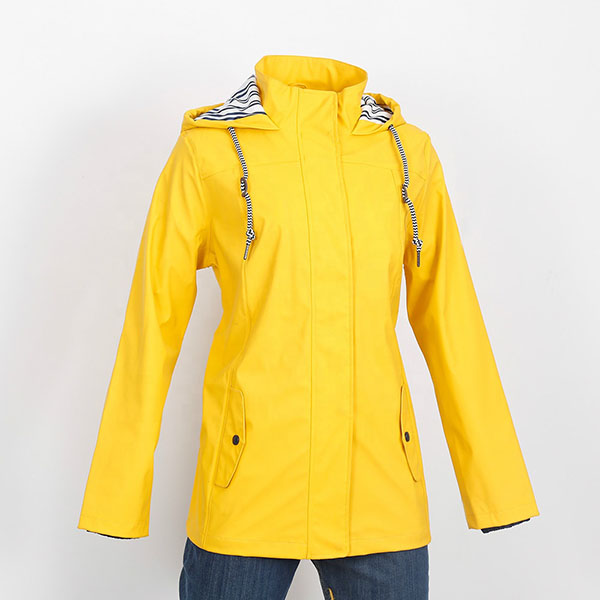
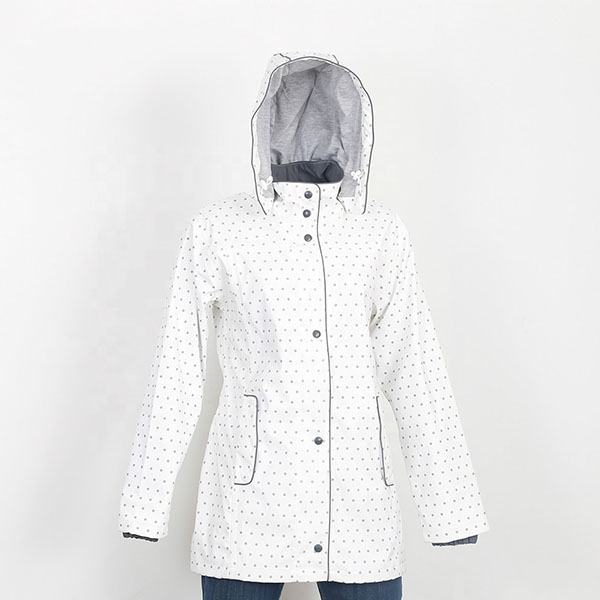
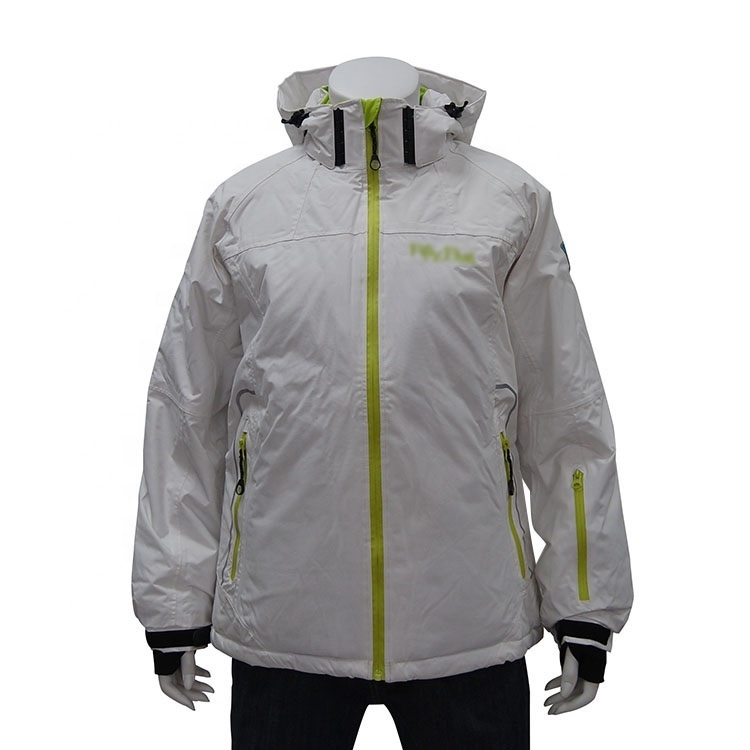
Features like adjustable hoods, inner cuffs, ventilation zippers, and pockets enhance usability. These small details turn a basic jacket into a versatile shield against the elements.
Mini takeaway: Waterproof padded jackets are technical garments. From fabric layers to insulation, every part matters when it comes to keeping dry and warm.
Where Do Waterproof Padded Jackets Play Their Biggest Roles?
- Outdoor Recreation: Hikers, climbers, and campers rely on these jackets to stay warm and safe in varying weather conditions.
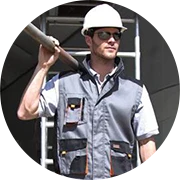
- Industrial Worksites: Construction, forestry, and transport workers use waterproof padded jackets to maintain comfort and protect against occupational hazards.
- Humanitarian Relief: After disasters, organizations distribute these jackets to vulnerable populations in flood-prone or cold zones.
- Military & Law Enforcement: Personnel operating in wet climates need dependable gear that won’t fail under pressure.
An interesting case is post-disaster relief zones, say, in Southeast Asia or South America, where agencies supply waterproof padded jackets en masse. These garments help recipients recover faster by preventing hypothermia and illness.
What Sets a Good Waterproof Padded Jacket Apart? Product Specifications Table
| Feature | Specification |
|---|---|
| Waterproof Rating | 10,000 mm H2O (minimum) |
| Breathability | 8,000 g/m²/24h |
| Insulation | 3M Thinsulate synthetic, 100g/m² |
| Seam Sealing | Fully taped |
| Weight | 700 grams (approx.) |
| Additional Features | Adjustable hood, zipper vents, waterproof pockets |
Choosing Your Gear: How Vendors Stack Up
| Brand | Waterproof Rating | Insulation Type | Approximate Price | Best Use Case |
|---|---|---|---|---|
| AlpineGear | 15,000 mm H2O | Down (lightweight) | $200–$250 | Extreme cold weather hiking |
| StormSafe | 10,000 mm H2O | 3M Thinsulate synthetic | $150–$200 | Industrial and worksite use |
| EcoWear | 12,000 mm H2O | Recycled synthetic fiber | $180–$220 | Sustainable outdoor enthusiasts |
Advantages That Keep Waterproof Padded Jackets in Demand
We could talk endlessly about warmth or dryness, but the benefits run deeper. Consider cost-efficiency: investing upfront in these jackets often means lower health care costs from cold-related conditions later. Environmentally, newer models focus on recycled materials and sustainable production. Socially, they offer dignity and security to displaced persons—a basic human right that sometimes goes overlooked.
Emotionally, users often report a sense of comfort and confidence when wearing a high-quality waterproof padded jacket. It’s like a small fortress against the unpredictability of nature. In industries, it boosts productivity — a worker who’s warm and dry is less likely to take breaks or sick days.
The Future Is Bright (and Dryer): Innovations to Look For
Technology moves fast. Expect developments in nano-coatings that repel water even more effectively, plus bio-based insulation materials that break down naturally after use. Digital transformation means more customization options delivered quickly. Automation in manufacturing offers better fit and quality control at scale. Plus, “smart” jackets embedded with sensors to monitor temperature or wearer health are already in trials.
All these trends make the humble waterproof padded jacket more than just clothing — it’s gear for tomorrow’s challenges.
Overcoming Challenges: What’s Still Holding Waterproof Padded Jackets Back?
Despite advances, challenges linger. For example, fully waterproof yet highly breathable fabrics are still a balancing act. Synthetic insulation can feel bulky to purists who prefer natural down. Environmental impact — from production to disposal — remains under pressure. But manufacturers are tackling these with innovations in recycled fabrics, improved membrane tech, and modular designs that let you replace parts rather than toss the whole jacket.
FAQ: Everything You Probably Wondered About Waterproof Padded Jackets
- Q: How do I choose the right waterproof rating for my jacket?
- A: For most outdoor activities, a waterproof rating around 10,000 mm is sufficient. Higher ratings (15,000+ mm) are ideal for heavy rain or prolonged exposure. Remember, breathability matters just as much to avoid internal dampness.
- Q: Is synthetic insulation better than down for waterproof jackets?
- A: In wet conditions, yes. Synthetic insulation retains warmth when wet, dries faster, and is easier to maintain. Down offers excellent warmth-to-weight ratios but loses insulating power when damp.
- Q: Can waterproof padded jackets be eco-friendly?
- A: Increasingly so. Brands are using recycled materials, eco-certified processes, and biodegradable components. Look for certifications like Bluesign or OEKO-TEX labels as a start.
- Q: How should I care for my waterproof padded jacket to maintain its properties?
- A: Follow manufacturer instructions carefully. Generally, use gentle washing agents, avoid fabric softeners, and reapply DWR (Durable Water Repellent) treatments after washing to keep the waterproof layer intact.
- Q: Where can I find quality waterproof padded jackets suited for work use?
- A: Specialized workwear suppliers and trusted outdoor brands typically carry models designed for industrial conditions. Check features that focus on durability, safety compliance, and comfort for long wear.
Wrapping It Up: Why This Jacket Is Worth Your Attention
Eventually, the waterproof padded jacket proves it’s not just another piece of clothing. It’s practical innovation meeting the real world — protecting millions from weather’s moods, helping workers, adventurers, and vulnerable communities alike. Investing in one means investing in health, comfort, and reliability that lasts through seasons and challenges. For your next trip or project, consider a jacket that truly stands its ground — waterproof padded jacket.
Short takeaway: Advanced materials and thoughtful design make these jackets a must-have worldwide — and with evolving trends, they’ll only get better.