





Apr 16, 2026
11.25 / 2025
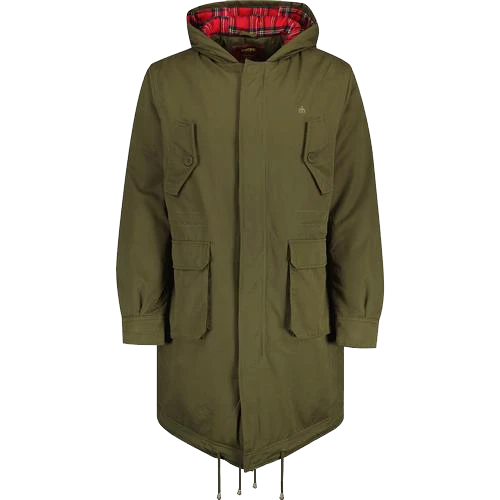
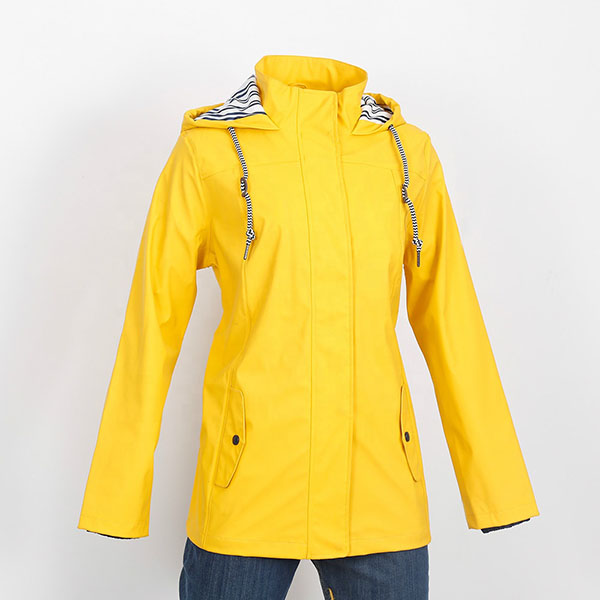
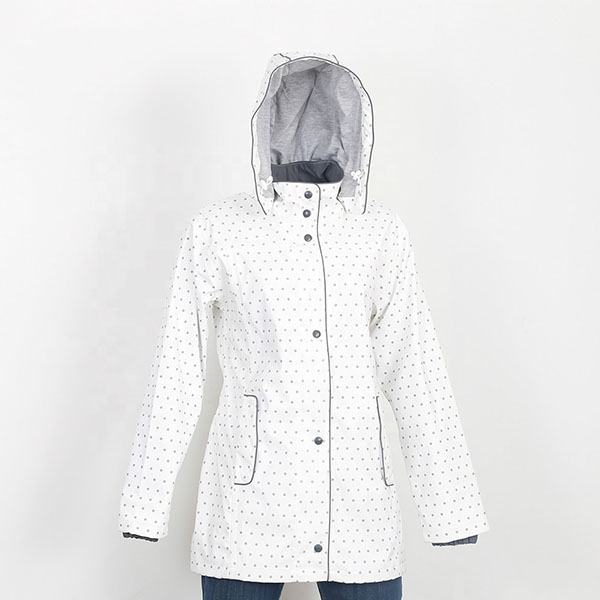
Waterproof Padded Jacket with Hood – Ultimate Guide for Performance & Comfort
Why a Waterproof Padded Jacket with Hood Matters Globally
In a world where climate unpredictability and outdoor work conditions are increasingly challenging, the humble waterproof padded jacket with hood has quietly become essential gear. Whether it’s humanitarian aid workers in freezing, rain-soaked refugee camps or mountain guides battling sudden storms, these jackets offer critical protection.
Understanding what makes a jacket both waterproof and well-padded — and why a hood is not just a fashion afterthought — can dramatically alter your outdoor experience, safety, or even survival chances. Plus, it might surprise you how this humble piece of gear reflects broader environmental and industrial challenges today.
Global Relevance: Facing the Elements Together
Did you know that almost 1.6 billion people live in regions with harsh climates that demand reliable outdoor gear? According to the UN Climate Report 2023, sudden weather shifts are increasing worldwide, with rain patterns becoming more erratic and temperatures plummeting unexpectedly in many areas. This unpredictability drives demand for versatile protective clothing, like a waterproof padded jacket with hood, that can withstand both wind and moisture, while providing insulation.
Industries ranging from forestry, construction, and energy to humanitarian NGOs have voiced concerns over their workers’ safety and comfort, especially where extended outdoor work is necessary. Without reliable outerwear, the risk of hypothermia, exposure injuries, and discomfort can lead to decreased productivity or even health emergencies.
So, What Exactly is a Waterproof Padded Jacket with Hood?
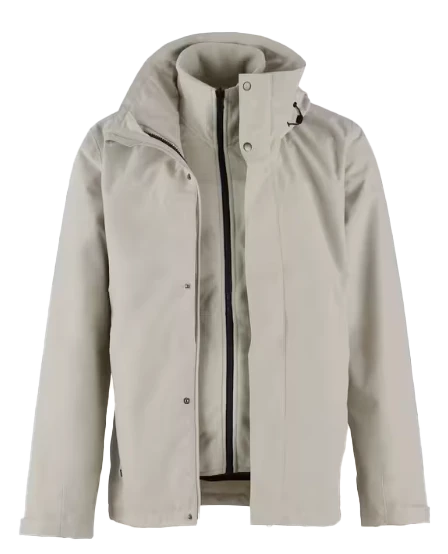
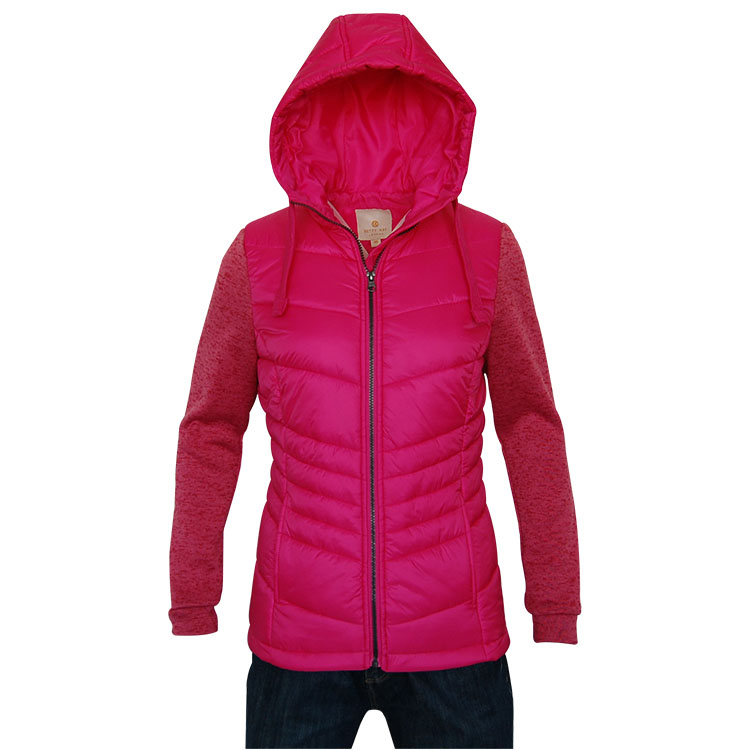
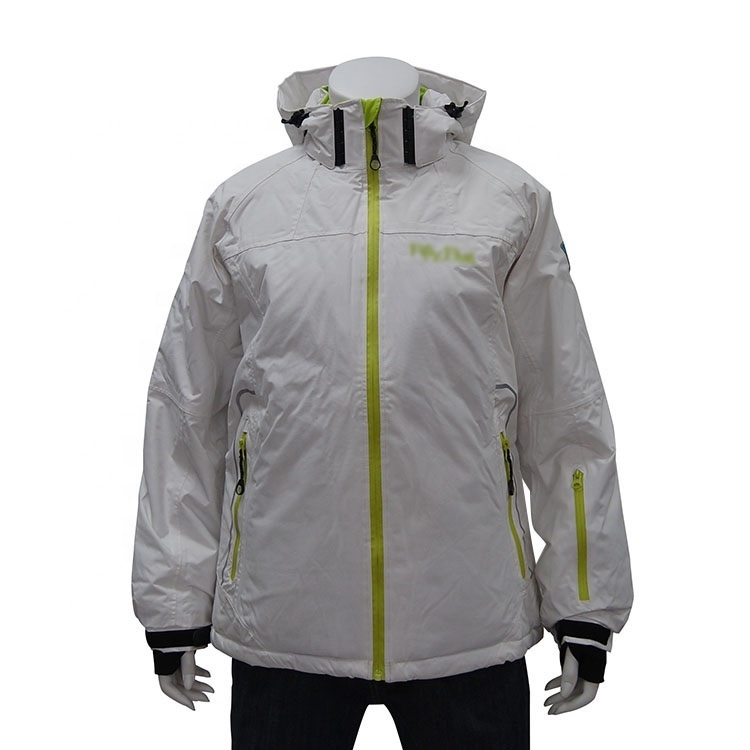
At its core, this type of jacket combines three key features into one functional item:
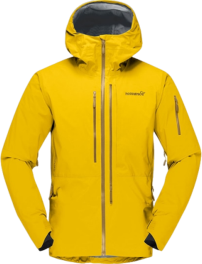
- Waterproof outer shell: made from synthetic materials treated with durable water repellent (DWR) finish, blocking rain and snow.
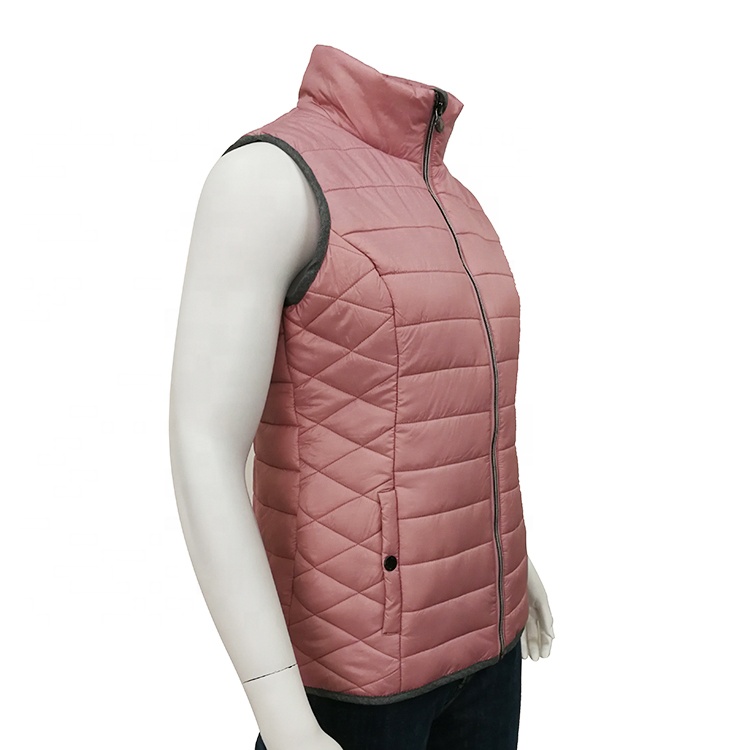
- Insulating padding: often synthetic fibers or down alternatives, designed to trap heat and maintain warmth.
- Adjustable hood: providing critical protection for the head and neck, areas vulnerable to cold and moisture.
This combination makes it a practical choice for a range of users, from outdoor workers to casual hikers. Its significance expands when you consider remote humanitarian operations or extreme weather events.
Core Components of a Quality Waterproof Padded Jacket
1. Durability
Durable fabrics like ripstop nylon or polyester keep a jacket intact through rough use and harsh conditions. Many engineers swear by triple-stitched seams and reinforced areas to prevent tears.
2. Breathability
Good jackets don’t just keep water out — they allow sweat vapor to escape. Breathable membranes (like Gore-Tex or similar alternatives) reduce clamminess, essential for comfort during physical exertion.
3. Insulation
The kind of padding matters. Synthetic insulation dries quickly and keeps warmth if wet, while natural down is lighter but less reliable when soaked. Some modern pads combine benefits of both.
4. Hood Design
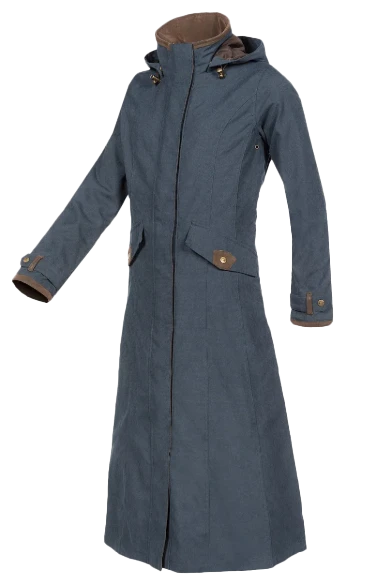
A hood should be adjustable, insulated, and roomy enough to fit helmets or hats underneath. A stowable or removable hood adds versatility.
5. Weight and Packability
For outdoor professionals, the ability to compress and carry the jacket easily matters. Lightweight doesn't mean compromising on warmth, but balance is key.
| Specification | Typical Values | Notes |
|---|---|---|
| Fabric Type | Ripstop nylon, polyester | Durable and water-resistant |
| Waterproof Rating | 10,000–20,000 mm (Hydrostatic head) | Higher is better for heavy rain |
| Insulation | Synthetic fibers or down alternative | Warmth retention, quick drying |
| Weight | 400–700 grams | Depends on size and materials |
| Hood | Insulated, adjustable | Essential for head protection |
Who Benefits Around the World?
The waterproof padded jacket with hood isn’t just fashion on rainy days. In real terms, it’s a lifeline:
- Humanitarian Organizations: Relief workers in post-disaster zones wear these to stay warm and dry amidst torrential rains and cold nights.
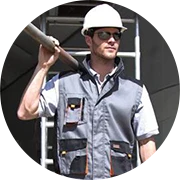
- Industrial Workers: In logging, construction, and oil fields — especially in northern climates — workers depend on these jackets for safety and performance.
- Outdoor Enthusiasts: Hikers, climbers, and cyclists across the globe find these jackets indispensable for their unpredictable environments.
- Military & Security: Forces operating in wet, cold conditions require rugged, reliable gear.
For example, NGOs operating in the Himalayas have noted reduced instances of cold stress among teams equipped with such jackets versus those with basic rainwear. It’s a quiet but very real success.
Advantages That Last Beyond the Trip
Why invest in a quality waterproof padded jacket with a hood? Here’s where the emotional meets the practical:
- Safety: Staying warm and dry helps prevent hypothermia and illness.
- Dignity & Comfort: No one likes being dripping wet and shivering — it feels demoralizing.
- Longevity: A robust jacket can last through seasons, reducing waste.
- Cost Effective: Higher quality may mean a bigger upfront price, but fewer replacements.
- Environmental Impact: Brands embracing recycled materials lower ecological footprints.
Frankly, a good jacket feels like a small luxury but pays dividends in daily life, reliability, and even morale.
Future Innovations: What’s Next in Waterproof Padded Jackets?
Advances in fabric technology and sustainable design are shaking things up. Expect to see:
- Eco-friendly insulation: Bio-based and recycled fibers replacing petroleum-based padding.
- Smart textiles: Jackets that monitor body temperature or moisture levels.
- Improved waterproof membranes: More breathable, thinner, and less chemically impactful.
- Modular designs: Adjustable layers or detachable insulation for all-season versatility.
Brands are responding to customer demand for sustainability and performance — which, oddly, go hand in hand.
Challenges and the Road Ahead
Of course, not everything is smooth sailing. Common issues include:
- Cost Barriers: High-performance jackets can be pricey, limiting access.
- Trade-off Between Weight and Warmth: Light materials may sacrifice insulation.
- Environmental Concerns: Even waterproof coatings sometimes use chemicals with lasting impact.
- Sizing and Fit: Poor fit can reduce effectiveness or cause discomfort.
Manufacturers are exploring solutions like grant programs, eco-certifications, and inclusive sizing to overcome these hurdles.
Vendor Comparison: A Quick Look at Leading Waterproof Padded Jackets
| Brand | Waterproof Rating (mm) | Insulation Type | Weight (g) | Sustainability Credentials |
|---|---|---|---|---|
| ArcticShield Pro | 20,000 | Synthetic PrimaLoft | 650 | Recycled shell fabric |
| EcoWinter Shell | 15,000 | Recycled down alternative | 580 | Bluesign® Certified Materials |
| Outdry Explorer | 10,000 | Synthetic Fiberfill | 700 | Water-based DWR |
FAQ: Your Top Questions About Waterproof Padded Jackets with Hood
Q: How do I choose between down and synthetic insulation?
A: If you expect wet conditions, go synthetic — it dries faster and maintains warmth when damp. Down excels in dry, cold environments but loses insulating properties when wet.
Q: Can I machine wash my waterproof padded jacket?
A: Most jackets allow gentle machine washing, but always check care labels. Reapplying DWR treatments after washing helps maintain waterproof performance.
Q: Are all waterproof jackets breathable?
A: Not necessarily. Breathability depends on membrane technology. Look for jackets specifying breathable fabrics like Gore-Tex, eVent, or proprietary membranes.
Q: Does the hood interfere with headgear like helmets?
A: High-quality jackets feature adjustable, helmet-compatible hoods. It’s worth trying on jackets to ensure comfort with your headgear.
Q: Where can I find jackets suitable for humanitarian fieldwork?
A: Specialized outdoor brands and organizations recommend durable, multi-functional jackets — often available through NGO partnerships or field supplier networks.
Wrapping Up
The waterproof padded jacket with hood continues to evolve as the go-to gear for anyone facing unpredictable weather. Beyond just staying dry and warm, it’s about comfort, safety, and long-term sustainability. For industries, adventurers, and aid workers alike, investing in the right jacket means investing in peace of mind and resilience.
If you want to explore the latest models and trusted suppliers, check out our detailed range here — because when the weather turns, having the right gear matters more than you might think.
Mini Takeaway:
A quality waterproof padded jacket with a hood blends practicality with innovation — shielding from rain, retaining warmth, and adapting to diverse needs worldwide.