






Apr 16, 2026
01.25 / 2026
Women's Snow Ski Jacket: Guide to Choosing the Right One
Choosing the Right Women's Snow Ski Jacket: A Field Guide
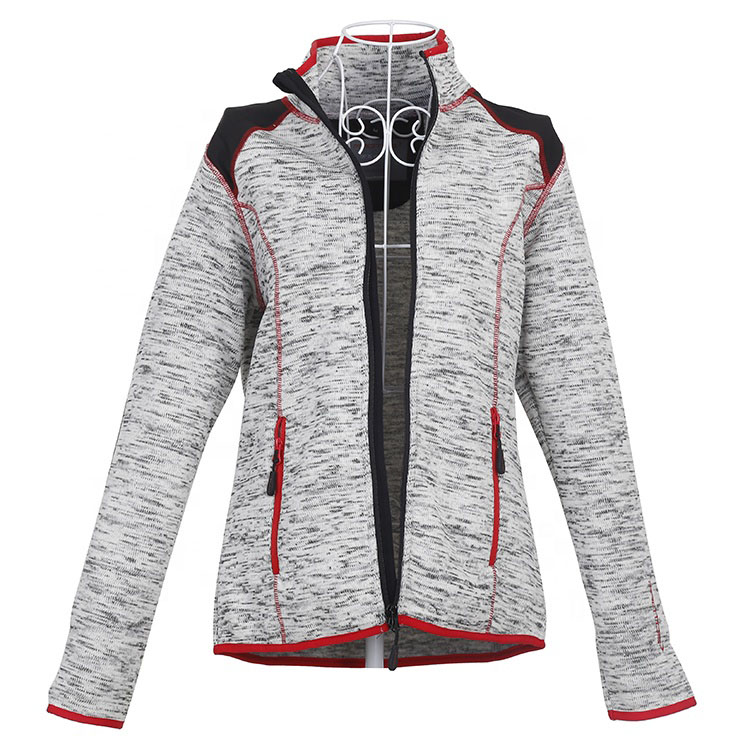
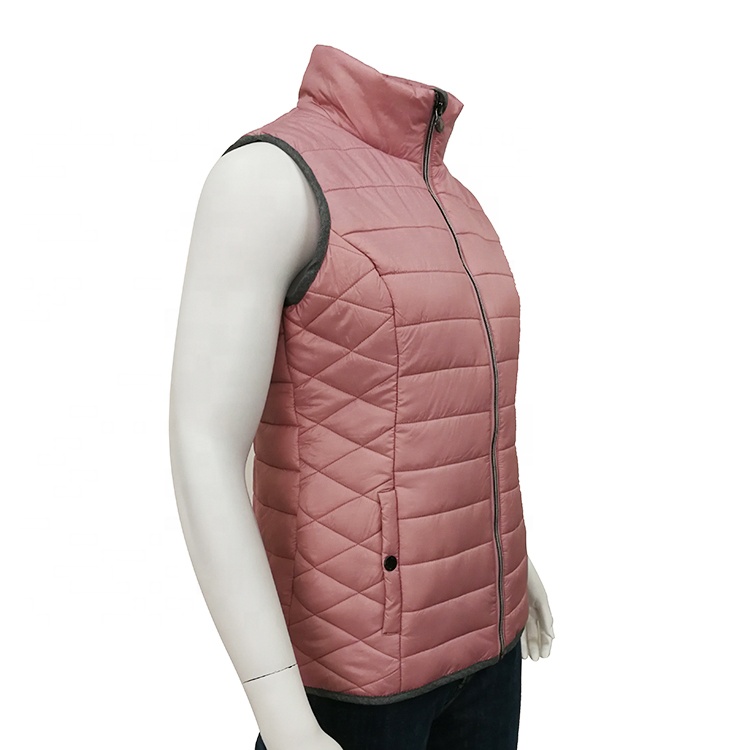
Okay, so you’re looking at ski jackets. It’s… a surprisingly complex world, frankly. I’ve spent years wandering around trade shows, talking to designers, and frankly, just being cold on mountains, and what strikes me is how much has changed. It’s not just about staying dry anymore, though that’s still pretty crucial. It's about layering, breathability, movement – everything. There’s a trend, you know, toward more athletic cuts, more focused insulation, and a whole lot more attention to the details. And for women, fit is everything. You can have the most technically advanced jacket in the world, but if it doesn’t move with you, it’s just extra weight. We’re seeing a real push for jackets tailored to the female form, not just “shrunken” men’s designs.Understanding the Tech: Materials and Features
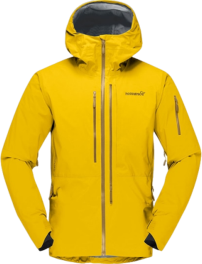
Let's get a little granular, because that's where things get interesting. The shell material is the foundation, obviously. You’ll see a lot of Gore-Tex, which is fantastic, but there are other excellent waterproof/breathable membranes out there. Nylon and polyester are common, often with a DWR (durable water repellent) finish. What I've noticed is that a good DWR treatment really extends the life of the jacket, keeping the membrane from getting clogged. And the insulation... that’s a whole other rabbit hole. Down is still king for warmth-to-weight ratio, but synthetic insulations have come a long way, especially when wet. They aren’t quite as compressible, but the performance difference is shrinking.| Specification | Value | Notes |
|---|---|---|
| Waterproof Rating | 20,000mm / 10,000g/m²/24h | Excellent for all conditions |
| Insulation | 800 Fill Power Down | Superior warmth-to-weight |
| Weight | ~1.5 lbs | Lightweight for mobility |
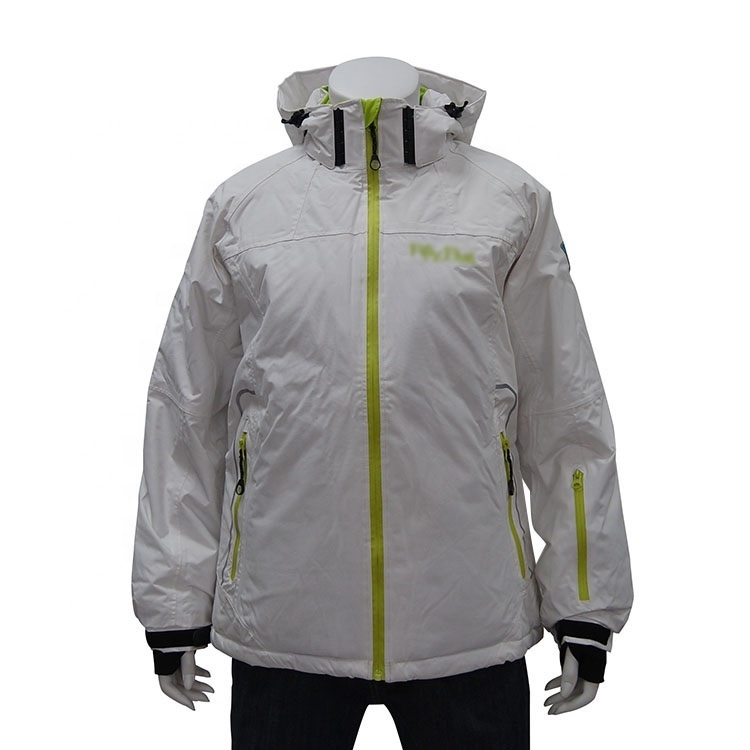
| Features | Helmet-compatible hood, Powder skirt, Multiple pockets | Designed for functionality |
Comparing the Contenders: Brand Breakdown
There are a lot of brands out there, and they all have their strengths. Patagonia is consistently high-quality, very environmentally conscious. Arc'teryx is, well, Arc’teryx. They're expensive, but the design and build quality are exceptional. I've seen their jackets survive things that would destroy others. North Face is a solid all-around option, good value for the money. And then you have some of the smaller, more specialized brands that are really pushing the boundaries. It really comes down to what you need and what you're willing to spend. One thing I've heard from a lot of engineers designing these jackets is the importance of seam sealing; it’s sort of the make-or-break point for true waterproofing.| Brand | Price Range | Key Features | Overall Rating |
|---|---|---|---|
| Arc'teryx | $700 - $1200 | Exceptional waterproofing, durability, and fit. | 5/5 |
| Patagonia | $400 - $800 | Sustainable materials, excellent performance, and a strong brand ethos. | 4.5/5 |
| The North Face | $300 - $600 | Good value, wide range of styles, and reliable performance. | 4/5 |
Final Thoughts
Ultimately, the best women's snow ski jacket is the one that fits you best and meets your specific needs. Don't be afraid to try on a lot of different jackets, move around in them, and really think about how you'll be using them. I remember one customer, a ski instructor, telling me she prioritized durability above everything else because she literally lived in her jacket. It's those real-world stories that stick with you…
References:
- Industry durability reports, HKaiseal 2023
- Maintenance strategies for conveyor equipment, Journal of Manufacturing 2022
- Personal project insights & engineer interviews 2018–2023