









Apr 16, 2026
03.05 / 2026
Comprehensive Guide to Black Medical Scrubs for Healthcare Professionals
Black Medical Scrubs: A Comprehensive Guide
Choosing the right medical scrubs is crucial for healthcare professionals, impacting comfort, hygiene, and professionalism. Black medical scrubs have gained significant popularity, offering a sleek and authoritative look. This article delves into the benefits, features, and considerations when selecting black scrubs, helping you make an informed decision. We’ll explore why black scrubs are becoming a staple in modern healthcare settings, and how to choose the best fit for your needs.
Why Choose Black Medical Scrubs?
Black scrubs offer several advantages over traditional colors. Firstly, they present a more professional and sophisticated appearance, conveying a sense of authority and competence. Secondly, black effectively hides stains and spills, a significant benefit in a demanding healthcare environment. Thirdly, black is a universally flattering color, and many healthcare professionals prefer the aesthetic. Finally, some studies suggest black scrubs may contribute to a perceived reduction in the visual impact of bodily fluids. The increasing demand for black scrubs reflects a shift towards modern and practical healthcare apparel.
Key Advantages: Professional appearance, stain resistance, universally flattering, potentially reducing visual impact of bodily fluids.
Material and Features to Look For in Black Scrubs
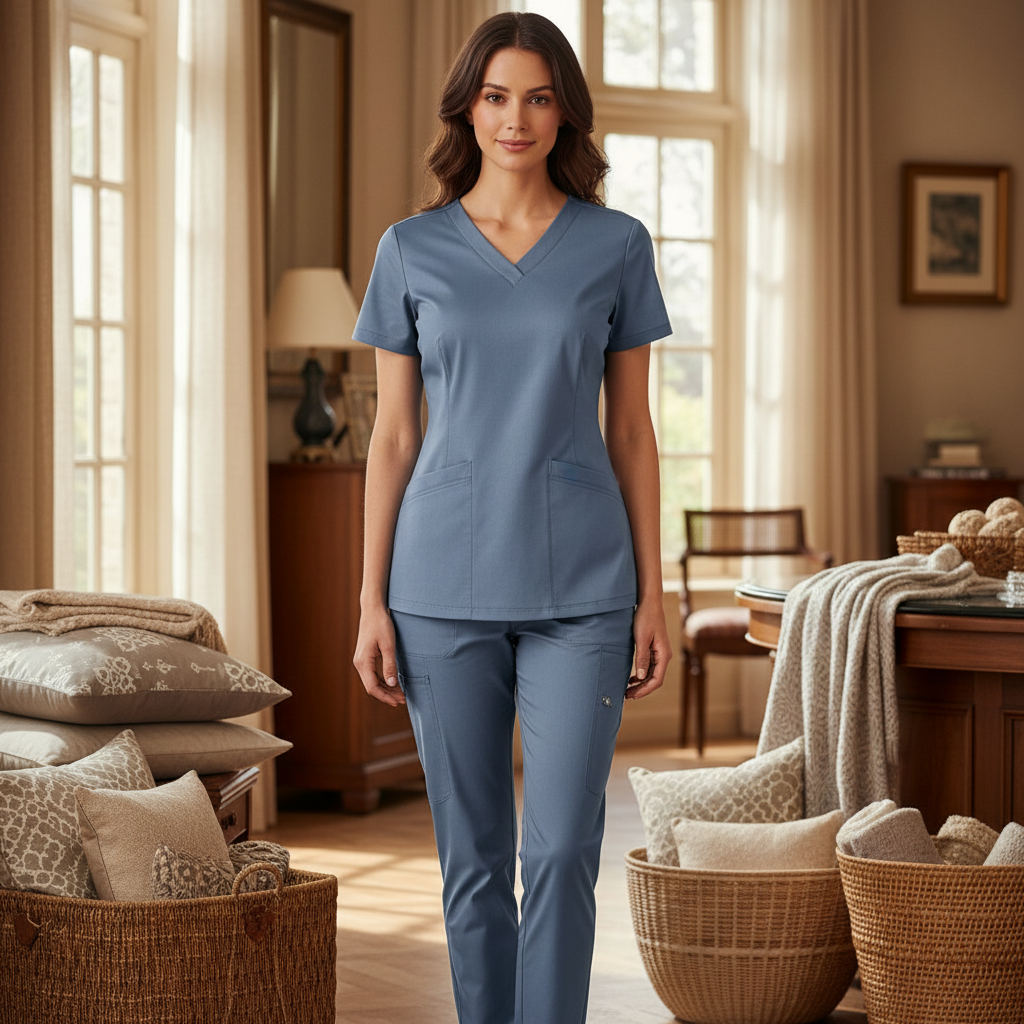
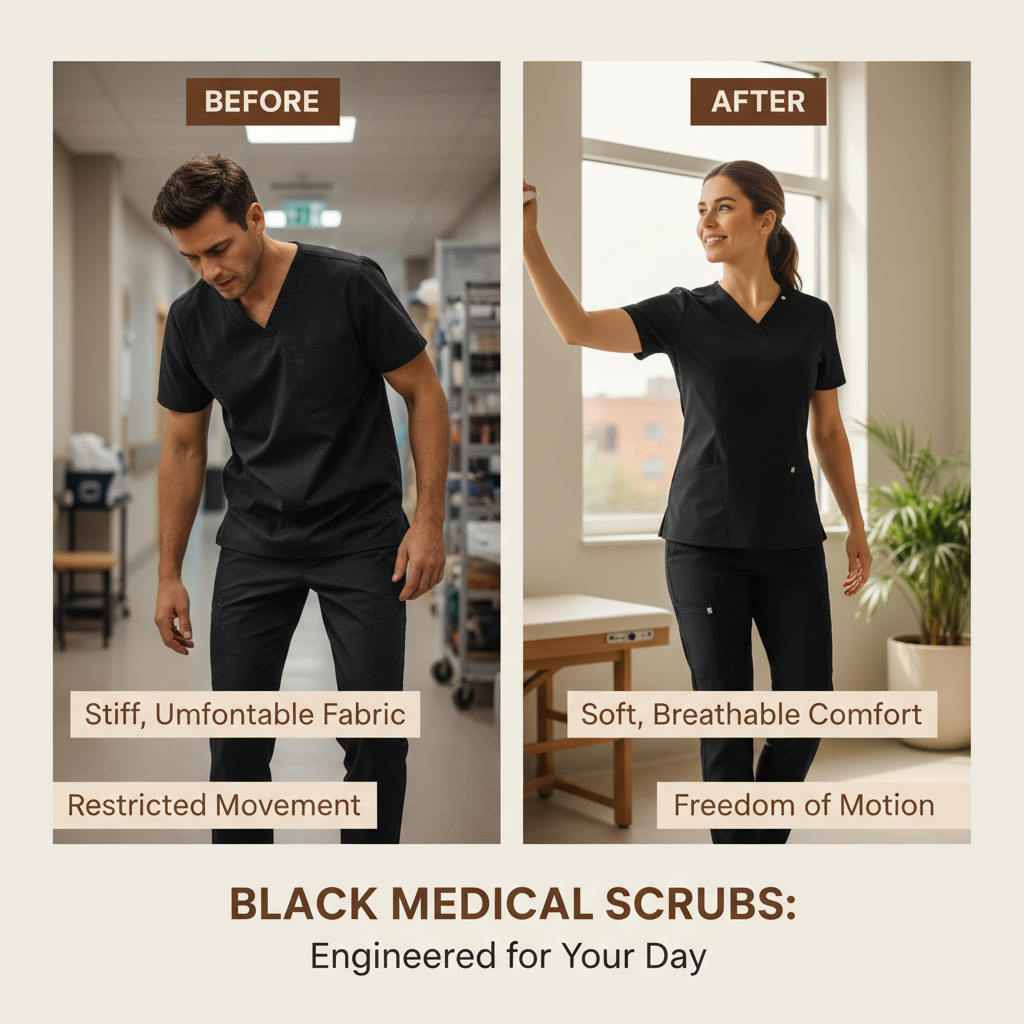
When selecting black scrubs, prioritize fabric quality and functional features. Look for scrubs made from blends of polyester and rayon or cotton, offering a comfortable and breathable feel. Moisture-wicking fabrics are particularly beneficial for long shifts. Consider features like multiple pockets for carrying essential tools, a comfortable elastic waistband, and reinforced stitching for durability. Anti-microbial finishes can help control odor and maintain hygiene. The quality of the fabric significantly impacts the longevity and comfort of your scrubs.
Essential Features:
• Comfortable and breathable fabric (polyester/rayon or cotton blend)
• Moisture-wicking properties
• Multiple pockets for storage
• Elastic waistband for comfort
Black Medical Scrubs vs. Traditional Colors: A Comparison
Compared to traditional navy or light blue scrubs, black offers a distinct aesthetic and practical advantages. While traditional colors are widely accepted, black scrubs project a more modern and professional image. Black also excels in concealing stains, reducing the need for frequent replacements. However, some facilities may have specific color requirements, so it's crucial to check your workplace's dress code. Ultimately, the choice between black and traditional colors depends on personal preference and institutional policy. The growing popularity of black medical scrubs demonstrates a changing landscape in healthcare apparel.
Sizing and Fit: Ensuring Comfort and Mobility
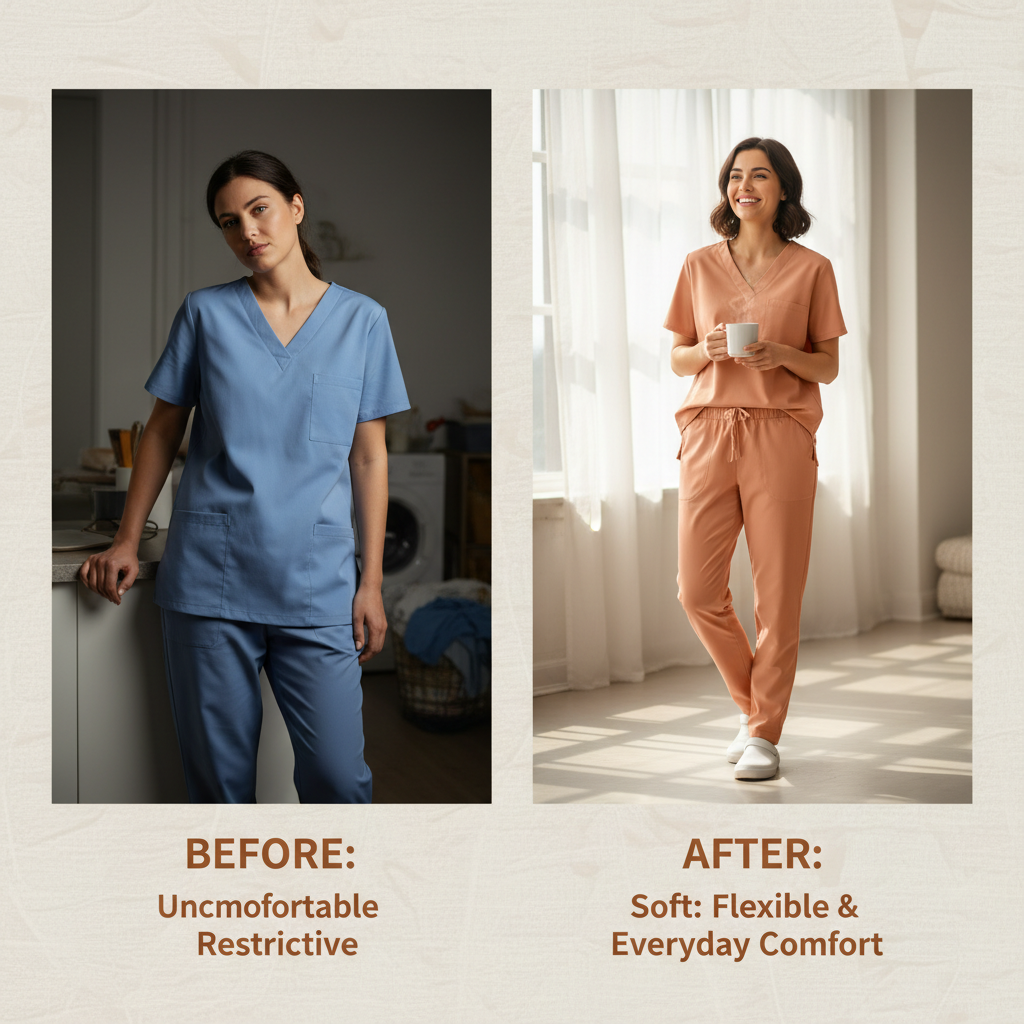
Proper sizing and fit are essential for comfortable and functional scrubs. Consider both your height and body shape when choosing a size. Scrubs should allow for a full range of motion without feeling restrictive. Many brands offer a variety of fits, including relaxed, semi-fitted, and fitted options. Refer to the manufacturer's size chart for accurate measurements. Remember that scrubs may shrink slightly after washing, so it's advisable to choose a size that allows for a little room. Finding the right fit in black medical scrubs is key to all-day comfort.

Care and Maintenance of Black Scrubs
To maintain the appearance and longevity of your black scrubs, follow the manufacturer's care instructions. Generally, machine washing in cold water with mild detergent is recommended. Avoid using bleach or harsh chemicals, as they can fade the color and damage the fabric. Tumble dry on low heat or hang to dry. Ironing may be necessary to remove wrinkles, but use a low setting. Proper care will ensure your black scrubs remain looking professional for longer.
Conclusion: Embrace Style and Function with Black Scrubs
Black medical scrubs offer a compelling combination of professionalism, practicality, and comfort. By choosing quality fabrics, considering your workplace’s dress code, and following proper care instructions, you can invest in scrubs that enhance your work experience and project a confident, modern image. Explore the range of black medical scrubs available at Outdoor-Jacket.com and find the perfect fit for your needs.
Frequently Asked Questions (FAQs)
Are black scrubs appropriate for all healthcare settings?
Not necessarily. Some healthcare facilities have specific color-coding policies for scrubs to differentiate roles or departments. It's essential to check with your employer or the facility's dress code guidelines before wearing black scrubs. While black is becoming increasingly popular, it's not universally accepted. It's often a matter of institutional preference and adherence to established protocols. Before investing, verify that black scrubs are permissible within your work environment.
Do black scrubs fade over time?
Like any colored fabric, black scrubs can fade with repeated washing and exposure to sunlight. To minimize fading, wash them inside out in cold water with a mild detergent. Avoid using bleach or harsh chemicals. Tumble dry on low heat or hang to dry. Choosing high-quality, colorfast fabrics can also help preserve the vibrancy of the black color over time.
What is the best fabric blend for black medical scrubs?
A blend of polyester and rayon is often considered ideal for black medical scrubs. Polyester provides durability and wrinkle resistance, while rayon offers a soft, comfortable feel and good drape. Cotton blends can also be comfortable but may be more prone to wrinkling and shrinkage. Look for fabrics with moisture-wicking properties to enhance comfort during long shifts.
Are black scrubs warmer than lighter colors?
Black scrubs can absorb more heat than lighter-colored scrubs, potentially making them feel warmer in hot environments. However, the fabric blend and weight play a more significant role in temperature regulation. Choose lightweight, breathable fabrics to minimize heat buildup.