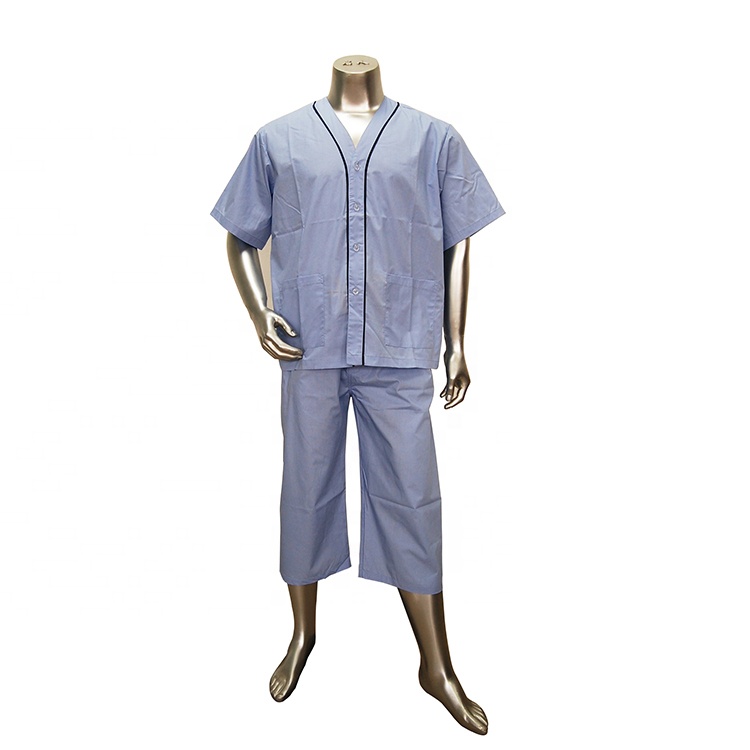









High Quality and Cheap Women Scrubs for Medical Professionals
Procuring professional medical apparel requires a strategic balance between budgetary constraints and uncompromising performance standards. For healthcare administrators and procurement officers, finding high-quality yet affordable options for clinical staff is a constant operational challenge. The demand for durable, ergonomic, and cost-effective uniforms is higher than ever as medical facilities scale their workforce. Whether the goal is to equip a private clinic or a large-scale municipal hospital, the focus must remain on fabric breathability, stain resistance, and long-term wearability.
This guide examines the technical requirements of professional medical wear, specifically focusing on how OEM services can bridge the gap between low-cost procurement and premium specifications. By leveraging direct manufacturing capabilities in the woven apparel sector, organizations can secure medical garments that offer a professional aesthetic without the premium retail markup. From moisture-wicking polyester blends to customized fit options, we explore the essential components that define value in today's healthcare textile market.

Evaluating Fabric Specifications for High-Intensity Healthcare Environments
The efficacy of medical workwear depends entirely on the material composition. In high-pressure clinical settings, staff require fabrics that can withstand rigorous industrial laundering while maintaining structural integrity. The industry standard has shifted toward advanced woven polyester and cotton blends, which provide a critical balance of softness for the wearer and durability for the institution. High-density weaves prevent the penetration of common clinical contaminants and ensure that the garment remains opaque and professional throughout a double shift.
Technical considerations for fabric selection include:
- Moisture Management: Utilizing hydrophobic fibers to ensure rapid drying and breathability during active movement.
- Tensile Strength: Ensuring the fabric does not tear under the physical stress of patient lifting or rapid movement.
- Color Fastness: Using high-grade dyes that resist fading after repeated exposure to harsh chemical disinfectants.
- Pilling Resistance: Selecting smooth-finish yarns to prevent the fabric from developing small balls of fiber over time.
For those seeking cheap women scrubs, the risk often lies in choosing fabrics with too high a polyester content, which can lead to overheating. A professional OEM approach solves this by optimizing the blend ratio, ensuring that cost-reduction does not result in a loss of breathability or comfort, which are non-negotiable for healthcare providers.

Optimizing Fit and Functionality for Diverse Clinical Roles
Medical apparel is not merely clothing; it is a piece of equipment. The design must accommodate a wide range of body types while providing the utility necessary for the job. A common failure in low-cost apparel is the "one size fits most" approach, which often results in restricted movement for the wearer. Professional garment engineering focuses on ergonomic patterning, ensuring that the shoulder width and sleeve length allow for a full range of motion without the garment shifting inappropriately.
Key functional elements that add value to a uniform include:
- Strategic Pocket Placement: Incorporating reinforced pockets for medical tools, smartphones, and notebooks.
- Adjustable Waistbands: Providing flexibility for different body shapes to ensure comfort during 12-hour shifts.
- Ventilation Zones: Integrating breathable panels in high-heat areas to improve thermal regulation.
- Reinforced Seams: Utilizing double-stitched seams in high-stress areas like the underarms and crotch to prevent splitting.
By focusing on these engineering details, manufacturers can produce garments that feel premium despite a competitive price point. This functional approach ensures that the staff remains focused on patient care rather than the discomfort of their attire.
Strategic Sourcing and the Advantages of Direct OEM Partnerships
The traditional supply chain for medical uniforms often involves multiple intermediaries, which artificially inflates the cost. Transitioning to a direct OEM (Original Equipment Manufacturer) model allows healthcare providers to eliminate these margins. By partnering directly with a factory specializing in woven apparel, buyers can specify the exact fabric weight, color, and design requirements, ensuring that the final product aligns perfectly with the institution's brand and budget.
The benefits of a direct manufacturing partnership include:
- Quality Control: Direct oversight of the material selection and sewing process to ensure consistent standards across thousands of units.
- Custom Branding: The ability to integrate custom logos and color schemes through professional printing or embroidery.
- Scalability: Efficient production cycles that can handle bulk orders for entire hospital networks with synchronized delivery.
- Cost Transparency: Clear pricing based on material costs and labor rather than retail markups.
This model is particularly effective for organizations looking for cheap women scrubs that do not compromise on professional appearance. Direct sourcing enables the use of high-performance fabrics at a fraction of the cost of branded retail alternatives, providing a sustainable long-term solution for uniform procurement.
Medical Apparel Procurement Evaluation Matrix
| Evaluation Factor | Budget Option | Mid-Range OEM | Premium Retail | Recommended Standard |
|---|---|---|---|---|
| Fabric Durability | Low - Rapid Wear | High - Industrial Grade | Very High | Industrial Grade |
| Breathability | Limited (High Poly) | Optimized Blend | High Tech | Optimized Blend |
| Customization | None/Basic | Full OEM/ODM | Limited | Full OEM/ODM |
| Cost per Unit | Very Low | Low to Medium | High | Low to Medium |
| Lifespan | Short-term | Long-term | Very Long-term | Long-term |
Common Procurement Pitfalls in Healthcare Apparel Sourcing
Many procurement managers make the mistake of prioritizing the lowest possible unit price without analyzing the total cost of ownership. Apparel that is too cheap often fails after a few industrial wash cycles, leading to a higher replacement frequency. This "hidden cost" actually makes the cheapest option more expensive over a twelve-month period. The goal should be "value engineering"—finding the point where cost is minimized but durability is maintained.
To avoid these pitfalls, buyers should consider the following:
- Sample Testing: Always request samples to perform "wash tests" and "stress tests" before committing to a bulk order.
- Sizing Accuracy: Verify that the manufacturer uses a standardized size chart that matches the actual demographic of the workforce.
- Lead Time Analysis: Ensure the supplier has the capacity to meet delivery deadlines to avoid staff shortages of uniforms.
- Material Certification: Confirm that the fabrics used meet safety and hygiene standards required for medical environments.
By shifting the focus from "lowest price" to "best value per wash," organizations can implement a uniform program that is both fiscally responsible and highly appreciated by the medical staff.
Future Trends in Sustainable and Functional Medical Textiles
The medical apparel industry is moving toward "smart textiles" and sustainable manufacturing. There is a growing demand for recycled polyester and organic cotton blends that reduce the environmental footprint of healthcare institutions. Furthermore, the integration of antimicrobial finishes is becoming a standard requirement, providing an extra layer of protection for staff by inhibiting the growth of bacteria on the fabric surface.
Looking ahead, we expect to see:
- Eco-Friendly Dyes: A shift toward waterless dyeing processes to reduce chemical runoff.
- Enhanced Ergonomics: The use of 3D body scanning to create more precise, inclusive sizing patterns.
- Hybrid Fabrics: Materials that combine the look of traditional cotton with the performance of high-tech athletic wear.
- Circular Economy Models: Systems for the recycling of old uniforms into new industrial textiles.
For the forward-thinking procurement officer, investing in these trends now ensures that the institution remains compliant with evolving sustainability goals while providing staff with the most advanced tools for their professional environment.
Medical Apparel Sourcing Frequently Asked Questions
What is the most durable fabric blend for medical uniforms?
The most durable blend is typically a high-quality woven mix of polyester and cotton. Polyester provides the strength and wrinkle resistance, while cotton adds breathability and comfort. For industrial laundering, a higher polyester percentage is often preferred to maintain shape and color.
How can we reduce costs without losing quality in bulk orders?
The most effective way is to move to a direct OEM manufacturing model. By eliminating wholesalers and retail brand markups, you can allocate more of your budget toward better fabric quality while still reducing the overall cost per unit.
What are the essential features for functional women's medical wear?
Essential features include ergonomic tailoring for movement, moisture-wicking properties, reinforced stitching in stress zones, and a sufficient number of deep, secure pockets for medical equipment.
Can custom branding be added to low-cost OEM uniforms?
Yes, professional OEM services offer various customization options including screen printing, heat transfer, and embroidery, allowing you to maintain a professional institutional identity regardless of the unit cost.
What is the typical MOQ for custom medical apparel?
MOQs vary by manufacturer and fabric availability, but for custom OEM services, it often starts around 50 to 600 pieces per color depending on the complexity of the design and material sourcing.
How do I ensure the sizing is correct for a diverse workforce?
Request a comprehensive size chart and sample garments in various sizes. It is recommended to have a small group of staff test the samples for fit and movement before finalizing the bulk size distribution.
Industry Technical Resources
- World Health Organization - Healthcare Standards
- PubMed - Textile Performance in Clinical Settings
- ISO - International Standards for Protective Clothing
- CDC - Guidelines for Environmental Infection Control
Selecting the right medical apparel is a strategic decision that impacts both staff morale and institutional expenditure. By prioritizing technical specifications and direct manufacturing partnerships, healthcare providers can ensure their teams are equipped with professional, durable, and comfortable attire.
Related Professional Apparel Insights