
Selecting high-performance winter outerwear often feels like a trade-off between technical specifications and budget constraints, particularly for women entering the sport of skiing. The market is currently saturated with options, yet finding gear that balances waterproofing, breathability, and cost remains a primary challenge for many enthusiasts.
The evolution of synthetic materials, such as bonded polyester and TPU membranes, has democratized access to weather-resistant clothing. Modern manufacturing processes now allow for the production of gear that mirrors the functionality of luxury brands without the associated premium pricing, shifting the focus toward value-based procurement.
Understanding the technical benchmarks of cheap ski suits for women's is essential for ensuring safety and comfort on the slopes. This analysis explores the structural components, material science, and selection frameworks necessary to identify high-value outerwear.


Historically, high-performance ski gear was reserved for professional athletes or high-budget consumers due to the cost of GORE-TEX and specialized insulation. However, the emergence of OEM services in regions like Hebei, China, has allowed for the mass production of technical apparel that utilizes similar structural logic—such as TPU membranes and bonded fabrics—at a fraction of the cost.
This democratization has led to a surge in the availability of cheap ski suits for women's that do not sacrifice core safety functions. The industry has moved from purely "fashion-based" budget gear to "performance-based" affordable gear, where the focus is on windproofing and water resistance.
The efficacy of a budget ski suit depends heavily on the shell fabric's composition. Most high-value options utilize a blend of polyester and lycra, often bonded with a soft velvet layer for thermal retention. The critical component is the TPU (Thermoplastic Polyurethane) membrane, which creates a barrier against wind and water while allowing internal moisture (vapor) to escape.
In the case of softshell designs, such as the Model 2607, the integration of a 96% polyester and 4% lycra mix provides the necessary elasticity for movement on the slopes. This "four-side elastic" property ensures that the garment does not restrict the wearer during technical maneuvers, a feature once exclusive to high-end athletic wear.
Beyond the shell, the choice of lining—typically polyester—and the inclusion of detachable components like hoods allow for versatility across different temperature gradients. By optimizing these material choices, manufacturers can maintain a competitive price point without compromising the structural integrity of the garment.
When evaluating affordable winter gear, buyers often mistake "cheap" for "low quality." However, the professional approach to procurement involves analyzing specific technical features—such as reverse zippers, adjustable velcro cuffs, and thumb-hole elastic cuffs—which prevent snow ingress and heat loss.
True value in technical outerwear is not found in the brand name, but in the alignment between the garment's material specifications (e.g., TPU bonding) and the actual environmental demands of the user's activity level.
For a casual skier or a hiking enthusiast, a suit that offers "breathable, sustainable, and windproof" characteristics is often more than sufficient. The key is to verify that the construction includes necessary safety details, such as adjustable hoods with toggles and drawcords, which are standard in reliable OEM productions.
The performance of winter outerwear is typically measured by its ability to manage moisture. In the context of budget-friendly options, the balance between "waterproof" and "breathable" is the most critical metric. A garment that is entirely waterproof but not breathable will lead to condensation buildup, resulting in the wearer feeling cold and damp.
Technical softshells bridge this gap by using membranes that are porous enough for vapor to exit but tight enough to keep liquid water out. The following relative index illustrates how different budget-tier fabric constructions perform across key environmental metrics.
For a user engaged in autumn hiking or light trekking, a waterproof softshell is the optimal choice due to its flexibility and wind-blocking capabilities. In these settings, the priority is not extreme sub-zero insulation but rather the ability to adapt to fluctuating temperatures. Features like the round back bottom and adjustable cuffs in the 2607 model are specifically designed to prevent cold air from entering the garment during active movement.
Conversely, in heavy snowfall or professional skiing environments, cheap ski suits for women's should be paired with a proper layering system. Since budget softshells often lack heavy internal padding, adding a fleece or thermal mid-layer is the most cost-effective way to enhance warmth without purchasing an overly expensive, heavy-duty parka.
The global apparel industry is currently undergoing a significant transition toward circularity. In the production of affordable outdoor wear, this is manifesting as a shift toward GRS (Global Recycled Standard) certified materials. Recycled polyester, derived from post-consumer plastic bottles, now offers performance metrics comparable to virgin polyester.
Many OEM manufacturers are now capable of supplying 100% recycled jackets, from the shell fabric to the lining. This shift is particularly driven by the European market, where environmental regulations and consumer preferences are pushing brands to integrate eco-friendly fabrics into their budget lines without increasing the retail price significantly.
The integration of "Eco-friendly" labels is no longer just a marketing tactic but a structural change in how fabrics are sourced. By utilizing recycled polymers, the industry reduces its reliance on petrochemicals while maintaining the windproof and waterproof properties essential for alpine safety.
Selecting the right outerwear requires a systematic comparison of technical features against the intended use case. A buyer should not look for the "best" jacket in absolute terms, but rather the most "suitable" jacket for their specific climate and activity level.
The trade-off usually exists between weight, warmth, and water resistance. A lightweight softshell is ideal for high-aerobic activities like trekking, whereas a padded overall suit is necessary for static cold or low-intensity skiing. Understanding these trade-offs prevents over-spending on unnecessary features.
The following table provides a relative suitability framework to help buyers categorize their needs when searching for affordable technical gear.
| Activity Level | Recommended Fabric | Key Feature Priority | Relative Suitability |
|---|---|---|---|
| High Aerobic (Hiking) | Softshell / Lycra Blend | Breathability / Stretch | Excellent |
| Moderate (Skiing) | Bonded TPU Shell | Waterproofing / Windproof | High |
| Low (Leisure) | Padded Polyester | Thermal Insulation | Moderate |
| Extreme Cold | Heavyweight Parka | Fill Power / Heat Retention | Specific |
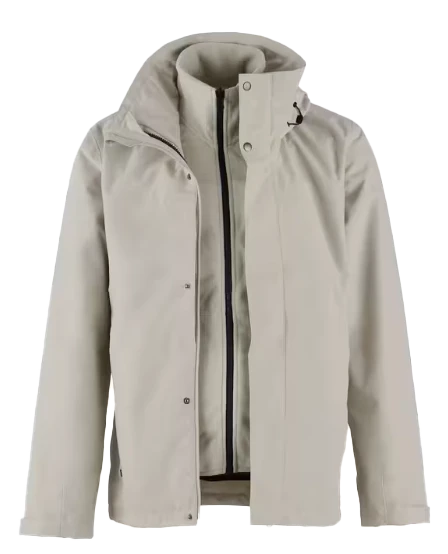
| Variable Weather | 3-in-1 Modular | Versatility / Layering | High |
| Urban Winter | Casual Softshell | Style / Basic Windproof | Excellent |
A technical budget suit is defined by its use of functional materials rather than brand prestige. Key indicators include the presence of a TPU membrane for waterproofing, windproof shell fabrics (often polyester/lycra blends), and construction details such as reverse zippers and adjustable cuffs. Unlike basic fashion jackets, these are engineered to manage moisture and block wind, providing essential protection in alpine environments.
Yes, provided they feature a bonded membrane (like TPU). Softshells are designed to be highly water-resistant and windproof. While they may not be suitable for hours of heavy downpour compared to a heavy-duty hardshell, they are excellent for skiing and hiking where moisture is primarily from snow or light rain. The addition of a DWR (Durable Water Repellent) coating on the outer shell further enhances this capability.
Choose a softshell if your activity involves high movement (hiking, trekking) and you need breathability and flexibility. Softshells are generally more comfortable and quieter. Choose a hardshell if you anticipate extreme precipitation or very wet conditions, as hardshells provide a complete waterproof barrier but are typically less breathable and more rigid. For most casual winter sports, a high-quality softshell is the more versatile value choice.
The primary risk is the absence of a true waterproof membrane. Very low-cost gear often uses simple coated fabrics that "leak" after a few uses or fail to breathe, leading to internal dampness. Another risk is poor seam construction; if seams are not taped or properly stitched, water will penetrate the garment regardless of the fabric quality. Always check for specifications like "TPU membrane" or "Windproof" to ensure technical functionality.
In modern manufacturing, recycled polyester (GRS certified) is virtually indistinguishable from virgin polyester in terms of tensile strength, durability, and water resistance. The chemical structure of the recycled polymer is processed to meet the same industrial standards. Consequently, choosing an eco-friendly budget suit does not require a compromise in the garment's lifespan or its ability to withstand the rigors of outdoor use.
To preserve the waterproof membrane and DWR coating, avoid using harsh detergents or fabric softeners, which can clog the breathable pores of the TPU. Wash the garment using specialized technical wash products and avoid high-heat drying. If the water stops "beading" on the surface, you can apply a spray-on DWR treatment to restore the water-repellent properties without needing to replace the entire suit.
The search for cheap ski suits for women's no longer necessitates a compromise in technical safety. By focusing on material compositions—specifically the integration of TPU membranes and polyester-lycra blends—consumers can acquire gear that provides professional-grade windproofing and water resistance.
As the industry moves toward sustainable, GRS-certified production and OEM efficiency, the gap between luxury and budget outerwear continues to close. The key to a successful purchase lies in matching the garment's technical specifications to the actual environmental demands of the activity, ensuring a balance of comfort, protection, and value.