
When sourcing professional medical apparel, the search for cheap scrub sets women can often lead to a trade-off between affordability and functional durability. In high-pressure healthcare environments, the quality of a uniform directly impacts the wearer's mobility and confidence. However, the industry is shifting toward specialized manufacturing that allows for cost-effective production without sacrificing the essential protective qualities required for clinical settings.
The challenge lies in finding garments that balance economic viability with professional standards. For procurement managers and individual practitioners, understanding the relationship between fabric composition—such as the use of sustainable polyester blends—and long-term wear resistance is critical. In the broader context of workwear and professional uniforms, ensuring that budget-friendly options still meet hygiene and comfort requirements is a primary objective for modern healthcare facilities.
By analyzing the technical specifications of modern medical textiles and the capabilities of OEM manufacturers, buyers can identify where value truly resides. This guide explores the critical factors in selecting high-utility medical sets, focusing on how cheap scrub sets women can be sourced effectively by prioritizing material science and manufacturer expertise over simple price tags.


Medical scrubs are specialized workwear designed to minimize the spread of contaminants while providing maximum comfort for personnel working extended shifts. Unlike general leisurewear, professional scrubs must withstand frequent industrial laundering and maintain structural integrity under constant physical movement. The core standard revolves around the ability of the fabric to remain breathable yet durable enough to resist pilling and tearing.
From a manufacturing perspective, the focus is on the integration of reinforced stitching and ergonomic designs that accommodate a wide range of body types (from XS to 5XL). By leveraging OEM services, facilities can standardize their apparel to ensure a consistent professional image while incorporating specific functional requirements, such as additional pocket placement or adjustable waistbands, which are essential for carrying medical tools.
The performance of medical sets is primarily dictated by the fabric composition. Polyester remains a dominant choice due to its inherent strength and resistance to wrinkles. When combined with other fibers, it creates a textile that is both soft to the touch and capable of maintaining its shape after numerous wash cycles, which is a non-negotiable requirement for healthcare professionals.
The integration of sustainable, anti-pilling polyester ensures that budget-friendly uniforms do not degrade visually or structurally, providing a professional appearance that lasts throughout the garment's entire lifecycle despite rigorous daily use.
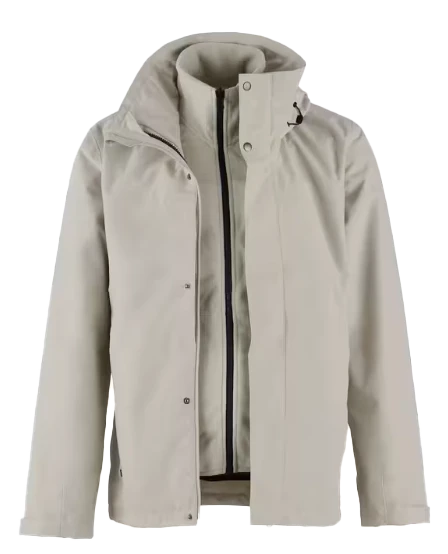
Beyond the base material, technical features such as windproof capabilities and soft-touch finishes are increasingly integrated into workwear. For practitioners moving between climate-controlled wards and colder outdoor or transitional areas, the ability of the fabric to provide moderate thermal regulation without adding excessive bulk is a key design consideration.
Achieving a low unit cost for medical apparel does not necessitate a decrease in quality if the production is optimized. By utilizing large-scale OEM processes, manufacturers can reduce waste and lower costs while maintaining strict quality control. The value is found in the "cost-per-wear" ratio rather than the initial purchase price.
Evaluating the performance of different fabric weights allows buyers to choose the most efficient option for their specific environment. Lightweight fabrics are ideal for high-activity areas, while slightly heavier, bonded materials provide the durability needed for more intensive physical labor within the healthcare sector.
The utility of professional scrub sets varies significantly across different medical departments. In emergency rooms and surgical units, the focus is on maximum mobility and the ability of the fabric to resist saturation. Here, the structural integrity of the seams and the breathable nature of the polyester blend are paramount to prevent practitioner fatigue during long procedures.
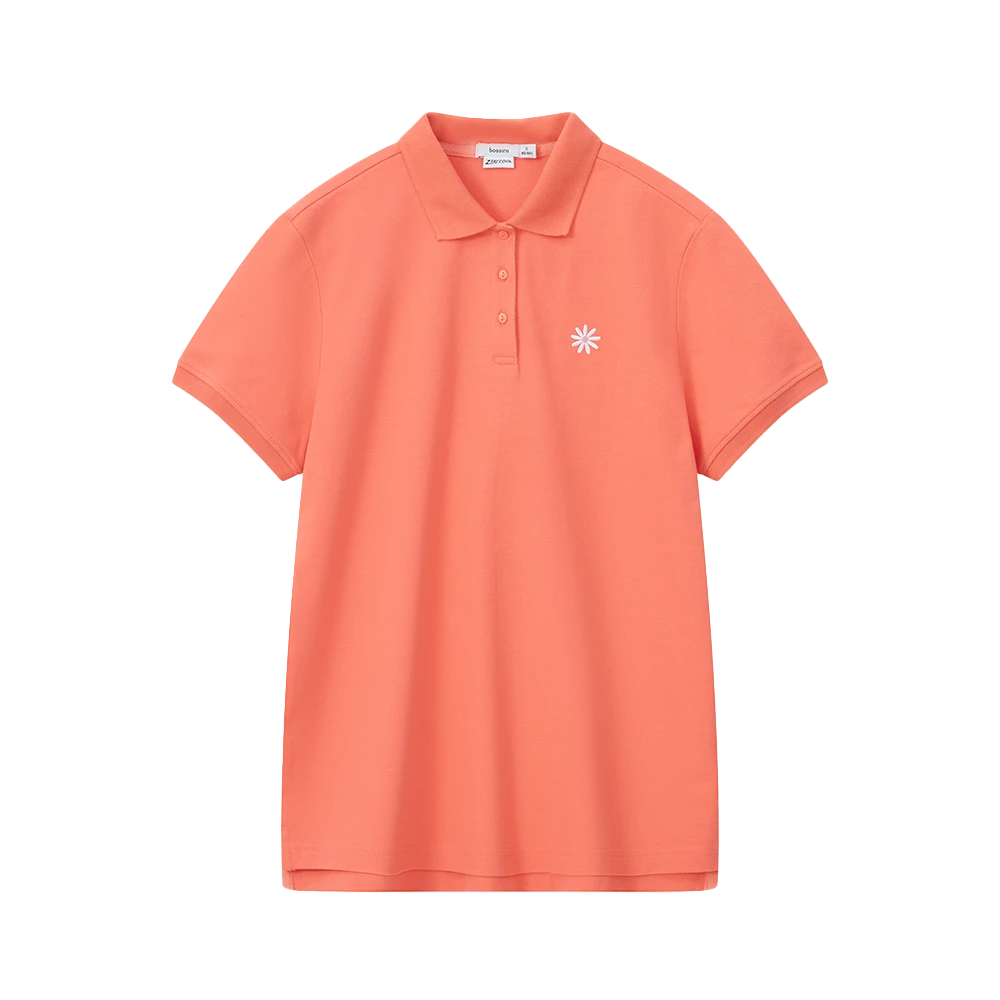
Conversely, in outpatient clinics or administrative healthcare roles, the emphasis shifts toward a polished, fashion-forward appearance that maintains a professional boundary. In these scenarios, the versatility of colors—ranging from classic navy to coral red—allows institutions to implement color-coding systems that help patients quickly identify staff roles and specialties.
The industry is moving toward a hybrid model where the durability of traditional workwear meets the comfort of athletic apparel. This evolution is driven by a demand for sustainable materials that reduce the environmental impact of disposable or short-lived uniforms. Recycled polyester is becoming a standard in high-volume production, offering a sustainable alternative without compromising on strength.
Technological advancements in textile bonding and knitting have allowed for the creation of garments that are more ergonomic. Modern sets now feature tailored fits that reduce excess fabric, which not only improves the professional silhouette but also minimizes the risk of the garment catching on equipment in a clinical setting.
Future directions point toward the integration of antimicrobial finishes and moisture-wicking properties into standard budget lines. As these technologies become more affordable for mass production, even the most cost-effective scrub sets will provide advanced protective features previously reserved for premium tiers.
The primary challenge in sourcing budget apparel is the risk of inconsistent sizing and material degradation. To mitigate this, buyers should focus on manufacturers with extensive OEM/ODM experience who can provide a detailed size chart (from XS to 5XL) and consistent fabric weights. A rigorous inspection process before shipment is essential to ensure that each unit meets the required standards.
A strategic approach to purchasing involves evaluating the supplier's ability to handle customized labels and logos, as this allows for brand consistency across a large workforce. Furthermore, considering the lead times and shipping ports—such as those in Hebei province—helps in planning inventory cycles to avoid shortages during peak hiring periods.
Ultimately, the selection logic should prioritize a win-win situation where the manufacturer's capacity for cost control meets the buyer's need for reliability. By focusing on a stable supplier network and a complete quality control system, organizations can secure high-performance apparel that remains affordable over the long term.
| Evaluation Factor | Low-End Generic | Professional OEM | Premium Brand |
|---|---|---|---|
| Fabric Stability | Low / Pilling | High / Sustainable | Very High |
| Size Range | Limited | XS - 5XL | Extensive |
| Customization | None | Logo/Color/Size | Full Bespoke |
| Unit Cost | Very Low | Competitive | High |
| Wash Life | Short | Extended | Maximum |
| Lead Time | Fast | Moderate (45d) | Variable |
Professionalism in affordable scrubs is defined by the fabric's ability to maintain its color and structure through frequent industrial washing. The use of high-grade polyester blends prevents pilling and shrinking, ensuring that the garment looks crisp and clean, which is vital for maintaining a clinical image regardless of the initial cost.
Fabric weight determines the balance between breathability and durability. Lighter fabrics are preferred for high-temperature environments to keep staff cool, while heavier, bonded fabrics offer better protection and a more structured fit. Professional OEM manufacturers can adjust GSM to suit specific environmental needs.
Yes, through OEM services, budget-friendly sets can be customized with specific colors, logos, and size charts. This allows clinics to maintain a unified brand identity without the expense of premium retail brands, as the customization is integrated into the mass production process.
When sourced from a manufacturer with strict quality control, a high-quality polyester set can last for several years of regular use. The lifespan is extended by the material's inherent resistance to abrasion and chemicals, provided that industrial laundry standards are followed.
Yes, the industry is increasingly adopting recycled polyester for mass-market scrubs. These materials offer the same durability and performance as virgin polyester but with a lower environmental footprint, making sustainability accessible for large-scale procurement.
Reliability is best evaluated by checking the supplier's experience in OEM/ODM services, their ability to provide comprehensive size charts, and their quality inspection protocols. A manufacturer with a stable export history to North American and European markets generally adheres to higher international standards.
Selecting high-quality yet affordable medical apparel requires a shift in focus from the lowest possible price to the highest possible value. By prioritizing material science—specifically sustainable, anti-pilling polyester—and partnering with experienced OEM manufacturers, healthcare institutions can ensure their staff is equipped with uniforms that are durable, professional, and comfortable. The key to success lies in the alignment of technical specifications with the actual demands of the clinical environment.
For those seeking to optimize their procurement strategy, focusing on manufacturers who offer a complete range of sizes and customizable options ensures long-term scalability. To learn more about professional workwear solutions and sustainable textile options, we invite you to explore the capabilities at www.outdoor-jacket.com, where industry expertise meets functional design.