
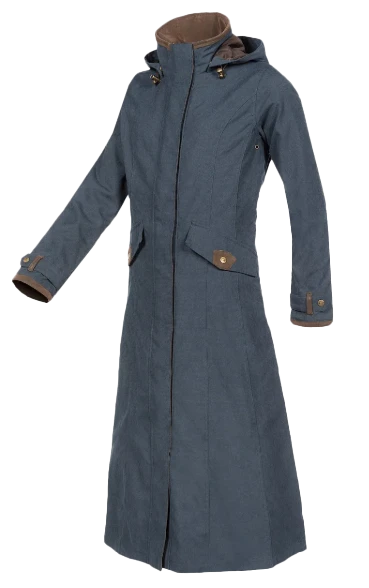
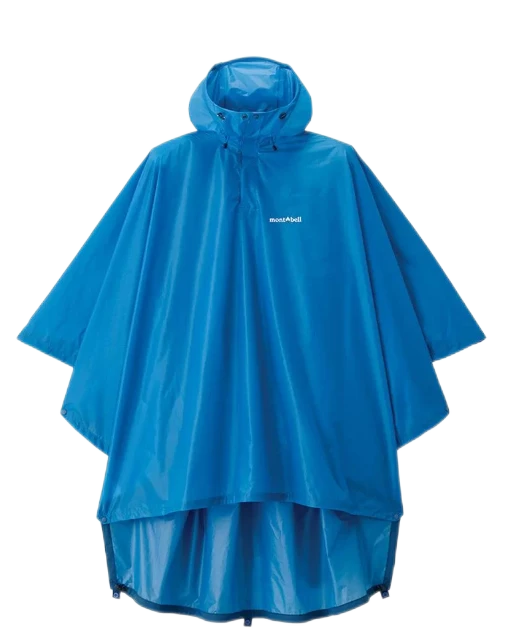
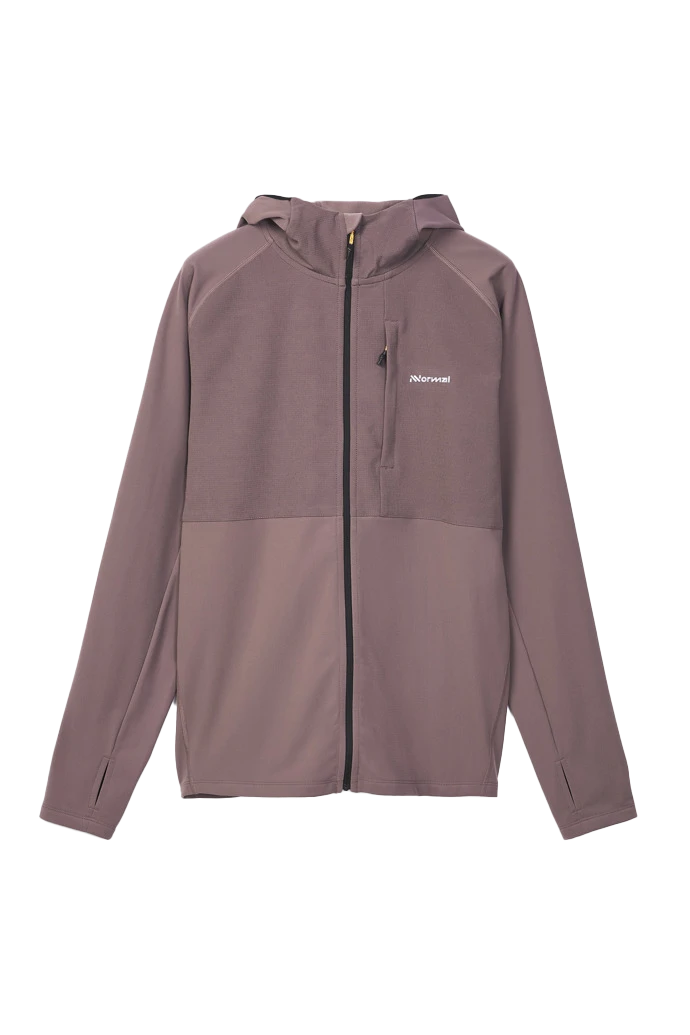

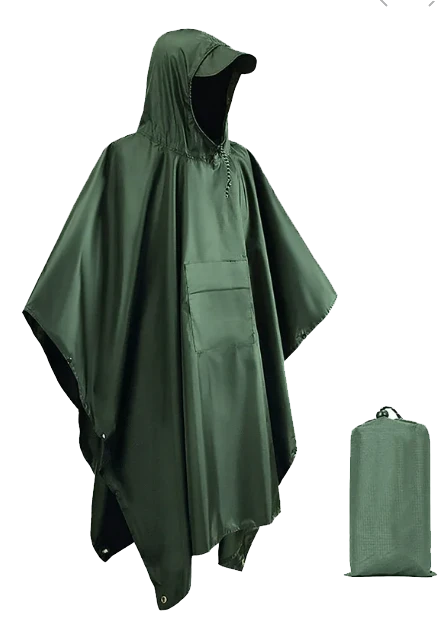
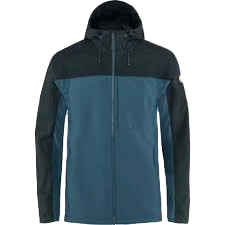
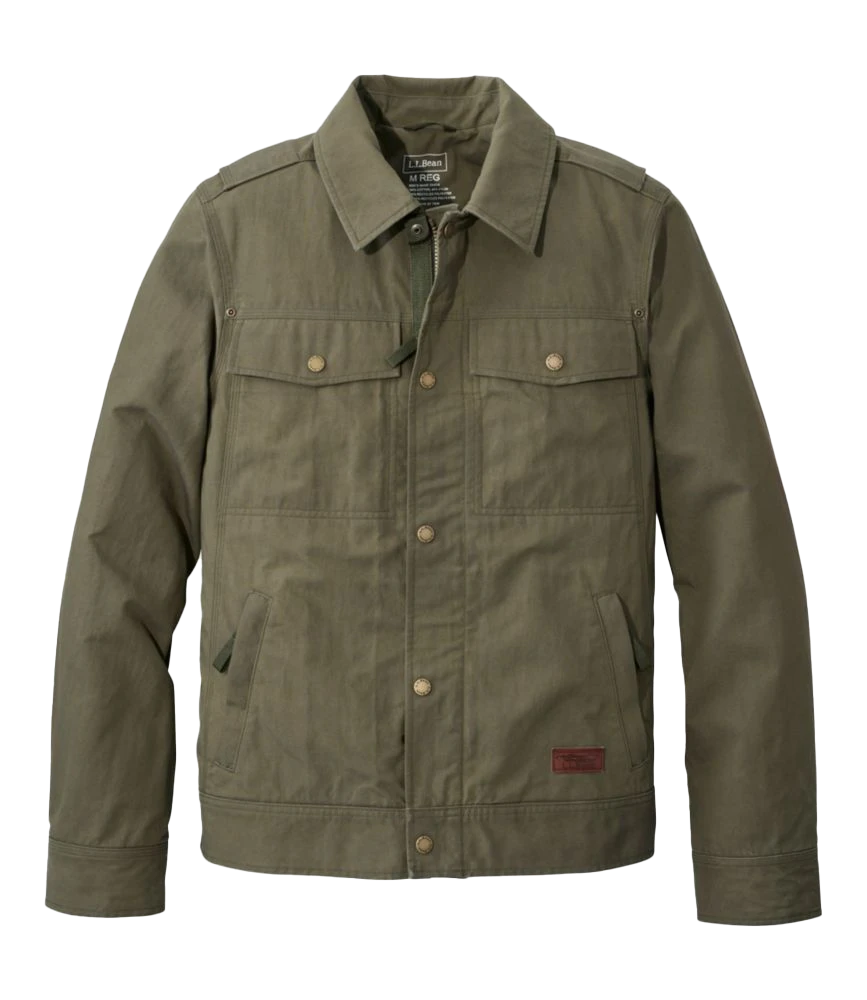
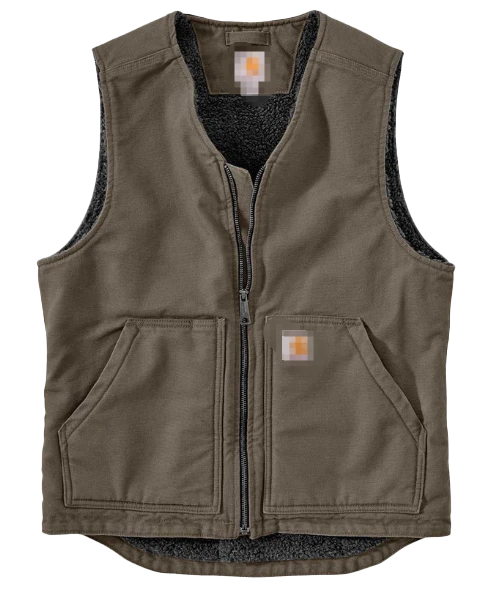




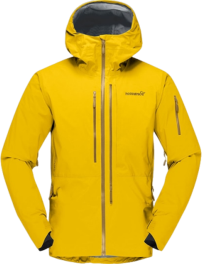
Custom windbreakers are specialized outer garments designed to protect the wearer from wind and light precipitation while allowing for personalized branding and functional specifications. Unlike standard off-the-shelf jackets, these garments are engineered using specific textile blends—such as high-density polyester or nylon—to create a barrier that maintains core body temperature in adverse weather conditions.
For businesses in the outdoor apparel and corporate gifting sectors, the challenge often lies in balancing aesthetic appeal with technical performance. Many generic options fail to provide adequate moisture-wicking or true windproofing, leading to discomfort for the end-user and a perceived lack of quality for the brand providing the garment.
This guide examines the technical architecture of high-performance custom windbreakers, exploring the critical selection criteria for fabrics, the nuances of OEM design, and how to evaluate a manufacturing partner to ensure a product that meets professional durability standards.

1Foundations of High-Performance Windbreaker Design

The primary objective of a custom windbreaker is the mitigation of wind chill, which occurs when air moving across the skin accelerates heat loss. Effective design begins with a tight weave structure that prevents air penetration while remaining lightweight. Professional-grade garments often incorporate taped seams to ensure that wind and water cannot leak through the stitching, a critical detail for professional ski and trekking gear.
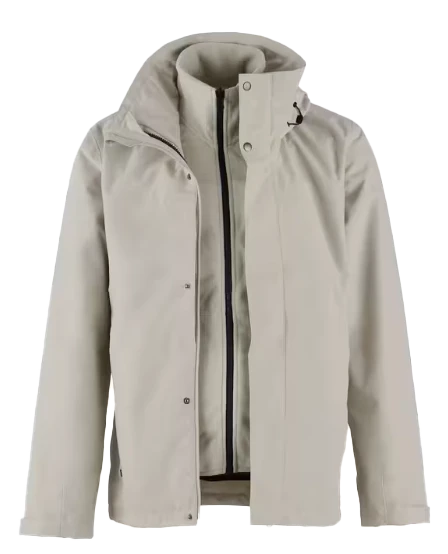
Beyond the fabric, the ergonomics of the cut determine the garment's utility. A "performance fit" allows for layering without restricting movement, which is essential for activities like hiking or snowboarding. Integrating features such as underarm vents helps regulate body temperature, preventing the "sauna effect" common in low-quality waterproof materials.
From a branding perspective, the placement of logos must not compromise the structural integrity of the waterproof membrane. Advanced printing and embroidery techniques are employed to ensure that the visual identity of the brand remains intact without creating leak points in the shell fabric.
2Technical Fabric Analysis and Material Selection
The choice of material is the most significant factor in determining the efficacy of custom windbreakers. Most professional options utilize 100% Polyester or Nylon. Polyester is favored for its durability and resistance to shrinking, while Nylon offers superior abrasion resistance, making it ideal for rugged outdoor environments like mountain trekking.
To achieve windproofing, fabrics undergo a chemical coating process or a laminating phase. DWR (Durable Water Repellent) finishes are applied to the exterior to cause water to bead off, while a breathable membrane on the interior allows water vapor (sweat) to escape. This dual-layer approach is what distinguishes a professional windbreaker from a simple plastic rain jacket.
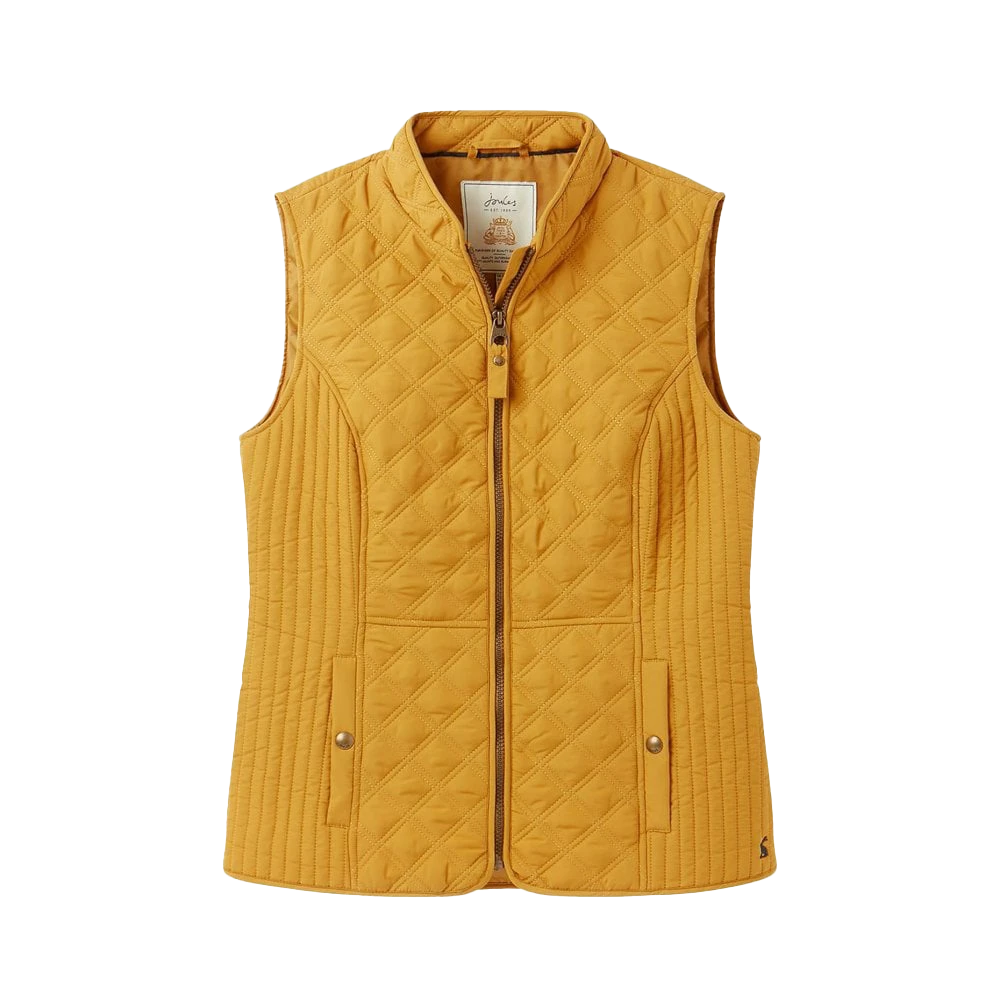
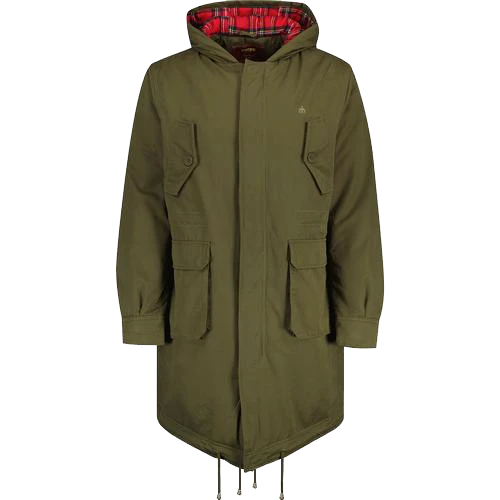
Weight also plays a role; fabrics ranging from 40gsm to 450gsm allow for the creation of everything from ultra-light summer shells to heavily insulated winter parkas. Selecting the correct weight is crucial to match the intended season of use—autumn/winter gear requires higher density and potentially quilted padding for thermal retention.
3Application Scenarios for Custom Windbreakers
The utility of custom windbreakers spans various professional and recreational domains. In the sports industry, specifically for ski and snowboard wear, the focus is on absolute waterproofing and wind blocking. These garments often include specialized pockets for goggles and iPods, and detachable power skirts to prevent snow from entering the jacket during a fall.
Corporate and urban applications prioritize a balance between style and function. For company uniforms or promotional merchandise, a lightweight windbreaker serves as a versatile piece of outerwear that provides basic protection while maintaining a professional silhouette. These are typically used in mild climates or as transitional pieces for spring and autumn.
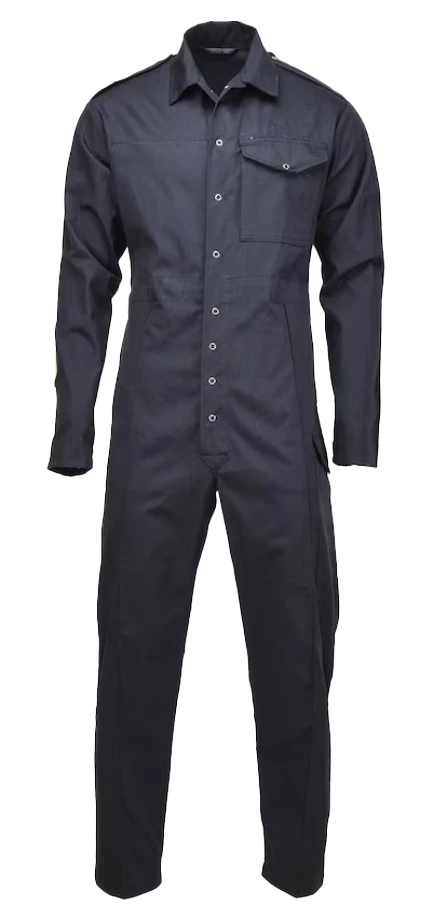
Industrial and workwear sectors require windbreakers that prioritize rip-stop technology. In these environments, the garment must withstand snagging and tearing while protecting the worker from wind-induced cold stress. The integration of high-visibility colors and reflective strips is common in these specialized custom orders.
4Performance Metrics and Weather Resistance
Quantifying the performance of custom windbreakers involves analyzing several key metrics: waterproofness (measured in mm of water column), breathability (measured in g/m²/24h), and wind permeability. A high-quality windbreaker should exhibit nearly zero air permeability while maintaining a breathability rating that prevents internal condensation.
The interaction between the outer shell and the lining is where performance is won or lost. A mesh lining, for instance, creates a small air gap between the skin and the waterproof membrane, which improves moisture transport and prevents the fabric from clinging to the skin when wet.
custom windbreakers Performance Metrics
When evaluating samples, procurement teams should look for "Taped Seams." This process involves applying a heat-activated waterproof tape over every stitch line. Without this, the garment is effectively "water-resistant" rather than "waterproof," as water will eventually seep through the needle holes during prolonged exposure.
5The OEM/ODM Procurement Process
Procuring custom windbreakers through an OEM (Original Equipment Manufacturer) or ODM (Original Design Manufacturer) model allows brands to control every aspect of the product. The process typically begins with a tech pack—a detailed blueprint including size charts, material specifications, and color swatches (Pantone)—which ensures the factory produces the garment exactly as envisioned.
Quality control (QC) is paramount. A professional manufacturer will implement a multi-stage inspection process: material inspection upon arrival, in-line inspection during stitching, and a final aql (Acceptable Quality Level) check before shipping. This prevents issues like uneven seams or inconsistent logo placement.
Logistics and packaging also influence the final cost and presentation. Options range from simple polybags to customized branded boxes. For large-scale deployments, understanding the packing ratio (e.g., 10-20 pieces per carton) is essential for calculating shipping costs and warehouse space requirements.
6Sustainability Trends in Synthetic Outerwear
The outdoor apparel industry is shifting toward more sustainable production methods. The use of recycled polyester (rPET), derived from post-consumer plastic bottles, is becoming a standard request for custom windbreakers. This reduces the reliance on virgin petroleum-based plastics without sacrificing the windproof properties of the garment.
Another critical area is the transition away from PFCs (Perfluorinated Chemicals) in DWR coatings. Traditional water repellents often contained chemicals that persist in the environment. New "PFC-free" finishes provide similar water-beading capabilities while adhering to stricter environmental regulations in Europe and North America.
Circular design is also emerging, where garments are designed for easier disassembly and recycling at the end of their life cycle. This involves using mono-materials (e.g., making both the shell and the lining from polyester) to simplify the chemical recycling process.
7Comparison of Windbreaker Material Grades
Selecting the right material depends on the intended use case. A windbreaker for a casual corporate event has entirely different requirements than a professional ski jacket. The following table provides a comparative analysis of common material configurations used in custom production.
When analyzing these options, consider the trade-off between weight and protection. Higher waterproof ratings often come with a slight decrease in breathability, unless expensive high-end membranes are used. The "Customized" option allows the buyer to specify exactly where to prioritize performance.
| Material Type | Best Use Case | Key Strength | Primary Limitation |
|---|---|---|---|
| Lightweight Polyester | Corporate/Urban | Breathable & Light | Low Water Resistance |
| High-Density Nylon | Hiking/Trekking | Abrasion Resistant | Heavier Weight |
| Taped-Seam Poly | Ski/Snowboard | Absolute Waterproof | Higher Cost |
| Soft Shell Blend | Active Sports | Flexibility/Windblock | Moderate Rain Only |
| Recycled rPET | Eco-Branding | Sustainability | Variable Dyeing |
| Rip-Stop Nylon | Industrial Work | Tear Resistance | Less Aesthetic Appeal |
Ultimately, the decision should be based on the specific climate of the target market and the activity level of the user. For those seeking a balance of all factors, a customized nylon-polyester blend with a 10k waterproof rating is typically the most versatile professional choice.
Frequently Asked Questions
Conclusion
Investing in custom windbreakers requires a strategic approach to material science and manufacturing. By prioritizing the balance between wind-blocking efficiency, waterproofing, and breathability, brands can produce outerwear that not only serves as a marketing tool but provides genuine value to the user in challenging environments.
For organizations evaluating suitable technical outerwear solutions, detailed product specifications and manufacturing capabilities can be reviewed at www.outdoor-jacket.com to ensure the final product aligns with professional performance standards.