







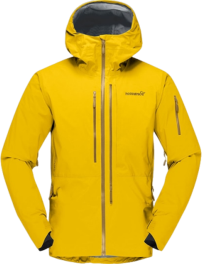
Finding high-performance ski wear womens cheap options often feels like a trade-off between safety and budget. For many outdoor enthusiasts, the barrier to entry for winter sports is the steep cost of technical outerwear that can withstand sub-zero temperatures and heavy snowfall.
The challenge lies in identifying which "cheap" options provide genuine protection—such as waterproof membranes and breathable fabrics—and which are merely fashion pieces that fail in alpine conditions. Understanding the intersection of material science and cost-effective manufacturing is key to making a smart purchase.
This guide analyzes how to secure professional-grade women's ski outerwear without overpaying, focusing on the technical specifications that actually matter for warmth and durability on the slopes.

Decoding the Cost of Technical Women's Ski Wear

The perceived high cost of women's ski gear is often driven by brand premiums rather than the raw cost of materials. In the woven garment manufacturing sector, the difference between a luxury jacket and a value-driven one often comes down to the brand's marketing budget and the complexity of the aesthetic design, rather than the fundamental waterproof rating.
For those seeking ski wear womens cheap options, it is vital to distinguish between "budget fashion" and "budget technical" gear. Technical gear focuses on TPU membranes, bonded fleece, and windproof shells—components that can be sourced efficiently through OEM services to reduce the final retail price while maintaining safety.
By focusing on the core functional requirements—waterproofing, windproofing, and breathability—buyers can find garments that perform similarly to high-end brands but are priced based on actual manufacturing costs rather than prestige.
Essential Performance Indicators for Budget Outerwear
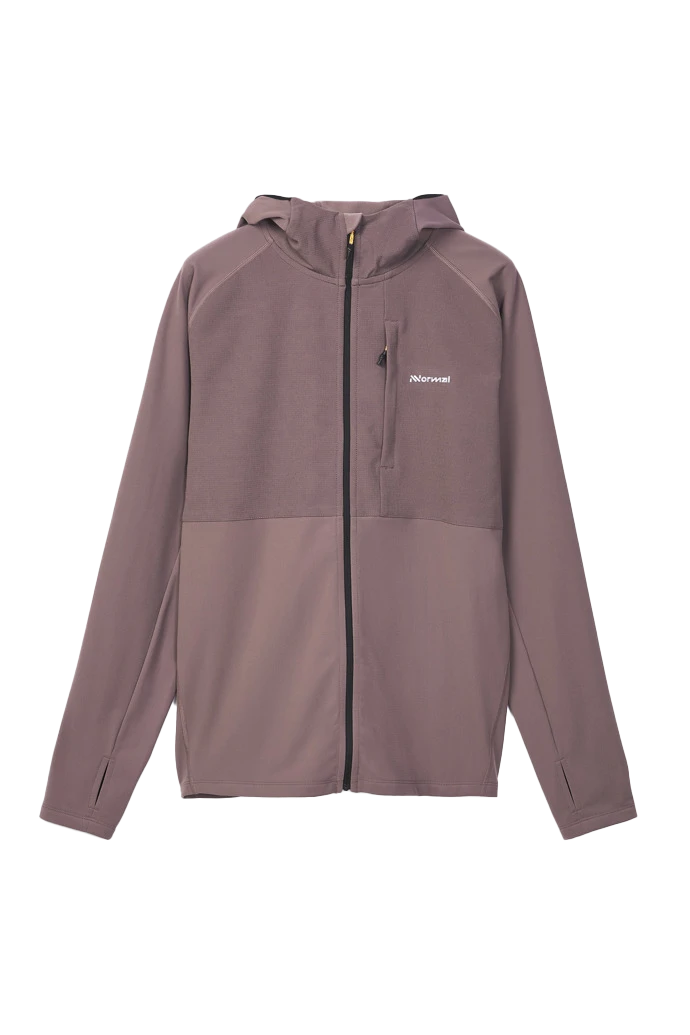
When evaluating affordable ski wear, the most critical metric is the material composition. For instance, a softshell jacket utilizing 96% polyester and 4% lycra bonded with fleece provides a balance of flexibility and warmth that is essential for active movement on the mountain.
Waterproofing is another non-negotiable. Look for garments featuring TPU membranes or taped seams, which prevent moisture from penetrating the fabric during heavy snowfall. Breathability is equally important; without it, perspiration builds up inside the jacket, leading to chills during periods of inactivity.
Additionally, check for functional details like adjustable cuffs with velcro, waterproof zippers with garages, and detachable hoods. These small engineering choices significantly impact the garment's ability to seal out the cold, regardless of the price point.
Practical Application Scenarios for Various Jacket Types
Not all ski environments require the same level of insulation. A lightweight softshell is ideal for spring skiing or high-intensity trekking where breathability is prioritized over heavy thermal padding. These are often the most cost-effective options for those who layer their clothing.
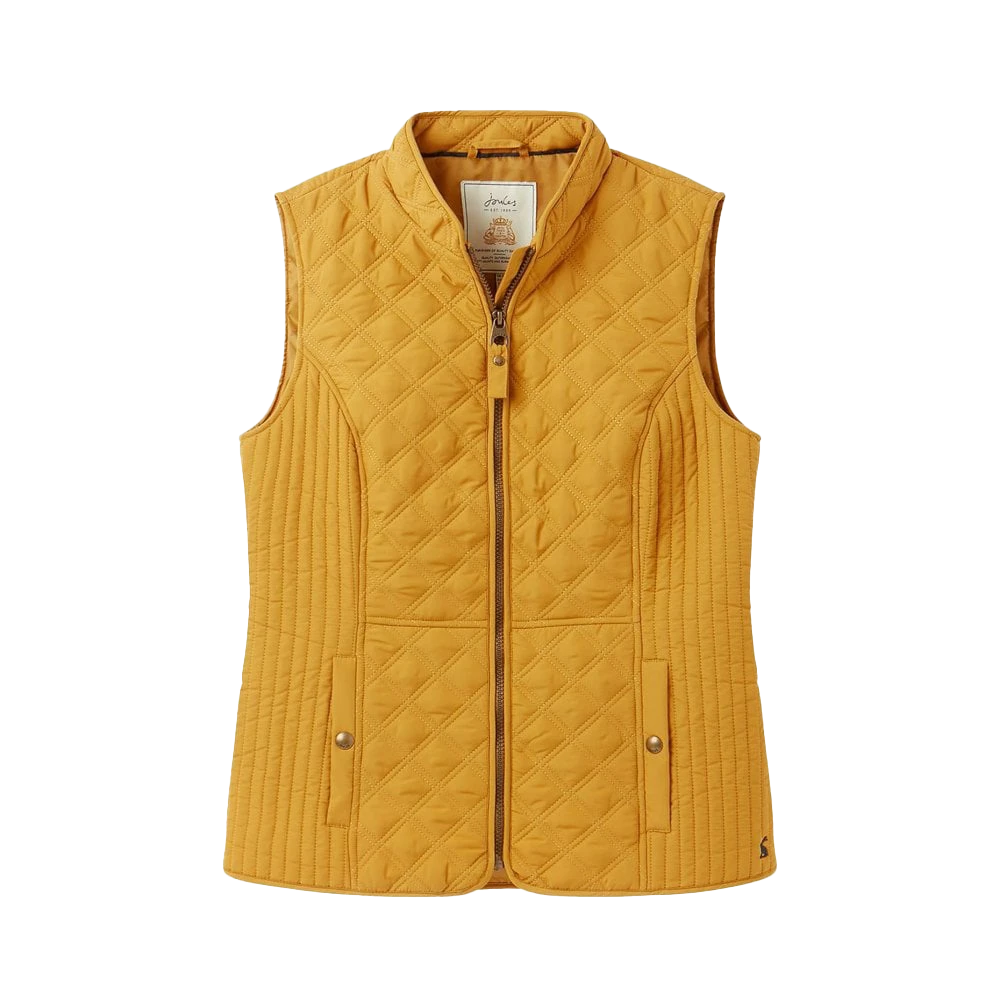
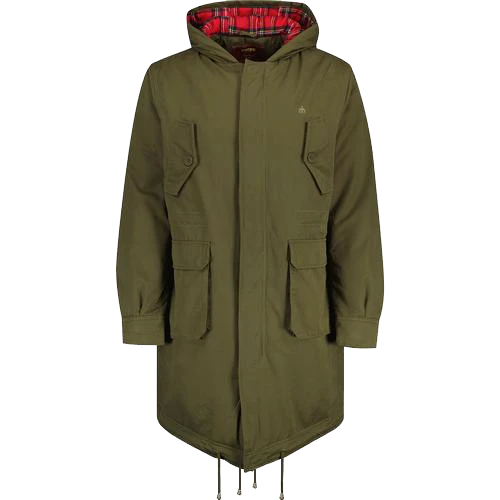
For extreme cold or beginner skiers who spend more time stationary, a quilted padding series or a heavy-duty parka is necessary. These garments provide the necessary loft to trap heat, ensuring that the wearer remains warm even when not actively moving.
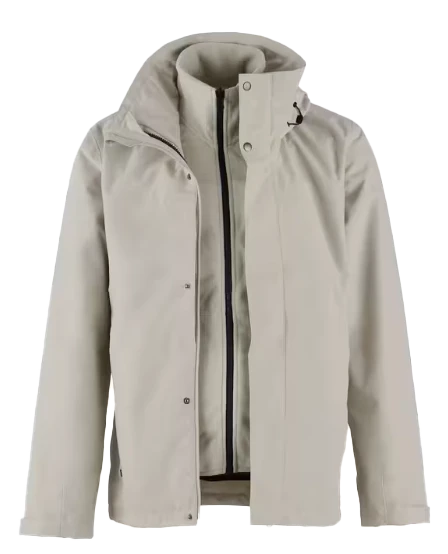
In mixed-use scenarios, such as hiking or camping, a 3-in-1 jacket system provides the best value. By combining a waterproof shell with a detachable insulated liner, the user can adapt to changing weather conditions without purchasing multiple separate garments.
Comparing Material Efficiency and Thermal Protection
The efficiency of ski wear is measured by how well it manages the microclimate between the skin and the outer shell. High-density polyester fabrics (ranging from 40gsm to 450gsm) allow manufacturers to tune the weight and warmth of the jacket to specific climate needs.
When comparing standard industry benchmarks against optimized OEM designs, we see that focused technical specifications can yield similar performance results at a fraction of the cost by eliminating unnecessary ornamental features.
ski wear womens cheap Performance Metrics
As shown in the data, focusing on the "Technical Essentials" allows value-driven gear to match the waterproof and windproof capabilities of premium brands, while slightly trailing in extreme lightweighting—a trade-off that is usually acceptable for budget-conscious buyers.
Strategic Procurement for B2B and Individual Buyers
For businesses looking to source women's ski wear, leveraging OEM (Original Equipment Manufacture) and ODM (Original Design Manufacture) services is the most effective way to control costs. By providing specific tech packs, brands can ensure that every cent is spent on functional materials rather than overhead.
Key procurement considerations include verifying certifications such as oeko-Tex100 or GRS (Global Recycled Standard) to ensure that "cheap" does not mean "low quality" or "unethical." A reliable manufacturer with decades of experience in outdoor apparel can optimize fabric selection based on the target market's climate.
Buyers should also consider the "Total Cost of Ownership." A slightly more expensive jacket that lasts five seasons is cheaper than a very cheap one that tears in one season. Look for reinforced stitching and high-denier polyester to ensure longevity.
Future Shifts in Sustainable and Affordable Textiles
The trend in affordable ski wear is moving toward "eco-efficiency." New manufacturing processes are allowing for the use of recycled polyester and PFC-free waterproof coatings without significantly increasing the cost of production.
We are likely to see a rise in modular design, where a single garment can be adjusted for multiple seasons. This reduces the need for consumers to buy separate jackets for different temperatures, effectively lowering the long-term cost of owning high-quality ski gear.
Furthermore, the integration of smarter, bonded fabrics is expected to replace some of the bulkier quilted layers, providing better warmth-to-weight ratios in the value segment. This evolution depends on the continued optimization of TPU and spandex bonding technologies.
Decision Matrix for Selecting Value-Driven Ski Gear
Choosing the right budget ski wear requires matching the garment's technical limits to the user's actual needs. A beginner skiing in mild weather has very different requirements than a professional guide in the Alps.
The following matrix helps buyers determine which category of affordable outerwear provides the best balance of protection and price based on the intended use case.
| Gear Category | Primary Material | Best Use Case | Key Cost Driver |
|---|---|---|---|
| Light Softshell | Polyester/Lycra Bond | Spring Skiing/Hiking | Membrane Quality |
| Insulated Parka | Quilted Padding/Nylon | Extreme Cold/Stationary | Filling Weight |
| 3-in-1 System | Taped Shell + Fleece | Variable Climates | Component Versatility |
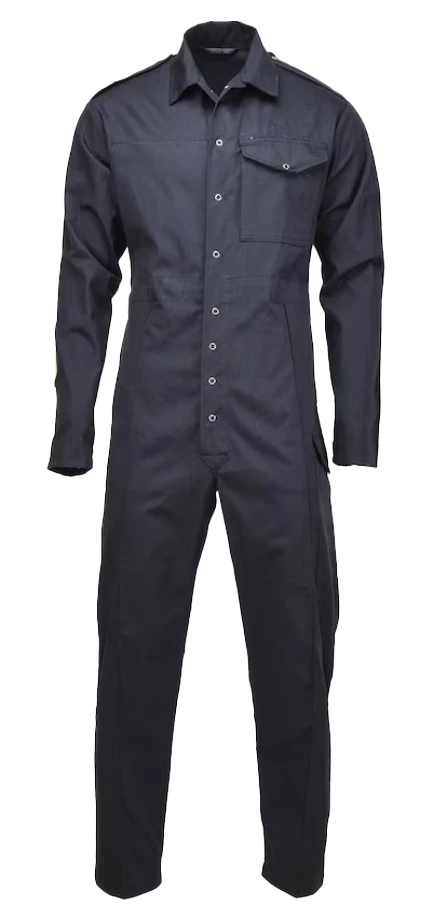
| Waterproof Suit | Heavy-duty Polyester | Deep Powder/Professionals | Seam Taping Effort |
| Urban Ski Style | Lightweight Woven | Après-ski/City Wear | Aesthetic Design |
| Hybrid Layer | Knitted & Bonded | Active Trekking | Fabric Elasticity |
Ultimately, the most "affordable" gear is that which meets the minimum safety and comfort requirements for the specific environment without paying for redundant features. For more technical specifications and customized options, users can explore the resources at www.outdoor-jacket.com.
Frequently Asked Questions
Conclusion
Acquiring effective ski wear womens cheap options is a matter of prioritizing technical specifications over brand prestige. By focusing on materials like bonded polyester and TPU membranes, and utilizing the efficiency of OEM manufacturing, it is possible to obtain professional-grade protection at a reasonable price.
Whether you are a B2B buyer looking for scalable outerwear solutions or an individual preparing for the slopes, the goal remains the same: ensuring safety through waterproof and windproof integrity. For those seeking a balance of quality and cost, exploring custom manufacturing options at www.outdoor-jacket.com provides a pathway to high-performance gear tailored to specific environmental needs.