
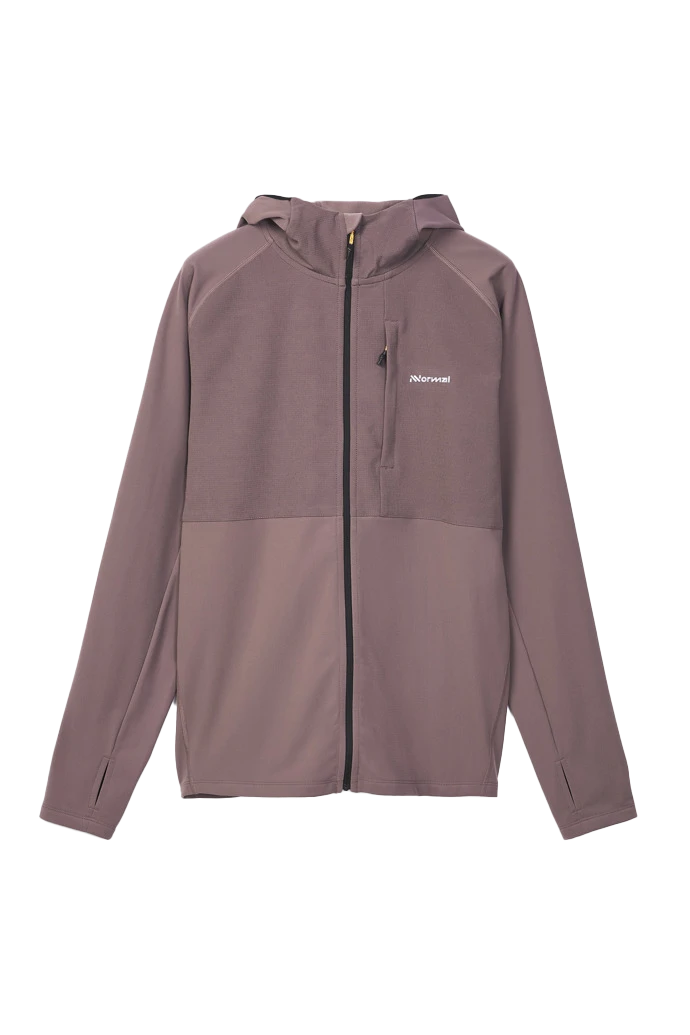
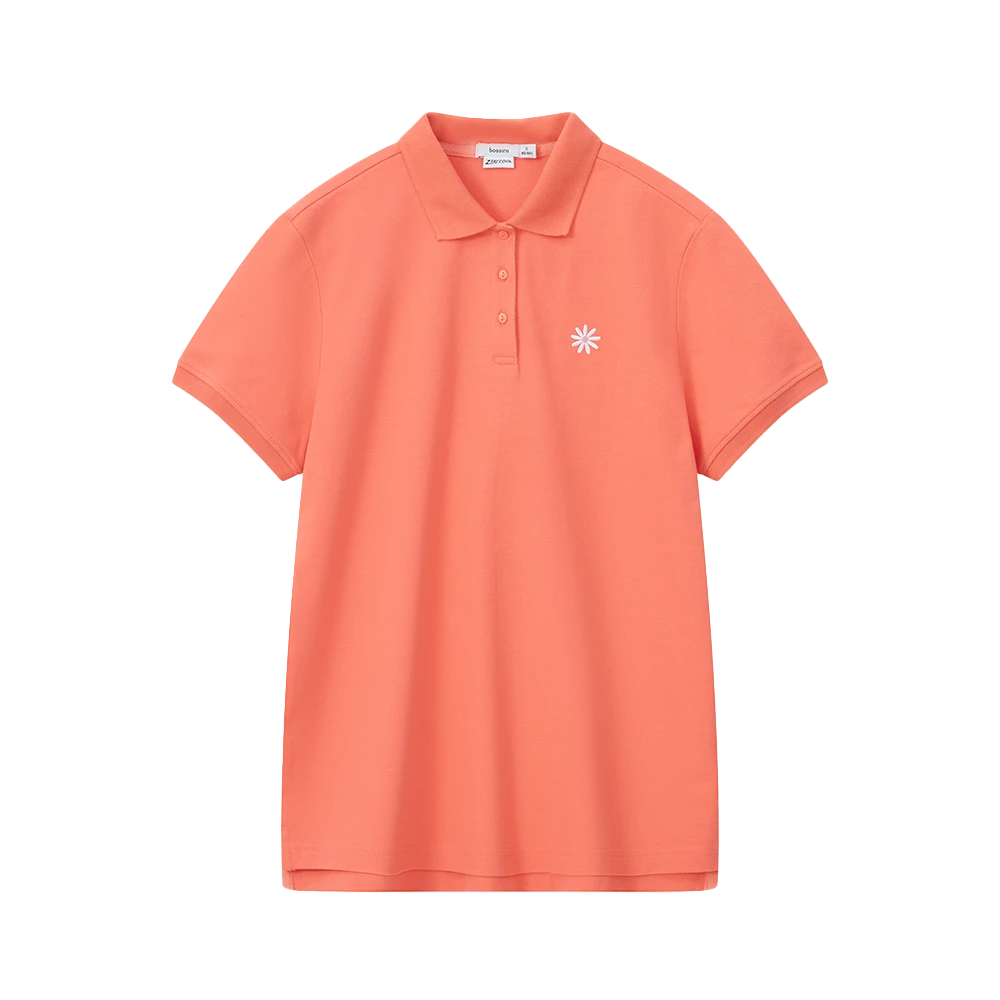
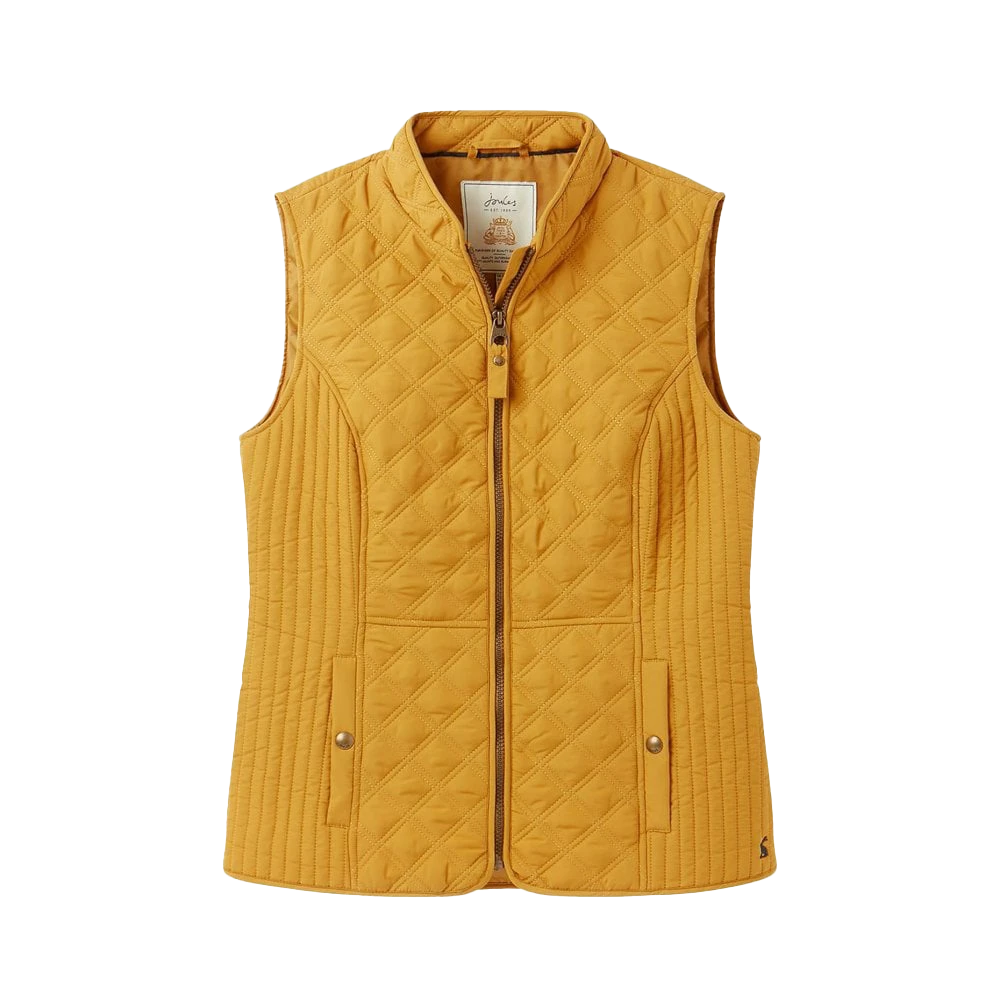

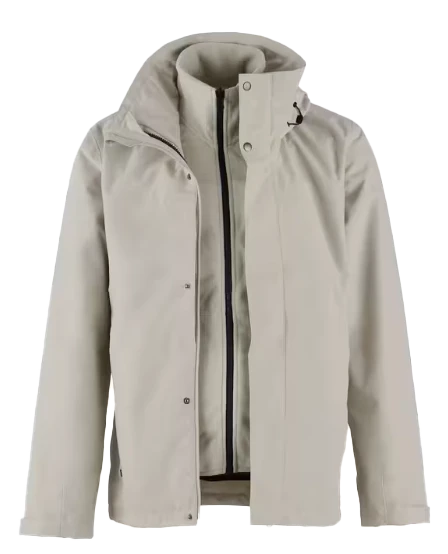




Securing a reliable source for windbreaker jacket wholesale is a critical decision for apparel distributors and corporate procurement managers seeking to balance weather protection with commercial viability. In the specialized sector of woven garment manufacturing, the quality of a windbreaker is defined by its ability to resist wind penetration while remaining breathable, a technical balance that separates professional-grade outerwear from generic alternatives.
The primary challenge for wholesale buyers often lies in navigating the trade-off between material durability and lightweight comfort. Many procurement officers struggle with sourcing jackets that offer genuine windproof capabilities without sacrificing the flexibility required for active outdoor use, often resulting in high return rates or low end-user satisfaction due to poor fabric selection.
This professional analysis provides a framework for evaluating wholesale windbreaker options, focusing on material compositions, hybrid construction techniques, and the critical procurement standards necessary to ensure long-term product performance in diverse climates.

Material Foundations for Windproof Performance

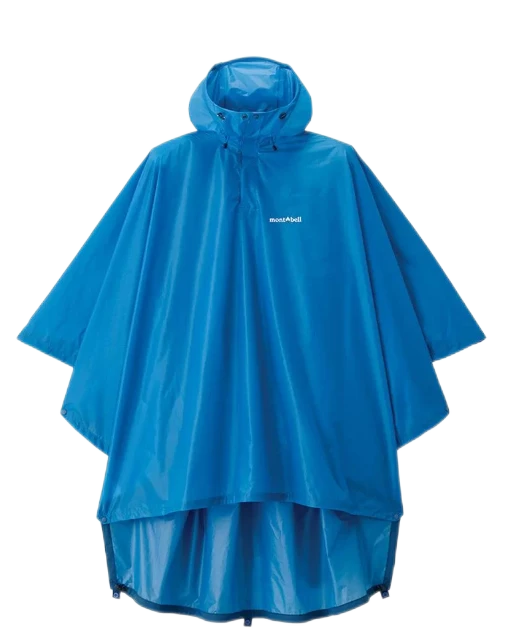
The efficacy of any wholesale windbreaker depends entirely on the weave density and the chemical treatment of the fabric. High-performance options typically utilize 100% polyester or polyester blends, which provide the necessary hydrophobic properties to repel light rain and block wind. The key is ensuring the fabric is not only windproof but also breathable, preventing the "greenhouse effect" where internal moisture is trapped against the wearer's skin.
For buyers focusing on mid-layer protection, incorporating bonded materials like softshell fabric—often a blend of polyester and spandex—offers a superior balance of elasticity and protection. This combination is particularly effective for garments designed for trekking or industrial workwear, where freedom of movement is as critical as environmental shielding.
Analyzing Hybrid Construction and Ergonomics
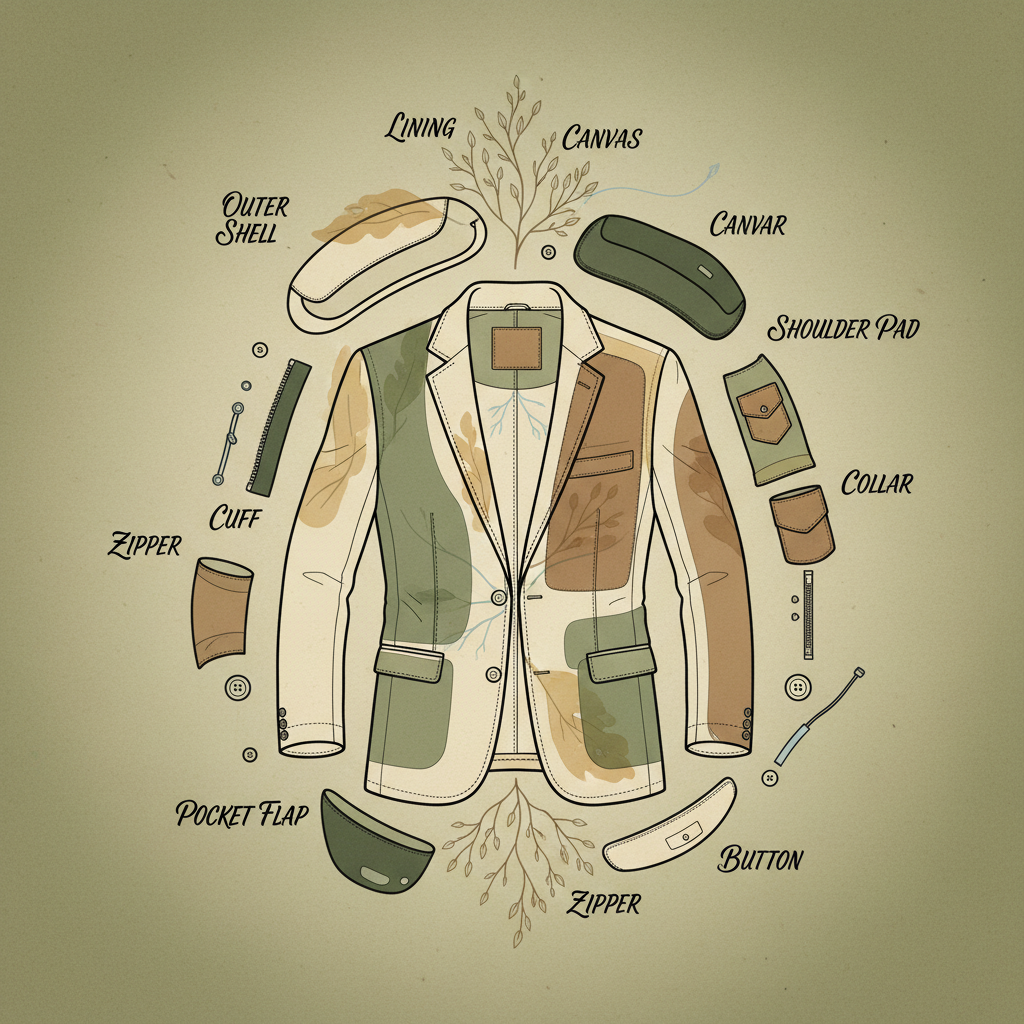
Modern windbreaker jacket wholesale trends have shifted toward "hybrid" designs. These garments strategically place different fabrics in areas of high wear or high movement. For instance, using reinforced softshell fabric on the shoulders and elbows while maintaining a lightweight polyester fleece body ensures that the garment resists abrasion in high-impact zones without adding unnecessary weight to the entire piece.
Ergonomic details such as elastic cuffs and hems are not merely aesthetic; they serve the critical function of sealing the garment against wind ingress. Furthermore, the integration of thumb holes in the sleeves acts as a built-in extension, providing additional warmth to the hands and preventing the sleeves from riding up during active movement, which is a highly valued feature in the outdoor and sport-apparel markets.
Application Scenarios for Wholesale Outerwear
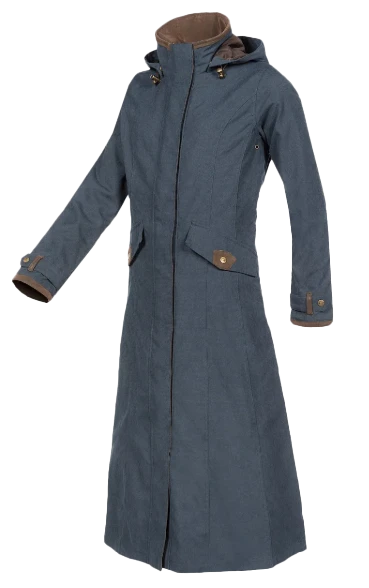
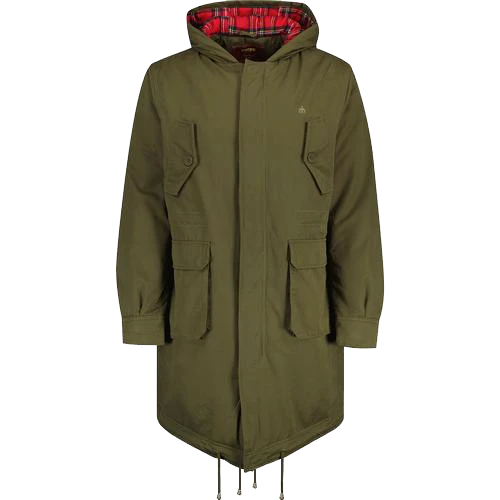
Understanding the end-use is paramount when selecting wholesale inventory. For the leisure and urban market, the focus remains on lightweight, fashion-forward designs that offer basic wind protection. However, for technical applications such as hiking, cycling, or construction work, the requirements shift toward higher durability and specific functional additives like reinforced padding and secure, zippered storage for tools or electronics.
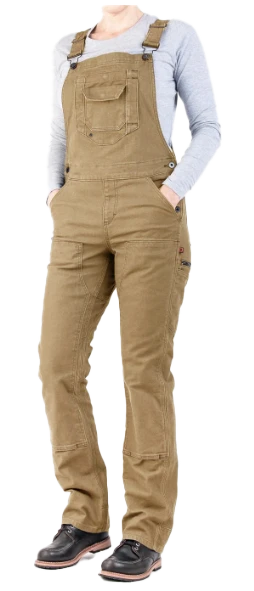
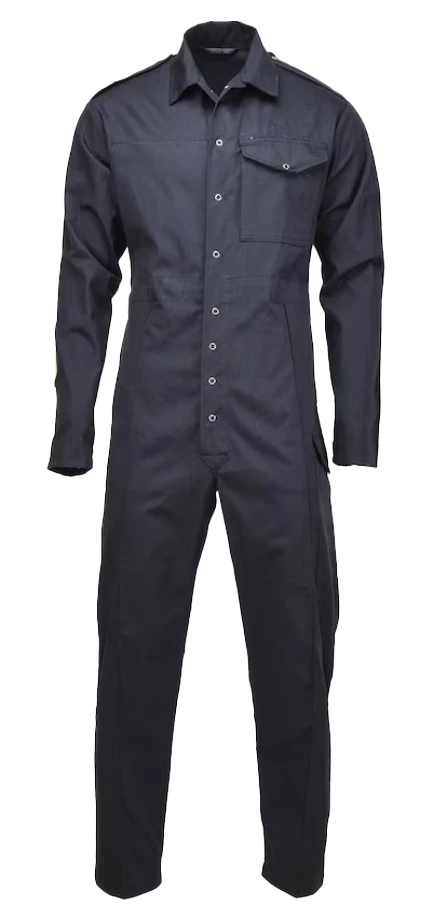
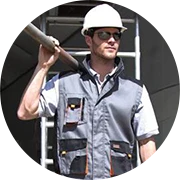
Corporate and industrial uniforms require a different approach, where the windbreaker must be compatible with layering systems. In these scenarios, the jacket often serves as the outer shell of a 3-in-1 system, requiring a cut that allows for a fleece or quilted liner underneath without restricting the wearer's range of motion during physical labor.
Evaluating Quality Dimensions in Production
When evaluating different production tiers in the woven garment industry, buyers should look at a normalized performance index. This allows for a conceptual comparison between lightweight windbreakers, softshell hybrids, and heavy-duty workwear. The following data represents a relative evaluation of these categories across five key performance dimensions: wind resistance, breathability, durability, weight efficiency, and flexibility.
As illustrated, while heavy-duty shells offer maximum wind resistance and durability, they often score lower in breathability and weight efficiency. Conversely, hybrid softshell jackets provide the most balanced profile, making them the most versatile choice for wholesale procurement targeting a broad range of outdoor activities.
Strategic Sourcing and Customization Options
For brands seeking to differentiate their product line, OEM and ODM services are essential. Customization extends beyond simple logo placement; it involves the selection of specific fabric weights (ranging from 40gsm to 450gsm) to match the target climate of the end market. A jacket designed for the UK's damp, windy climate will require different specifications than one destined for the drier, colder regions of Canada.
Professional manufacturers provide integrated solutions that include custom size charts, color swatches based on specific Pantone references, and tailored packing ratios. This level of control ensures that the final product aligns with the brand's quality standards and reduces the risk of inventory obsolescence due to poor fit or outdated color trends.
Avoiding Common Wholesale Procurement Risks
One of the most frequent mistakes in windbreaker procurement is prioritizing low unit costs over fabric breathability. Jackets that are "too windproof" often lack moisture-vapor transmission, leading to condensation inside the garment and wearer discomfort. Buyers must insist on technical data regarding the fabric's breathability and wind-blocking ratings rather than relying on generic descriptions.
Another significant risk involves neglecting the quality of "small parts"—zippers, elastic bands, and stitching. In wholesale volumes, a 2% failure rate in zippers can lead to thousands of defective units. Ensuring that the manufacturer utilizes high-cycle zippers and reinforced stitching at stress points, such as the armpits and pockets, is critical for maintaining a low return rate.
Decision Framework for Supplier Selection
Selecting the right partner for windbreaker jacket wholesale requires a structured comparison of capabilities. The decision should be based on the alignment between the manufacturer's expertise and the buyer's specific market needs, whether that be high-volume basic leisurewear or low-volume, high-spec technical gear.
| Option Type | Key Strength | Best Use Case | Main Consideration |
|---|---|---|---|
| Lightweight Shell | Portability | Urban/Summer | Low Warmth |
| Softshell Hybrid | Versatility | Trekking/Hiking | Higher Cost |
| Bonded Fleece | Thermal Retention | Autumn/Winter | Increased Weight |
| Industrial Grade | Abrasion Resistance | Construction | Lower Breathability |
| 3-in-1 System | Adaptability | Multi-Season | Complex Logistics |
| Eco-Friendly Line | Brand Image | Sustainable Markets | Material Sourcing |
By utilizing this framework, procurement managers can match the product type to the intended application, ensuring that the purchased inventory meets the actual environmental needs of the customer while optimizing the budget.
Frequently Asked Questions
A standard windbreaker is typically a lightweight, single-layer woven fabric designed primarily to block wind. A softshell jacket is a bonded fabric that combines a wind-resistant outer layer with a stretchy, breathable inner layer, providing more warmth and durability.
Fabric weight (gsm) should be chosen based on climate. Light shells (40-120gsm) are ideal for spring/summer urban wear; mid-weights (150-250gsm) suit autumn hiking; and heavy bonded fabrics (300-450gsm) are required for winter or industrial workwear.
Customization typically includes OEM/ODM services such as custom logo embroidery, private labeling, bespoke color matching via Pantone, adjusted size charts, and specific packing requirements for retail or distribution.
Breathability is measured by the fabric's moisture vapor transmission rate (MVTR). Higher MVTR means the fabric can more effectively move sweat away from the body, which is essential for active-wear windbreakers.
Yes, hybrid jackets are generally more durable because they utilize reinforced fabrics in high-friction areas, such as the shoulders and elbows, while maintaining lightness in other sections.
Key metrics include seam strength tests, zipper cycle tests, colorfastness to light and rubbing, and a verification that the actual garment measurements align with the agreed-upon size chart.
Conclusion
Successful windbreaker jacket wholesale procurement depends on a technical understanding of the relationship between fabric weight, wind resistance, and breathability. By shifting focus from simple unit cost to a comprehensive evaluation of hybrid construction and ergonomic detailing, buyers can secure products that provide genuine value to the end-user and reduce long-term operational risks.
For organizations requiring specialized outdoor apparel solutions or custom OEM/ODM manufacturing, detailed product specifications and supply capabilities can be reviewed at www.outdoor-jacket.com to ensure alignment with specific market requirements.