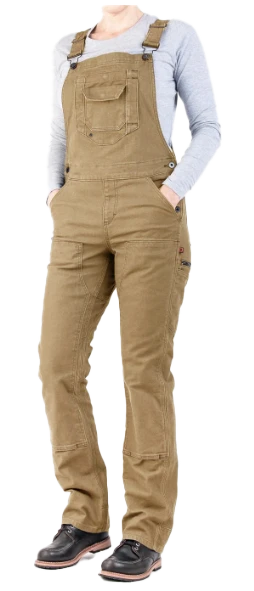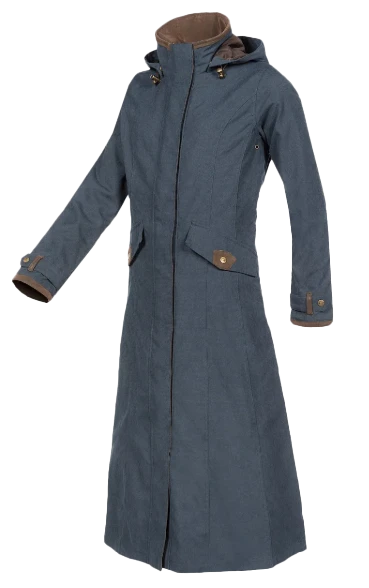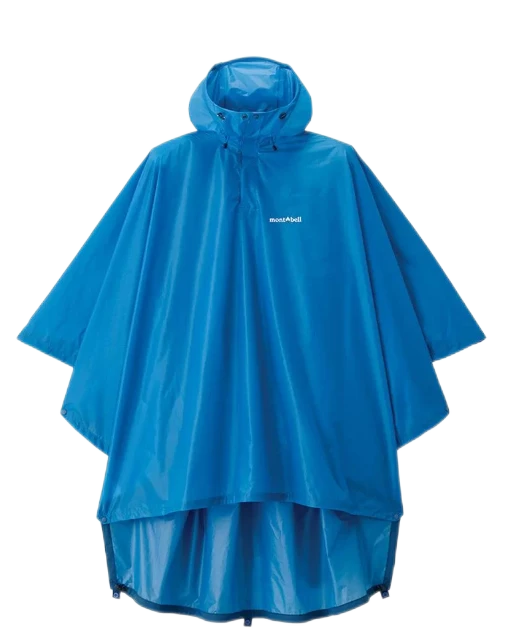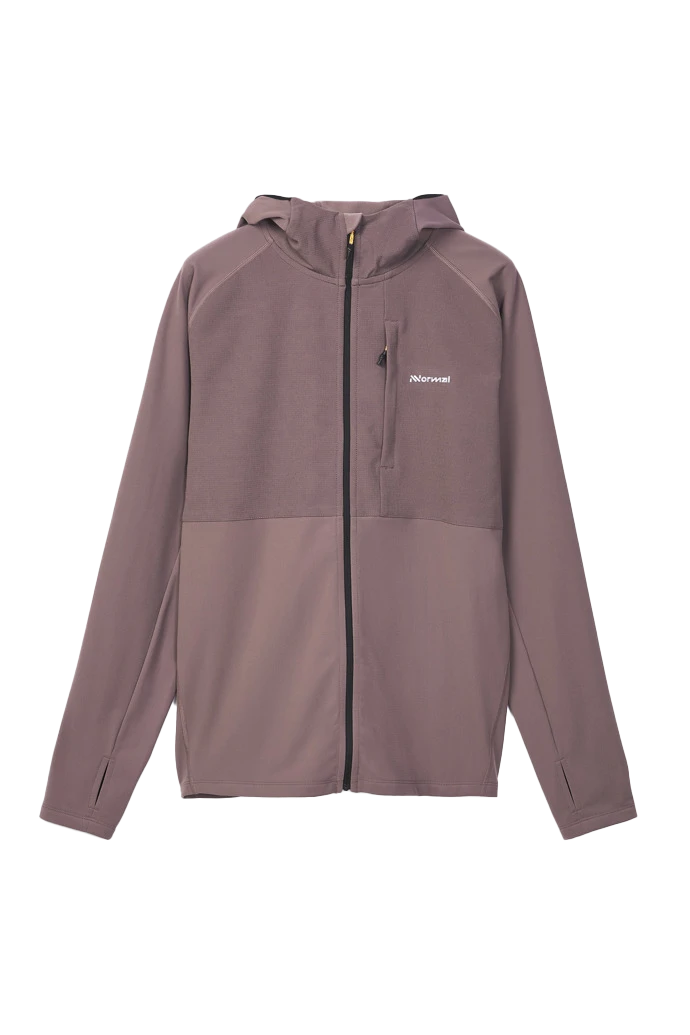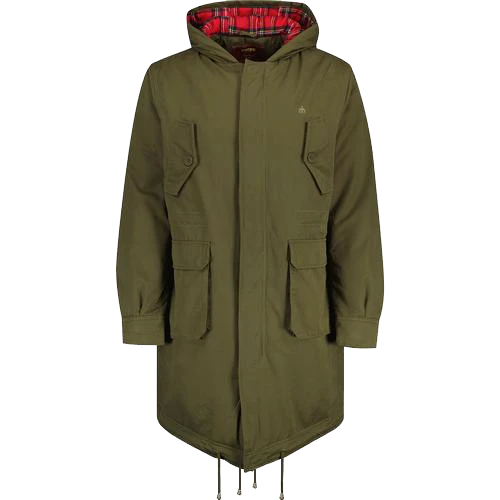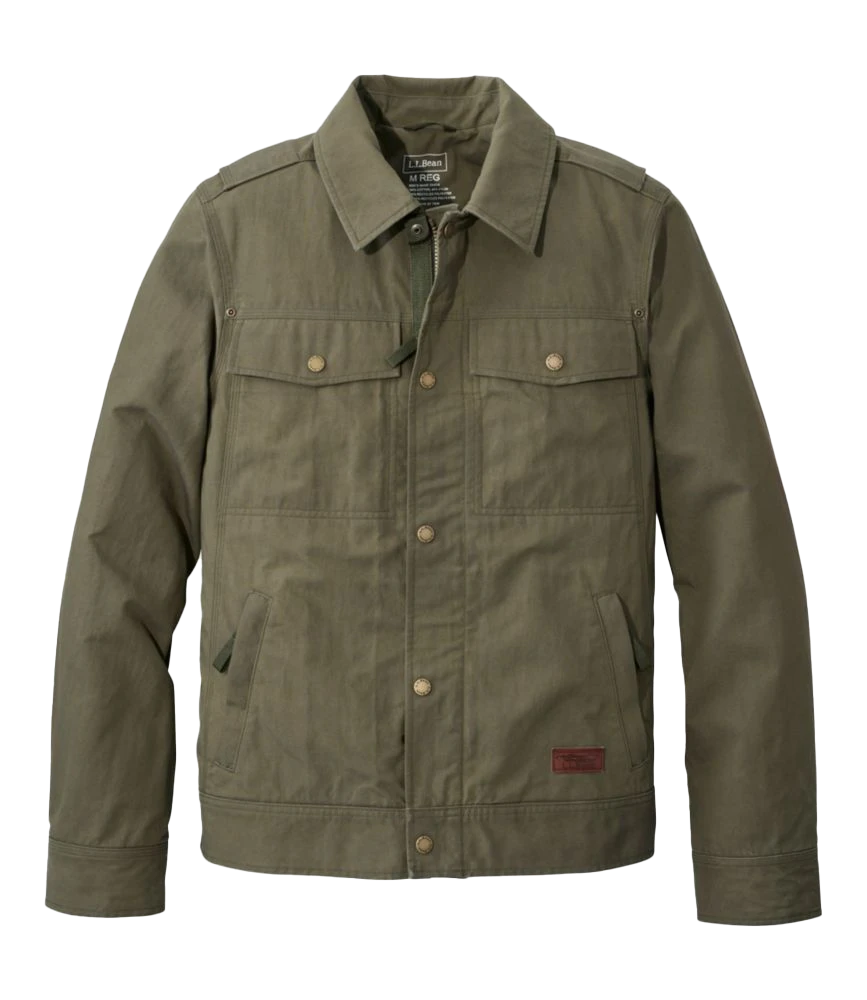

The global outdoor apparel market is currently witnessing a significant shift in consumer procurement patterns, where the demand for functional yet affordable outerwear is surging. In particular, the search for cheap parka coats for womens has evolved from a simple price-point search to a complex evaluation of material durability, waterproof ratings, and thermal efficiency.
This trend is driven by a growing demographic of urban explorers and outdoor enthusiasts who require professional-grade protection without the premium luxury markup. The technical challenge for manufacturers lies in reducing production costs through optimized supply chains and material science without compromising the structural integrity or the protective capabilities of the garment.
This analysis explores the engineering trade-offs involved in affordable outerwear production, the critical specifications that define "value" in the current market, and how professional OEM/ODM services balance cost with performance to meet these specific consumer needs.


Achieving a competitive price point for high-performance outerwear requires a strategic selection of synthetic polymers. Polyester remains the primary choice due to its inherent durability, resistance to shrinking, and ability to be treated with various waterproof coatings.
By utilizing high-density weaves, manufacturers can create a physical barrier against wind and moisture, reducing the reliance on expensive proprietary membranes while maintaining the functional requirements of a parka.
When evaluating the value of a garment, the focus must shift from the price tag to the technical specifications. For a heavy-duty raincoat or parka, the "Waterproof" feature is not binary; it depends on the shell fabric composition and the application of taped seams. A 100% polyester shell provides a reliable baseline for water repellency, but the addition of specific coatings determines the garment's performance in torrential rain.
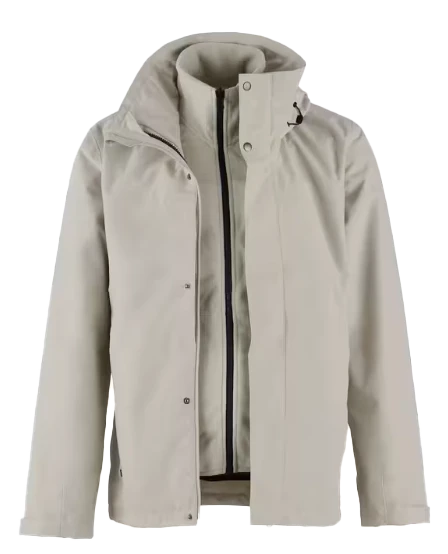
Furthermore, the structural details—such as adjustable hoods with toggles and drawcords, inner elastic cuffs, and reinforced rubber studs—directly impact the user's thermal regulation. These features prevent the ingress of cold air and water, which is critical for maintaining core temperature during outdoor activities like hiking or trekking.
For B2B buyers and retailers, the ability to customize these specifications through OEM services allows for the creation of products that target specific climate needs, such as Spring/Autumn transitions, without incurring the costs of over-engineering for extreme arctic conditions.
One of the primary engineering challenges in producing affordable outerwear is the inverse relationship between absolute waterproofing and breathability. High-end membranes allow water vapor to escape while blocking liquid water, but these materials significantly increase the unit cost.
This technical balance is what allows the production of high-quality, affordable options. By selecting fabrics ranging from 40gsm to 450gsm, production teams can tailor the garment's weight and breathability to the intended use case, ensuring the end-user does not overheat during moderate physical exertion.
The weight of the fabric, measured in grams per square meter (gsm), is a primary determinant of both the cost and the application of the coat. Lighter fabrics are ideal for spring wear and high-mobility activities, while heavier weights are reserved for professional-grade heavy-duty rainwear.
The following assessment illustrates the relative engineering rating of different fabric weight categories based on their suitability for specific environmental protections.
The application of professional-grade rainwear extends beyond casual urban use. In representative engineering scenarios, such as industrial site inspections or long-distance trekking, the requirement for 100% waterproof and windproof materials becomes a safety necessity rather than a luxury. The use of polyester jersey and taffeta linings ensures that the garment is comfortable against the skin while maintaining the external shell's rigidity.
Typical deployment involves environments with high humidity and variable temperature, where the "Eco-friendly" and "Light weight" characteristics of the fabric allow for prolonged wear without causing fatigue. This makes such gear suitable for professional roles in healthcare, military, or industrial sectors where uniforms must meet strict functional standards.
The industry is moving toward a "smart-functional" approach where the focus is on the longevity of the waterproof coating. Research is currently centered on integrating PFC-free DWR (Durable Water Repellent) finishes that reduce environmental impact while maintaining high performance.
We are also seeing a shift toward modular designs, where the parka can be adapted for different seasons through removable linings. This increases the utility of the garment, effectively reducing the need for multiple separate purchases and aligning with the global trend of sustainable consumption.
Furthermore, the integration of recycled polyester into the OEM/ODM process is becoming a standard requirement for European and North American markets, pushing manufacturers to innovate in the sourcing of high-tenacity recycled yarns that do not sacrifice the 100% waterproof guarantee.
For procurement managers, selecting the right configuration for cheap parka coats for womens involves a careful analysis of the intended use case versus the budget. A "one-size-fits-all" approach often leads to either over-spending on unnecessary features or under-performing gear.
The following matrix provides a framework for evaluating different garment configurations based on typical industry baselines. This allows buyers to align their technical requirements with the appropriate manufacturing profile.
By focusing on the shell fabric, lining, and specific features like taped seams or adjustable hoods, buyers can ensure a win-win situation where cost is minimized and functional value is maximized.
| Configuration Profile | Shell Material | Waterproof Level | Recommended Use Case |
|---|---|---|---|
| Basic Urban | Light Polyester | Water Resistant | Daily City Commuting |
| Standard Outdoor | Mid-Density Polyester | Waterproof | Hiking & Walking |
| High-Duty Pro | Heavy-Duty Polyester | 100% Waterproof | Industrial / Field Work |
| Technical Sport | Nylon/Polyester Blend | Breathable Waterproof | Trekking & Running |
| Extreme Weather | Reinforced Composite | Impermeable | Severe Rain/Wind |
| Industry Baseline | Standard PU Coated | Standard Waterproof | General Workwear |
Water-resistant fabrics can repel light rain for a short period but will eventually soak through under pressure or prolonged exposure. A 100% waterproof garment, such as the heavy-duty raincoats produced in Hebei, utilizes a combination of waterproof shell fabrics (like treated polyester) and taped seams that prevent water from leaking through the stitching. For professional outdoor use, a 100% waterproof rating is essential to ensure the wearer remains dry during extended exposure to heavy precipitation.
GSM (grams per square meter) indicates the density of the fabric. Higher GSM typically means a thicker, more durable fabric that offers better wind protection and higher water resistance, but it also increases the raw material cost and the overall weight of the garment. Lower GSM fabrics (e.g., 40-100gsm) are more breathable and lightweight, making them cost-effective for spring/autumn wear, while higher GSM (up to 450gsm) is required for heavy-duty protection in harsh environments.
Yes, through OEM/ODM services, the lining can be tailored to the target market's climate. For instance, a 100% polyester jersey or taffeta lining provides a smooth, moisture-wicking interior suitable for mild temperatures. For colder climates, quilted padding or fleece linings can be integrated. Customizing the lining allows brands to offer a specialized product that meets the thermal requirements of their customers without altering the outer waterproof shell.
The most critical checks include the hydrostatic head test (to measure water penetration pressure), seam leakage tests (ensuring taped seams are airtight), and breathability tests (measuring moisture vapor transmission). Additionally, checking the durability of the rubber studs and the tension of the adjustable hood drawcords ensures the garment maintains its protective seal during actual movement in the field.
Polyester is widely considered the best balance of cost and performance for mass-market functional outerwear. It offers superior durability, ease of dyeing, and excellent compatibility with waterproof coatings compared to cotton or basic nylon. While high-end GORE-TEX membranes offer better breathability, treated high-density polyester provides the necessary waterproof protection at a fraction of the cost, making it the ideal choice for "value" focused procurement.
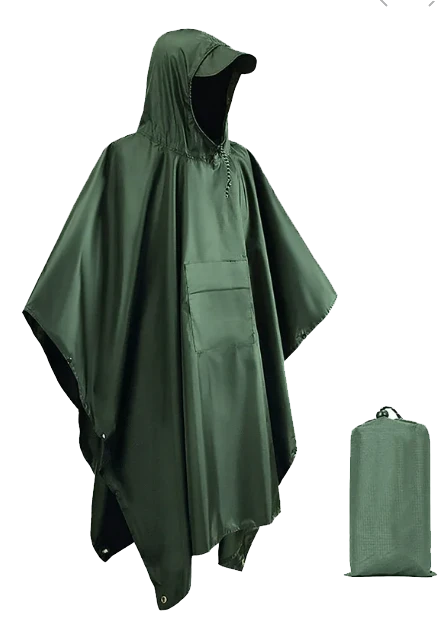
The decision depends on the activity level and the need for gear protection. Poncho styles offer superior ventilation and the ability to cover a backpack, making them ideal for hiking and trekking. Traditional parkas provide better wind protection, more secure pocketing, and a more professional appearance for urban or workwear environments. Buyers should assess whether the end-user prioritizes maximum airflow (poncho) or maximum wind/cold sealing (parka).
The pursuit of cheap parka coats for womens does not have to result in a compromise of quality. By focusing on the intersection of high-density polyester engineering, strategic lining selection, and professional OEM production, it is possible to deliver garments that meet rigorous waterproof and windproof standards while remaining accessible to a broad consumer base.
Ultimately, the value of affordable outerwear is found in the precision of its specifications. From the GSM of the shell to the integrity of the taped seams, every technical choice contributes to the garment's ability to protect the wearer in challenging environments. For businesses looking to enter this space, partnering with manufacturers who understand these technical trade-offs is the key to achieving long-term market success and customer trust.