

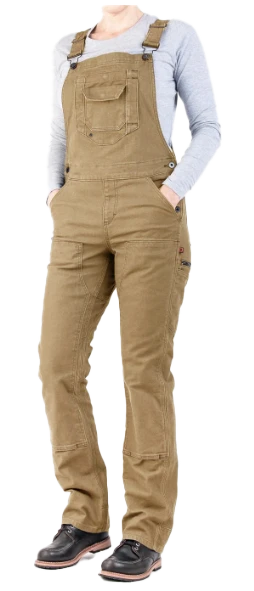
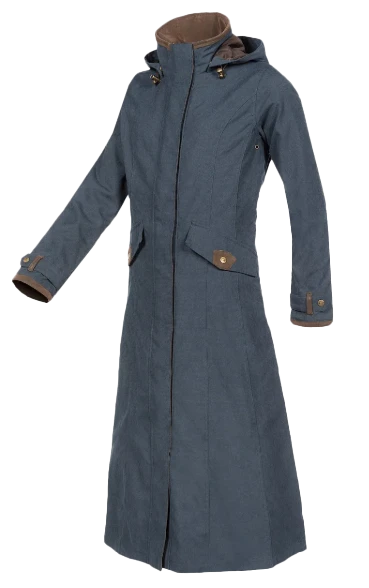
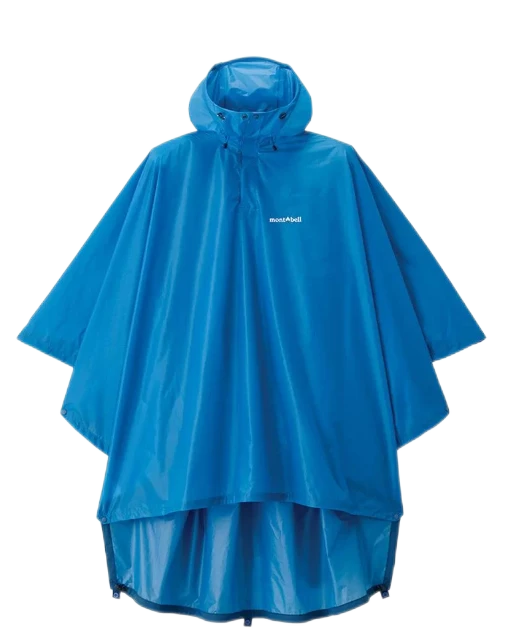
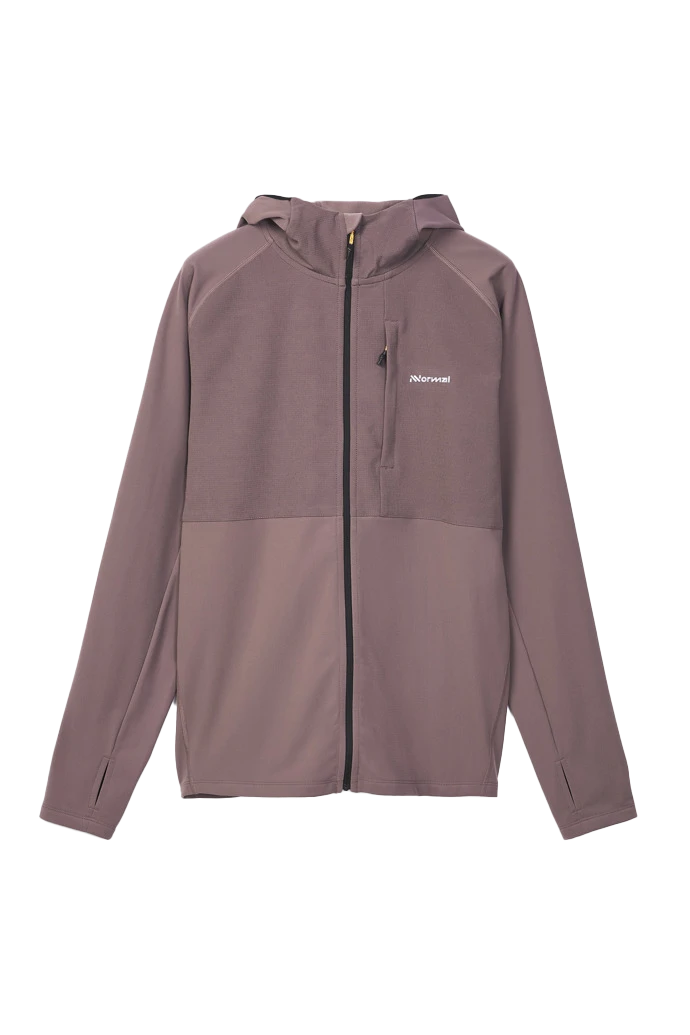








Finding a cheap womens ski suit that doesn't compromise on safety or warmth is a primary challenge for budget-conscious winter sports enthusiasts. In the B2B and retail landscape, the "cheap" label often sparks concerns about durability and weatherproofing. This article examines how modern manufacturing can deliver cost-effective yet high-performance outerwear by optimizing material selection and production efficiency.
The outdoor apparel industry has evolved to offer a spectrum of price points through strategic OEM and ODM services. By focusing on essential technical requirements—such as breathable membranes and taped seams—manufacturers can reduce unnecessary costs without sacrificing the core functionality needed for skiing, snowboarding, or trekking. Understanding the balance between cost and performance is critical for buyers and brand owners.
Readers will learn how to evaluate affordable winter gear, the technical markers of a quality budget suit, and how to identify suppliers capable of maintaining strict quality control. We will analyze the intersection of price and technical specifications to provide a clear roadmap for procuring value-driven outdoor apparel.
Analyzing Value in Winter Sportswear
The perception of value in the outdoor industry is shifting from brand prestige to technical transparency. For those seeking an affordable cheap womens ski suit, the real value lies in the "cost-per-performance" ratio. This means evaluating whether the garment provides necessary protection against wind and moisture relative to its price. Many manufacturers achieve lower costs not by using inferior materials, but by streamlining design elements and leveraging economies of scale in fabric sourcing, such as using 100% polyester with specialized coatings.
Buyer's Guide for Affordable Ski Apparel
When sourcing budget-friendly winter gear, it is essential to look beyond the price tag and examine the construction details. A professional-grade budget suit should still adhere to basic safety and comfort standards, focusing on heat retention and moisture management. Below is a detailed analysis of the seven key dimensions that define a high-value, low-cost ski garment.
Material Efficiency and Costs
Cost-effective apparel often utilizes high-grade polyester (ranging from 40gsm to 450gsm) which offers a balance of weight and durability. By selecting fabrics that are naturally water-repellent and combining them with eco-friendly coatings, suppliers can maintain a lower price point while ensuring the garment remains breathable and windproof.
| Fabric Type | Cost Impact | Performance Benefit | Best Application |
|---|---|---|---|
| 100% Polyester | Low to Medium | High durability & quick dry | General Skiing |
| Soft Shell | Medium | High breathability | Trekking/Hiking |
| Taped-Seams Fabric | Medium | Absolute waterproofness | Heavy Snow/Rain |
| Quilted Padding | Medium | Superior heat retention | Extreme Cold |
| Knitted Bonded | Low | Lightweight flexibility | Leisure/Spring Ski |
| Eco-coated Nylon | Medium | Environmental compliance | Global Export Markets |
Waterproofing and Seam Integrity
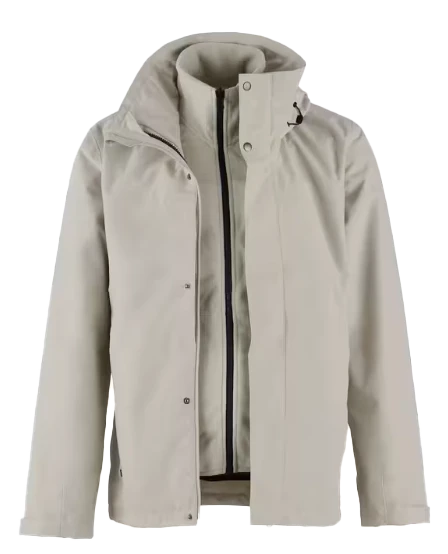
The most common failure in budget outerwear is leaking at the seams. Value-driven production emphasizes fully taped seams, which prevent water from penetrating the needle holes. A suit that combines a water-repellent exterior with a storm front placket and contrast zippers ensures that the user remains dry even in nasal winter weather, regardless of the price bracket.
Thermal Insulation Strategies
Heat retention is achieved through layering. Budget options often utilize ultra-light cotton warm padding or soft fleece linings. This approach provides the necessary warmth for autumn and winter seasons without adding excessive bulk, making the garment more versatile for various outdoor activities like snowboarding or cycling.
Fit and Ergonomic Considerations
A suit's effectiveness depends on its fit. Adjustable cuffs and attachable hoods are critical features that prevent wind infiltration. For B2B buyers, offering a wide size range (from S to 5XL) ensures market accessibility, while adhering to a standardized size chart prevents high return rates and increases overall commercial value.
Durability vs. Price Trade-offs
The trade-off in affordable gear is often found in the accessories rather than the fabric. For instance, using high-quality mock leather zipper pullers provides an eye-catching aesthetic without the cost of full leather trim. The focus remains on the hard shell's resistance to abrasion and saturation, which are the non-negotiable aspects of winter safety.
OEM/ODM Customization Options
For brands looking to launch budget lines, OEM/ODM services allow for precise cost control. By providing a tech pack or sample, buyers can specify exactly which features to keep (like waterproof coatings) and which to simplify (like complex pocket layouts), effectively creating a customized product that fits a specific price target.
Sustainable Manufacturing Trends
There is a growing trend toward eco-friendly fabrics in the budget sector. Using recycled polyester or non-toxic water-repellent coatings allows manufacturers to appeal to the environmentally conscious consumer without significantly increasing the wholesale price, adding a layer of marketing value to the affordable product line.
FAQ
What makes a budget ski suit "high quality"?
A high-quality budget suit is defined by its core technical performance: it must be waterproof, windproof, and breathable. Key indicators include fully taped seams to prevent leaking, a durable water-repellent (DWR) coating, and adequate insulation (like fleece or cotton padding) to maintain body heat in cold environments.
Can a low-cost suit be truly waterproof?
Yes, waterproofing depends on the fabric treatment and construction rather than the brand name. By using 100% polyester with a professional water-repellent coating and implementing taped-seams technology, manufacturers can produce garments that effectively resist rain and snow at a lower cost.
What should I check when sourcing OEM winter wear?
Buyers should verify the fabric weight (gsm), the type of waterproof coating used, and the quality of the seam taping. Additionally, check the supplier's experience with international markets (e.g., Europe or North America) and their ability to follow a specific tech pack for sizing and colors.
Is fleece lining sufficient for extreme winter weather?
Fleece lining is excellent for moderate cold and breathability. For extreme conditions, it should be paired with an additional layer of warm padding, such as quilted cotton or synthetic insulation, to ensure maximum heat retention and protection against freezing temperatures.
How do customization options affect the final price?
Custom logos, labels, and special packaging typically have a minimal impact on the unit price when ordered in bulk. The primary cost drivers are the fabric specification (gsm) and the complexity of the design. Using standard size charts can also help keep costs lower.
What is the difference between OEM and ODM for ski apparel?
OEM (Original Equipment Manufacture) is when the factory produces a suit based on the buyer's exact design and tech pack. ODM (Original Design Manufacture) is when the factory provides existing designs that the buyer can then brand or slightly modify, which is often faster and more cost-effective.
References and further reading
- International Standards for Outdoor Performance Apparel - Technical Fabric Specifications.
- Textile Industry Analysis: The shift towards recycled polyester in B2B outdoor wear.
- Guide to Waterproofing: Taped Seams vs. Water-Resistant Finishes.
Related Articles