


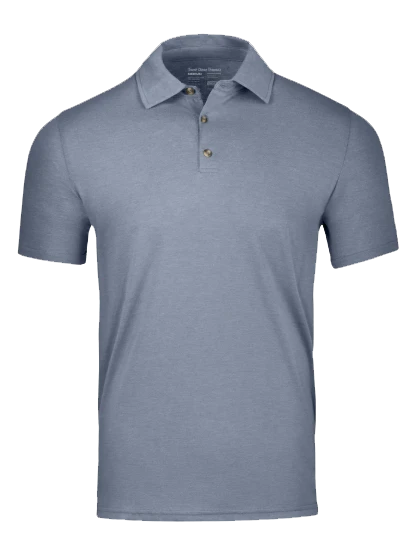






High Quality Custom Scrubs for Women and Medical Apparel
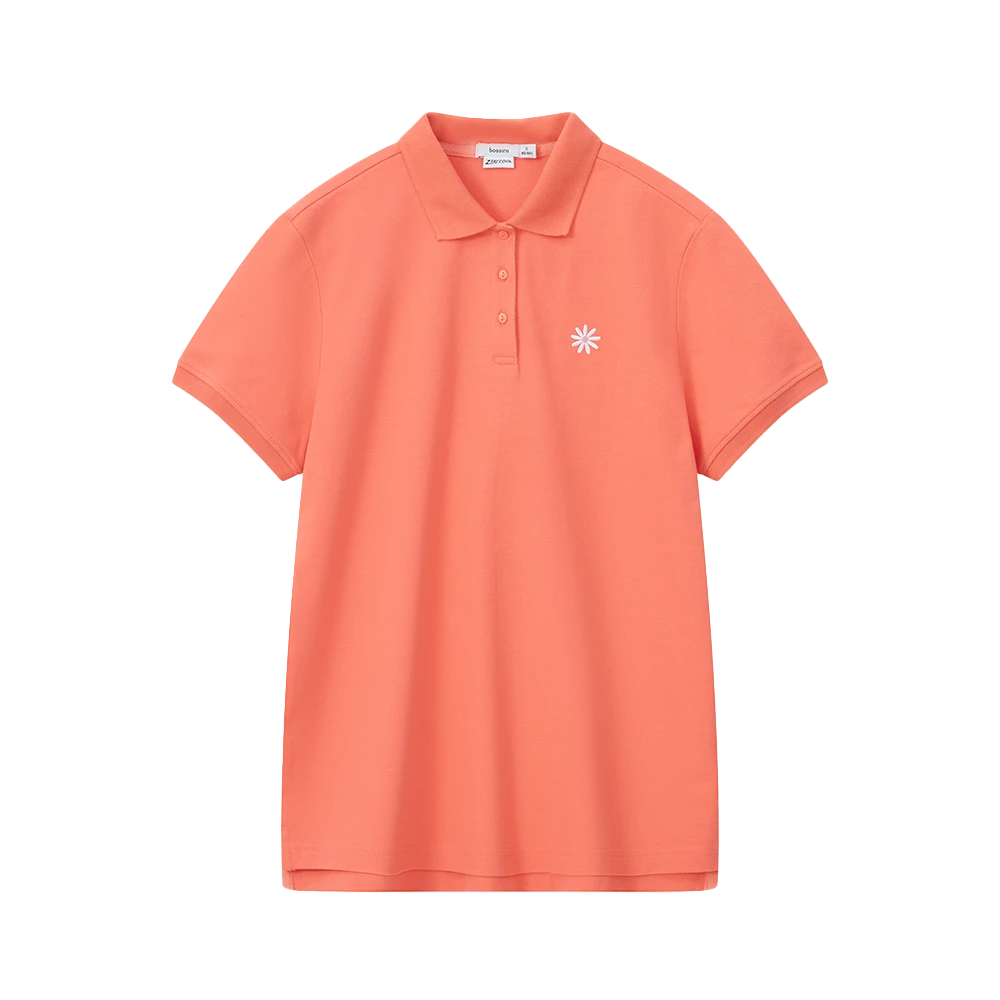
Selecting professional medical apparel requires a balance between stringent hygiene standards and the physical demands of a high-pressure healthcare environment. For clinics and hospitals looking to standardize their staff appearance, the shift toward bespoke apparel solutions allows for better brand alignment and improved wearer comfort. This is particularly critical for female practitioners who often find off-the-shelf options lacking in ergonomic fit and functional pocket placement.
The modern medical workplace demands textiles that are not only soft to the touch but also capable of withstanding frequent industrial laundering. By integrating high-performance polyester blends with thoughtful design elements like adjustable waistbands and reinforced stitching, healthcare facilities can enhance the daily experience of their staff. From pediatric clinics requiring soft, approachable textures to surgical centers needing durable, wind-resistant layers for cold operating rooms, the right apparel choice directly impacts professional efficiency and staff well-being.

The Evolution of Healthcare Apparel: Balancing Ergonomics with Professionalism
Medical uniforms have transitioned from simple protective garments to engineered apparel. The core challenge in designing for healthcare professionals is the requirement for "dynamic movement." Practitioners spend the majority of their shifts bending, reaching, and lifting, which means the fabric must offer significant flexibility without losing its shape over time. This is why the selection of the textile base is the most critical decision in the procurement process.
Current industry standards favor blended fabrics. While 100% cotton offers breathability, it lacks the durability and wrinkle-resistance needed for 12-hour shifts. Modern solutions utilize high-grade polyester, often combined with elastane or specialized bonded layers, to create a garment that remains crisp and professional while providing the stretch necessary for medical tasks. Furthermore, the integration of anti-pilling technology ensures that the uniforms maintain a high-end appearance even after hundreds of wash cycles.
For women in medicine, the "professional fit" has long been a point of contention. Standard unisex sizing often results in garments that are either too baggy, compromising hygiene, or too tight, restricting movement. Bespoke design allows for the implementation of feminine contours—such as tapered waists and adjusted shoulder widths—without sacrificing the modesty and utility required in a clinical setting.

Technical Fabric Specifications and Performance Requirements
The technical performance of a medical uniform is measured by its ability to protect the wearer while facilitating ease of work. One of the primary technical requirements is moisture management. Because healthcare environments can vary from humid emergency rooms to chilled laboratories, fabrics must be capable of wicking moisture away from the skin to regulate body temperature.
Key material considerations include:
- Fabric Weight: Depending on the season and environment, fabric can range from 40gsm for lightweight summer wear to 450gsm for insulated winter jackets used in cold-storage or outdoor medical units.
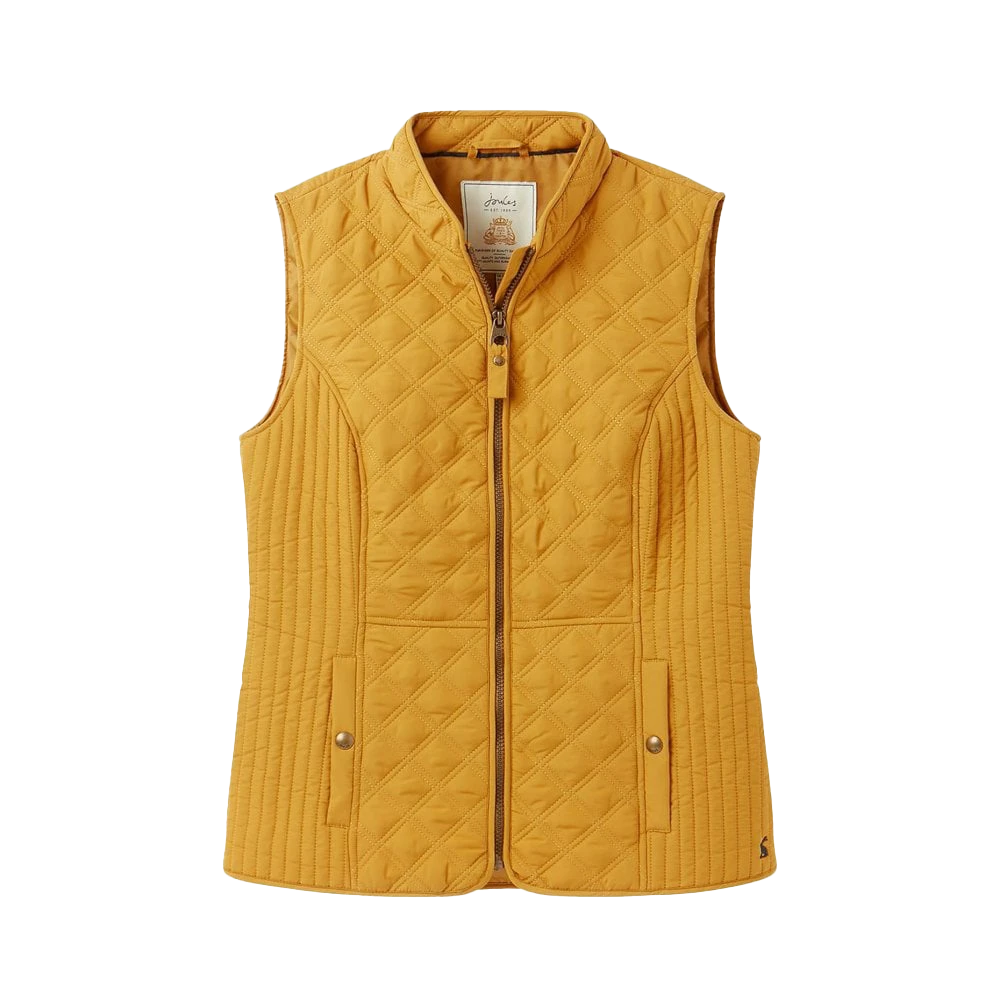
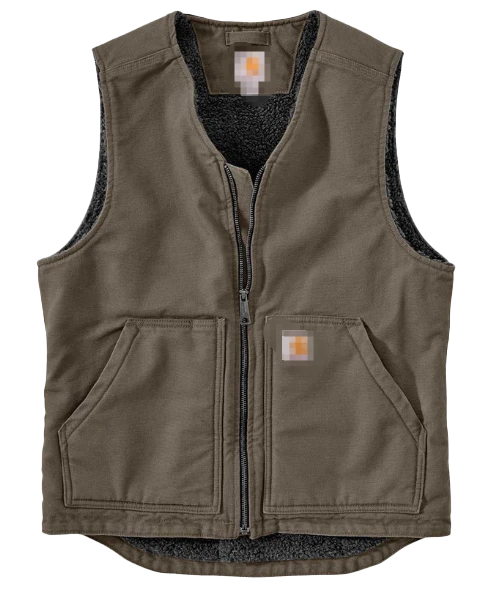
- Bonded Layers: The use of sherpa-bonded shells or quilted padding is essential for staff moving between temperature-controlled zones, providing necessary warmth without adding excessive bulk.
- Sustainable Materials: There is a growing demand for recycled polyester and eco-friendly dyes, reducing the environmental footprint of large-scale hospital procurement.
- Surface Treatment: Anti-pilling and windproof finishes are applied to outerwear to ensure longevity and protection against the elements during transit or facility maintenance.
Beyond the fabric, the construction techniques define the garment's lifespan. Fully fitted joints and reinforced seams prevent leakage and saturation, which is paramount in environments where fluid resistance is a safety requirement. The use of high-quality zippers and adjustable cuffs further enhances the functionality, allowing the wearer to seal out drafts or easily roll up sleeves for sterile procedures.
Strategic Procurement for Healthcare Facilities and Medical Brands
Procuring uniforms at scale requires a strategic approach to OEM and ODM services. For most medical directors, the goal is to achieve a uniform look that reinforces the institution's brand identity while satisfying the diverse size requirements of a multicultural workforce. This is where the value of custom scrubs for women becomes evident, as it allows for specific size charts (from XS to 5XL) and precise color matching to hospital branding.
When evaluating a manufacturing partner, procurement managers should focus on the "sample-to-mass-production" pipeline. A professional OEM process involves several critical stages: the submission of a tech pack, the creation of a prototype for fit testing, and a final pre-production sample. This rigorous cycle ensures that the final shipment of 600+ pieces per color meets the exact specifications regarding chest measurements, sleeve length, and color swatches.
Furthermore, packaging and logistics play a significant role in large-scale deployments. Standardized packing—such as one piece per polybag with 20 pieces per outer carton—simplifies distribution across multiple departments. The ability to customize labels and logos not only assists in inventory management but also fosters a sense of belonging and professional pride among the medical staff.
Comparison of Healthcare Apparel Material Options
| Fabric Type | Durability | Breathability | Best Application | Maintenance |
|---|---|---|---|---|
| 100% Polyester | High | Medium | General Ward / OEM Uniforms | Low (Wrinkle-free) |
| Polyester Blend | Medium-High | High | High-Activity Nursing | Medium |
| Bonded Sherpa | High | Low | Cold-Zone Outerwear | Medium |
| Coarse Knitted | Medium | High | Casual Medical Loungewear | High |
| Eco-Recycled Poly | Medium-High | Medium | Sustainable Branding | Low |
Optimizing Uniform Utility Through Custom Design Elements
Utility in medical apparel is not just about the number of pockets, but their strategic placement. A well-designed uniform considers the tools a female practitioner carries—stethoscopes, tablets, pens, and smartphones. By utilizing custom design services, facilities can move away from generic layouts and implement pockets that are ergonomically positioned to prevent items from falling during movement.
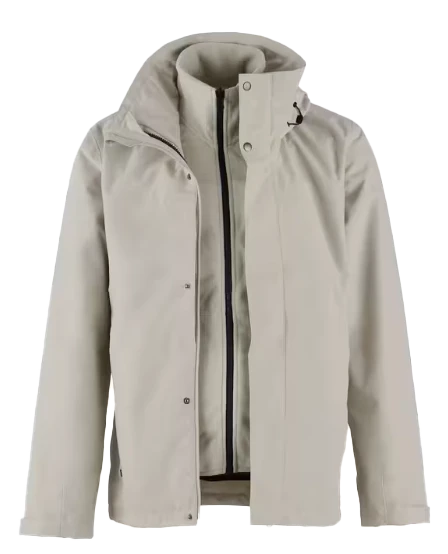
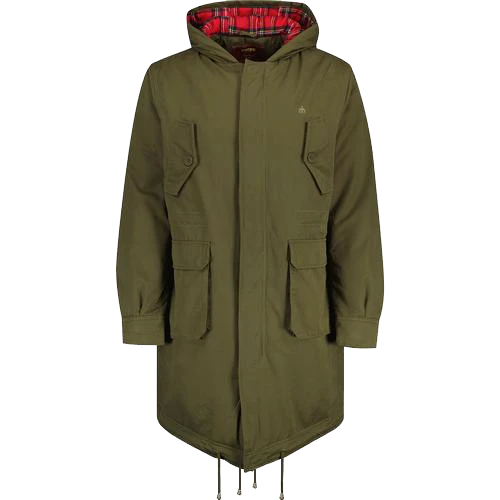
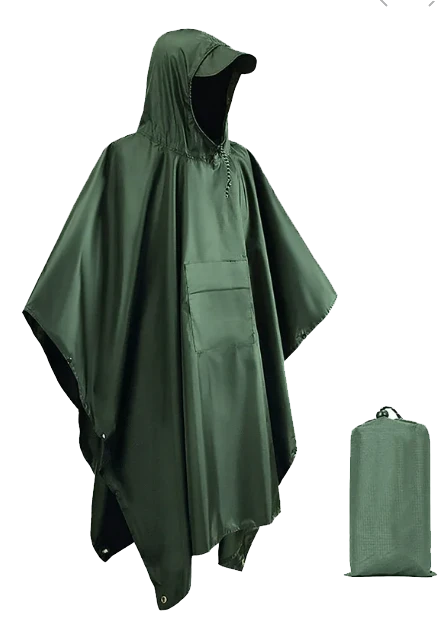
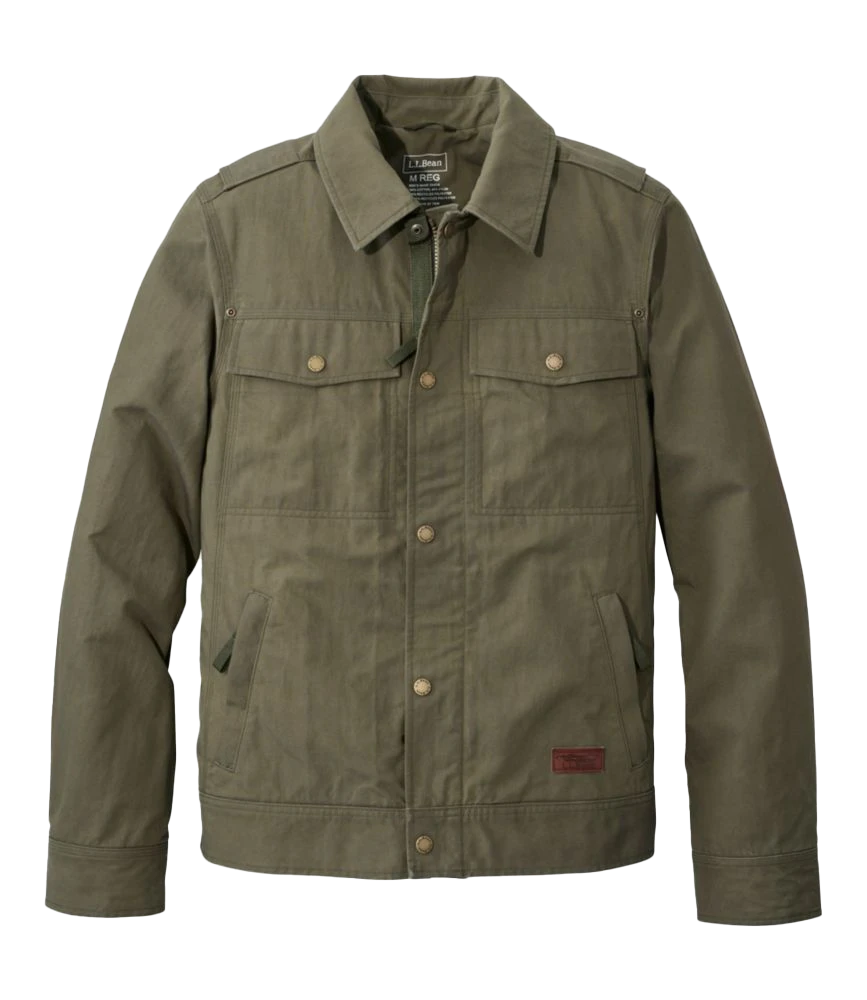
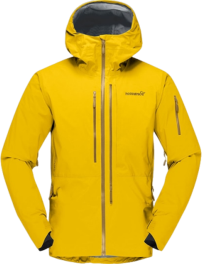
Another critical element is the adjustment mechanism. The inclusion of adjustable hoods with strings and elasticated cuffs allows for a personalized fit that accommodates different body types and environmental needs. In the case of outerwear, such as padded jackets for medical transport teams, the addition of windproof and water-resistant shells ensures that practitioners remain warm and dry, which is essential for maintaining focus during emergency responses.
The psychological impact of a well-fitted uniform should not be underestimated. When staff feel comfortable and look professional, it enhances their confidence and the patient's perception of the care quality. Transitioning to custom scrubs for women ensures that the apparel supports the wearer's physical needs while projecting an image of competence and organized care.
Future Trends in Professional Medical Wear
The future of healthcare apparel is moving toward "intelligent textiles." We are seeing an increase in the demand for antimicrobial finishes that actively reduce the spread of pathogens, as well as fabrics that can regulate temperature based on the wearer's activity level. As sustainable manufacturing becomes the norm, the shift toward 100% recycled polyester without sacrificing the soft-touch feel is becoming a priority for global healthcare brands.
Additionally, the integration of "athleisure" elements into medical wear is accelerating. The boundaries between sportswear and workwear are blurring, leading to the adoption of four-way stretch fabrics and seamless construction. This trend is driven by a younger generation of healthcare professionals who prioritize comfort and versatility, expecting their professional attire to perform as well as their gym gear.
For manufacturers and buyers, the key to success will be agility. The ability to quickly pivot designs based on new health safety protocols or fashion trends—while maintaining the strict quality control of a 30-year industry veteran—will distinguish the leading suppliers in the OEM/ODM market. The focus will remain on a win-win partnership where the manufacturer's technical expertise realizes the customer's brand vision.
Frequently Asked Questions About Custom Medical Apparel
What is the typical lead time for custom medical uniform samples?
Normally, it takes approximately 1 to 2 weeks to produce initial samples. This allows for the selection of specific fabrics, such as coarse knitted or polyester blends, and the adjustment of size specifications to ensure a perfect fit before mass production begins.
What is the minimum order quantity (MOQ) for customized colors?
Our standard MOQ is usually 600 pieces per color or printing. This ensures cost-efficiency in fabric dyeing and production while maintaining a strict quality control system across the entire batch.
How do you ensure the quality of the garments before shipment?
We implement a complete and strict quality control system that covers every step, from initial material selection and product development to final inspection. All products are strictly inspected before shipment to ensure they meet the customer's specific standards.
Can we provide our own design tech packs for production?
Yes, we welcome customers to send their own samples or detailed tech packs. We can follow your exact ideas or provide design assistance to develop a new style based on your specific functional requirements.
What are the typical payment and delivery terms?
We generally accept a 30% T/T advance payment, with the remaining balance due once mass production is ready for shipping. Delivery typically takes about 45 days once all design and material details are confirmed.
Which shipping ports are used for international orders?
Our products are primarily shipped via the Tianjin port, facilitating efficient export to our main markets in Europe, North America, and Southeast Asia.
Industry Resources and Technical References
- World Health Organization - Healthcare Guidelines
- PubMed Central - Textiles in Medical Environments
- ISO Standards for Protective Clothing
- CDC Guidelines for Healthcare Personnel Attire
Choosing the right manufacturing partner for your medical apparel ensures that your staff is equipped for the rigors of their profession. By combining technical fabric expertise with a commitment to ergonomic design, we help healthcare institutions achieve a professional image and a comfortable workforce.
Related Professional Apparel Insights